Television series
The Interrogator
- Police procedural
- Detective mystery
- Dip in and out
The Interrogator follows Houston homicide detective Fil Waters as he works high-stakes cases through interview room psychology. It's a procedural focused on interrogation technique rather than investigation—watching someone talk their way toward confession or truth. For viewers fascinated by criminal behavior, persuasion tactics, and the moral weight of getting answers.
If you liked this
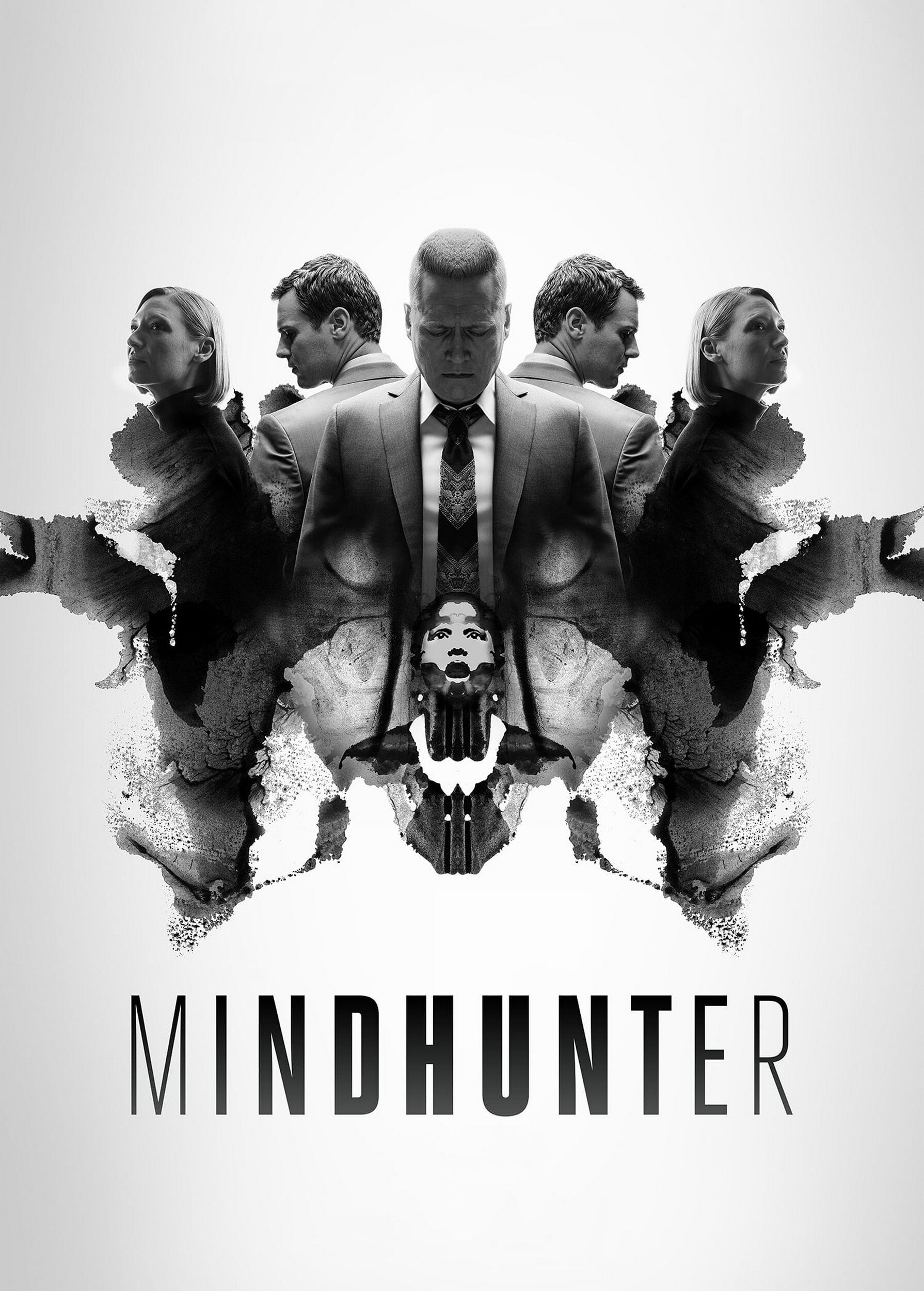
MINDHUNTER2017
FBI profilers build the science of criminal psychology by studying offenders face-to-face. Like Waters, these investigators work through conversation and observation, learning how minds work before they ask for answers.
But Slow-burn procedural that prioritizes process over solved cases. Some episodes end without resolution, which frustrates viewers wanting neat closure.
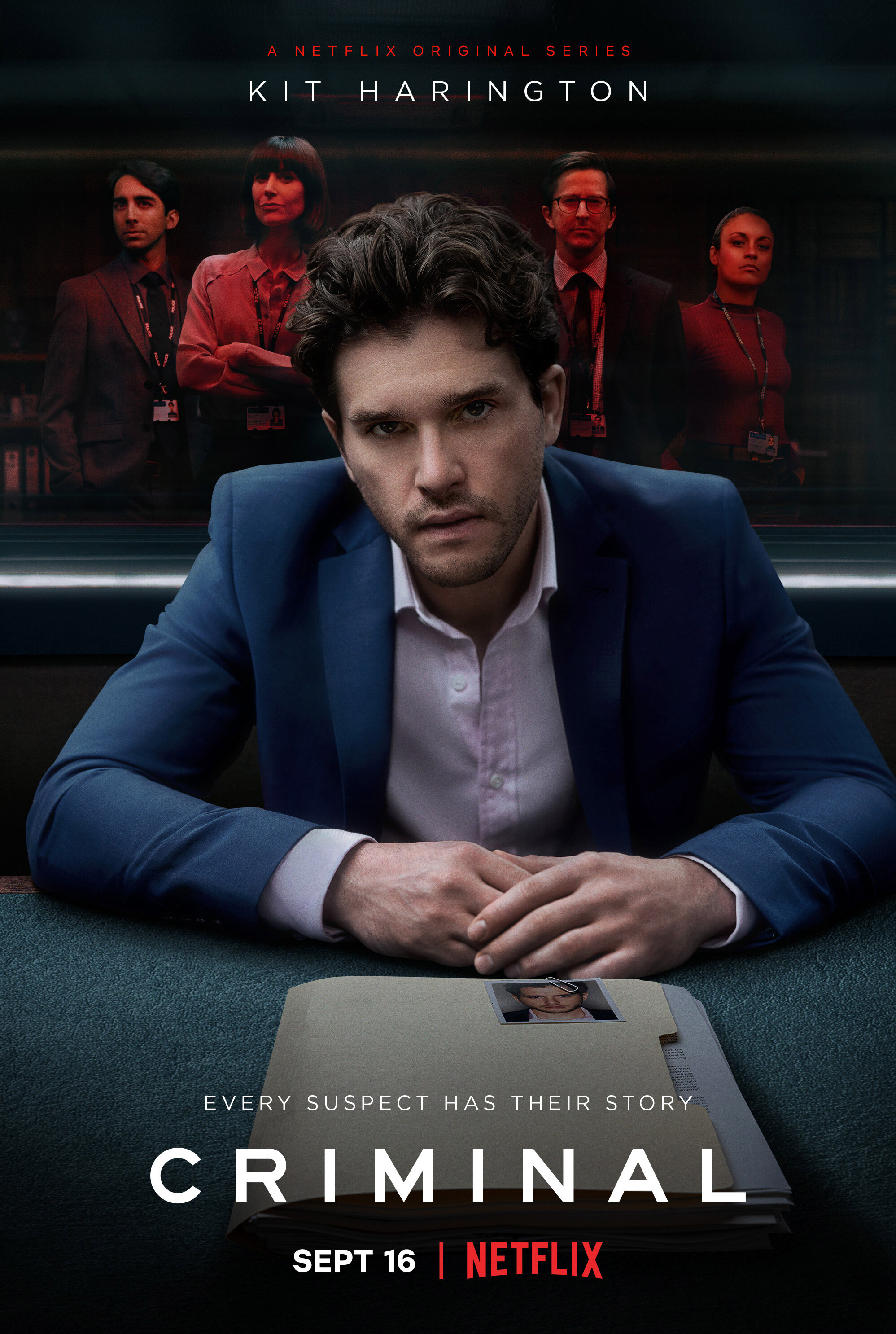
Criminal: UK2019
Single room, single interrogation, entire episode. Stripped-down brilliance that lets you study how investigators pressure suspects into revealing themselves. Pure psychology, no filler.
But Deliberately monotonous setting. If you need visual variety or action, this will feel like watching paint dry in a police station basement.
Bosch2015
LA detective driven by case obsession and personal code. Bosch does legwork, but the show prizes the relationships and conversations that crack cases open—the human element Waters specializes in.
But Runs seven seasons, and later ones stretch storylines thin. Commitment required if you want the full arc.

Not sure tonight? Get a pick in a minute, starting from The Interrogator
The wildcard
Something you would not have found on your own.
O.J.: Made in America2016
Both are built on extracting or revealing truth through talk—but where Waters works a controlled room, this examines how narrative interrogation happens publicly, in media, in culture. The inverse setting, same psychological mechanics.
The interrogation of a nation through archive, testimony, and interview. Focuses obsessively on what people *say* about events—the gap between public narratives and hidden truths. Psychological cat-and-mouse on a national stage.
But Five and a half hours, dense historical context required. Not investigative drama; it's a legal and cultural autopsy that demands patience and prior knowledge.

More like this (8)
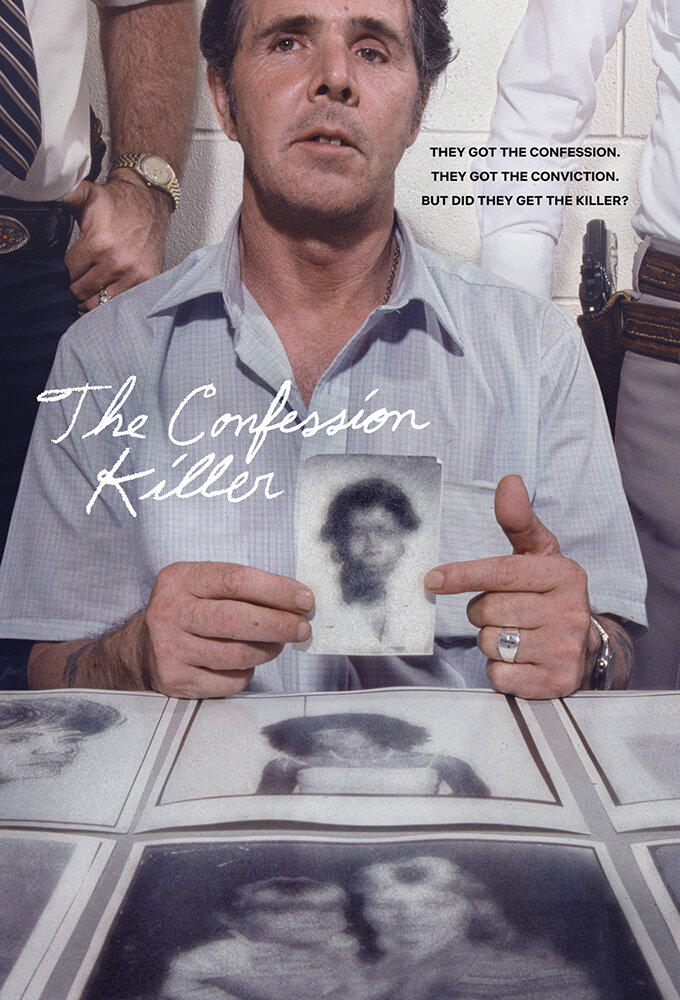
The Confession Killer2019
Documentary series about a detective whose interrogation techniques led innocent men to confess to murders they didn't commit. Essential counterpoint: what happens when the method fails catastrophically.
But Deeply uncomfortable. Watching justice system failures unfold is draining, and there's no redemptive ending waiting.
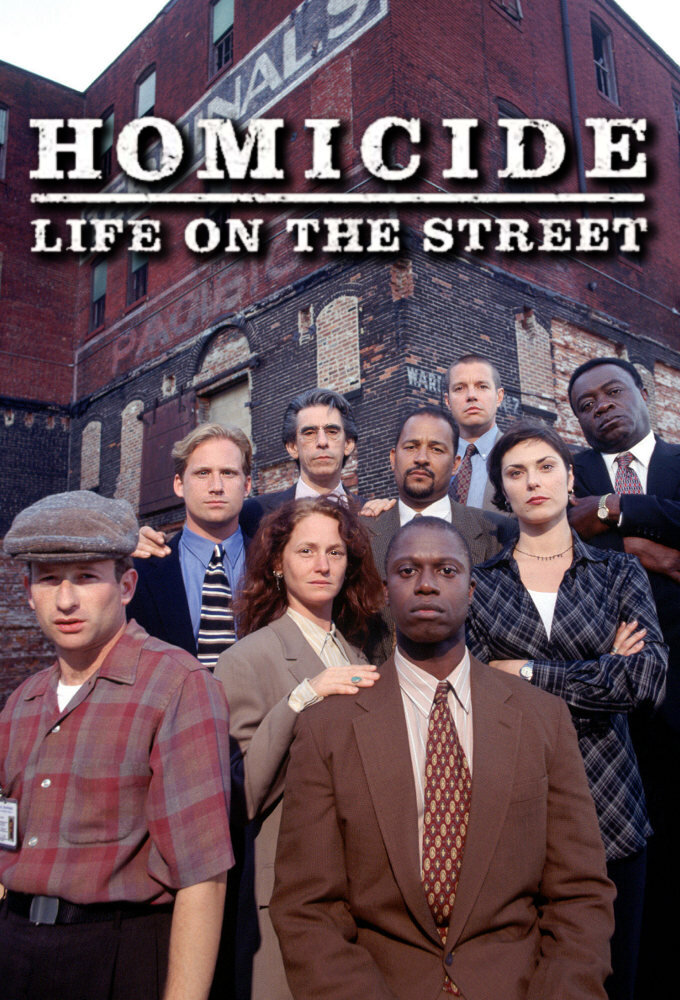
Homicide: Life on the Street1993
The gold standard for interrogation room drama. Detectives talk their way through cases with wit, exhaustion, and genuine human connection. Influenced everything that came after.
But Shot on video in the 90s and it shows. Dense Baltimore mythology builds across seasons; jumping in mid-run feels alienating.
The First 482004
Real police interrogations from homicide units nationwide. Unfiltered access to the actual rhythm and pressure of those first critical hours. Shows why Waters' technique matters.
But Heavy reliance on confessions, which raises ethical questions. Repetitive format wears thin fast; most episodes blend together.
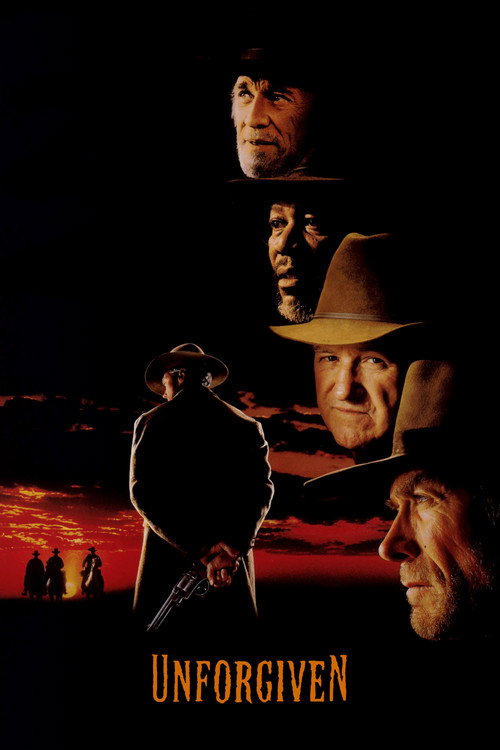
Unforgiven1992
Clint Eastwood Western about an aging killer extracting information through presence and moral weight. A masterclass in how quiet authority and history do more work than volume.
But Glacially paced by design. If you need momentum or plot propulsion, this will feel like a punishment.
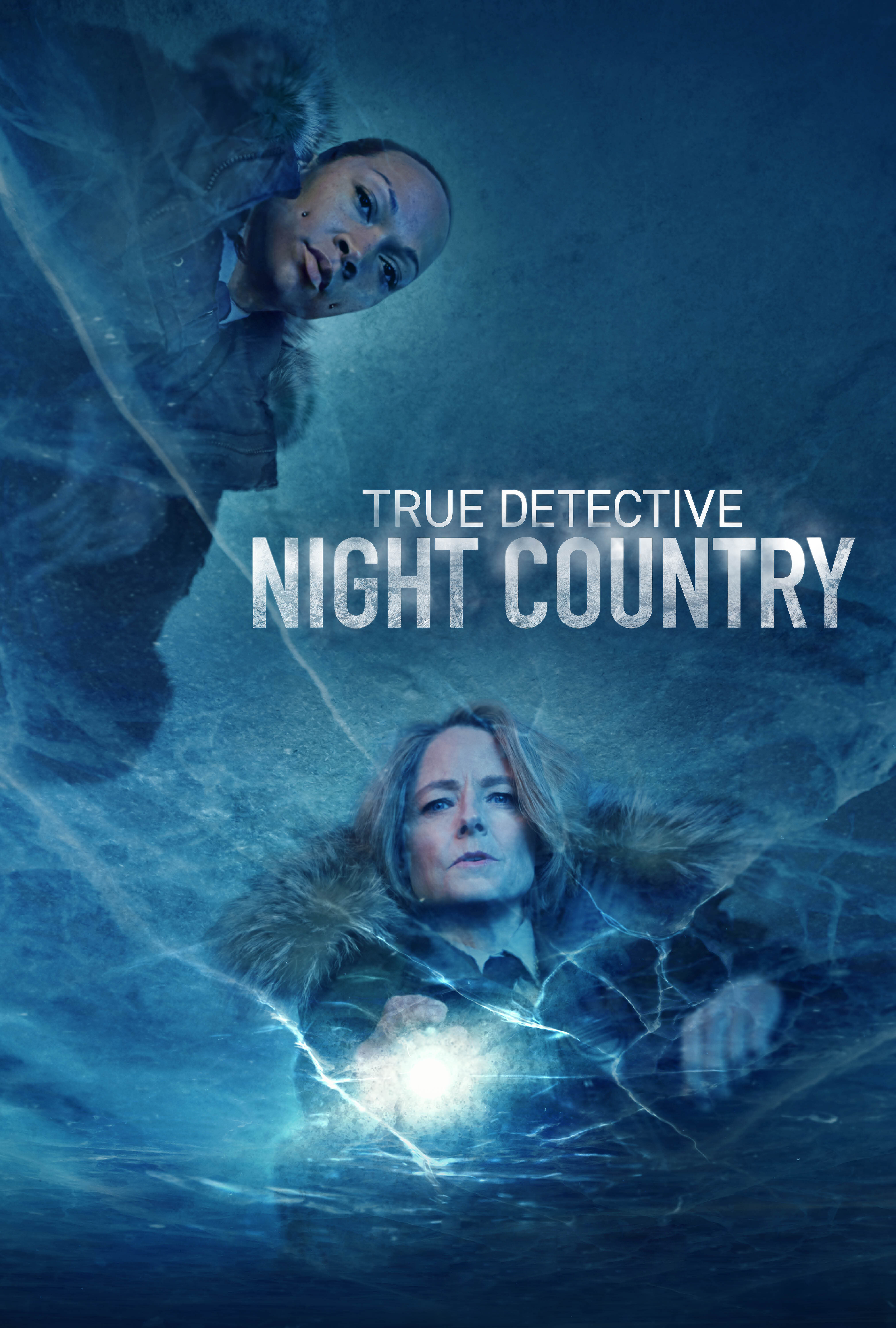
True Detective2014
First season is a detective procedural wrapped around a long interrogation. Two men trying to outsmart each other through conversation, history, and competing versions of truth.
But Seasons two and three crater badly. Season one is excellent but standalone; extending into sequels ruins the mystique.
Conviction
Follows the actual Innocence Project lawyers undoing wrongful convictions through investigation and interview. Shows what happens after interrogation room success turns to regret.
But Low-energy broadcast procedural pacing. Earnest but airless; feels like law school more than detective work.
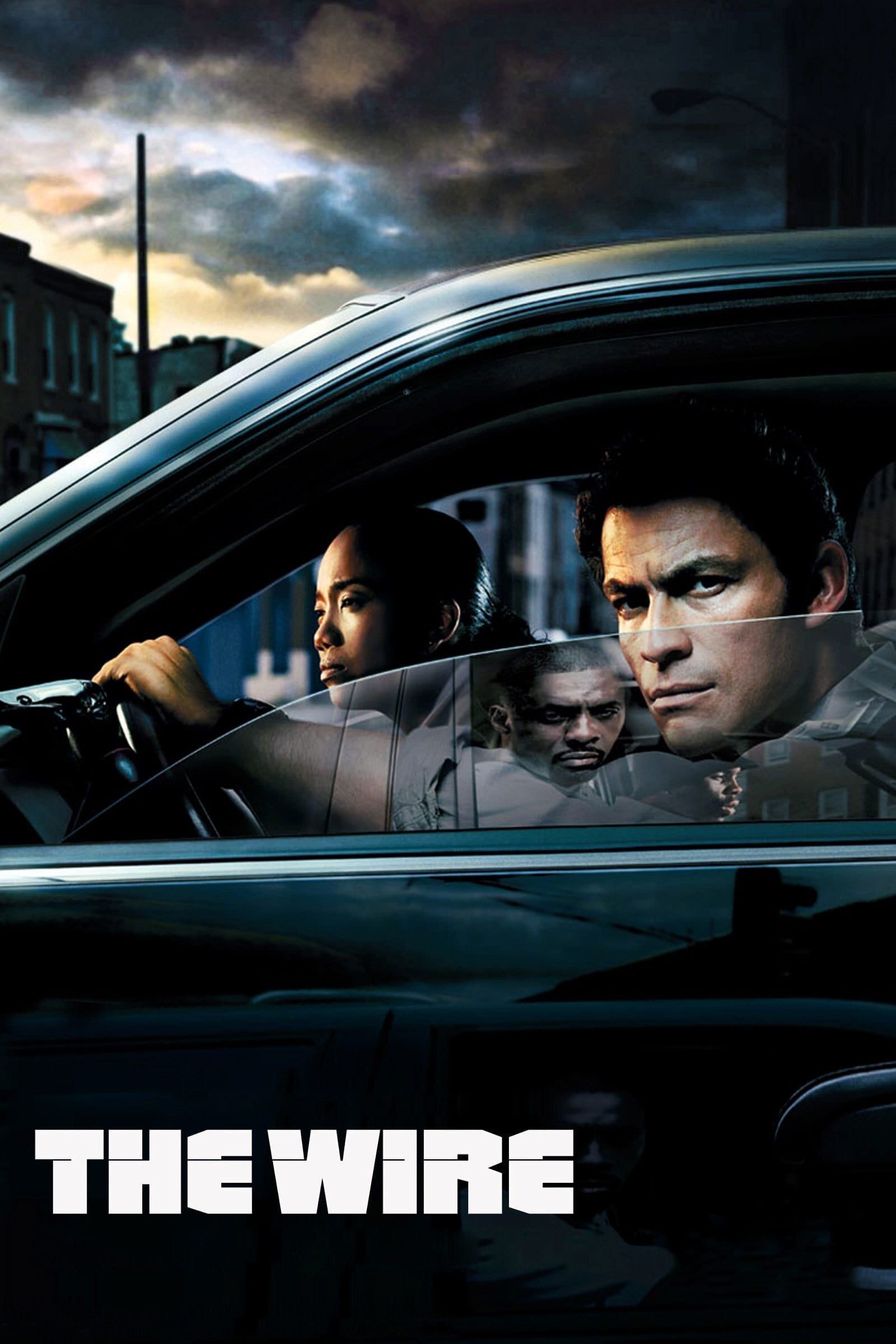
The Wire2002
Both understand that solving crime is often just listening harder than the criminal expects. Waters works confessions; The Wire shows you the long build before anyone sits down to talk. Same truth, different timescale.
Sprawling crime drama that devotes entire episodes to surveillance, wiretaps, and conversation. Season two's port investigation is particularly interrogation-focused—watching cops decode human behavior through patient listening.
But Five seasons, sixty episodes. Demands commitment, and early seasons move glacially. Requires active note-taking to track dozens of characters.
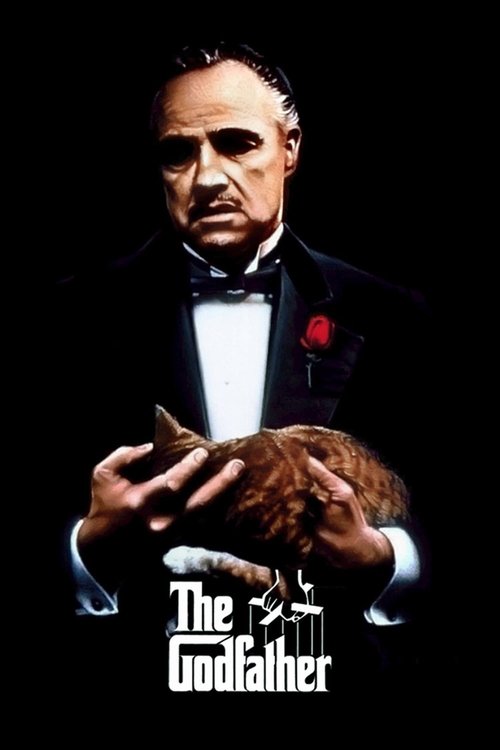
The Godfather1972
Like Waters, Vito wins through charm and intellect, reading people, understanding what they fear and want. The engine is identical; the context is entirely different—organized crime instead of homicide. Wildly different moral framework, same human skill.
Don Vito Corleone is an interrogator without interrogation—extracting concessions and loyalty through conversation, presence, and implicit threat. Every scene is negotiation. Pure psychological mastery.
But Three and a half hours. Slow deliberate pacing; if you need plot momentum, this will frustrate you. Classic status doesn't erase length.