
Film
The Murder of Gabby Petito: Truth, Lies and Social Media
A lean documentary about the Gabby Petito case that centers social media's role—both the curated life she presented and the true-crime obsession that followed. It's less about forensics than about how we consume tragedy online, and how the internet solved what authorities took weeks to find. For anyone trying to understand why this case became inescapable.
If you liked this
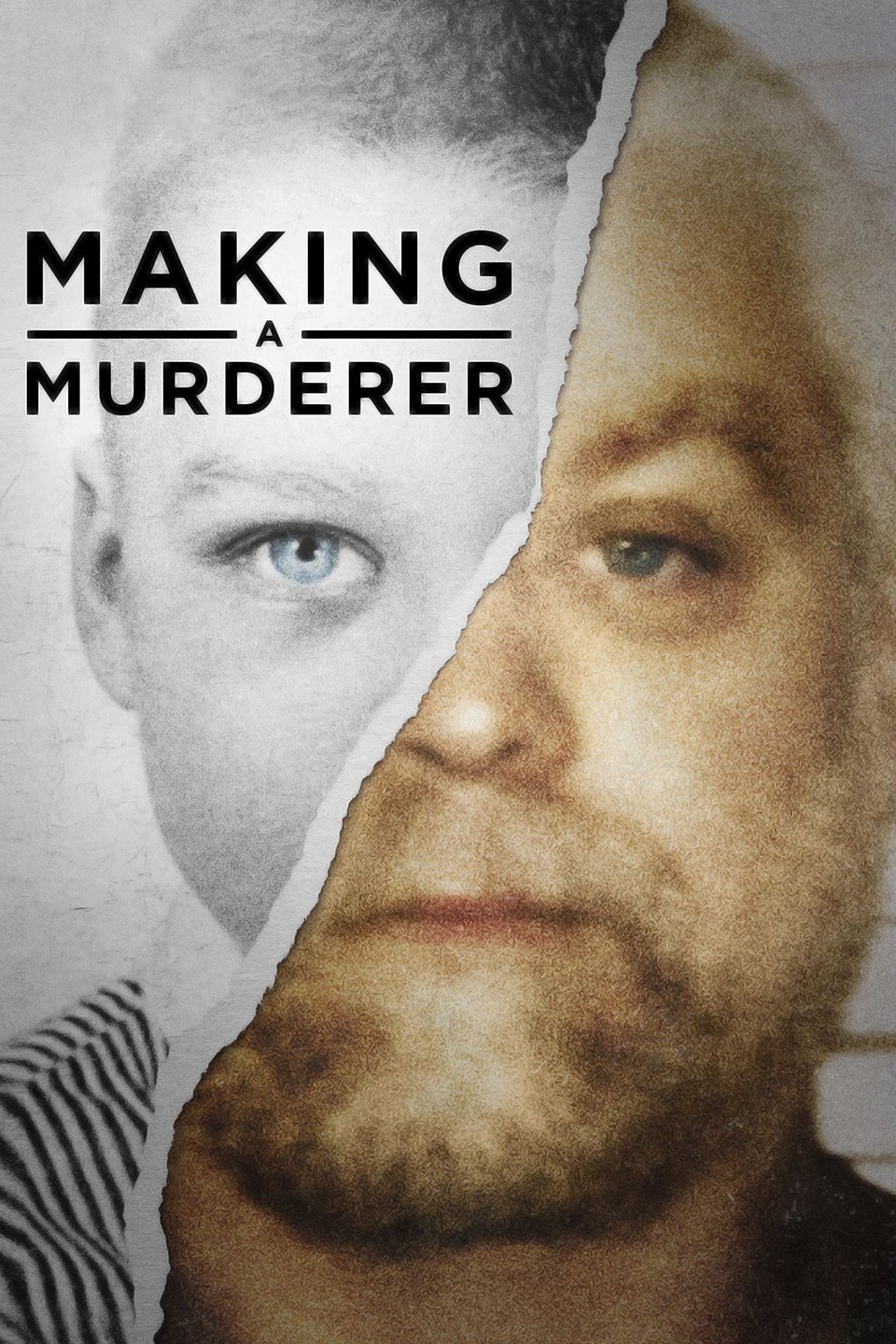
Making a Murderer2015
Pioneering true-crime series that asks whether conviction proves guilt. Follows a case from arrest through trial, letting doubt accumulate methodically. Essential viewing if you want to understand how documentaries reshaped true-crime discourse.
But Two seasons is a significant time commitment, and the editing sometimes feels designed to lead you toward a predetermined conclusion rather than let evidence speak.
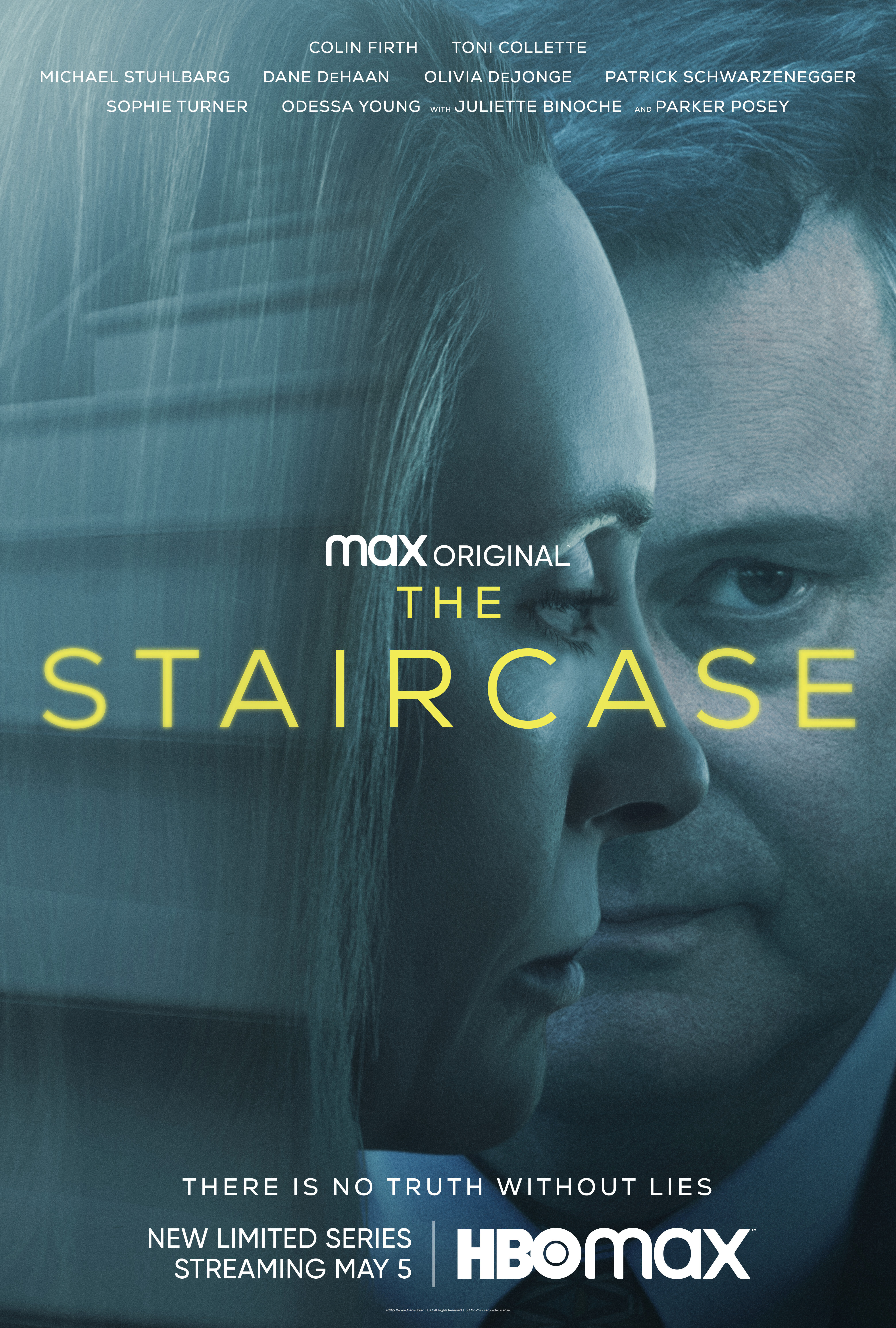
The Staircase2022
Meticulous HBO adaptation of a real murder trial, following the defense and prosecution with equal rigor. The cinematography alone justifies watching, but the ethical questions about documentary access linger after.
But Nearly 180 minutes across three episodes, and the case's outcome hinges on medical and architectural details that can feel abstract rather than gripping.
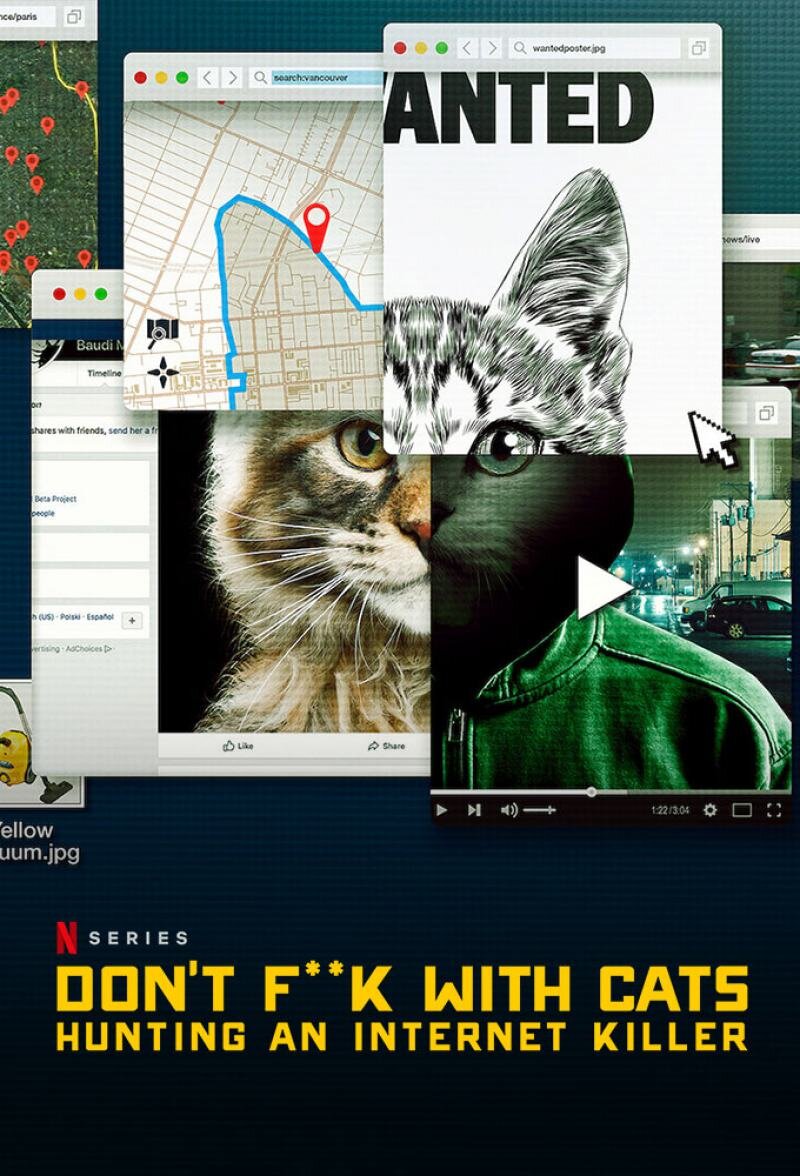
Don't F**k with Cats: Hunting an Internet Killer2019
Shows amateur internet detectives doing actual detective work, for better and worse. Compelling because it captures the specific mania of crowdsourced investigation and what happens when the mob gets it right.
But Also shows what happens when the mob gets it wrong, and the series doesn't always reckon with the harm that causes.
Not sure tonight? Get a pick in a minute, starting from The Murder of Gabby Petito: Truth, Lies and Social Media
The wildcard
Something you would not have found on your own.
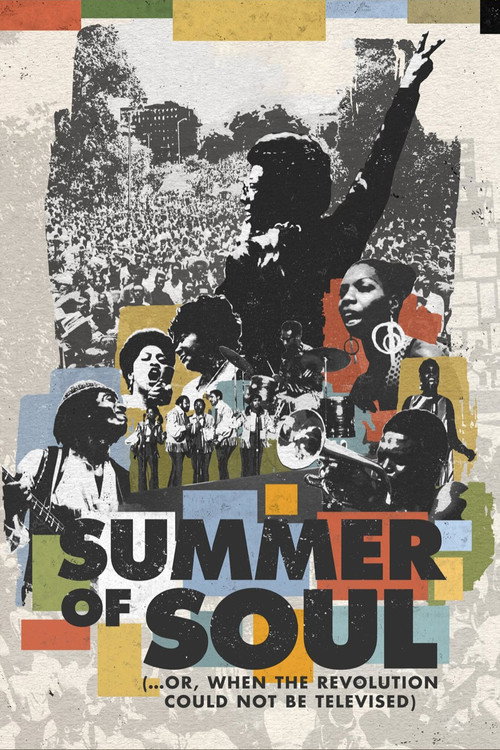
Summer of Soul (...Or, When the Revolution Could Not Be Televised)2021
Both examine how people construct narrative through available images and footage. Both ask: whose version of the story do we see, and what does that mean?
Documentary about a 1969 Black music festival, told primarily through archival footage and eyewitness testimony. Shows how social media before social media worked—how footage of an event shapes what we remember of it. A meditation on curated memory.
But It's about music history and social activism, not crime. If you came for investigation, this redirects toward celebration, which feels like a tonal shift.
More like this (6)
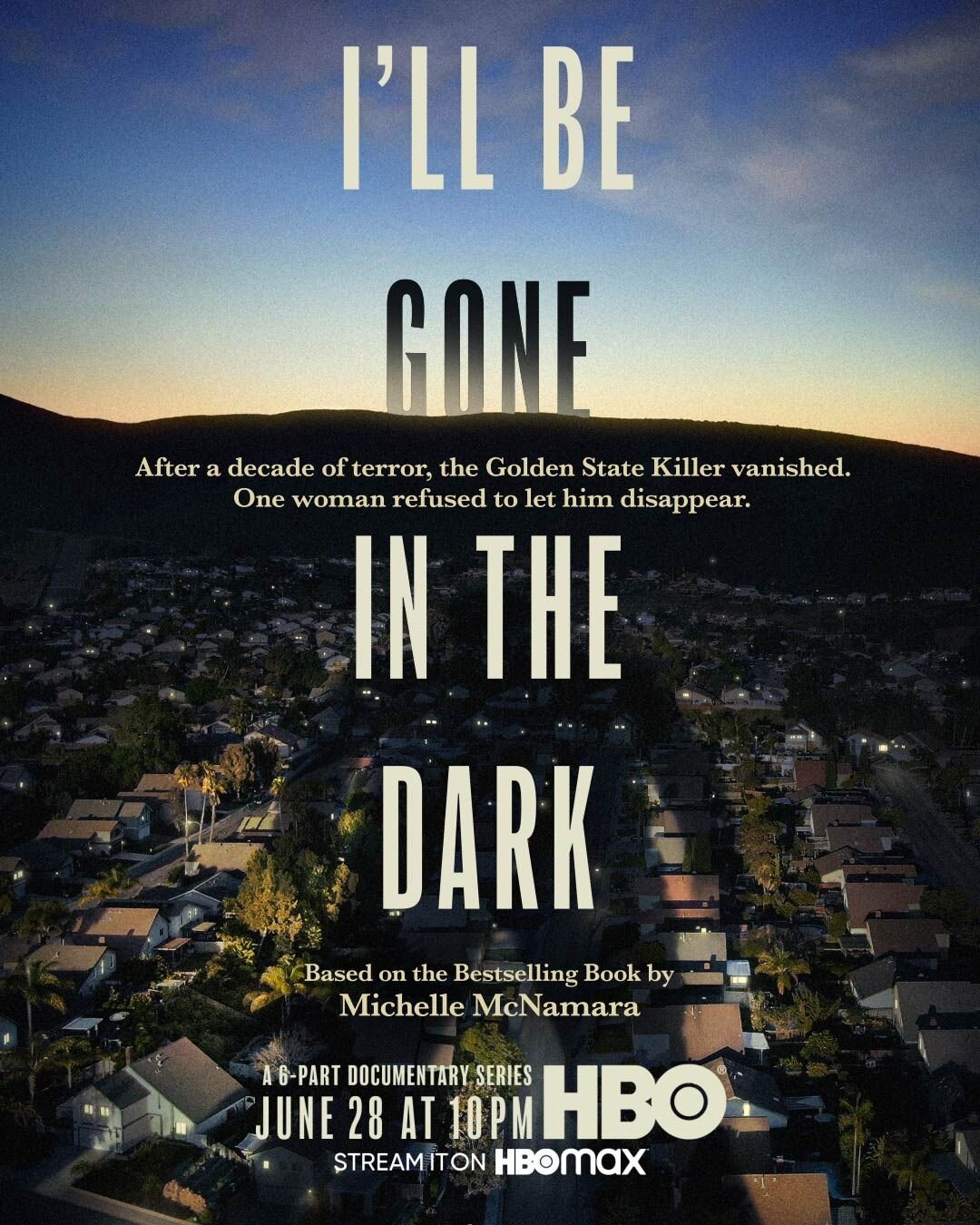
I'll Be Gone in the Dark2020
Documents the hunt for the Golden State Killer through Michelle McNamara's obsession and crowdsourced investigation. A story about persistence, but also about the cost of obsession on those closest to you.
But Shifts between McNamara's story and the case itself in ways that sometimes feel unresolved, and one thread concludes off-camera.
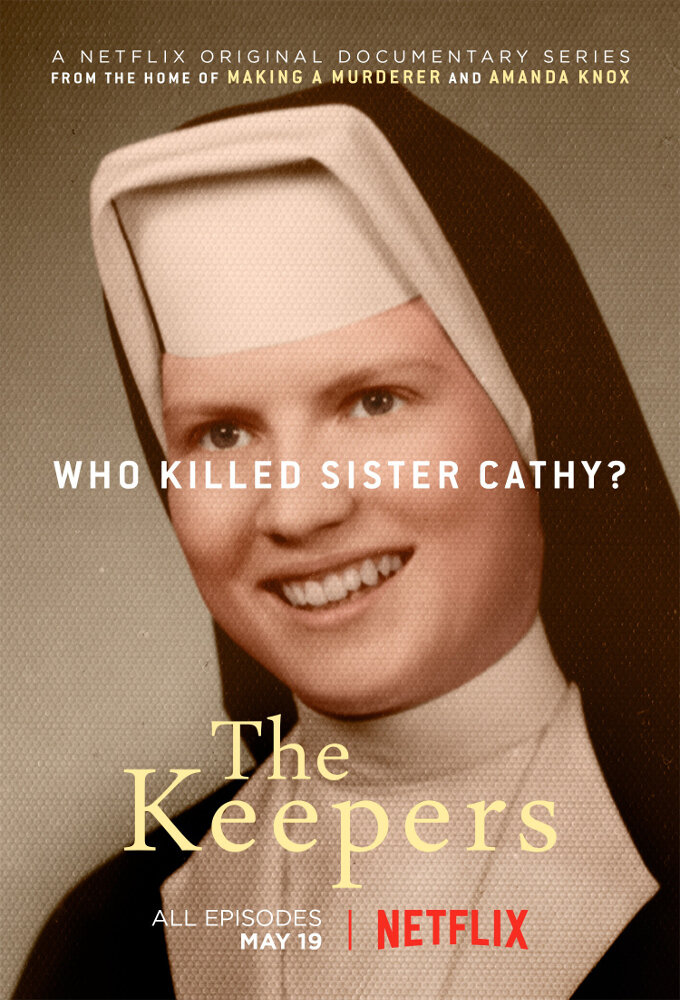
The Keepers2017
A case where crowd interest helped unearth institutional abuse previously buried. Shows how public pressure can sometimes accomplish what official channels won't.
But The primary murder remains unsolved, and the documentary doesn't offer neat answers—it trades narrative satisfaction for historical honesty.
Oxygen2018
Follows amateur detectives solving a cold case using archived DNA evidence and online resources. Shows how modern tools—and obsession—can crack decades-old mysteries.
But The case is less famous than the ones above, so less immediate narrative momentum, and the resolution feels more technical than emotional.
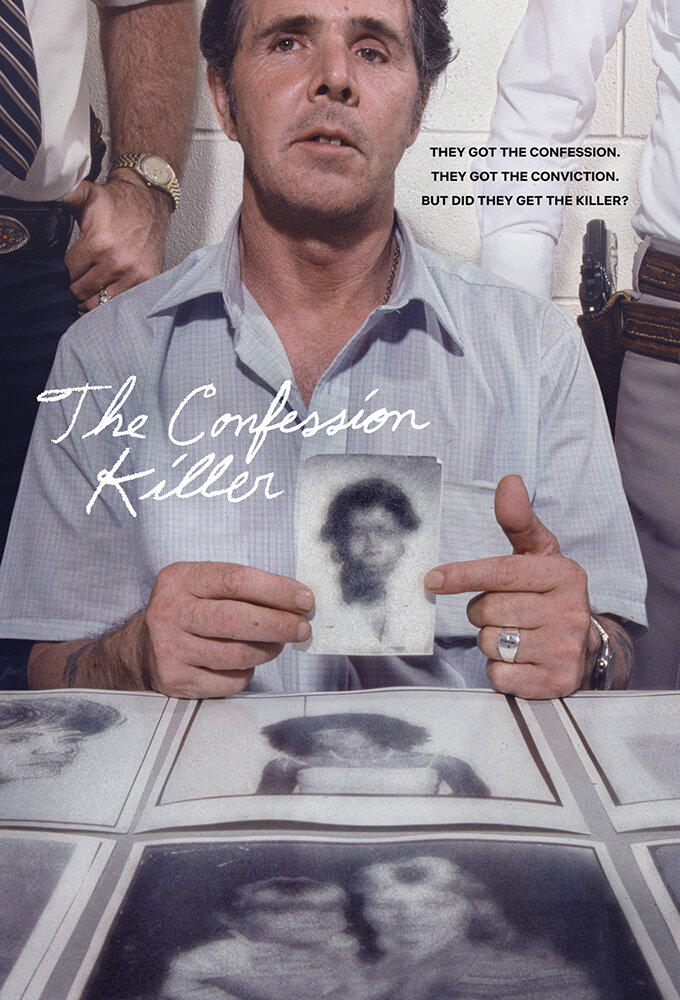
The Confession Killer2019
Explores a man convicted on confessions alone, without physical evidence. A meditation on false confessions, coercion, and why the innocent sometimes say they're guilty.
But Raises more questions than it settles, and the pacing occasionally feels slack compared to more tightly constructed true-crime narratives.
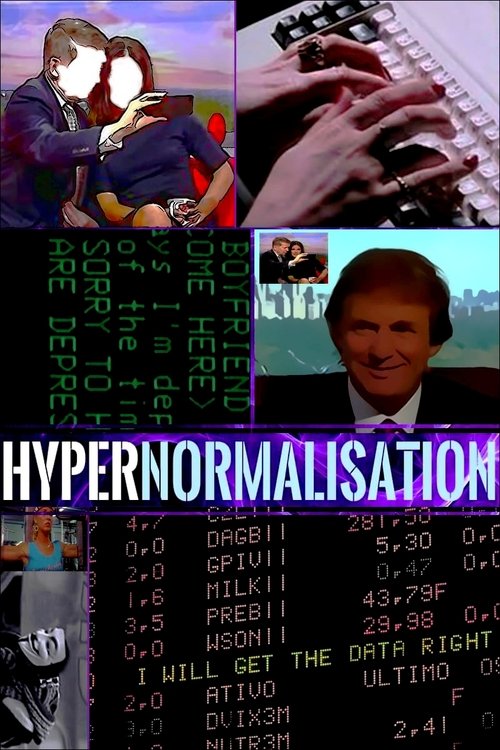
HyperNormalisation2016
Gabby Petito's case became inescapable through algorithms that reward engagement. This documentary explains the infrastructure that made that obsession inevitable.
Adam Curtis's essay about how social media and modern politics trained us to accept chaos as normal. Not a case study but a framework for understanding why the internet responds to tragedy the way it does.
But Unconventionally structured, uses archival footage in sometimes bewildering juxtapositions, and requires active attention rather than passive consumption.
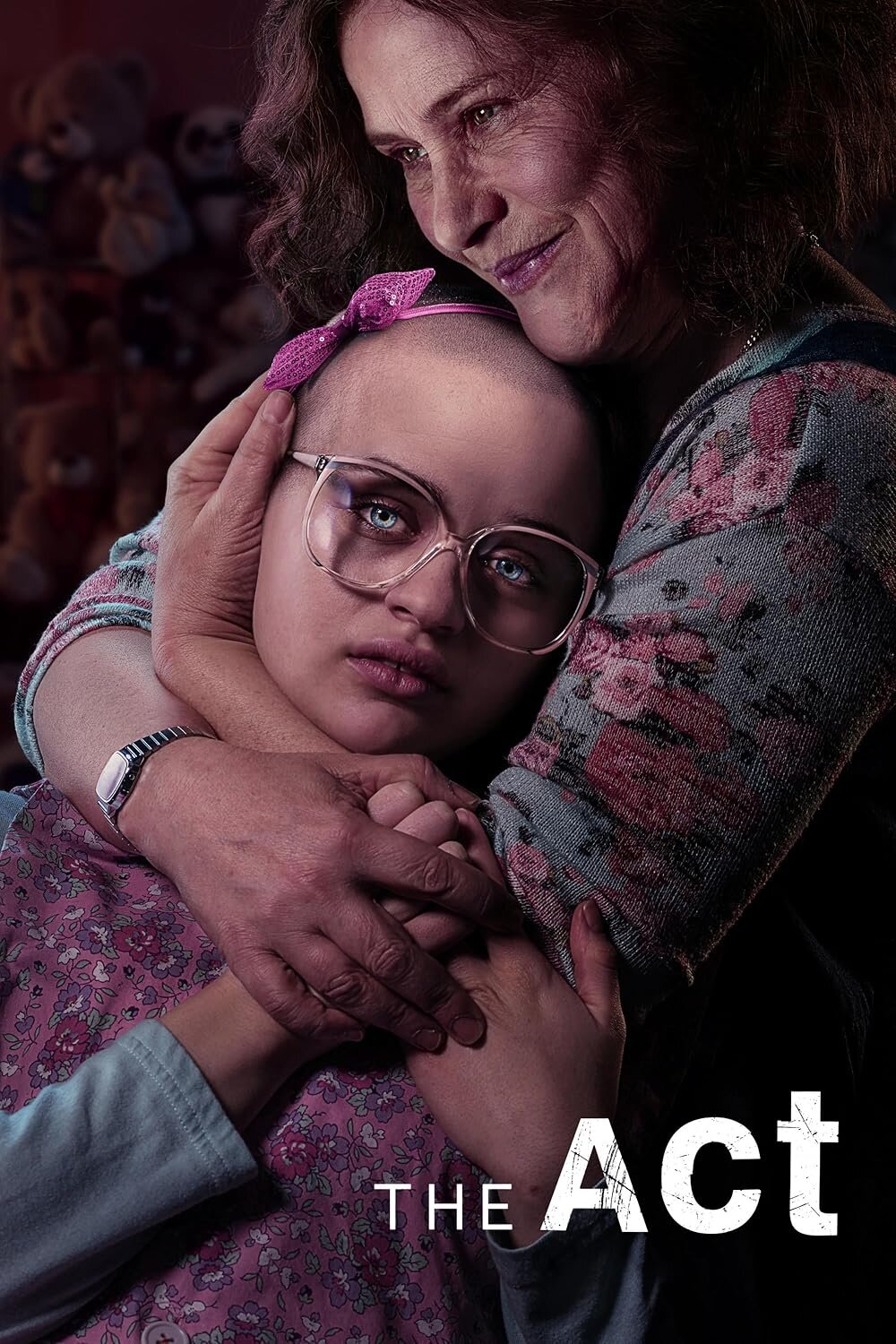
The Act2019
Both grapple with the curated self—how people construct false versions of their lives online and offline. Both ask what we really know about the people in the footage.
A dramatized true-crime series about Gypsy Rose Blanchard that centers perspective shifts—we watch the same events through different eyes and realize how wrong we were. Teaches how unreliable even firsthand accounts can be.
But It's a drama, not a documentary, and viewers sometimes find the sympathetic portrayal of a perpetrator troubling. The subject matter includes extensive medical abuse.
People
Cast
- Joshua BarbourSelf - Host
- Gabby PetitoSelf - Murder Victim (archive footage)
- Brian LaundrieSelf - Gabby's Fiancé (archive Footage)
- Nichole SchmidtSelf - Gabby's Mother
- Jim SchmidtSelf - Gabby's Stepfather
- Joe PetitoSelf - Gabby's Father
- Tara PetitoSelf - Gabby's Stepmother
- Angie AngersSelf - Reporter, Bay 9 News Florida
- Patricia McKnightSelf - Reporter, Sarasota Herald Tribune
- Ali StagnittaSelf - Reporter, Hollywood Life
- Bevan HurleySelf - Foreign Correspondent, The Independent
- Brent ShavnoreSelf - Social Media Sleuth
Directing
- Neil RawlesDirector
- Oliver PriceDirector