
Television series
America's Most Wanted
- Police procedural
- Crime thriller
- Dip in and out
America's Most Wanted profiles active fugitives and unsolved cases with dramatic recreations and appeals for viewer tips. It's urgent, procedural television that treats crime as a collaborative hunt between law enforcement and living rooms. For anyone fascinated by how real investigations work and genuinely moved by the chance to help catch someone dangerous.
If you liked this
Unsolved Mysteries2020
Robert Stack's narration and eerie recreations of genuinely baffling cases—UFOs, disappearances, crimes—create an addictive blend of mystery and dread. The structure mirrors AMW but casts wider, catching paranormal intrigue alongside criminal ones.
But The production values are decidedly low-rent, and many cases remain so thoroughly unsolved that closure never comes. Some segments veer into the absurd.
Cold Case Files1999
This uses the same investigative framework—old cases, new evidence, dramatic reconstruction—but leans harder into procedural satisfaction. Paul Holes' methodical approach shows how detectives actually solve things, not just hunt them.
But It's less about audience participation and more about forensic science, so the immediacy of 'help us find them' is gone. Slower pacing.
Caught2018
Follows the aftermath of a murder's resolution rather than the hunt itself, exploring how law enforcement closure feels on the ground. Still urgent and crime-focused, but from a different angle that deepens the stakes.
But Only one season and nine episodes, so relatively brief. Depends heavily on one specific case, which may or may not grip you.
Not sure tonight? Get a pick in a minute, starting from America's Most Wanted
The wildcard
Something you would not have found on your own.
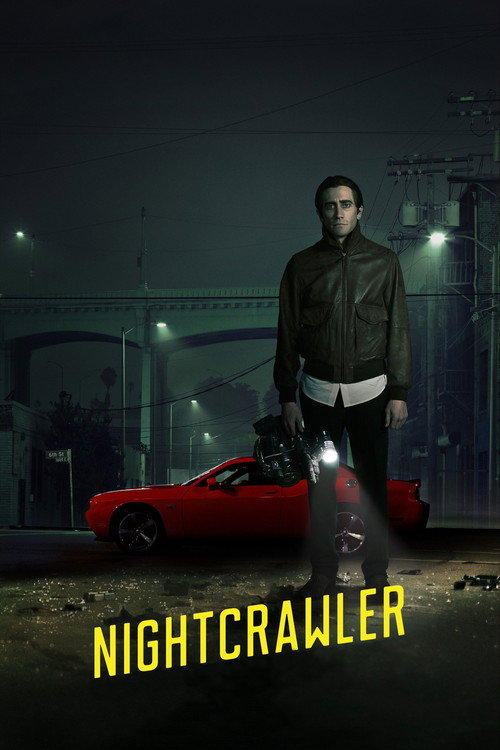
Nightcrawler2014
Both traffic in real crime and the public's need to witness it, but Nightcrawler asks what that hunger costs us and who profits from it. AMW wanted you to help; this asks what you're really watching for.
Jake Gyllenhaal plays Lou, an amateur videographer who films Los Angeles crimes and sells footage to local news. It's a dark mirror of AMW's premise—the obsession with crime, the audience hunger for it, the moral cost of feeding that appetite.
But It's a bleak character study, not a procedural. Lou is not a hero, and the film offers no satisfaction of justice served. Genuinely unsettling in ways that feel mean-spirited.
More like this (6)
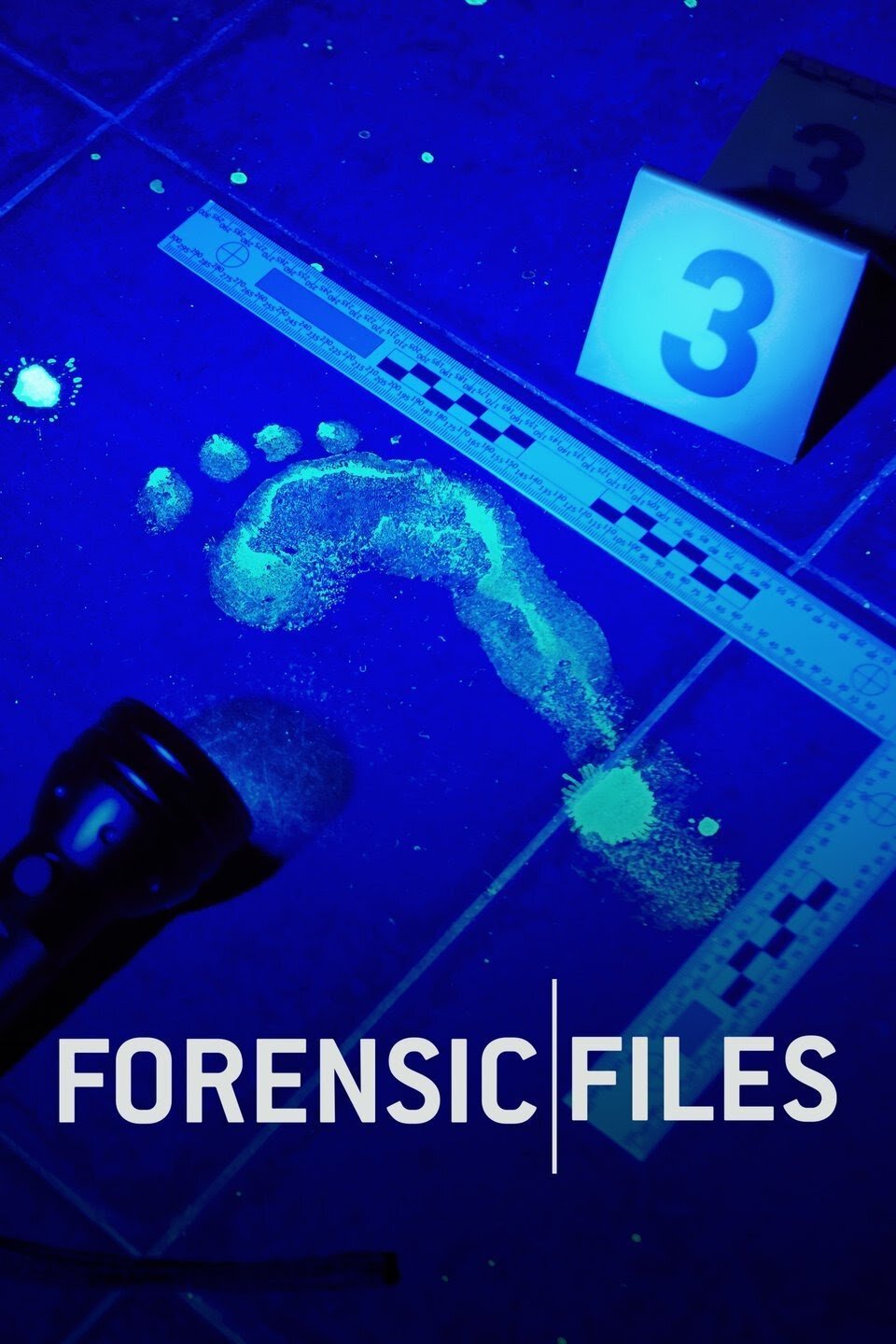
Forensic Files1996
Each episode cracks a case you didn't know about, using actual evidence and forensic breakthroughs. Peter Thomas's narration and tight storytelling make 45 minutes feel like a complete investigation, solved and satisfying.
But It's almost always about the science, rarely about the hunt for fugitives. If you want the 'help us find them' element, this trades it for 'here's how we proved it.'
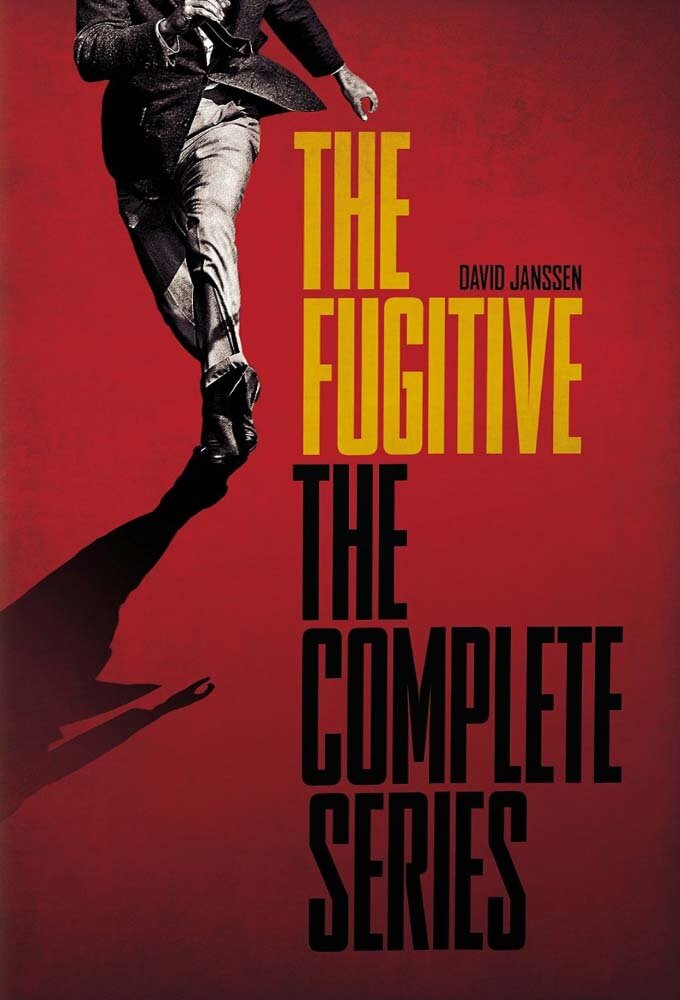
The Fugitive1963
This proto-procedural aired 120 episodes of David Janssen running from the law while secretly investigating the one-armed man. It has AMW's DNA—chase, desperation, the American landscape as hunting ground—but wrapped in genuine character.
But It's slow by modern standards and deliberately episodic in a way that can feel repetitive. Black-and-white and 1960s pacing require patience.
48 Hours1988
Debut season aired the same year as AMW's; focuses on crime investigations with fuller, more narrative-driven storytelling. You get to know the detectives and victims beyond the case itself, creating genuine human stakes.
But It's less about the hunt for a living fugitive and more about reconstruction after arrest. Much slower, much longer per case. More like reading a book.
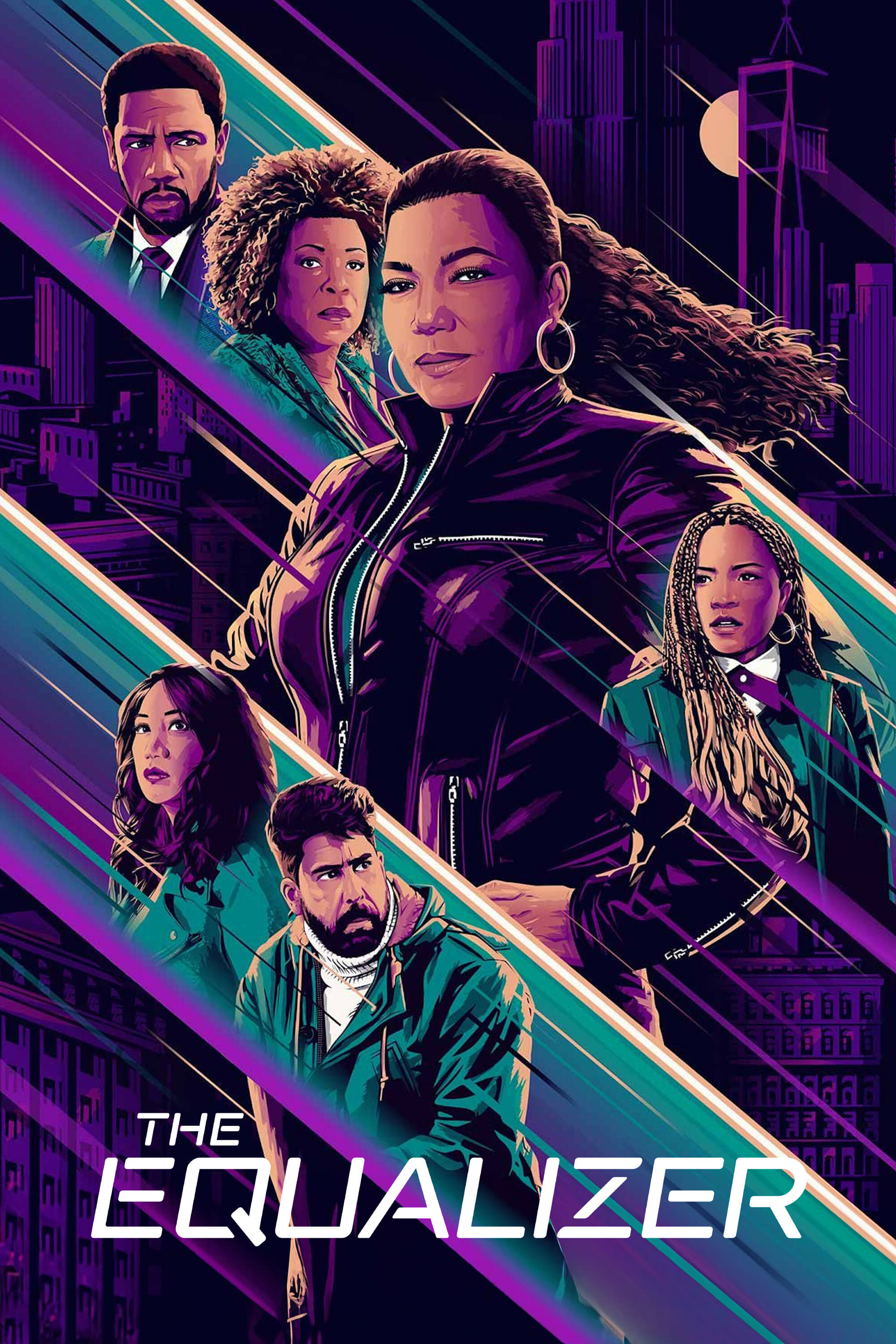
The Equalizer2021
Not a documentary—it's a procedural where Edward Woodward's vigilante takes on cases of ordinary people wronged by the system. It has AMW's spirit of righting wrongs and tracking down bad actors, just fictionalized with style.
But It's entirely fiction, so zero investigative satisfaction. If you watched AMW for the reality of it, this transforms that into conventional drama that happens to hit similar notes.
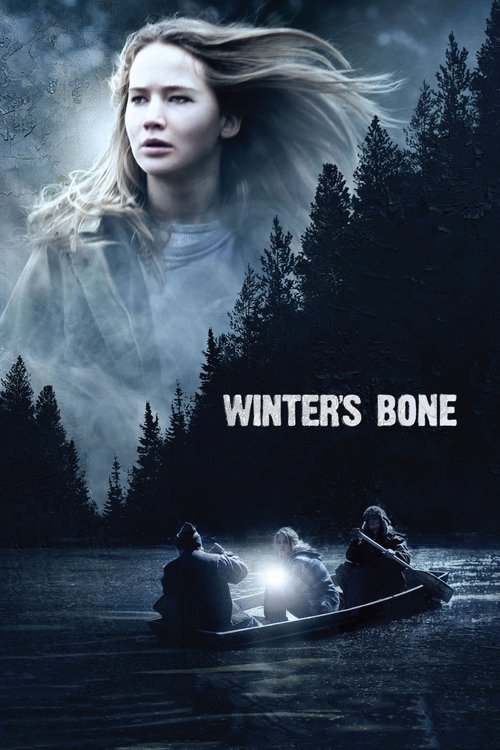
Winter's Bone2010
Both are hunts through criminal America, but this one trades the urgency of capture for the dread of stumbling toward a truth no one wants found. Same engine, different temperature.
Jennifer Lawrence hunts for her missing father in the Ozark meth underworld, literally investigating across a criminal landscape the way AMW viewers investigate on their couches. It's quiet, desperate, and built entirely on following leads into danger.
But Extremely slow and visually grey. There's no triumphant capture, and the resolution is ambiguous and cold. It's a meditation on rural poverty and survival, not a thriller.
The Act of Killing2012
Both use dramatic recreation to confront crime, but where AMW asks 'help us find them,' this asks 'what if we asked them to show us what they did?' It's AMW's method pointed at perpetrators instead of society, forcing a reckoning with the impulse itself.
Indonesian death squad leaders reenact the crimes they committed in 1965, gradually confronting what they've done. It's a documentary, but it's structured like AMW in reverse—these men are recreating violence instead of being hunted by it, and watching them break down is extraordinary.
But Deeply disturbing footage of violence and its psychological aftermath. Three hours long. The men are never punished on screen, and the film's moral position is deliberately ambiguous, which enrages some viewers.

People
Cast
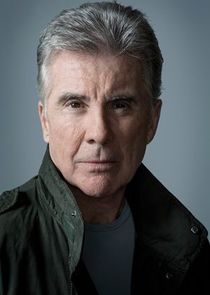 John WalshHost
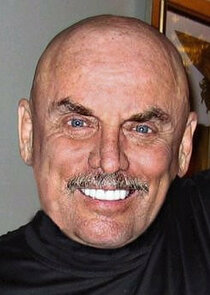 Don LaFontaineNarrator
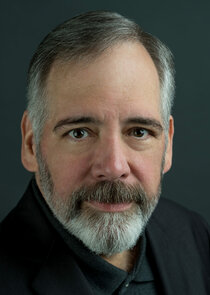 Wes JohnsonNarrator
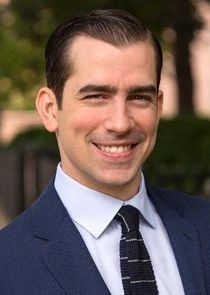 Callahan WalshCo-Host
- Ron DavidNarrator
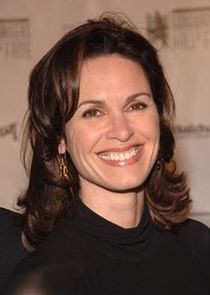 Elizabeth VargasHost
Production
- John FerracaneExecutive Producer
- John WalshExecutive Producer
- Mark KadinProducer