
Television series
Snapped
Snapped profiles women accused of murder across two decades of standalone episodes. Each 60-minute case examines motive, method, and the moments that led ordinary people—teachers, nurses, socialites—to kill. It's tabloid-smart without being exploitative, genuinely curious about psychology over sensationalism. For true crime fans who want specificity without serialized exhaustion.
Should you watch it?
Watch it if you like true crime built around case files and the question of why an ordinary-seeming woman turned violent, and you don't mind the same format repeated across hundreds of hours.
Skip it if you want scripted drama or stories full of surprises, since every episode is a real case laid out in a familiar template, with narration doing most of the work.
What it asks of you: Hour-long episodes with a steady, sober pace; you can dip in and out, though the stories gather more weight if you watch several in a row.
Not sure? Find tonight's pick in a minute.
If you liked this
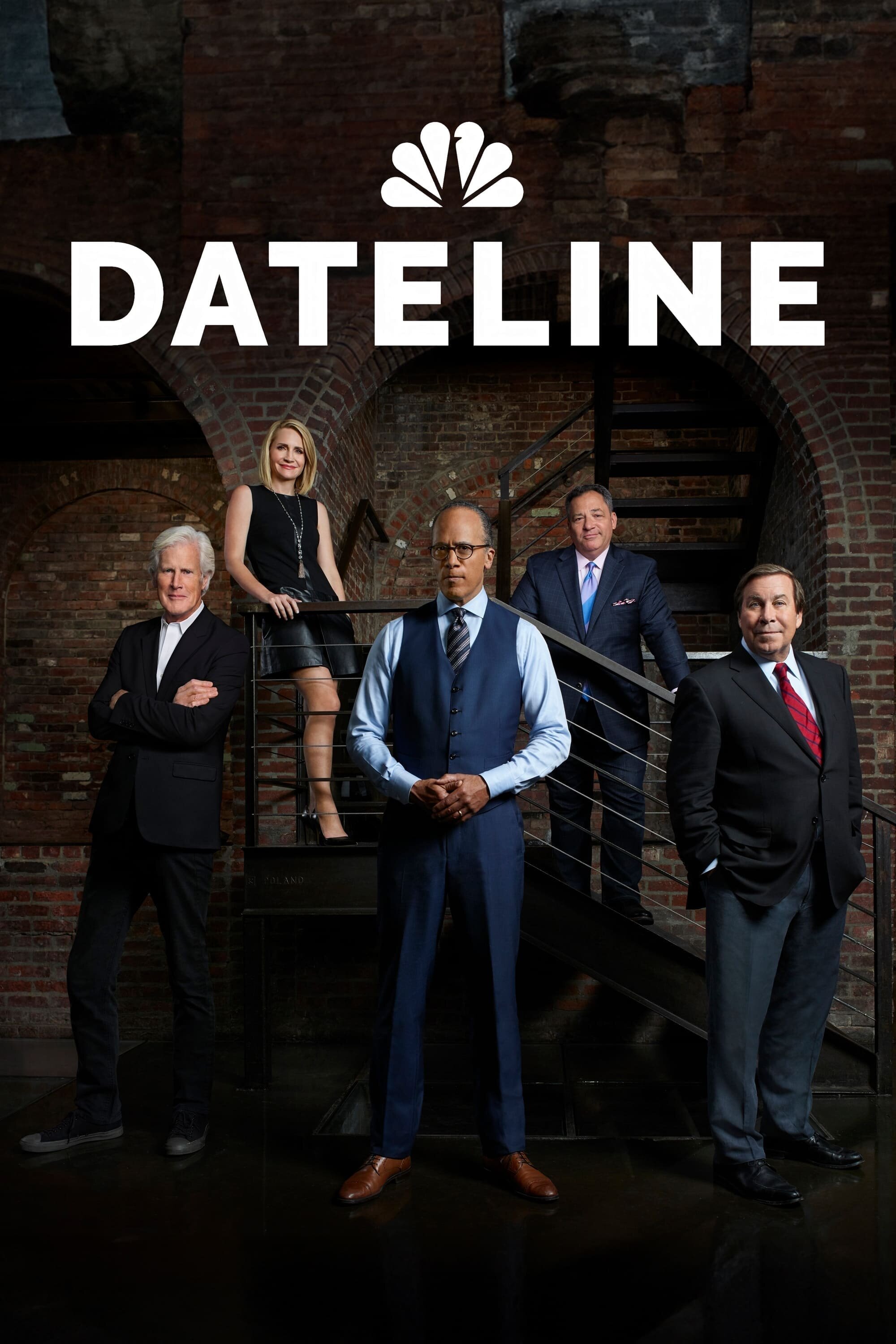
Dateline NBC2012
The gold standard of American true crime television. Deep reporting, multiple perspectives on each case, and a grainy-footage aesthetic that became the genre's visual language. Dateline does what Snapped does but slower and richer.
But At two hours per episode, commitment fatigue sets in. Some stories meander before reaching their point, and the production values feel dated even when the cases are recent.
The Devil in the White City
Miniseries adaptation of Erik Larson's book about H.H. Holmes, a serial killer operating during the 1893 Chicago World's Fair. Prestige production values, genuine historical texture, and a killer who's genuinely unsettling—far more novelistic than Snapped's case-by-case format.
But Slow-burn storytelling. If you want quick resolution and clear answers, this luxuriates in ambiguity and period detail in ways that may feel indulgent.
48 Hours1988
CBS's long-running series reconstructs mysteries with real interviews, court footage, and follow-ups. More journalistic than Snapped, less glossy, with a genuine commitment to uncovering what actually happened rather than confirming a neat narrative.
But Uneven. Some cases are remarkable; others feel padded to fill the hour. You'll encounter dead-end investigations that don't resolve satisfyingly.
Not sure tonight? Get a pick in a minute, starting from Snapped
The wildcard
Something you would not have found on your own.
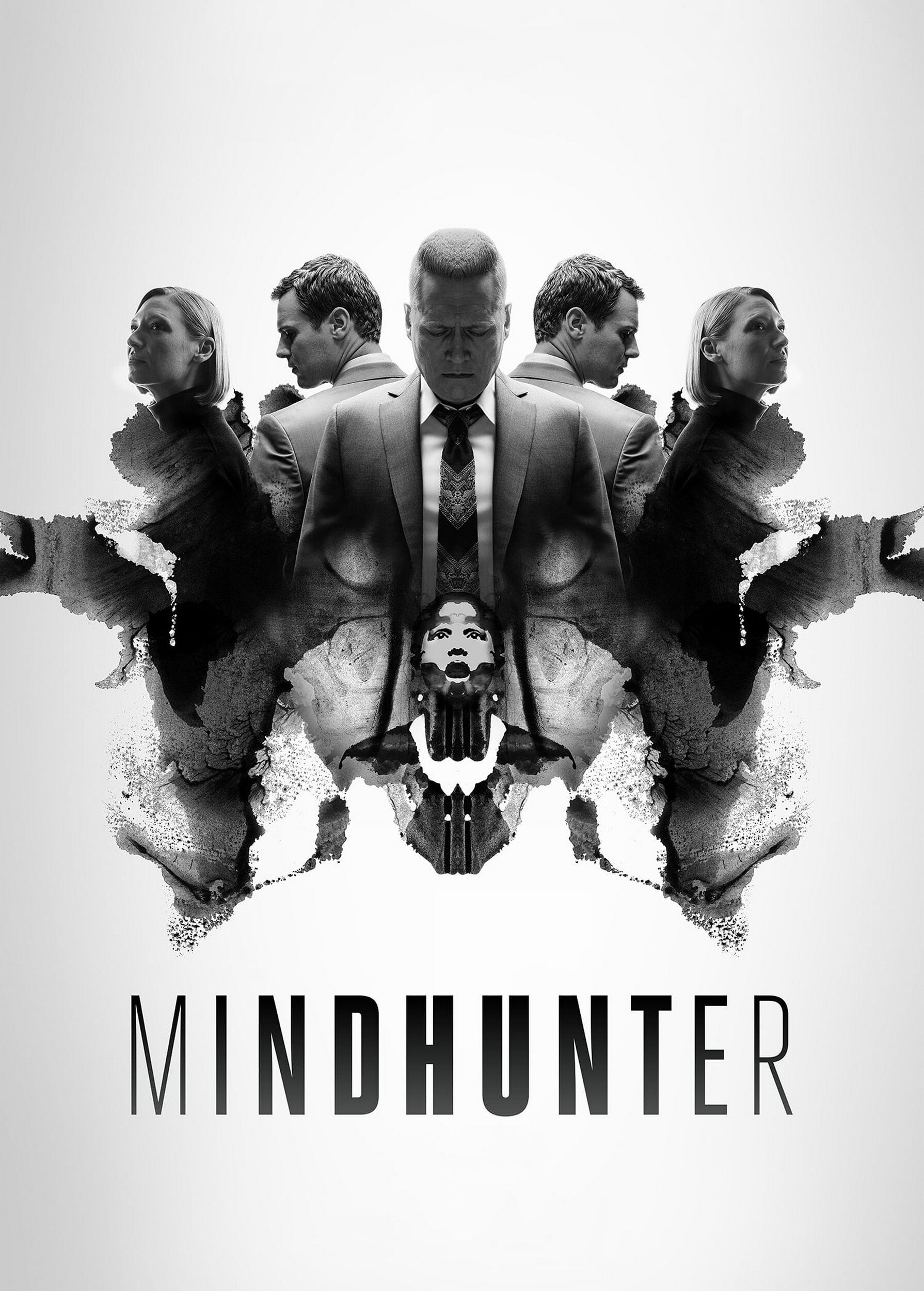
MINDHUNTER2017
Both examine the psychology of killers, but Mindhunter asks *how do you catch them?* while Snapped asks *why did they snap?* They're opposite ends of the same question.
David Fincher's series about the FBI agents who invented criminal profiling in the 1970s. Structurally inverts Snapped: instead of studying a crime after conviction, it follows investigators learning to think like the criminal before they're caught. Same psychological curiosity, completely different angle. Criminology as intellectual history rather than tabloid narrative.
But Methodical to the point of static. Fincher's signature style means long scenes of men talking in rooms. If you watch true crime for plot momentum, this will feel glacial.
More like this (4)
Evil Genius: The True Story of America's Most Diabolical Bank Heist2018
Four-part miniseries about the 2003 Pennsylvania bank robbery where a man robbed a bank with a bomb around his neck. Bizarre, meticulously constructed, and genuinely unsettling. Snapped in miniature form but with obsessive detail and real mystery.
But Darker tone than Snapped. This isn't puzzle-solving; it's genuinely disturbing. If you watch true crime for the intellectual exercise, this leans harder into dread.
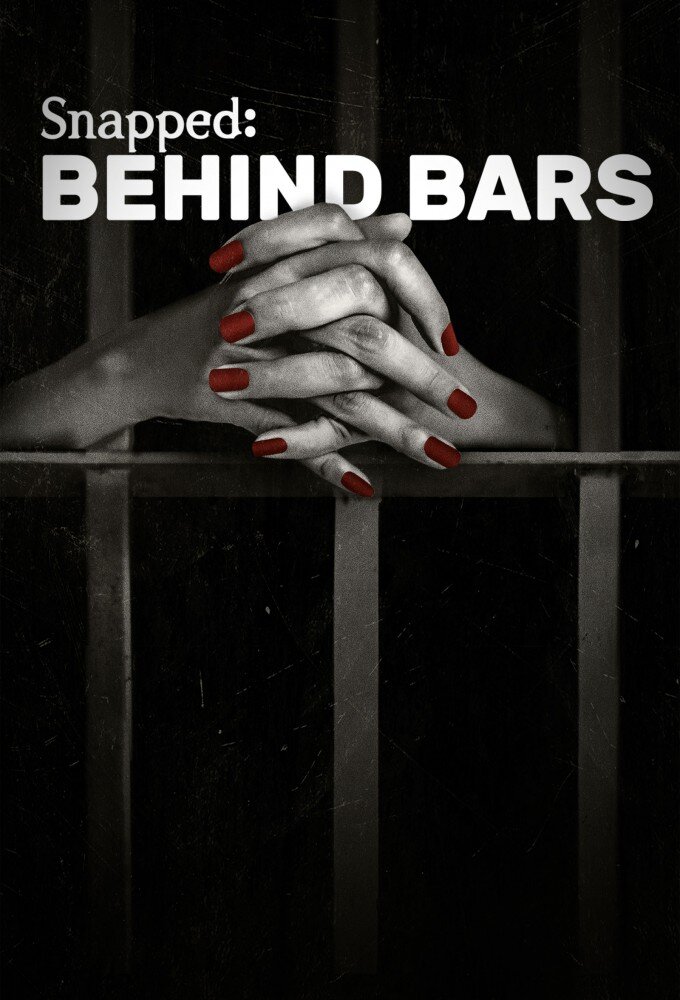
Snapped: Behind Bars2021
Spin-off following women after conviction, exploring prison life and appeals. Shifts focus from whodunit to what-now. Less about the crime itself, more about aftermath and whether justice actually occurred.
But Necessarily repetitive—most don't escape conviction. Without the mystery element, momentum depends entirely on whether you're invested in the individual's story.
The Fall2013
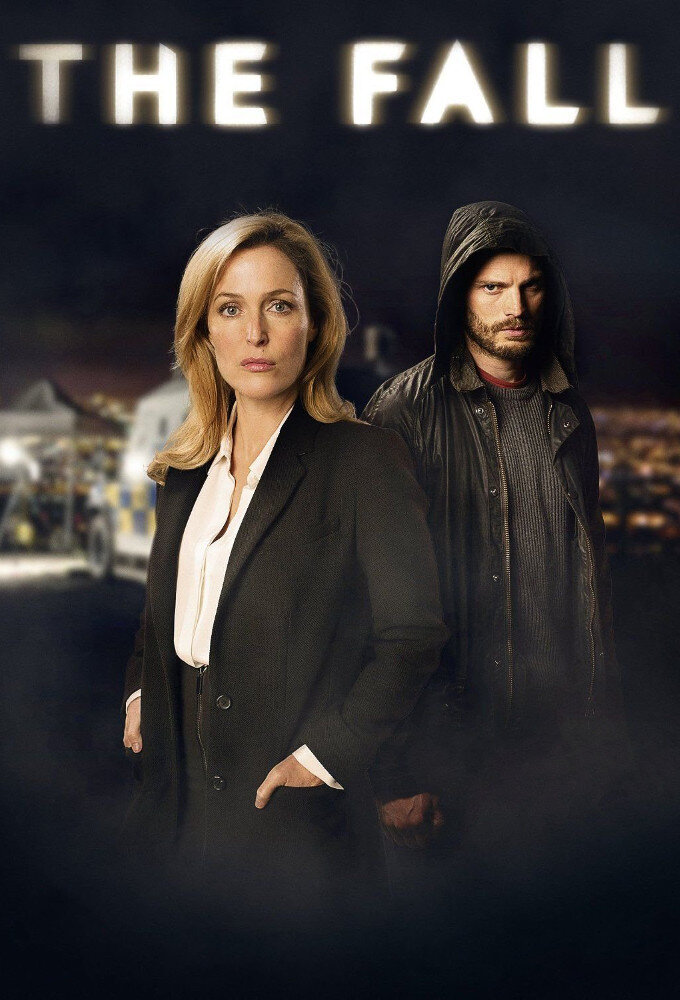
Snapped shows crime after the fact through investigation and interview. The Fall shows crime in real time, killer and cop circling each other. Same fascination with psychology; opposite narrative momentum.
British-Irish psychological thriller about a serial killer in Belfast and the detective obsessed with catching him. Six episodes, intensely written, with Stella Gibson as one of television's great characters. It's structured like a cat-and-mouse game rather than a case recap, and the tension never breaks.
But Bleak and sexual violence is depicted graphically. Not exploitative, but unflinching in ways that make Snapped's clinical distance feel sanitized by comparison. Not background viewing.
Shirley2020
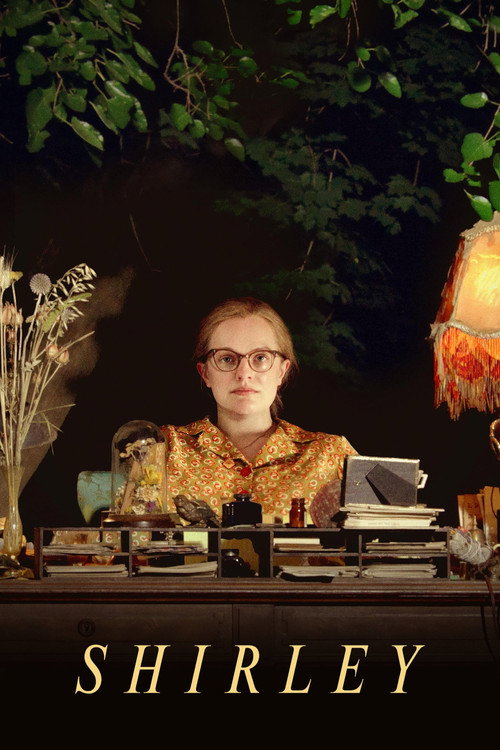
Snapped studies actual killers; Shirley studies the writer fascinated by imagined violence. Both are about women and the darker human impulses, but one is documentary and one is fever dream. Watching both reveals how documentary *chooses* what to show.
Elisabeth Moss as Shirley Jackson, the horror writer, during a period when she's writing *Hangsaman*. Fever-dream filmmaking about a woman obsessed with darkness and violence. Not a biopic but a fictional haunting. It captures the mind of someone fascinated by human cruelty in ways Snapped can never reach.
But Deliberately opaque and sometimes pretentious. If you want clarity and narrative drive, this will feel deliberately obscure. It's about internal states, not external events.
People
Cast
 Sharon MartinNarrator
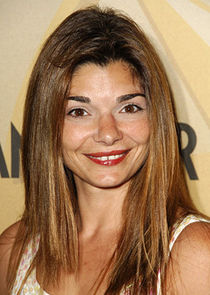 Laura San GiacomoNarrator
 Ronnie FarerNarrator
Production
- Amy Introcaso-DavisExecutive Producer
- Deborah DawkinsExecutive Producer
- Geoffrey ProudExecutive Producer
- Kimberly ChesslerExecutive Producer
- Stephen LandExecutive Producer
- Zak WeisfeldExecutive Producer