
Television series
Murder in the Heartland
- Crime
- Investigative journalism
- Very dark
- Dip in and out
Murder in the Heartland reconstructs brutal crimes through the eyes of small-town witnesses who lived through them. Each hour focuses on a different case, building the full picture from community voices—neighbours, friends, investigators. It's less sensational crime procedural than intimate true-crime tapestry, where ordinary people piece together how violence came to their doorstep.
Should you watch it?
Watch it if you like true crime told through the people who lived next to it, with slow-building interviews about small-town unease rather than forensic gadgetry or procedural speed.
Skip it if you want tight plotting or a single case followed from start to finish, since each hour hops between towns instead of settling into one investigation.
What it asks of you: Settle in for about an hour per episode across a very long run, with unhurried interviews and a heavy, sombre weight that rarely lifts.
Not sure? Find tonight's pick in a minute.
If you liked this
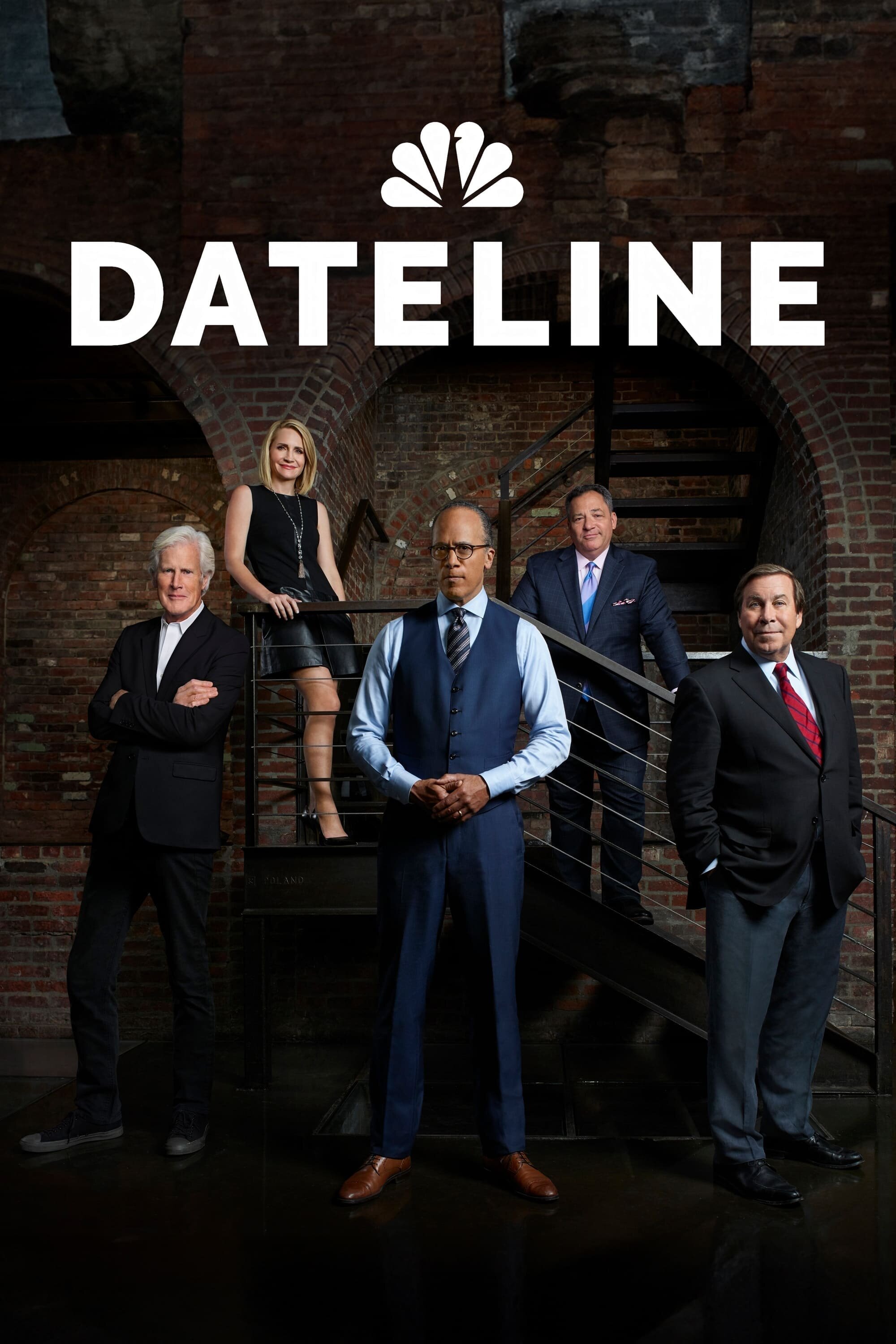
Dateline NBC2012
The gold standard of true-crime storytelling. Meticulous reconstruction, compelling interviews, genuine mystery-solving. Keith Morrison's narration wraps around real investigation like nothing else on television.
But At 45 minutes per episode, they can drag. The formula—teaser, backstory, twist, resolution—becomes predictable after you've watched twenty.
48 Hours1988
CBS's flagship true-crime series focuses on single cases with forensic detail and emotional depth. The interviews with victims' families and investigators feel unguarded, rarely sensational. You understand why these stories mattered.
But Some episodes are now decades old, and production values show it. The pacing can feel glacial if you're used to streaming-era editing.
In Cold Blood1967
Capote's adaptation remains the template all true-crime work follows. Methodical, unsentimental, focused on the killers' interior lives as much as the crime itself. It respects the audience's intelligence.
But Made in 1967, it's deliberately austere. No score, minimal dramatization. If you want narrative propulsion, this will feel slow.
Not sure tonight? Get a pick in a minute, starting from Murder in the Heartland
The wildcard
Something you would not have found on your own.
The Act of Killing2012
Both create community narratives around violence, but where Murder in the Heartland lets witnesses testify to truth, The Act of Killing watches killers perform their own justifications. Same form, inverted moral weight.
Joshua Oppenheimer's Indonesian documentary inverts the form entirely: perpetrators of mass murder reenact their crimes for the camera. Surreal, haunting, philosophically devastating. True crime meets avant-garde cinema. Changes how you think about confession and complicity.
But The reenactments are graphic and surreal in unsettling ways. Some view the film as giving monsters a platform. It requires emotional stamina and moral complexity most viewers don't anticipate.

More like this (8)
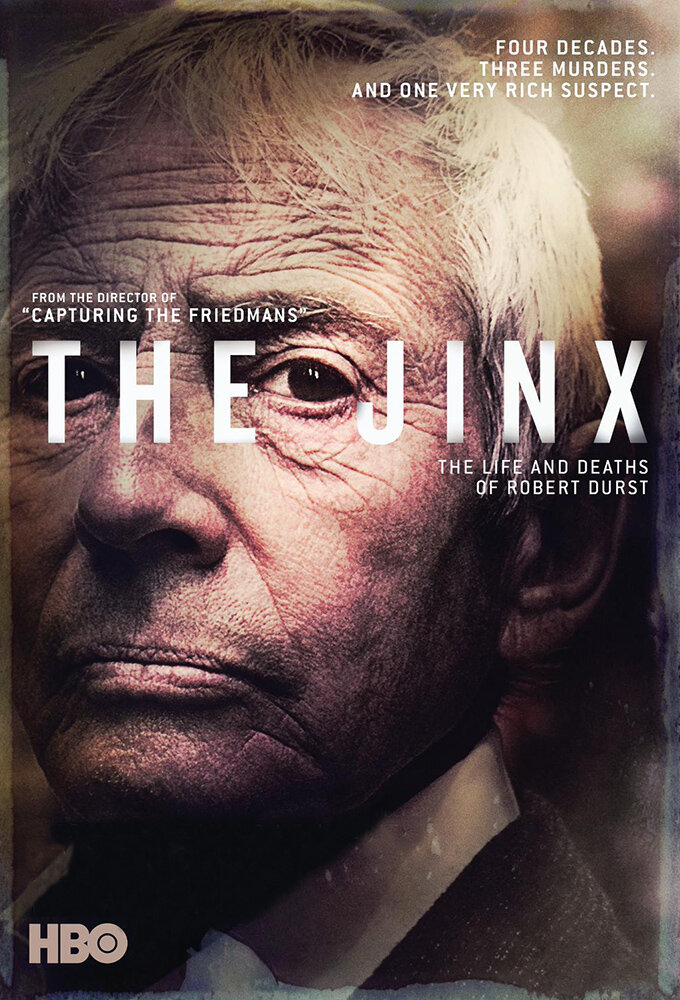
The Jinx: The Life and Deaths of Robert Durst2015
Six-part HBO series that lets a suspected killer essentially confess on camera. Brilliantly constructed to build suspicion methodically. Andrew Jarecki's direction is surgical—every cut, every pause lands.
But It's a portrait of wealth protecting monstrosity. The access granted to Durst means you spend hours inside his head. Morally queasy in ways that linger.
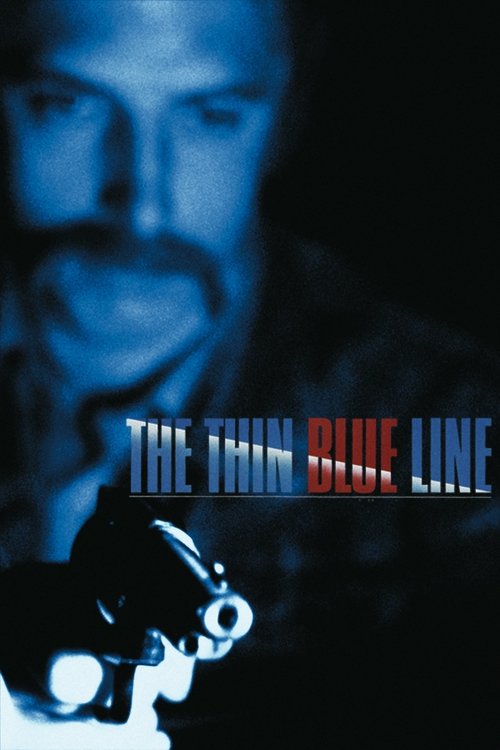
The Thin Blue Line1988
Errol Morris's documentary proved a man was wrongly convicted and got him released. Hypnotic use of reenactment and animation, paired with obsessive investigation. Changed what documentary could accomplish.
But The formal experimentation—the repetitive sequences, the stylization—can feel precious if you just want answers. Some find it more interested in its own technique than the man in prison.
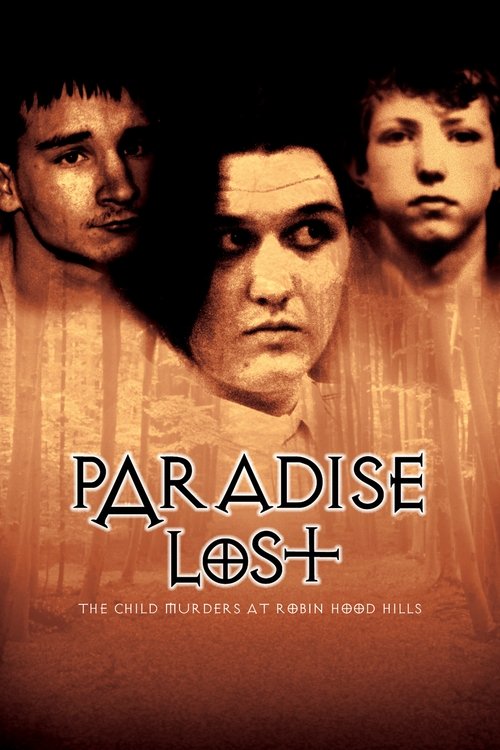
Paradise Lost: The Child Murders at Robin Hood Hills1996
Three-part HBO series about a murder conviction that feels fundamentally wrong. Joe Berlinger and Bruce Sinofsky withhold judgment, letting evidence and community bias speak. Essential viewing about how justice fails.
But The first film is nearly two hours. Watching injustice unfold in real time is deliberately uncomfortable. You finish angry.
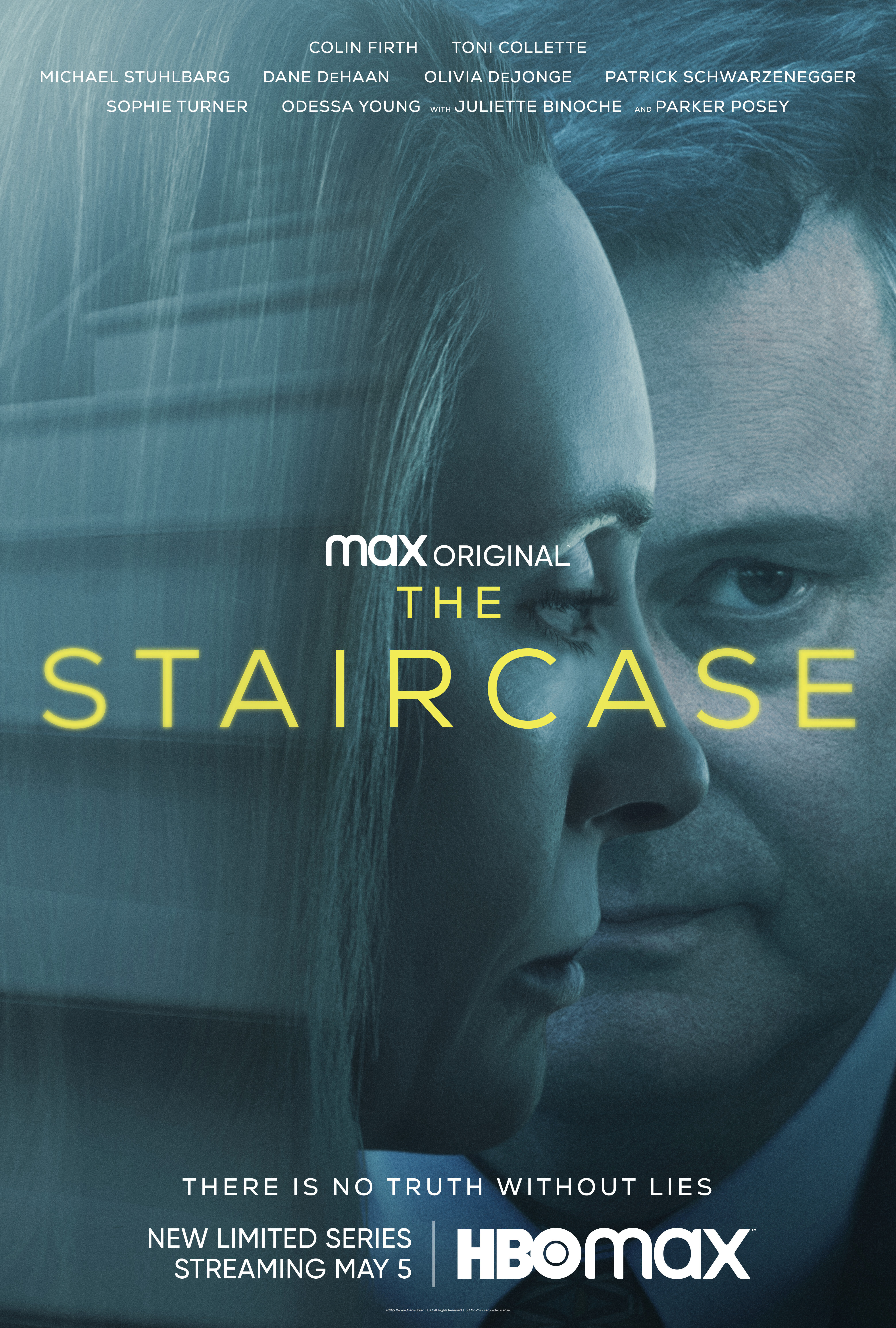
The Staircase2022
HBO's twelve-part series reconstructs an ambiguous death and the trial that followed. Meticulous, maddening, genuinely unclear. The deeper you go, the less certain you become. Exceptional filmmaking.
But It's aggressively long and deliberately equivocal. If you want closure or clarity, this will frustrate you. The ambiguity is the point.
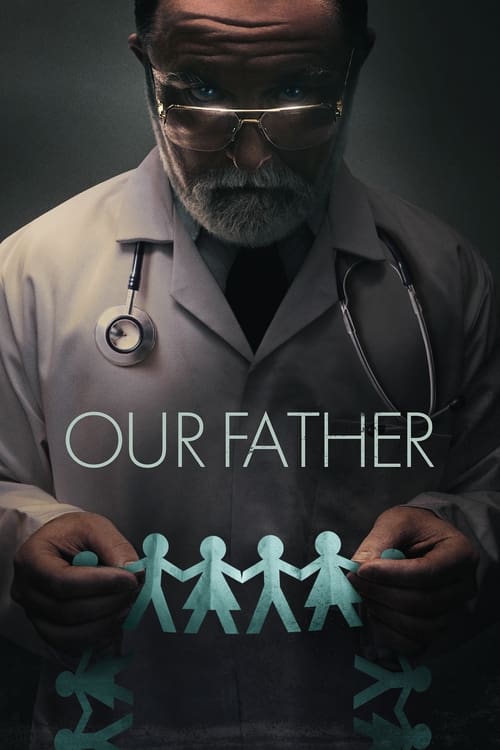
Our Father2022
Netflix documentary about a fertility doctor who secretly used his own sperm on patients. Propulsive investigation, mounting horror as the scale becomes clear. Lean, efficient storytelling that builds perfectly.
But The subject matter—reproductive violation—will disturb you. It's designed to. Some find the documentary's pace relentless to the point of exploitation.
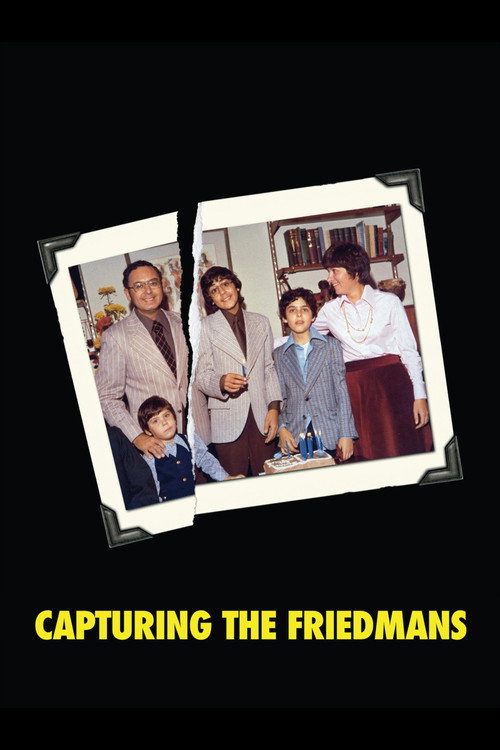
Capturing the Friedmans2003
Andrew Jarecki's film about a family destroyed by child-abuse allegations. Home video, interviews, investigation footage collide. You'll argue about what actually happened. Genuinely unsettling and morally complex.
But The family footage is difficult to watch. Some viewers feel the documentary's ambiguity unfairly suggests innocence when the allegations were grave.
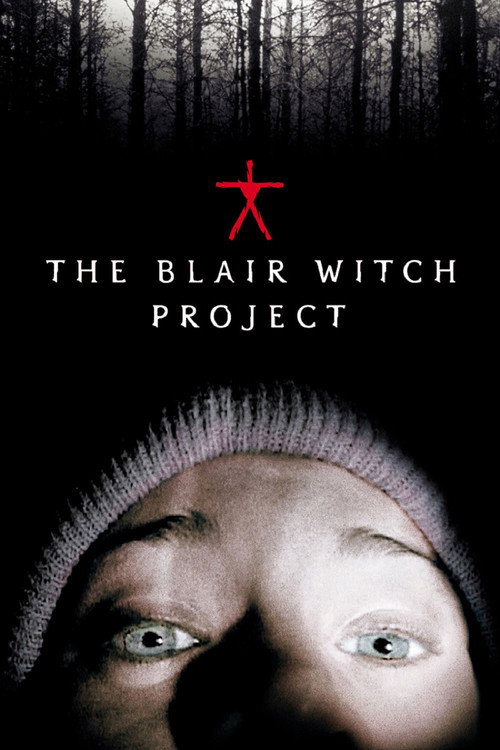
The Blair Witch Project1999
Both use accumulated witness testimony to approach an unsolvable mystery. But where Murder reconstructs, Blair Witch dissolves. Same investigative structure; opposite emotional resolution.
Found-footage horror that uses testimony and investigation format to build dread. Never shows the crime itself, just the psychological unraveling of people searching for answers. Low-budget brilliance that proved atmosphere beats budget.
But It's deliberately obscure—you never find out what happened. If you watch true crime for closure and answers, this will enrage you.
Memories of Murder2003
Like Murder in the Heartland, it's about how crimes wound communities, not just individuals. But Memories is a fictional drama that finds dark humor in futility; Murder is documentary testimony. Different genres, same anatomy of rupture.
Bong Joon-ho's Korean masterpiece follows detectives investigating a serial killer in a small town. Brilliantly funny, then devastating. Treats procedural investigation as moral and psychological drama. A film about how communities fracture under pressure.
But It's darkly comic in ways that won't land for everyone. The investigation leads nowhere satisfying. The film is long and ends ambiguously, which frustrates viewers wanting resolution.
