Television series
Swipe Right on the Devil
- Missing-person mystery
- Crime
- Very dark
A Hulu docuseries examining the 2017 disappearance of Sydney Loofe following a Tinder date. It weaves together investigation footage, interviews, and the unsettling psychological complexity of the case, exploring how online platforms can mask danger and how quickly trust erodes when a person vanishes. For true-crime viewers drawn to cases that disturb more than they satisfy.
Should you watch it?
Watch it if you want a true-crime documentary that treats strange details and shifting lies as a puzzle to be patiently assembled, and you can handle a case that stays unsettling long after the credits.
Skip it if you want a fast, playful thriller, since this is a real disappearance and its darkness rarely lets up across the three episodes.
What it asks of you: Three episodes make it a short sitting, but each one asks for steady attention, with dense detail and slow reveals rather than cliffhangers you can half-watch.
Not sure? Find tonight's pick in a minute.
If you liked this
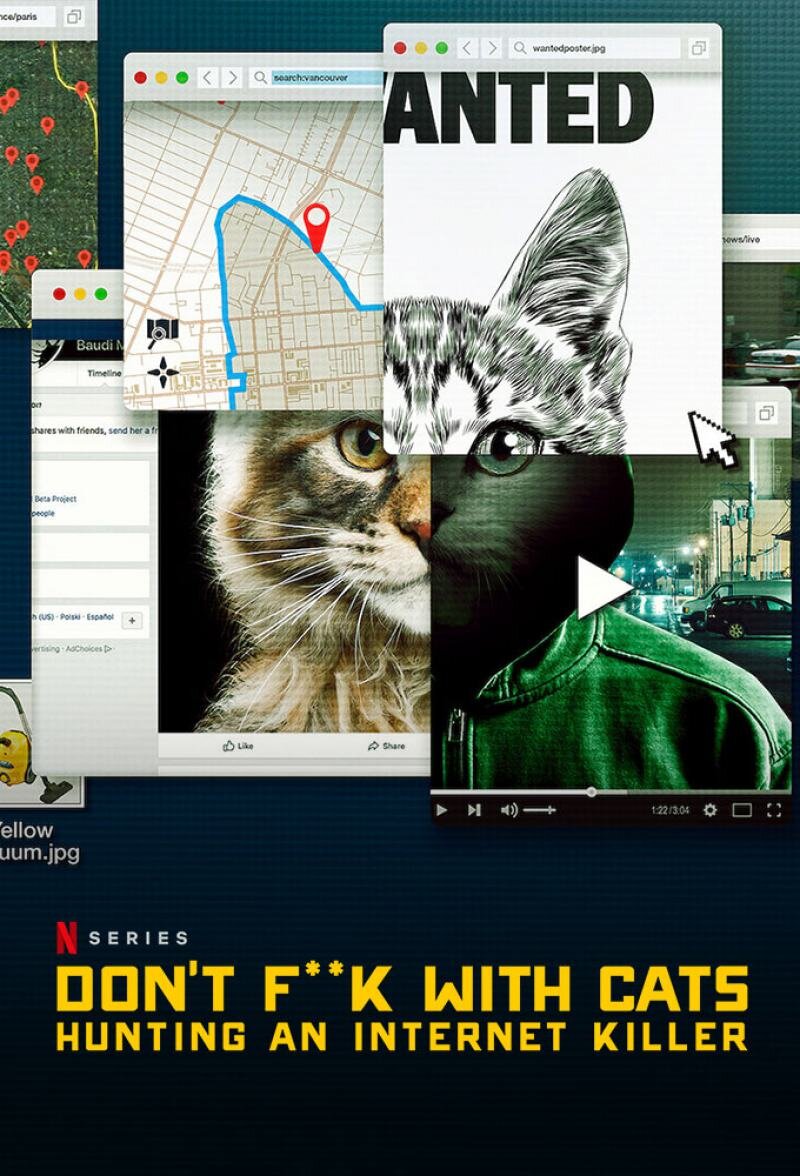
Don't F**k with Cats: Hunting an Internet Killer2019
Netflix's three-part series about crowdsourced investigation into an online killer feels urgently modern and genuinely unsettling. The internet's power to both hunt and enable becomes the real subject matter.
But The footage is genuinely graphic, and the series occasionally feels like it's co-opted the very vigilantism it critiques. Exhausting in ways that linger.
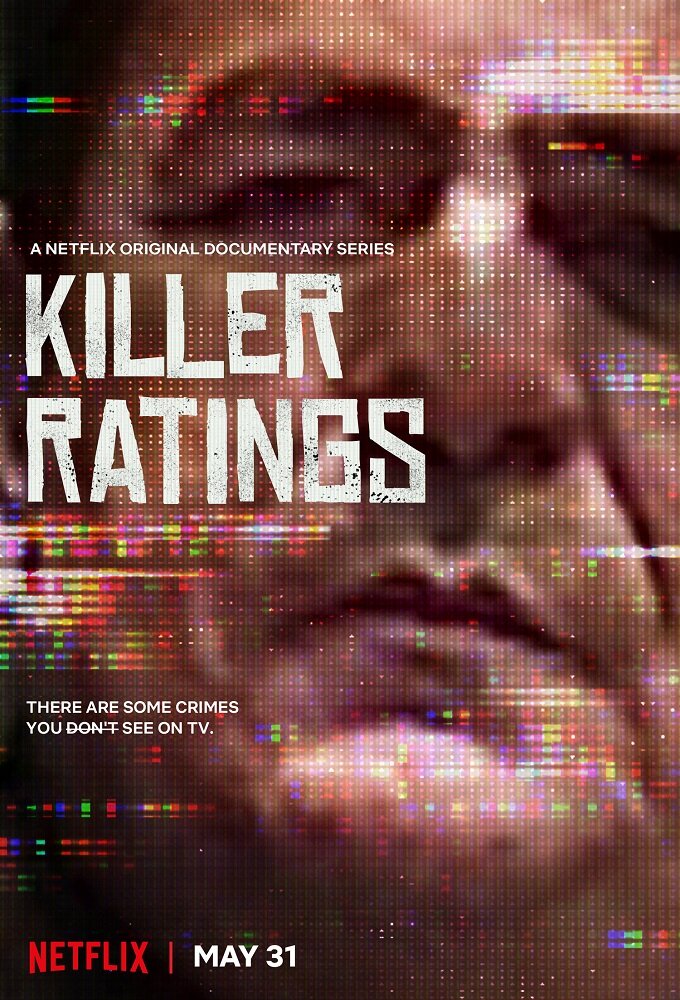
Killer Ratings2019
HBO's four-part investigation into a brutal crime livestreamed to thousands explores how technology transforms violence into spectacle. Methodical, horrifying, necessary.
But There's a bleakness here that doesn't relent. If you're looking for closure or justice, this won't provide it. Just questions about what we've become.
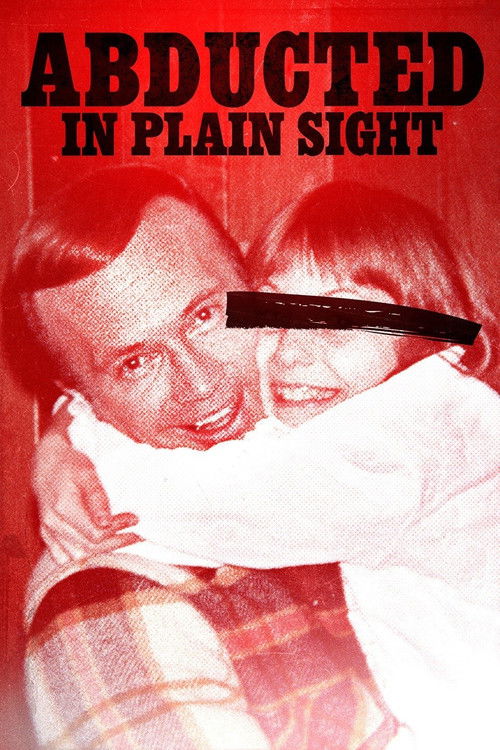
Abducted in Plain Sight2017
Netflix's gut-wrenching docuseries about B. Robert Berchtold's decades-long manipulation of a family is unbelievable precisely because it happened. The portrait of how grooming operates across years is chilling.
But The victim-blaming implications linger uncomfortably, and the series doesn't always interrogate its own framing. Some will find the narrative choices troubling.
Not sure tonight? Get a pick in a minute, starting from Swipe Right on the Devil
The wildcard
Something you would not have found on your own.
Memories of Murder2003
Both trace how investigation illuminates not just crime, but the systems and psychologies that enable it. Both resist easy answers about who we trust and why.
Bong Joon-ho's masterpiece uses a serial killer investigation to explore institutional failure, trauma, and the gap between knowing and proving. It's a crime film that's really about helplessness and corruption, shot with near-poetic precision.
But It's meditative rather than propulsive. The ending refuses catharsis entirely. If you need resolution, you won't find it—which is precisely the point, but it can feel incomplete.

More like this (7)
The Jinx: The Life and Deaths of Robert Durst2015
HBO's six-part investigation into a real estate heir suspected of multiple murders plays like a prestige thriller because it is one. The confession moment is genuinely unforgettable television.
But It privileges access to the subject in ways that feel ethically complex. You'll leave wondering if you've watched an investigation or been manipulated by one.
Conviction
Oxygen's series reopens the unsolved murder of a young woman, balancing procedural detail with the emotional weight of never knowing. Respectful to the victim while mining the psychological complexity of cold cases.
But It's deliberately paced and meditative. If you need constant momentum and answers, the restraint might feel glacial.
48 Hours1988
CBS's long-running anthology series about real crimes is reliably gripping: tightly edited, well-reported, and genuinely invested in the human dimensions of cases. Start anywhere; you'll keep watching.
But After a while, the formula calcifies. It's comfort viewing for true-crime fans, which means it can feel rote if you're watching critically.
The Staircase2022
HBO Max's eight-part miniseries about Michael Peterson is exhaustively reported and visually inventive, using split-screen and stylistic flourishes to track how narratives shift and collapse under scrutiny.
But Its sympathies toward the defendant trouble some viewers. If you're seeking moral clarity, this deliberately withholds it.
Murder Mountain2018
Oxygen's series examines disappearances in California's Emerald Triangle, treating the region's marginalized communities with dignity. The investigation unfolds naturally, respecting both the complexity and the grief.
But It's diffuse by design, following multiple threads that don't neatly converge. If you need singular narrative closure, the structure will frustrate you.
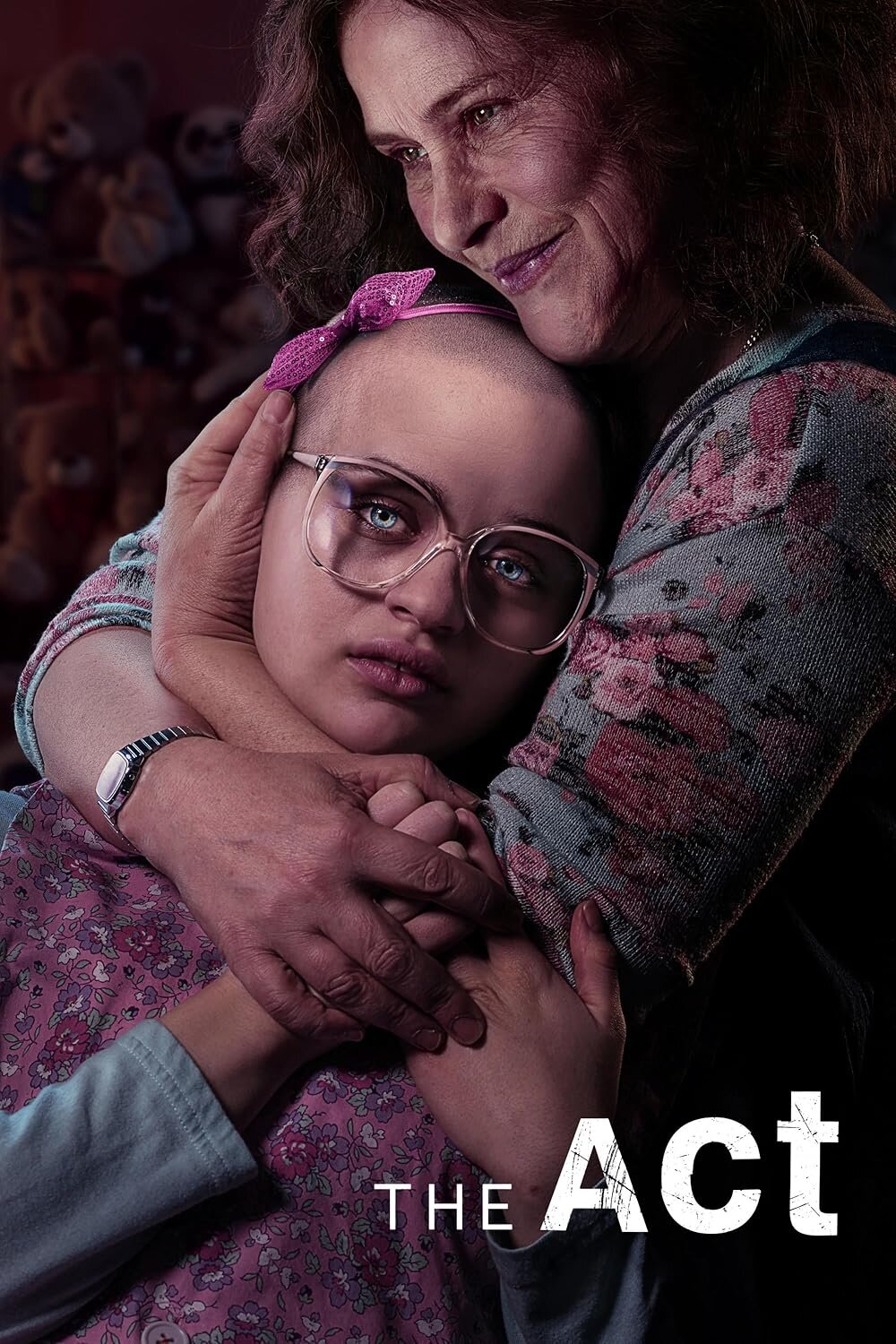
The Act2019
Both examine how someone can be simultaneously victim and perpetrator, and how the internet and public attention warp our understanding of guilt.
Hulu's limited series about Gypsy Rose Blanchard and Dee Dee's relationship is gripping psychological drama that's also a true-crime story—one that demands empathy for a defendant. Directed with precision by Jean-Marc Vallée.
But It's emotionally manipulative by design, and some viewers resent how thoroughly it courts sympathy for someone who committed murder. The tone shifts wildly between camp and tragedy.
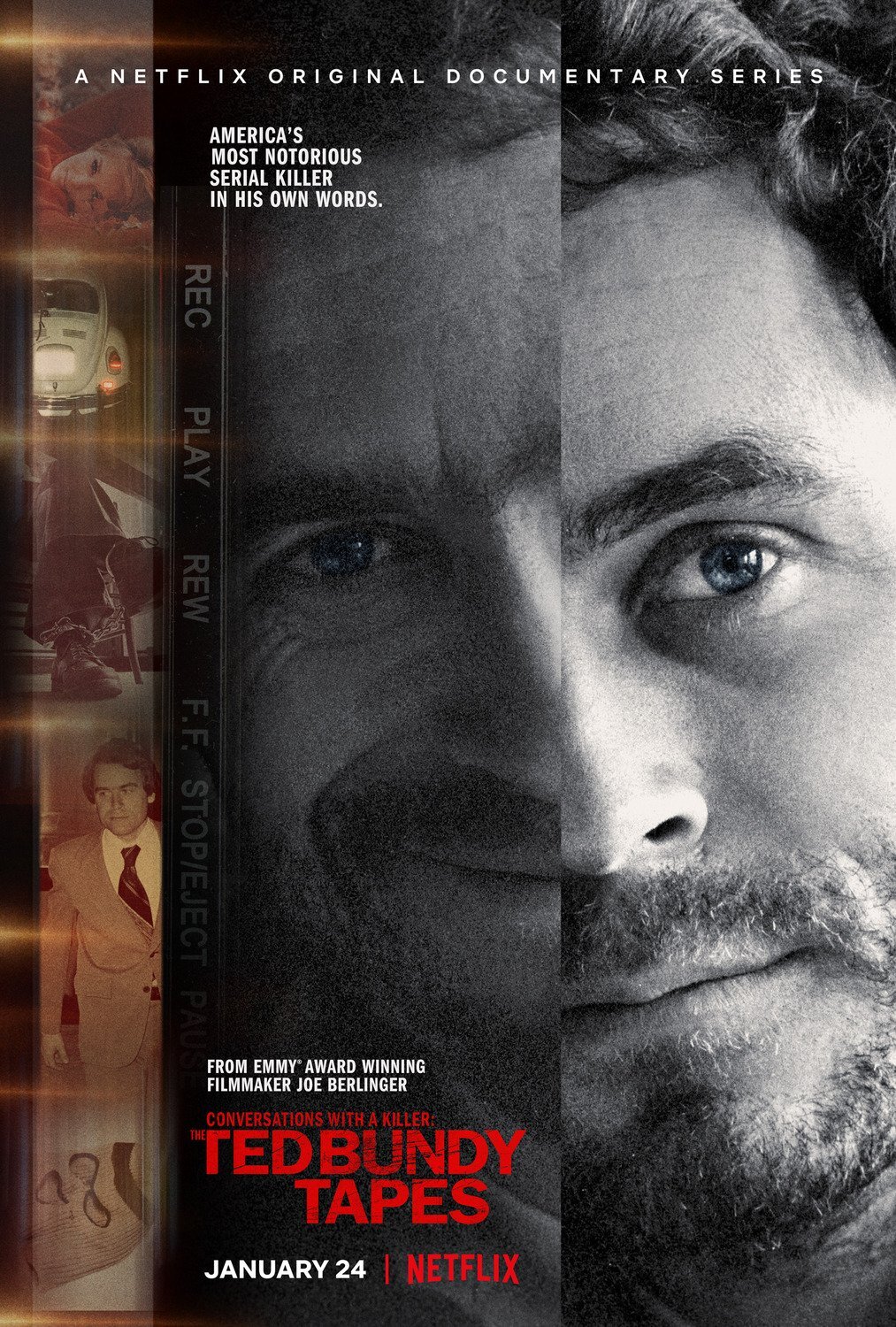
Conversations with a Killer: The Ted Bundy Tapes2019
Like the Sydney Loofe case, it's fundamentally about the gap between who someone presents themselves as and who they are—the performance that makes them accessible to victims.
Netflix's four-part series about the serial killer uses archival footage and audio interviews with Bundy himself, creating an intimate portrait of narcissism and predation. It's unsettling because you hear him think.
But The format gives Bundy platform and charm—he's a seductive presence in his own story. Some find this ethically troubling; others feel it's honest about why he was dangerous.