
Film
Mifune: The Last Samurai
A portrait of Toshirō Mifune, the charismatic force behind Japan's greatest films. This documentary traces his journey from wartime soldier to international icon, built on interviews with collaborators and archival footage. It's a love letter to a transformative era of cinema and the intensity that made Mifune irreplaceable.
If you liked this
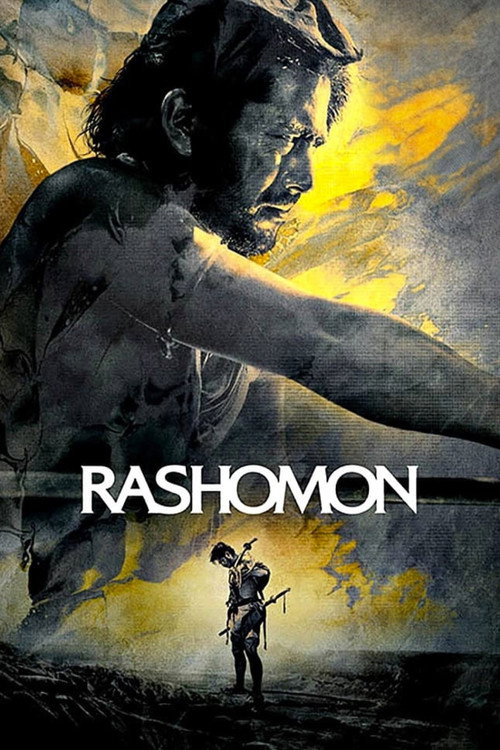
Rashomon1950
Mifune's collaboration with Akira Kurosawa that changed cinema forever. His performance as the bandit crackles with animal energy; the film itself invented visual storytelling shortcuts we still use.
But The narrative structure can feel more like a puzzle than a story, and the resolution may frustrate viewers expecting clear answers.
Seven Samurai1954
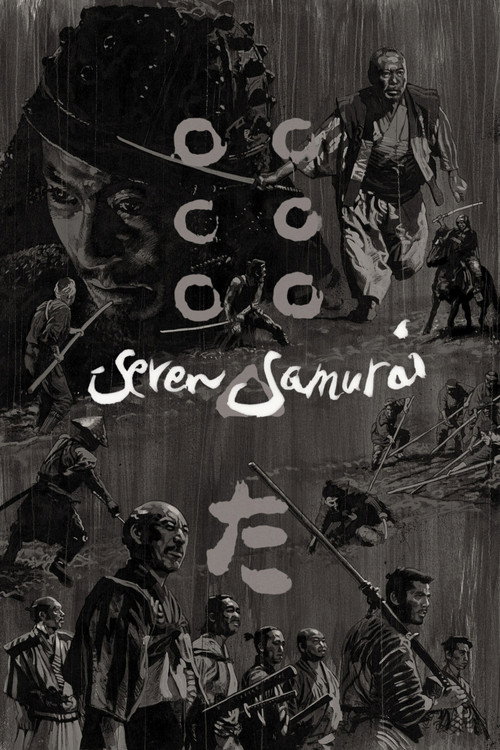
Mifune as the scrappy, magnificent outsider among noble swordsmen. Three and a half hours that move like electricity. The template for every ensemble action film made since.
But It's long, subtitled, and the pacing belongs to a different era—modern action movies feel neutered by comparison, which can feel glacial at first.
Sanjuro1962
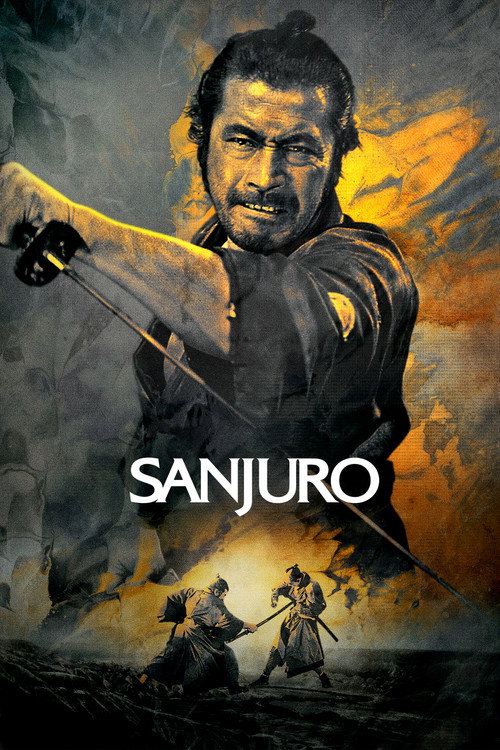
Mifune's charm and physical comedy in a spy romp that proved he could carry lighter material. Sharp, energetic, and unexpectedly funny—a reminder that he wasn't only intensity and swords.
But It's considerably less weighty than Kurosawa's masterworks, and some find the tonal shifts between comedy and violence uneven.
Not sure tonight? Get a pick in a minute, starting from Mifune: The Last Samurai
The wildcard
Something you would not have found on your own.
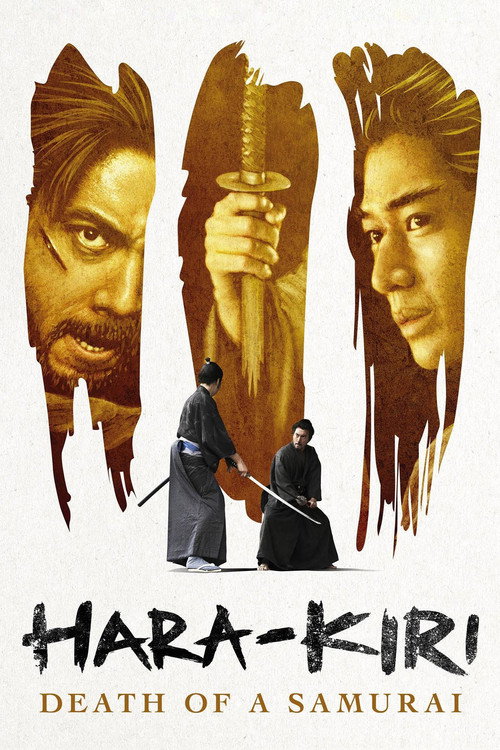
Hara-Kiri: Death of a Samurai2011
Both films deconstruct samurai mythology and honor codes. Mifune's era created the glamorous samurai legend; Miike and Kobayashi both reject that mythology entirely, showing the human cost beneath the code.
Takashi Miike's color remake of Masaki Kobayashi's 1962 masterpiece. The same story, inverted: where the original was austere and philosophical, this is baroque, visceral, and operatic. It doesn't replace the original—it argues with it.
But The heightened style and graphic violence will alienate anyone seeking subtlety. At two hours forty minutes, it's an endurance test that demands active engagement rather than passive viewing.
More like this (8)
Harakiri1962
Masaki Kobayashi's masterpiece about honor and mortality features Tatsuya Nakadai in a role that strips away all mythology. Shot in black and white with devastating compositional brilliance—a rebuke to samurai romanticism.
But It's genuinely bleak and slow-burn meditative. If you're looking for sword action, this is the opposite—it's a philosophical interrogation of the samurai myth itself.

Ikiru1952
Kurosawa's meditation on mortality and meaning, with Takashi Shimura as a dying bureaucrat. Spare, humane, and quietly the most profound film about what it means to live a life worth living.
But There are no swords, no Mifune energy—just stillness and grief. It requires patience and invites contemplation rather than spectacle.

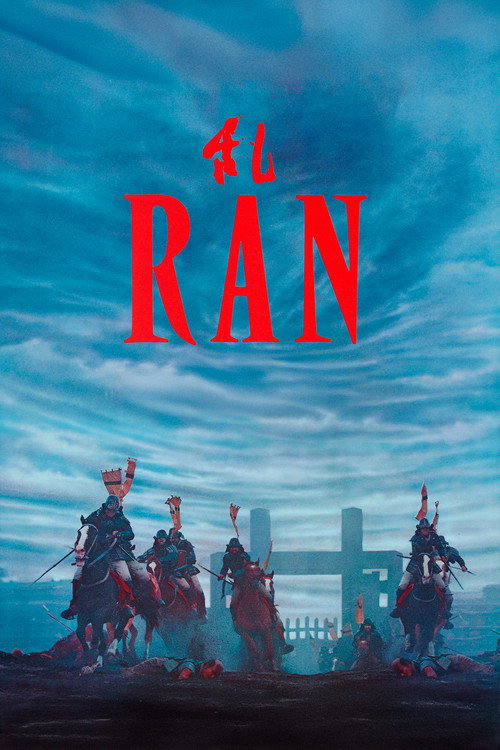
Ran1985
Kurosawa's final masterpiece, a Shakespearean tragedy on an epic scale. Visually stunning, narratively complex, and a summation of everything the director learned across sixty years of making films.
But At two hours forty-five minutes it's ambitious and demanding. The age of its making sometimes shows in the pacing, and subtitles add interpretation layers.
In the Mood for Love2000
Wong Kar-wai's hypnotic film about desire and restraint in 1960s Hong Kong. A complete tonal and visual opposite to samurai cinema, yet shares that precision and emotional intensity lurking beneath surfaces.
But The plot barely exists. If you need narrative momentum and dialogue-driven drama, the languorous style and deliberate repetition will feel like watching paint mix colors.

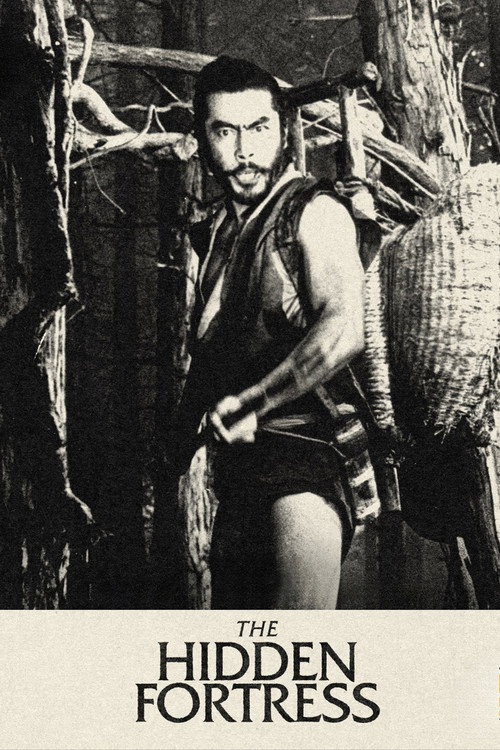
The Hidden Fortress1958
Kurosawa and Mifune again, this time a rousing adventure about smuggling a princess through enemy territory. Playful, generous, and the film George Lucas watched before making Star Wars.
But The comedy can feel dated, and the film plays lighter than its premise might suggest—some viewers find it uneven tonally.
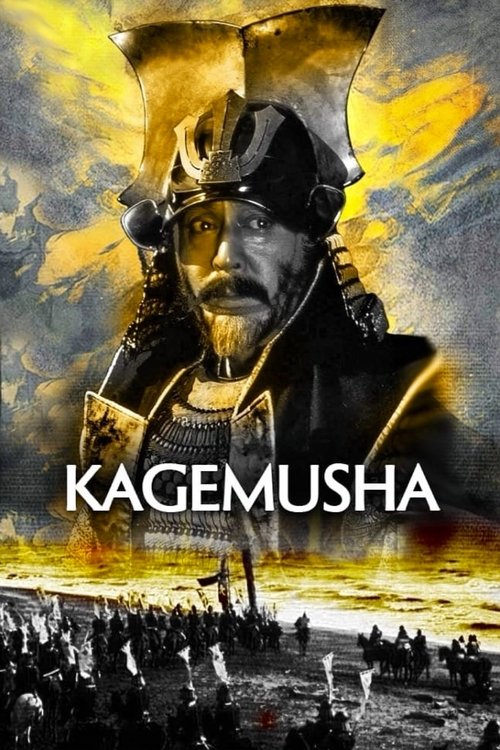
Kagemusha1980
Kurosawa's return to filmmaking after years away, with Tatsuya Nakadai as a peasant forced to impersonate a dead warlord. Painterly compositions and a meditation on identity, performance, and the cost of deception.
But It's deliberately artificial in its staging—some find this stylization creates distance rather than intimacy with the characters.
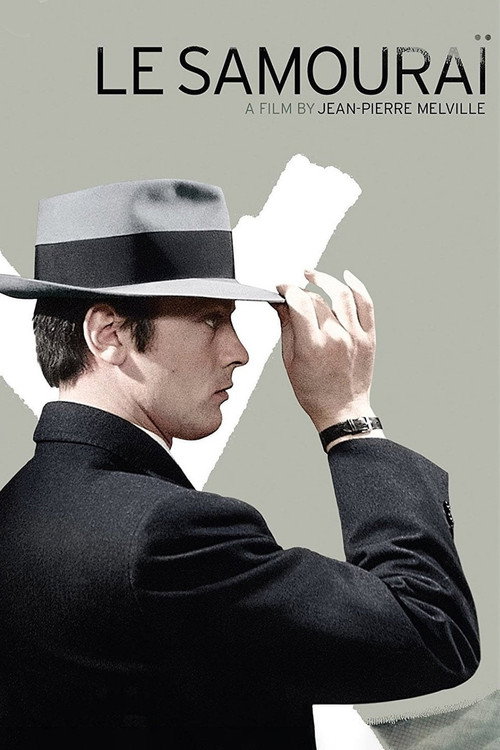
Le Samouraï1967
Melville watched the samurai films Mifune made and translated their philosophy of honor and discipline into the urban underworld. Same code, different swords.
Jean-Pierre Melville's French noir about a solitary hitman who follows a code more rigid than any law. Alain Delon embodies precision and silence. It's the inverse of Mifune's explosive energy—same DNA, opposite temperature.
But Almost nothing happens by conventional standards. If you need plot momentum and dialogue, this meditation on ritual and isolation will feel glacially slow.
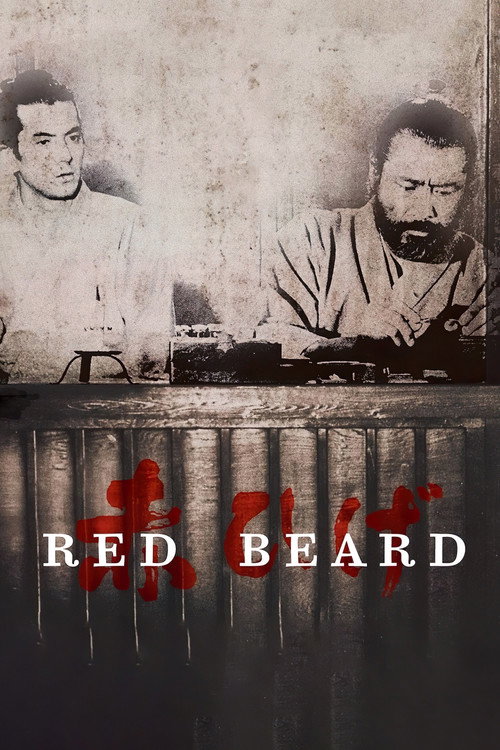
Red Beard1965
This is the film that closes Mifune and Kurosawa's collaboration. Watching it after the documentary creates a poignant full circle—the final statement on what their partnership meant.
Kurosawa's final collaboration with Mifune, a nearly three-hour epic about a young doctor learning compassion in a rural clinic. Mifune plays the mentor with warmth and humor rather than intensity—a coda to their partnership and a late-career gift.
But It's long, episodic, and focuses on character and philosophy over plot. The pacing and structure feel almost like a novel adapted reluctantly into film.
People
Cast
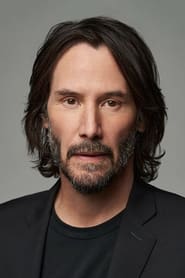 Keanu ReevesSelf - Narrator (voice)
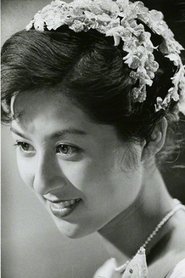 Kyōko KagawaSelf - Actress
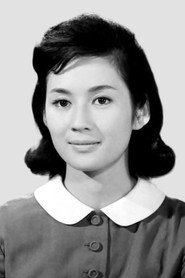 Yōko TsukasaSelf - Actress
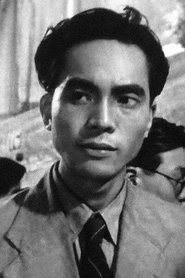 Yoshio TsuchiyaSelf - Actor
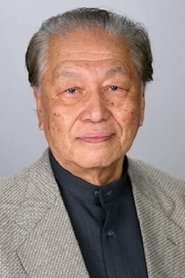 Takeshi KatōSelf - Actor
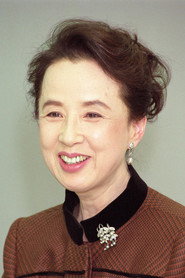 Kaoru YachigusaSelf - Actress
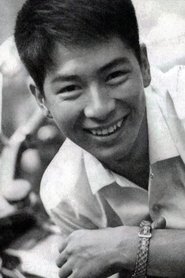 Yōsuke NatsukiSelf - Actor
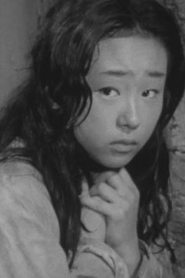 Terumi NikiSelf - Actress
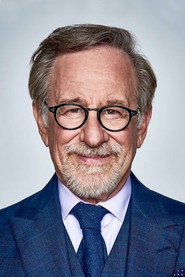 Steven SpielbergSelf - Filmmaker
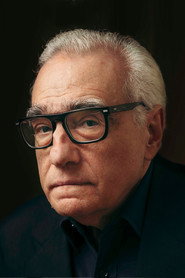 Martin ScorseseSelf - Filmmaker
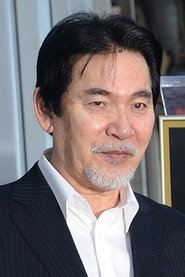 Shirō MifuneSelf - Mifune's Eldest Son
- Hisao KurosawaSelf - Kurosawa's Eldest Son
Directing
- Steven OkazakiDirector
Writing
- Michiko MatsudaBook
- Steven OkazakiWriter
- Stuart Galbraith IVWriter
Production
- Rikiya MifuneConsulting Producer
- Isao KawauchiExecutive Producer
- Nobuyuki TohyaExecutive Producer
- Takeshi HoshinoExecutive Producer
- Greg KnowlesPost Production Coordinator
- Kensuke ZushiProducer
- Steven OkazakiProducer
- Taro GotoProducer
- Tōichirō ShiraishiProducer
- Toshiaki NakazawaProducer
- Yukie KitoProducer
- Allison NakamuraResearcher
- Mark GorneyResearcher