
Film
The Face of Another
Hiroshi Teshigahara's 1966 masterpiece follows a disfigured businessman who receives a perfect synthetic face—then discovers the mask has infected him with a stranger's desires. Formally audacious and philosophically unsettling, it asks what identity even means when appearance becomes mutable. For viewers comfortable with slow-burn metaphysical horror.
Should you watch it?
Watch it if you are drawn to slow, cerebral films where identity is picked apart through images and mood, and you don't mind a story that thinks more than it moves.
Skip it if you want a clear plot or brisk pacing, since this is a deliberate, often static film whose mysteries accumulate through mood rather than explanation.
What it asks of you: Two hours of patience, with long stretches of stillness and a dreamlike, unsettling logic that rewards close attention rather than handing you answers.
Not sure? Find tonight's pick in a minute.
If you liked this
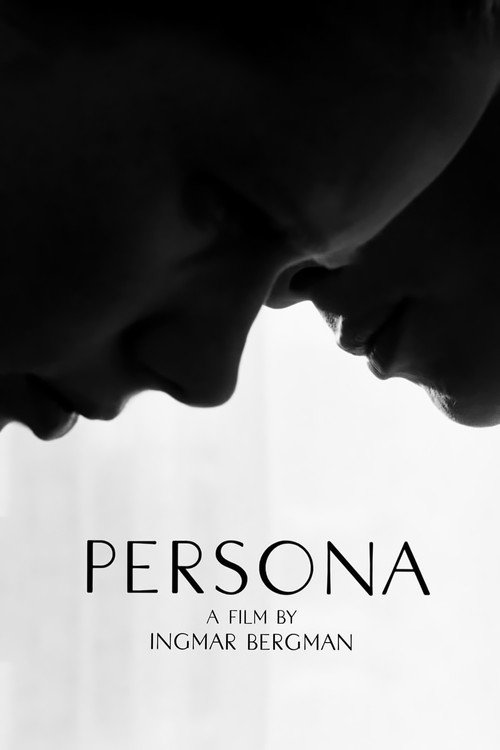
Persona1966
Bergman's chamber piece about identity fracturing between an actress and her nurse. Like *Face*, it uses faces themselves as the territory where selves dissolve and reform. Hypnotic and deeply strange.
But Bergman's minimalism feels airless to some; long stretches of silence and closeups test patience.
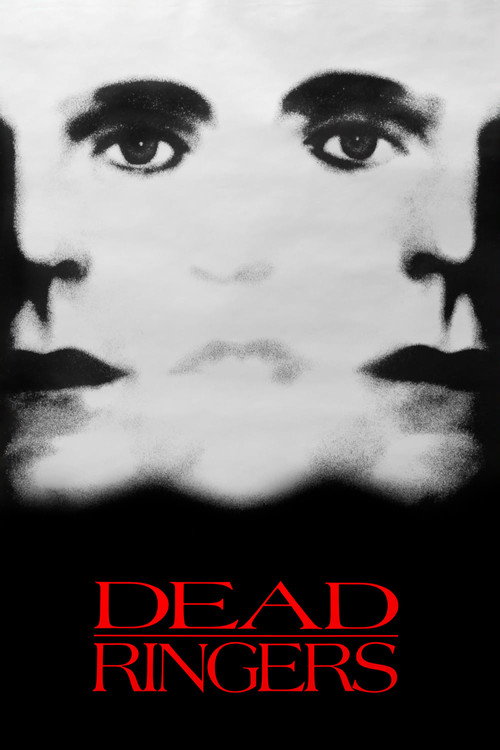
Dead Ringers1988
Cronenberg's portrait of identical twins whose identities bleed into each other until neither man knows who he is. Same obsession with the fragility of self, delivered through body horror instead of masks.
But Graphic sexual content and surgical imagery that's deliberately nauseating. Not for the squeamish.
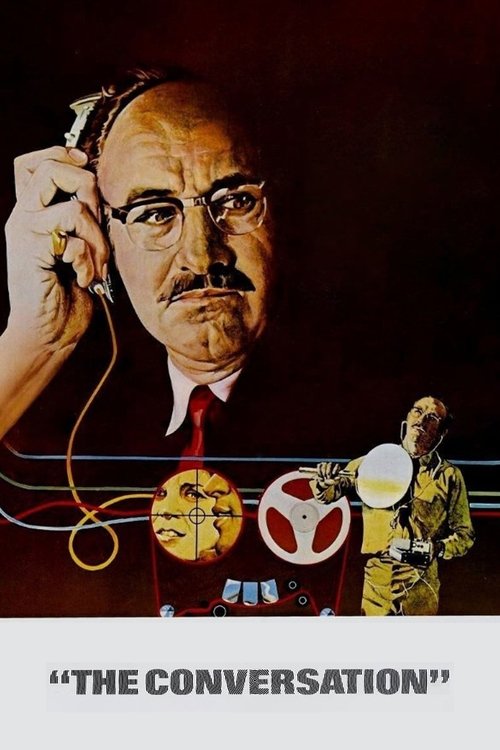
The Conversation1974
Coppola's paranoid masterpiece about a surveillance expert losing grip on who he is beneath his work. The slow dissolution of a man through his own obsession echoes Teshigahara's architecture exactly.
But Deliberately paced to unsettle; the payoff is existential dread, not catharsis. Some find it frustrating rather than profound.
Not sure tonight? Get a pick in a minute, starting from The Face of Another
The wildcard
Something you would not have found on your own.
The Third Man1949
Both explore identity as performance and transaction in worlds where authenticity has become impossible or superfluous.
Greene and Welles' postwar Vienna: a world of doubles, false identities, and faces you can't trust. A face becomes a commodity, a lie becomes a way of life, and everyone is wearing a mask. The connection is less obvious but structural—both are about the moment identity becomes purchasable and therefore fraudulent.
But The zither score is a tonal choice that jars some viewers. Cold war intrigue can feel dated to modern eyes.

More like this (8)
Mulholland Drive2001
Lynch uses Los Angeles and cinema itself as the mask that destroys identity. Like *Face*, it asks whether the self you present is realer than the one underneath, and answers unsettlingly.
But Deliberately fractured narrative; you'll need to sit with confusion rather than have everything explained. Three-hour commitment for a film that may not resolve.

A Ghost Story2017
Lowery's film about time, identity, and the self we leave behind. Quieter than *Face*, but shares its willingness to let philosophy overtake plot, and its haunting final images.
But Grief-focused and meditative to the point of inertia. Some sequences feel deliberately slow. The sheet conceit will seem precious to some.

In the Mood for Love2000
Wong Kar-wai's film about two people constructing performed identities in a cramped apartment. Like *Face*, it uses surfaces—costume, setting, framing—to explore whether authenticity exists beneath appearance.
But Consists almost entirely of visual and tonal mood; narrative propulsion is minimal. Requires patience with ambiguity and beauty over clarity.

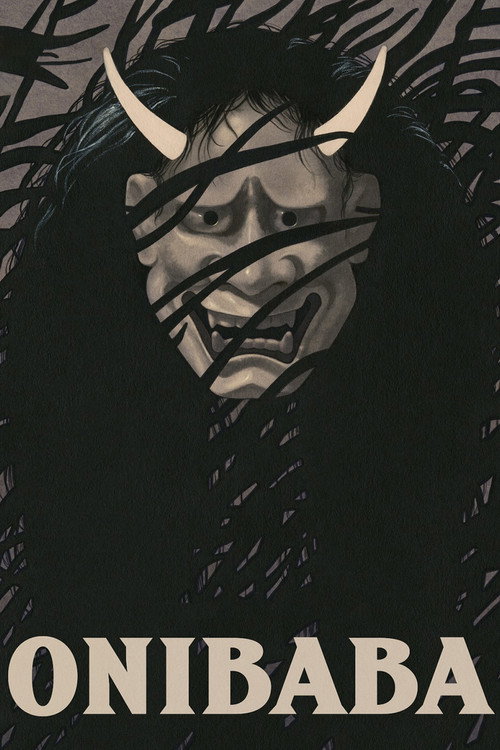
Onibaba1964
Shindo's fever dream about identity, desire, and the masks we wear for survival. Japanese cinema of the same era, equally formal and unsettling, equally concerned with how surfaces consume us.
But Deliberately obscure symbolism and a horror atmosphere that some find opaque rather than haunting.
Under the Skin2014
Glazer's film about an alien in human form, raising the same question: when you wear a face perfectly but feel nothing underneath, are you still a person? Hypnotic and vertiginous.
But Minimal dialogue, abstract narrative structure, and a glacial pace. It's less a film you understand than one you experience, and that experience is cold and alienating.

A Man Escaped1956
Bresson's spare account of a POW planning escape. Different register—focused and practical—but shares *Face*'s belief that identity and freedom are the same question, and that surfaces matter absolutely.
But Intentionally austere; post-war neorealism with no sentimentality means some find it emotionally remote.

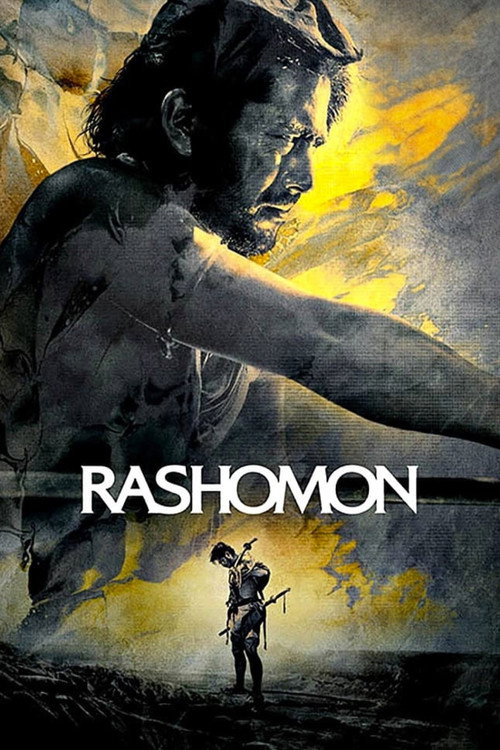
Rashomon1950
Both interrogate whether a fixed identity or truth can exist when every perspective is subjective and mediated by desire.
Kurosawa's earthquake of a film: four witnesses, four contradictory truths, one unknowable event. Where *Face* asks if there's a self beneath the mask, *Rashomon* asks if there's a truth beneath the story. Japanese cinema's ultimate answer to the self.
But The constant reframing can feel repetitive, and the philosophical point lands before the film finishes making it.
Synecdoche, New York2008
Both treat identity construction—making a perfect exterior replica—as a form of dissolution. One is austere and formal; one is baroque and overwhelming. Same engine, opposite temperatures.
Kaufman's baroque fever dream about a director constructing a life-sized replica of his life within a theatre. Like *Face*, it's about the horror of performing yourself, about masks becoming prisons, about the self dissolving when you try to map it perfectly. But Kaufman's register is maximalist instead of minimal—noise instead of silence, profusion instead of economy.
But Bewilderingly complex; it requires multiple viewings to parse and many viewers find it exhausting or pretentious rather than brilliant.

People
Cast
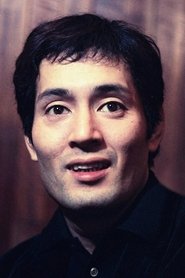 Tatsuya NakadaiMr. Okuyama
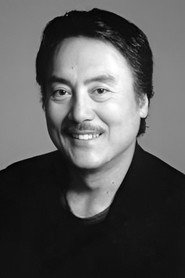 Mikijiro HiraDr. Hori
 Machiko KyōMrs. Okuyama
 Kyôko KishidaNurse
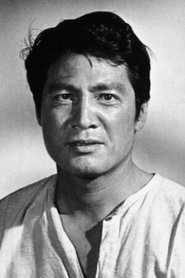 Eiji OkadaThe Boss
 Miki IrieScarred Girl
- Kakuya SaekiElder Brother of Scarred Girl
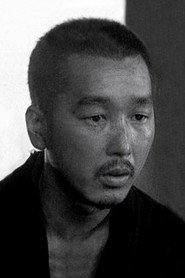 Minoru ChiakiApartment Superintendent
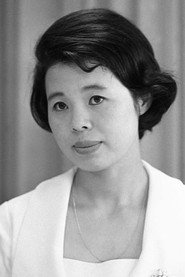 Etsuko IchiharaYoko
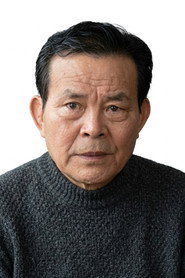 Hisashi IgawaMan with Mole
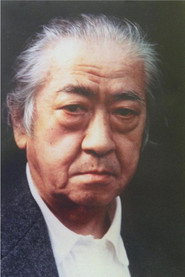 Hideo KanzeMale Patient
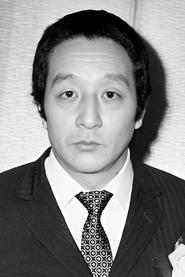 Kunie TanakaMentally Ill Man #1
Directing
- Isao FujisawaAssistant Director
- Hiroshi TeshigaharaDirector
Production
- Kiichi IchikawaProducer
- Nobuyo HoribaProducer
- Tadashi ÔnoProducer