
Film
Pagliacci
- Drama
- Tragic romance
- Very dark
A 1936 operatic melodrama built around Leoncavallo's famous tragedy. Richard Tauber—one of cinema's great tenors—leads a travelling theatre troupe through Italy as his marriage collapses into suspicion and violence. The film mirrors its own story: performance and reality collide with devastating consequence. For anyone who loves opera, golden-age cinema, or the particular agony of jealousy.
Should you watch it?
Watch it if you love opera as theatre, where a voice carrying grief and rage matters more than naturalistic acting, and you want to hear the Leoncavallo score lean into melodrama.
Skip it if you want realistic performance or a fast-moving plot, since the acting is broad and stagey and much of the drama runs through song rather than talk.
What it asks of you: Settle in for an hour and a half of heightened emotion, where the pace follows the music and feelings are pitched large, so surrender to the operatic register.
Not sure? Find tonight's pick in a minute.
If you liked this
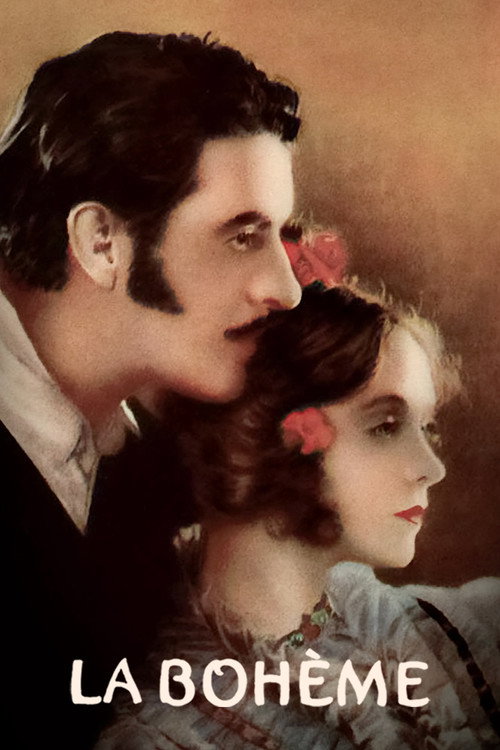
La Bohème1926
Puccini's opera of young love in Paris, filmed with genuine tenderness by King Vidor. Tauber doesn't sing here, but the emotional architecture—beauty shadowed by mortality—mirrors Pagliacci's obsession with performance masking pain.
But It's silent film opera, which means dramatic acting of a specific era. If heightened 1920s theatricality feels remote to you, this will too.
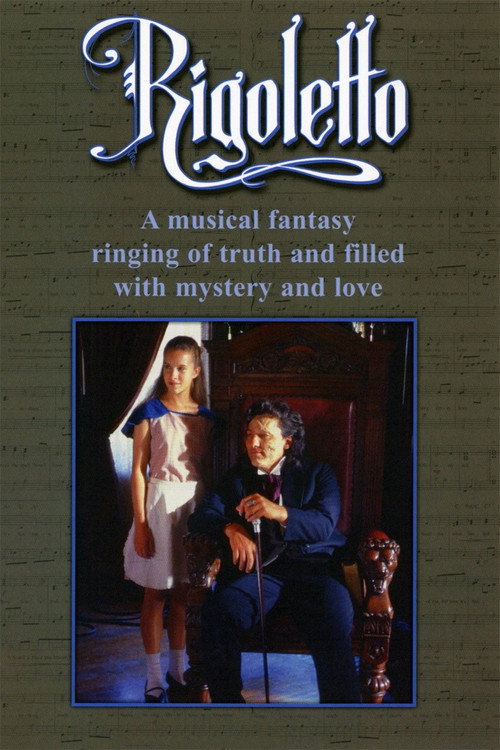
Rigoletto1993
Luciano Pavarotti and Ingvar Wixell in a raw, committed filmed performance of Verdi's opera of paternity, betrayal, and the wages of vengeance. A father's anguish over his daughter—the obsession at Pagliacci's core—given the full weight of orchestral music.
But Three and a half hours, sung in Italian. If you're not already opera-curious, the format itself is demanding and unfamiliar.
The Red Shoes1948
Powell and Pressburger's masterpiece about dancers and the collision between art and love. Like Pagliacci, it's about performers whose real lives can't survive the intensity of the roles they inhabit. Visually ravishing, morally complex.
But It's a romance with a tragic ending that some find frustrating rather than moving. The pacing is deliberate; modern viewers sometimes find it slow.

Not sure tonight? Get a pick in a minute, starting from Pagliacci
The wildcard
Something you would not have found on your own.
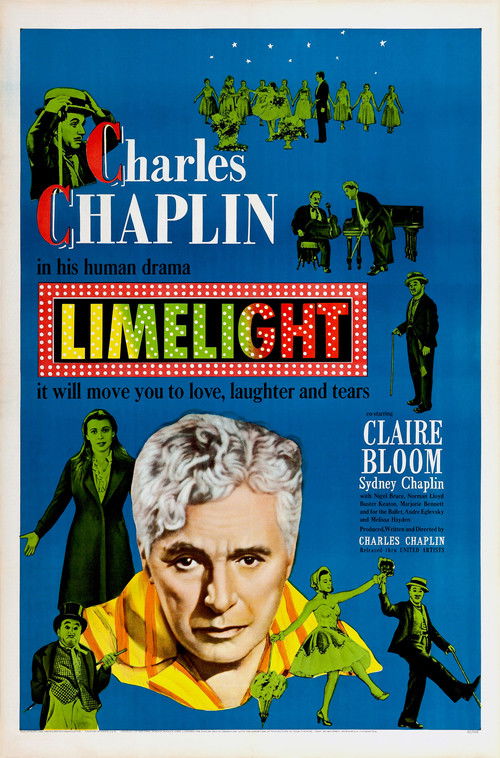
Limelight1952
Both are about performers whose private lives are consumed by their art, and both argue that the performance—the act itself—is where the real truth lives, not beneath it.
Chaplin's final masterpiece: an aging vaudeville clown mentors a young dancer while dying of a terminal illness. Like Pagliacci, it's about a performer whose art masks personal devastation, but Chaplin finds grace in the performance itself rather than tragedy in its failure.
But It's long, sentimental, and nakedly autobiographical. If Chaplin's earnestness feels manipulative to you, this won't convince you otherwise.
More like this (6)
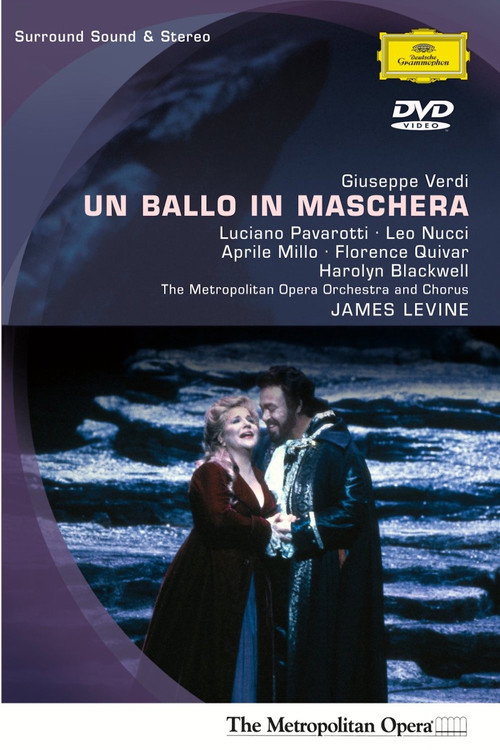
Un Ballo in Maschera1991
Verdi's opera of desire, jealousy, and assassination at a masked ball. Claudio Abbado conducts; the visual staging is elegant and psychologically sharp. The machinery of fate tightens in exactly Pagliacci's register.
But It requires comfort with opera as a storytelling form. If sung drama feels unnatural to you, this won't change your mind.
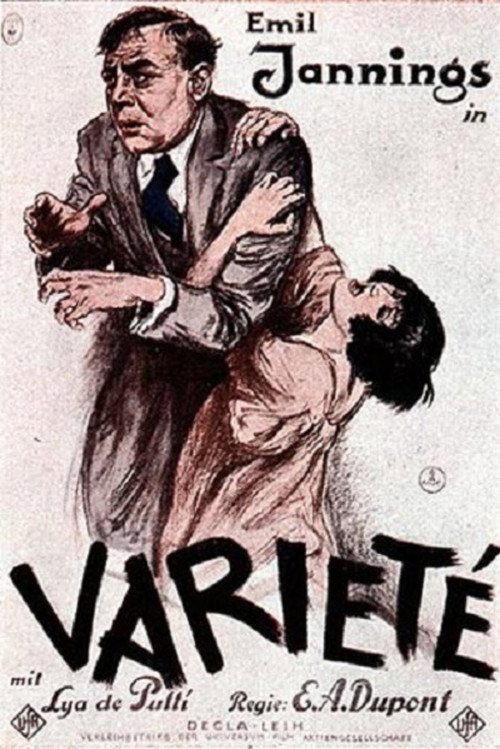
Variety1925
E.A. Dupont's silent masterpiece about circus performers, rivalries, and passion. Like Pagliacci, it's built on the tension between public spectacle and private desperation, with trapeze acts replacing commedia dell'arte.
But Silent film with Weimar-era German Expressionism. The visual language is beautiful but distant; modern audiences often find it hard to connect emotionally.
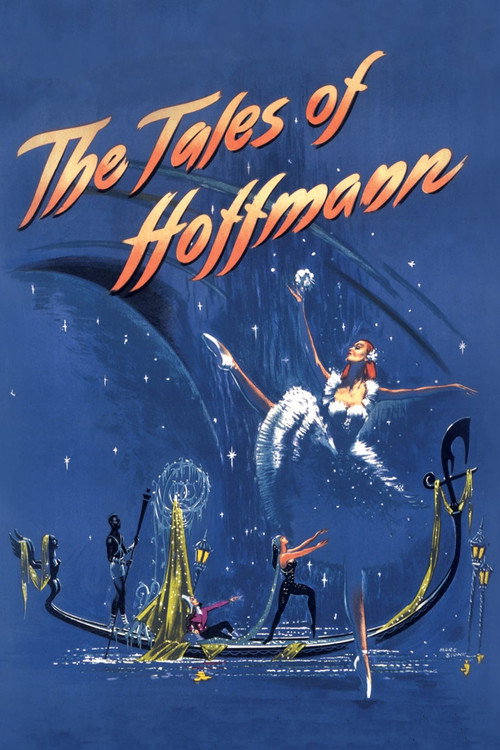
The Tales of Hoffmann1951
Powell and Pressburger again, this time filming Offenbach's operatic fantasia. Utterly visual, artificial in the best way, about a poet obsessed with unattainable women. It shares Pagliacci's sense of performance as a mask for real suffering.
But It's decidedly arch and stylized. If you want naturalism or emotional restraint, this baroque approach will feel exhausting.
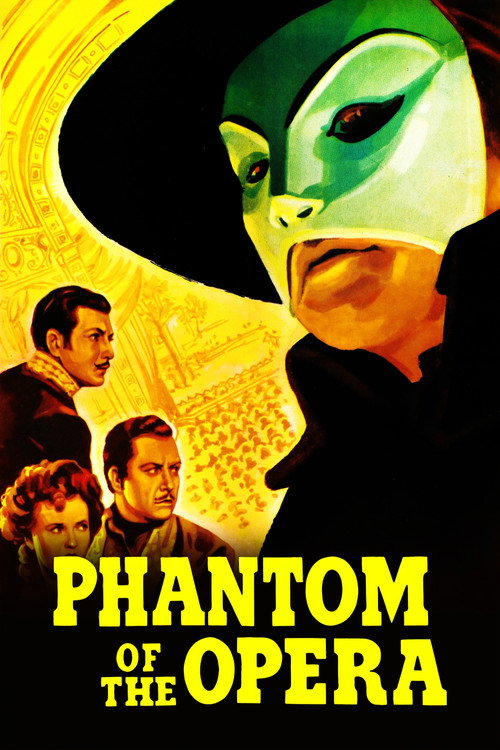
Phantom of the Opera1943
Claude Rains and Nelson Eddy in the Technicolor version. It's operatic melodrama about obsession and performance, with a man destroyed by his own fixations. Camp energy but also genuine pathos.
But It's camp in a way that undercuts the tragedy. If you're after pure emotion, the winking tone will feel like interference.
Kes1970
Both are about a man whose love and skill are invisible to everyone around him, and both end in tragedy that feels less like fate than like the inevitable cruelty of the world indifferent to his pain.
Ken Loach's film about a working-class boy in northern England and his relationship with a hawk. Stripped of music and spectacle, but structured identically to Pagliacci: a man's worth destroyed by the indifference of others, by systems he cannot control, by his own inability to be seen.
But It's bleak social realism with no catharsis. There's no music, no beauty, no transcendence. If you want the emotional experience transformed into something bearable, this refuses that bargain.

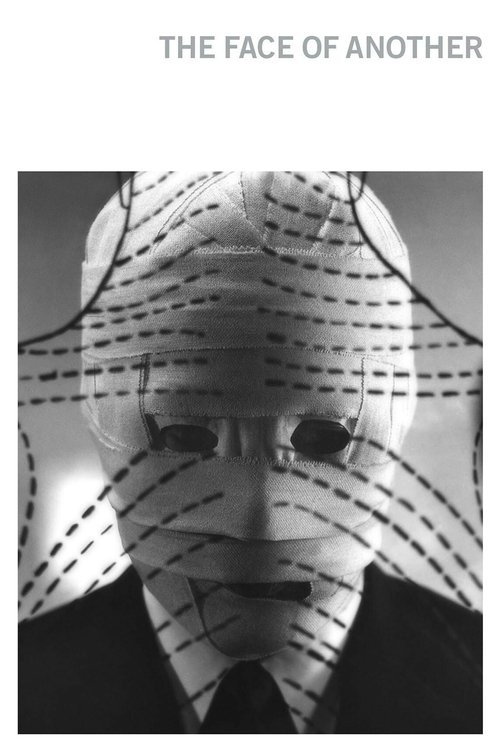
The Face of Another1966
Both argue that the mask—whether theatrical, surgical, or psychological—becomes indistinguishable from the self, and that the tragedy lies in discovering you can't remove it without destroying what's underneath.
Hiroshi Teshigahara's film about a man whose face is destroyed in an accident and who gets a new face from a surgeon. Like Pagliacci, it's about the impossibility of separating the mask from the self, and whether identity is fixed or performed. Visually extraordinary, philosophically rigorous.
But It's Japanese 1960s arthouse cinema. The pacing is meditative; the questions are abstract. If you want narrative momentum or emotional catharsis, this offers neither.
People
Cast
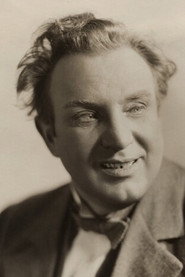 Richard TauberCanio Salvatini
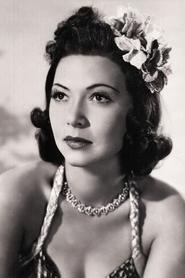 Steffi DunaNedda Salvatini
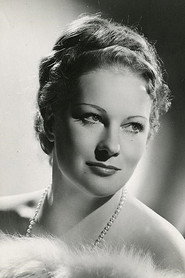 Diana NapierTrina
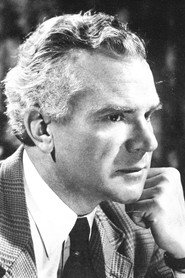 Esmond KnightCadet Silvio
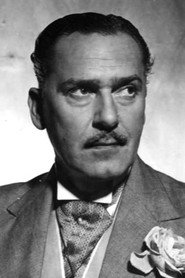 Arthur MargetsonTonio
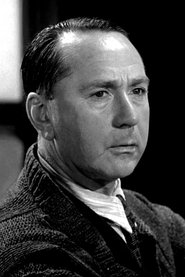 Jerry VernoBeppe
Directing
- Karl GruneDirector
Writing
- Ernest BettsWriter
- John DrinkwaterWriter
- Monckton HoffeWriter
- Roger BurfordWriter
- Ruggero LeoncavalloWriter