
Film
Scandal
Other titles called Scandal: the 1989 film, the 2012 series (ABC).
Kurosawa's sharp-edged drama about a photograph that becomes a weapon. A tabloid publishes a compromising picture of a painter and singer, and the legal machinery grinds forward, grinding the people inside it to powder. It's a film about how truth gets buried under procedure, celebrity, and the sheer momentum of accusation. For anyone who's watched a reputation burn in real time.
Should you watch it?
Watch it if you enjoy courtroom dramas that use a sensational press story to poke at how cheap gossip gets sold, and you like a moralist's anger delivered with brisk, hard-edged craft.
Skip it if you want something light and breezy, because this one leans on speechmaking about the press and can feel preachy, with its message pressed hard.
What it asks of you: A talky, deliberate run of about 104 minutes, mostly courtroom and conversation, where the pleasure comes from sustained argument rather than action.
Not sure? Find tonight's pick in a minute.
If you liked this
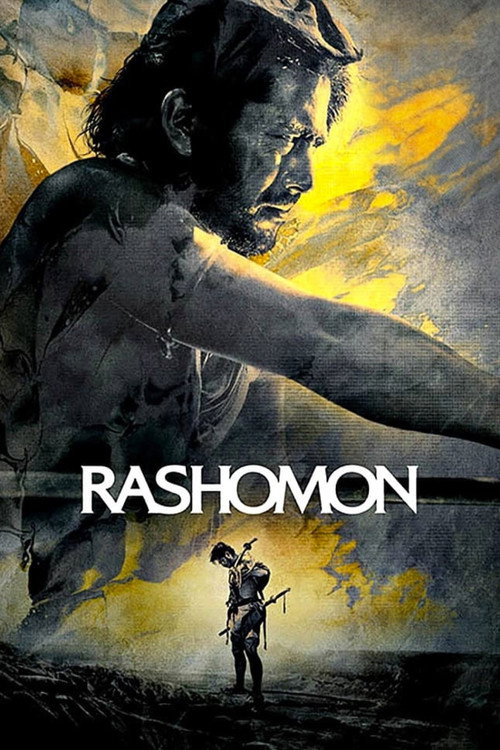
Rashomon1950
Kurosawa's masterpiece about the impossibility of objective truth. Four witnesses give four entirely different accounts of a crime in the forest. If Scandal is about how institutions distort reality, this is about how perception itself splinters it.
But It's deliberately fragmented and refuses to give you a comfortable answer. Some find that frustrating rather than profound, and the ending can feel like a shrug.
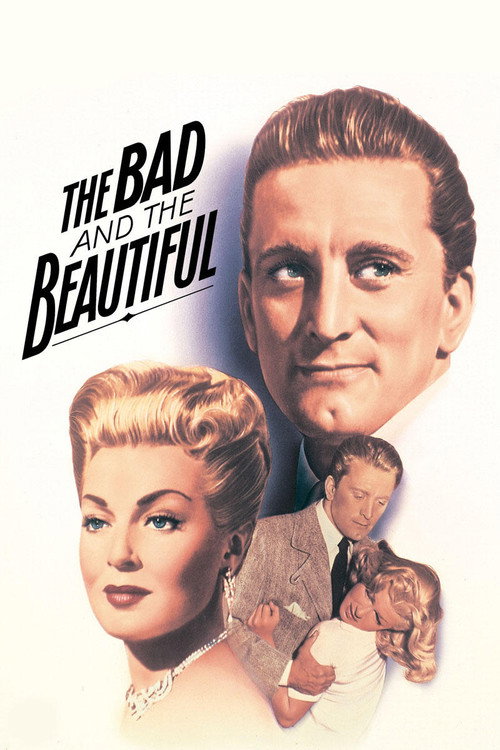
The Bad and the Beautiful1952
A Hollywood producer's rise and fall told through his victims' memories. Like Scandal, it shows how ambition and vanity turn people into collateral damage. Vincente Minnelli's direction is sumptuous, and the performances cut deep.
But It's a studio product from a different era, which means some of the morality plays feel dated. And it's more sympathetic to its monster than Scandal ever gets.
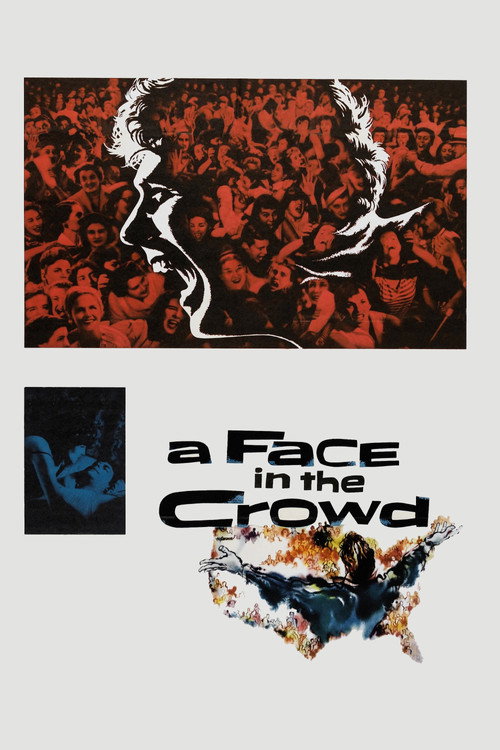
A Face in the Crowd1957
A small-town drifter becomes a media sensation and discovers his power to manipulate millions. Andy Griffith is terrifying, and Elia Kazan charts the exact moment a man stops pretending and becomes what everyone's been treating him as.
But It's blackly cynical about American culture and doesn't offer much comfort. Also runs long and occasionally didactic.
Not sure tonight? Get a pick in a minute, starting from Scandal
The wildcard
Something you would not have found on your own.
The Third Man1949
Both films watch justice and truth become playthings of power. Both use institutional settings to expose how easily individuals are consumed by machinery larger than themselves.
Carol Reed's masterpiece about a writer searching for truth in post-war Vienna. Like Scandal, it's about how institutions and allegiances warp truth into propaganda. But it's also a thriller, and the zither score is unforgettable. Shot in shadows and Dutch angles—the visual language is paranoia.
But Spy narrative can feel dated, and the famous twist depends on you going along with 1949 morality. Also deliberately disorienting, which some find more style than substance.

More like this (7)
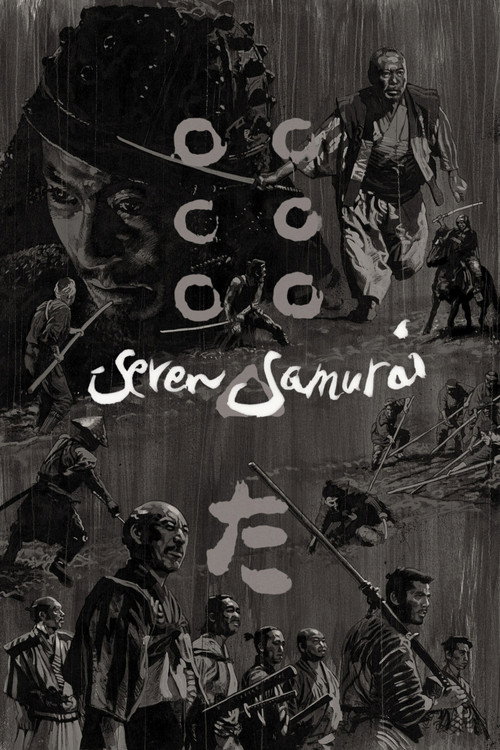
Seven Samurai1954
Another Kurosawa ensemble piece with Mifune at his best—rough, funny, and heartbreaking. The structure is different but the DNA is the same: how ordinary people survive extraordinary pressure, and what they lose in the process.
But It's nearly four hours. Not a commitment for a casual evening, and the pacing assumes patience.
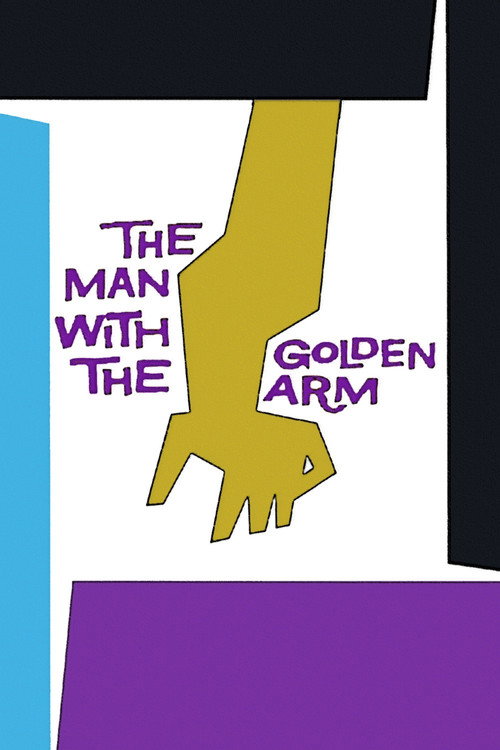
The Man with the Golden Arm1955
Otto Preminger's brutal portrait of addiction and urban shame. Frank Sinatra in his best dramatic role as a junkie trying and failing to rebuild. The cinematography is stark, the compassion is real, and the ending is earned.
But It's relentlessly bleak and offers no redemption arc. Some want their tragedy to at least point somewhere hopeful.
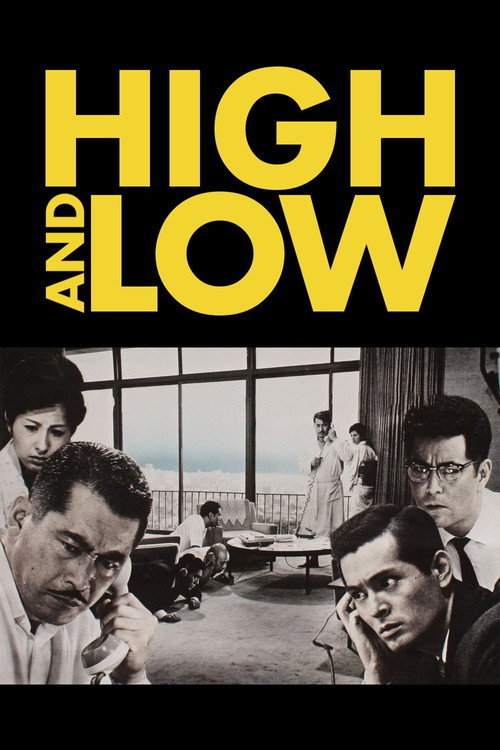
High and Low1963
Kurosawa again, showing his mastery of suspense and class conflict. A wealthy factory owner's son is kidnapped, and the moral machinery of justice and obligation grinds him flat. Visually stunning and philosophically unsparing.
But It's long and methodical. The pace is architectural rather than thrilling, which can feel slow if you want propulsion.
Tokyo Story1953
Ozu's quiet masterpiece about aging parents visiting their son and daughter-in-law in Tokyo. It has nothing to do with scandal or courts, but it has everything to do with the gap between what we say and what we feel, and how politeness can be both mercy and prison.
But Extremely slow and domestic. Absolutely not a plot film. If you want something to happen, this will feel like watching paint dry.

Ikiru1952
A dying bureaucrat discovers meaning by getting one small thing built before he goes. Kurosawa at his most human and heartbreaking. It's about how institutions swallow individuals, and how love is what remains when everything else fails.
But It's suffused with grief and resignation. Beautiful but heavy. Not for when you want to feel better about the world.

Contempt1963
Both are about how the machinery of creation—legal, commercial, artistic—destroys the human relationships at its center. Both watch compromise metastasize into tragedy.
Godard's film-about-making-a-film-about-Homer. A screenwriter, his wife, and a producer navigate ego and commerce on a movie set. It's gorgeously shot in primary colors, fractured and essayistic, and by the end you've watched a marriage and a career combust. Completely unlike Scandal in medium but not in theme.
But It's experimental and intellectually demanding. Long stretches without traditional plot momentum. The last twenty minutes involve almost no dialogue. Godard is not for everyone.

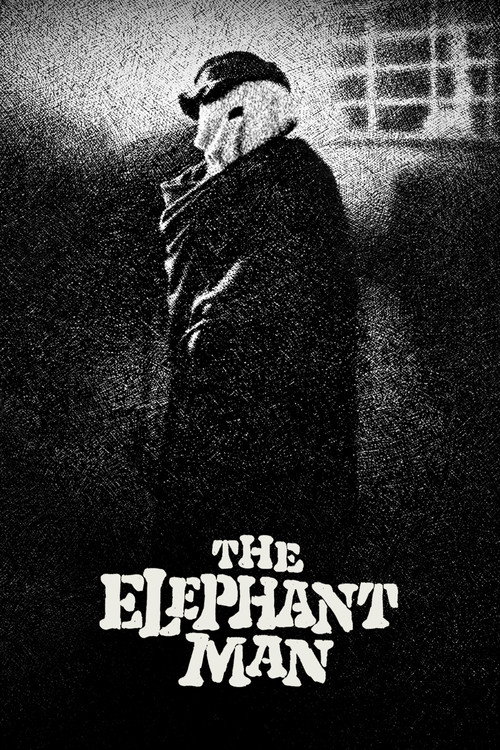
The Elephant Man1980
Both are about how public scrutiny—tabloid in one, medical in the other—turns a person into an object. Both watch powerless people get torn apart by machinery designed to 'help' or 'expose' them.
David Lynch's black-and-white meditation on how society turns someone different into a spectacle, a commodity, and finally a tragedy. A man with severe deformities becomes a freak show, a medical curiosity, and a reason for others to feel good about themselves. It's about being photographed, discussed, and consumed by forces you can't control.
But Genuinely disturbing, visually and thematically. Some find it maudlin rather than moving. Also deeply strange in the way only early Lynch can be.
People
Cast
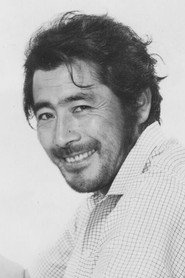 Toshirō MifuneIchirô Aoye
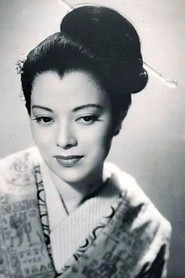 Yoshiko YamaguchiMiyako Saijo
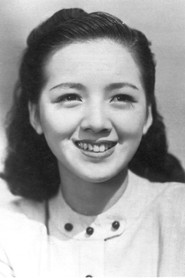 Yōko KatsuragiMasako Hiruta
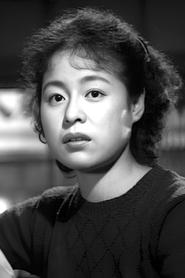 Noriko SengokuSumie
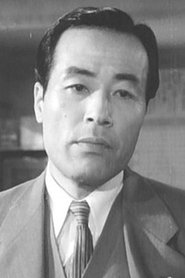 Eitarō OzawaHori
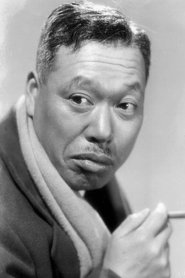 Takashi ShimuraAttorney Hiruta
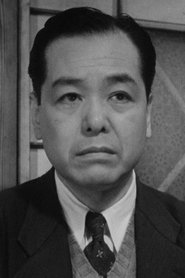
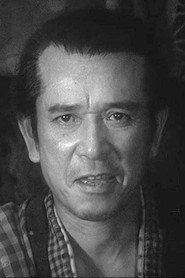 Kōji MitsuiCameraman A
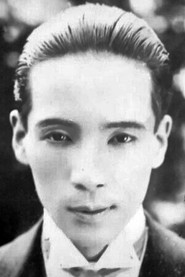 Ichirō ShimizuArai
 Fumiko OkamuraMiyako's mother
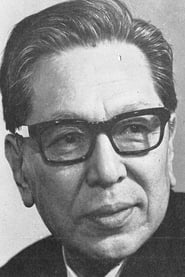 Masao ShimizuJudge
 Tanie KitabayashiYasu Hiruta
Directing
- Akira KurosawaDirector
Writing
- Akira KurosawaScreenplay
- Ryuzo KikushimaScreenplay
Production
- Sōjirō MotokiProducer
- Takashi KoideProducer