
Film
Deadline - U.S.A.
Bogart plays a hard-drinking, exhausted newspaper editor racing to nail a mob boss before his own paper gets sold out from under him. It's talky, smoky, and unglamorous in the best way — a newsroom procedural that believes journalism still matters even as it watches an institution die around it. For fans of old Hollywood conviction and moral urgency without gunplay.
If you liked this
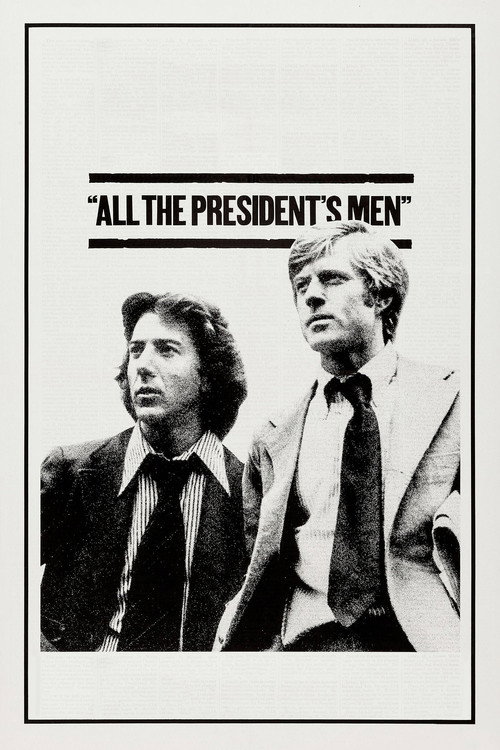
All the President's Men1976
The gold standard for newsroom-as-battlefield storytelling — patient and procedural, thrilling precisely because it trusts you to follow phone calls and index cards instead of gunfights.
But It's slow by design; if you need visible stakes or violence rather than paperwork tension, the pacing will test you.
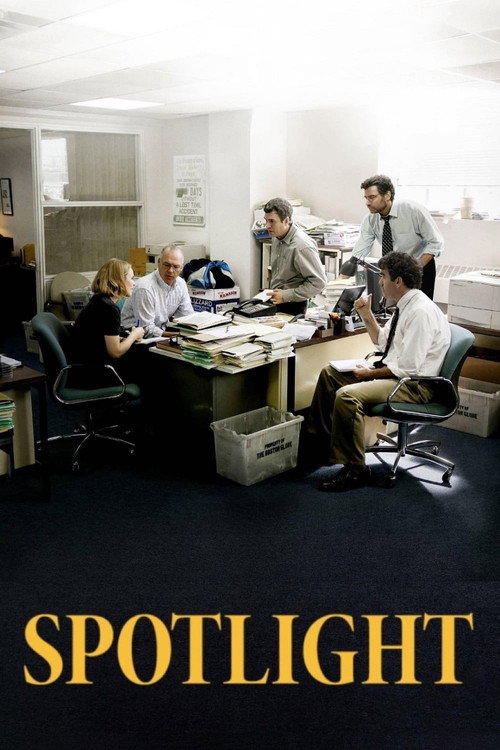
Spotlight2015
Same institutional courage but modern and quietly devastating — a newsroom grinding through the numbing mechanics of an impossible truth, no swagger, just method.
But Deliberately unglamorous; there's no Bogart-style bravado, just dogged competence, which some viewers find flat.
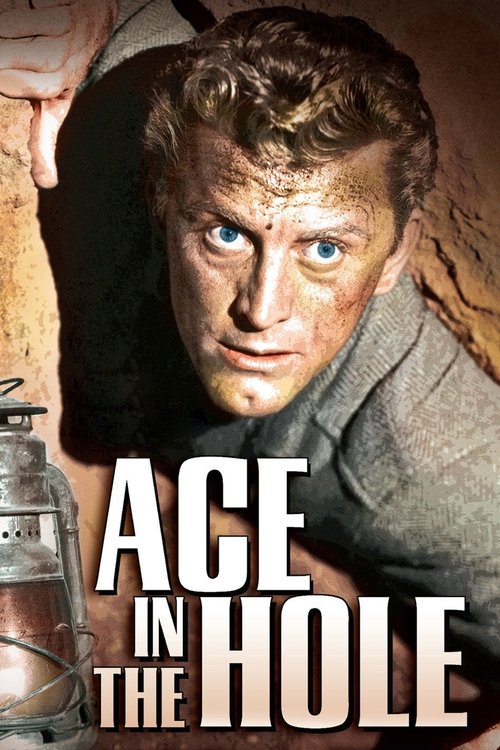
Ace in the Hole1951
Kirk Douglas at his most venomous, made the same year as Deadline U.S.A. but with none of its faith in journalism — ambition eating the newsroom instead of saving it.
But Genuinely bleak; it offers no redemption arc, so pair it with something warmer if you need relief afterward.
The wildcard
Something you would not have found on your own.
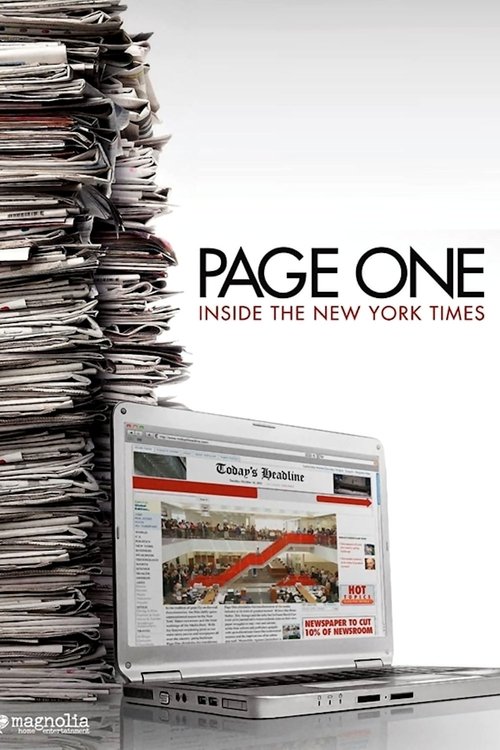
Page One: Inside the New York Times2011
Same institution-on-the-brink story, but nonfiction — the fight Deadline U.S.A. dramatized actually happening, decades later, to the paper of record.
Watch an actual newsroom in 2010 wrestle with the same extinction fear Bogart's paper faces — the same panic, the same defiant belief the work still matters, except now it's real.
But No plot, no star turns — it's talking heads and meetings, and the tech-industry subplots already feel dated.
More like this (8)
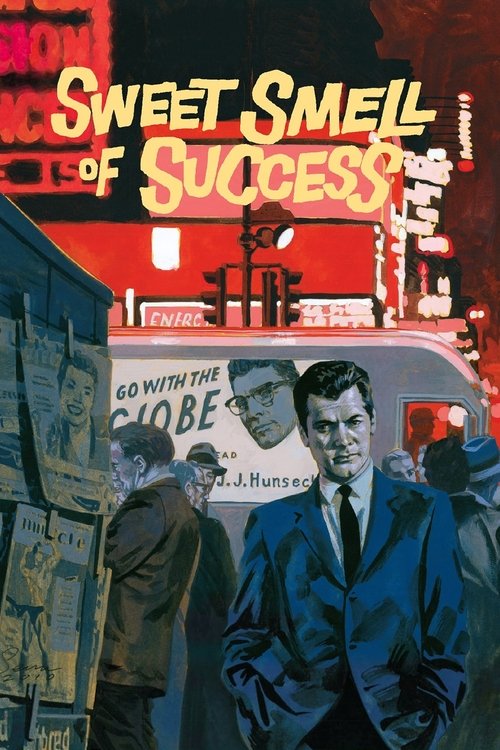
Sweet Smell of Success1957
Swap the noble editor for a poisonous press agent and watch Lancaster and Curtis turn Manhattan media into a knife fight, all shadow and quotable venom.
But Its cynicism is total — nobody here fights for truth, just leverage, so it inverts rather than echoes Bogart's crusade.
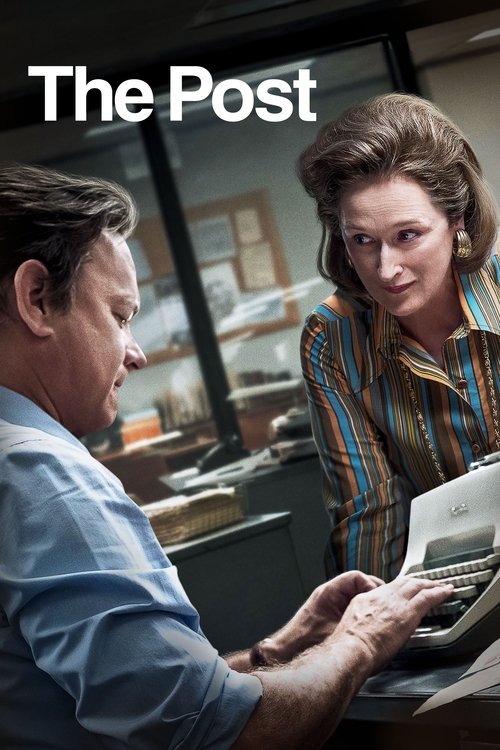
The Post2017
Streep and Hanks reprise the crusading-newspaper formula with Pentagon Papers stakes, glossy and confident, a comfort-food version of this same fight against corporate silence.
But Polished to the point of safeness; it rarely risks the ambiguity or grime the original film had.
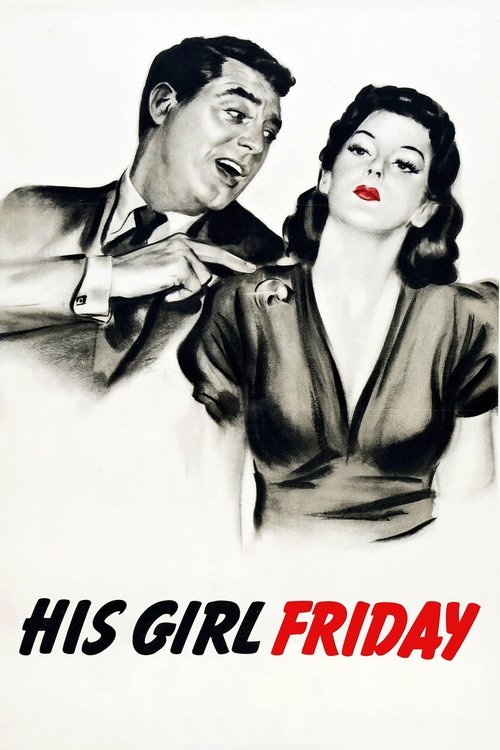
His Girl Friday1940
The screwball cousin — same smoky newsroom, same love of the racket of getting a story out, but rapid-fire comedy instead of crusading drama.
But If you came for moral weight, the tonal whiplash into comedy might feel like a betrayal of the mood you're in.
Absence of Malice1981no page yet
Paul Newman gets flattened by a careless press leak, flipping the moral lens onto journalism's collateral damage — essential if you rooted a little too easily for the reporters here.
But Slower and more melodrama than newsroom-procedural, and its romance subplot dilutes the institutional critique.
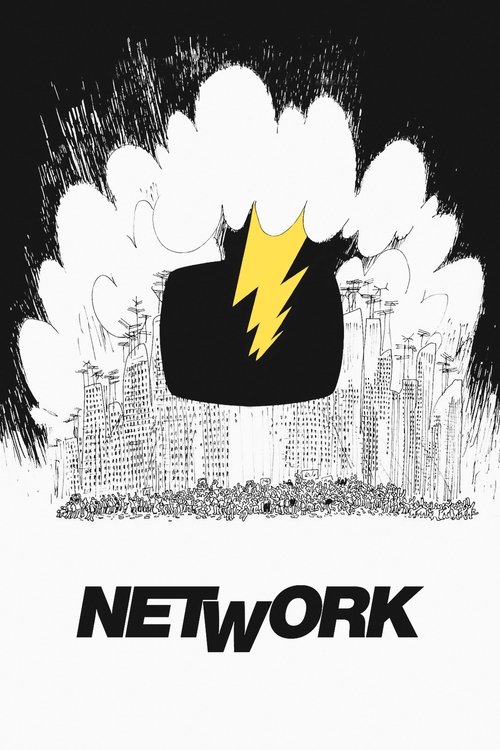
Network1976
The furious, prophetic cousin about television eating journalism alive — if this film mourns print's soul, that one screams about what replaces it.
But Broader and angrier, closer to satire than drama; a big tonal swing from Bogart's restraint.
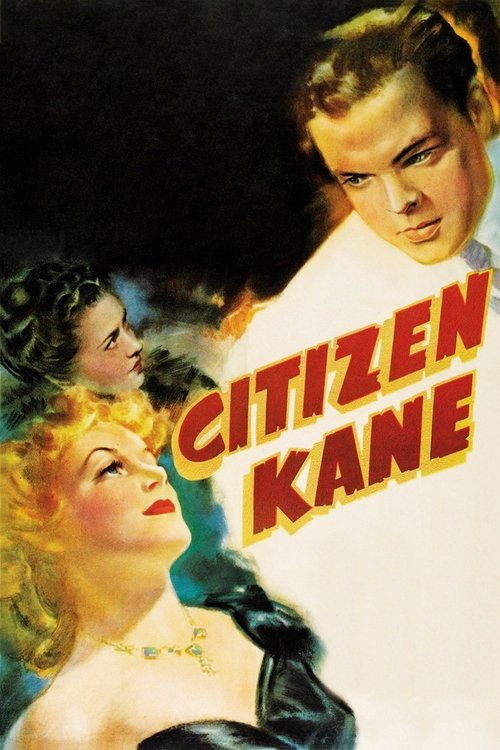
Citizen Kane1941
The mogul's-eye view of the same industry — a newspaper empire built and lost, seen from the top instead of the newsroom floor, just as essential to the genre's DNA.
But A towering, much-discussed classic many have already seen or feel obligated to admire rather than enjoy.
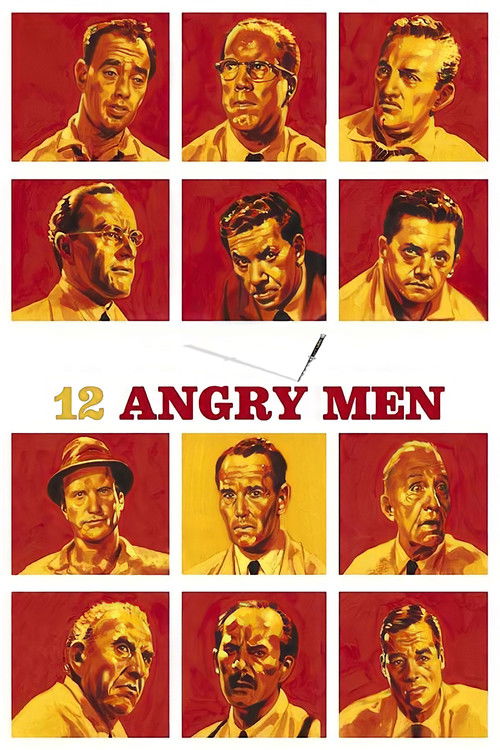
12 Angry Men1957
Structurally identical urgency: a lone figure fighting institutional indifference against a ticking clock, just relocated from a newsroom to a jury box.
Swap the newsroom for a jury room and you get the same engine — one person refusing to let apathy and expedience bury the truth before time runs out.
But No journalism, no crime spectacle — twelve men arguing in one room, which some find claustrophobic rather than gripping.
Scandal1950no page yet
A same-era, different-culture mirror — press ethics and libel instead of crusading exposé, showing the postwar world arguing this in more than one language.
Kurosawa's own tabloid-press morality tale, made almost simultaneously on the other side of the world — proof the same anxieties about journalism's power were gripping filmmakers everywhere at once.
But Minor Kurosawa, uneven pacing, with a melodramatic courtroom detour less disciplined than his major work.
People
Cast
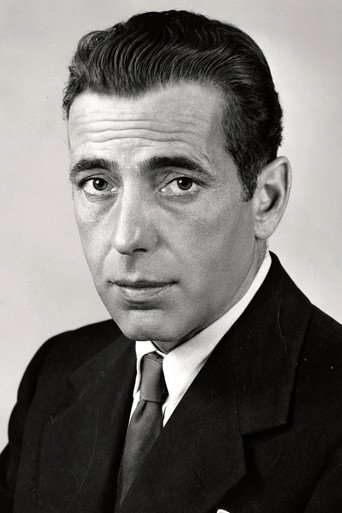 Humphrey BogartEd Hutcheson
 Ethel BarrymoreMargaret Garrison
 Kim HunterNora Hutcheson
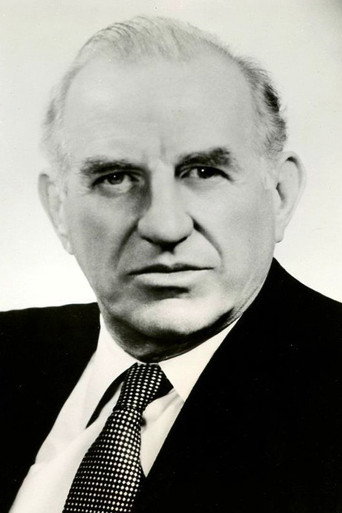 Ed BegleyFrank Allen
 Warren StevensGeorge Burrows
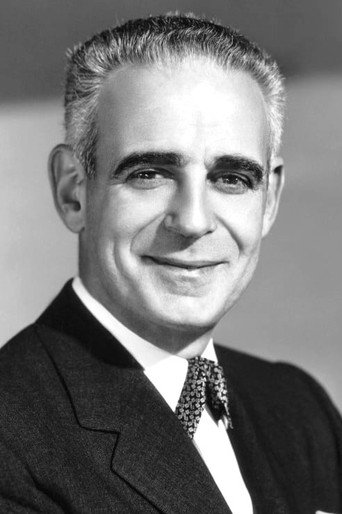 Paul StewartHarry Thompson
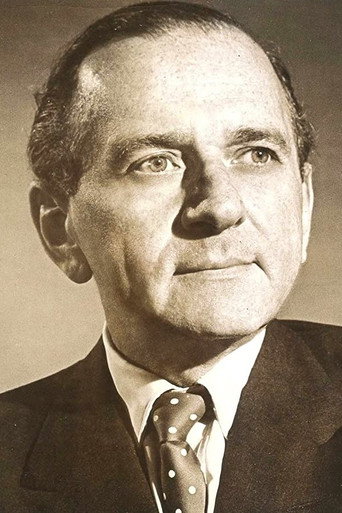 Martin GabelTomas Rienzi
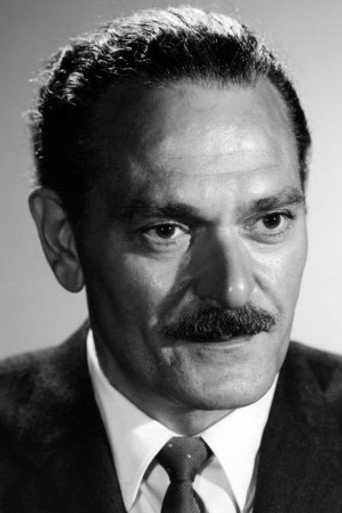 Joe De SantisHerman Schmidt
 Joyce MackenzieKatherine Garrison Geary
 Audrey ChristieMrs. Willebrandt
 Fay BakerAlice Garrison Courtney
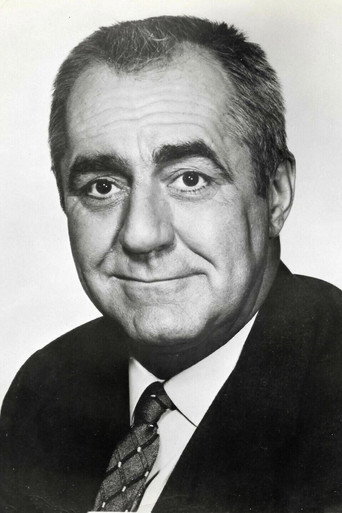 Jim BackusJim Cleary