
Film
The Discomfort of Evening
- Coming-of-age
- Slow-burning
A Dutch family drama adapted from Lucas Rijneveld's novel, centred on a ten-year-old girl navigating loss and displacement on a rural dairy farm. It's a quiet, observant film about how trauma arrives and settles into ordinary life—the kind that trusts you to sit with discomfort rather than explain it away. For viewers drawn to European cinema and stories that move at the pace of real grief.
Should you watch it?
Watch it if you like a patient, close-up study of a child's private world, where the pressure and tenderness of a rigid farm household come through in what goes unsaid.
Skip it if you need brisk plotting, since this moves at the unhurried pace of farm chores and lingers on small, uncomfortable details.
What it asks of you: Settle into a slow, hushed rhythm with long held silences, and stay alert, since much of the meaning sits in glances and gaps rather than dialogue.
Not sure? Find tonight's pick in a minute.
If you liked this
A Ghost Story2017
Haunting meditation on time, loss, and how the past clings to place. Like *Discomfort*, it finds profound strangeness in the domestic and refuses easy catharsis or sentimentality.
But Long stretches of stillness and abstraction may feel slow. The film asks patience rather than plot momentum.

Winter Light1963
Bergman's intimate portrait of faith, doubt, and emotional paralysis within a rural community. Both films trust silence and understand that pain doesn't always announce itself loudly.
But Bleak, unresolved, and philosophically demanding. Not designed to comfort or resolve.

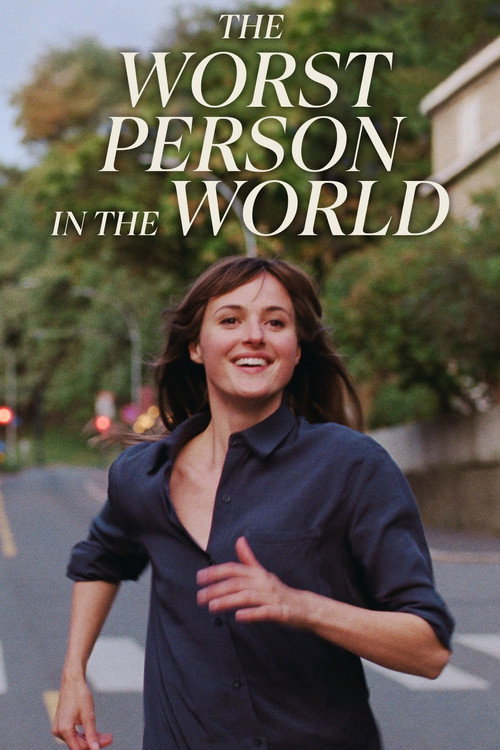
The Worst Person in the World2021
A Norwegian film about a young woman's internal life and the gap between how we appear and how we feel. Sharp, tender, and alert to small betrayals and minor disasters.
But Centred on urban millennials navigating romance and identity—very different setting from a farm, which may feel tonal whiplash.
Not sure tonight? Get a pick in a minute, starting from The Discomfort of Evening
The wildcard
Something you would not have found on your own.
Raw2017
Both films centre young girls experiencing profound alienation within family structures, using the body and physical sensation as a language for what cannot be spoken.
A French-Belgian horror film about a teenage girl discovering her body and its appetites through body horror. It uses genre conventions to explore bodily autonomy and family rupture with startling honesty.
But Visceral, graphic, deliberately transgressive. The horror elements are real and meant to disturb, not comfort.

More like this (7)
Come and See1985
A devastating Soviet film about childhood encountering historical horror. Both films understand that children see clearly and that witnessing leaves permanent marks.
But Apocalyptically brutal. This is not a film you recover from quickly; it demands emotional readiness.

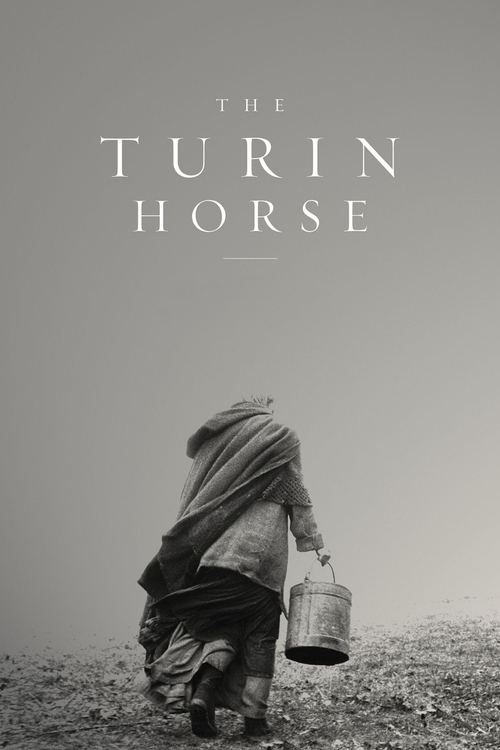
The Turin Horse2011
Béla Tarr's final film: rural, repetitive, hypnotic, and quietly catastrophic. A study in how ordinary life contains decay and the end of things.
But Black and white, glacially paced, structurally circular. Very much a challenge to conventional storytelling.
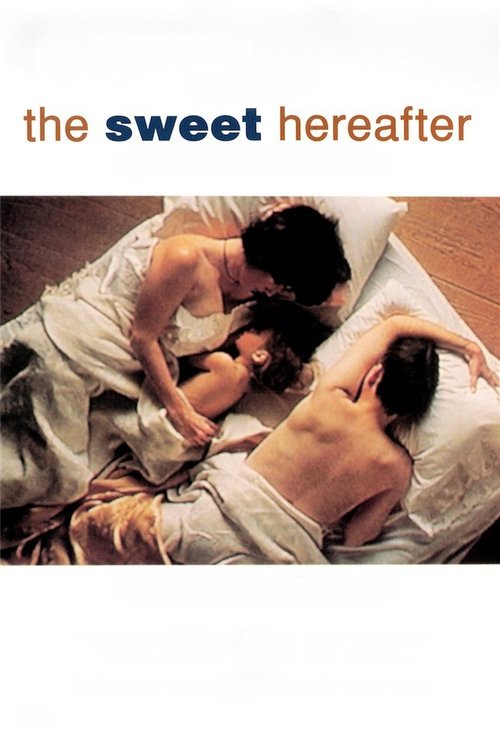
The Sweet Hereafter1997
Atom Egoyan's film about a small community fractured by tragedy. It understands how grief splinters a place and how people fail each other in the aftermath.
But Structurally fragmented and deliberately evasive. The narrative doesn't arrive where you expect it to go.
Stalker1979
Tarkovsky's meditative science-fiction film about interiority and desire. Like *Discomfort*, it moves at the pace of thought rather than plot, trusting atmosphere over explanation.
But Over two hours of philosophical ambiguity and deliberate pacing. Requires active engagement rather than passive consumption.

Under the Skin2014
Jonathan Glazer's elliptical, unsettling film about something alien observing human vulnerability. Visually spare and emotionally opaque in ways that linger.
But Cryptic, sparse on dialogue, and deliberately obscure. Meaning emerges only if you're willing to meet it halfway.

The Seventh Seal1957
Both films use rural, somewhat austere settings as stages for investigating how ordinary people confront loss and the absence of God or clear moral order.
Bergman's masterpiece about mortality, faith, and how we fill emptiness. Medieval in setting but modern in its existential inquiry—a film about how meaning breaks down.
But Released in 1957 and shot in black and white; its intellectual framework may feel distant from contemporary concerns about grief and childhood.

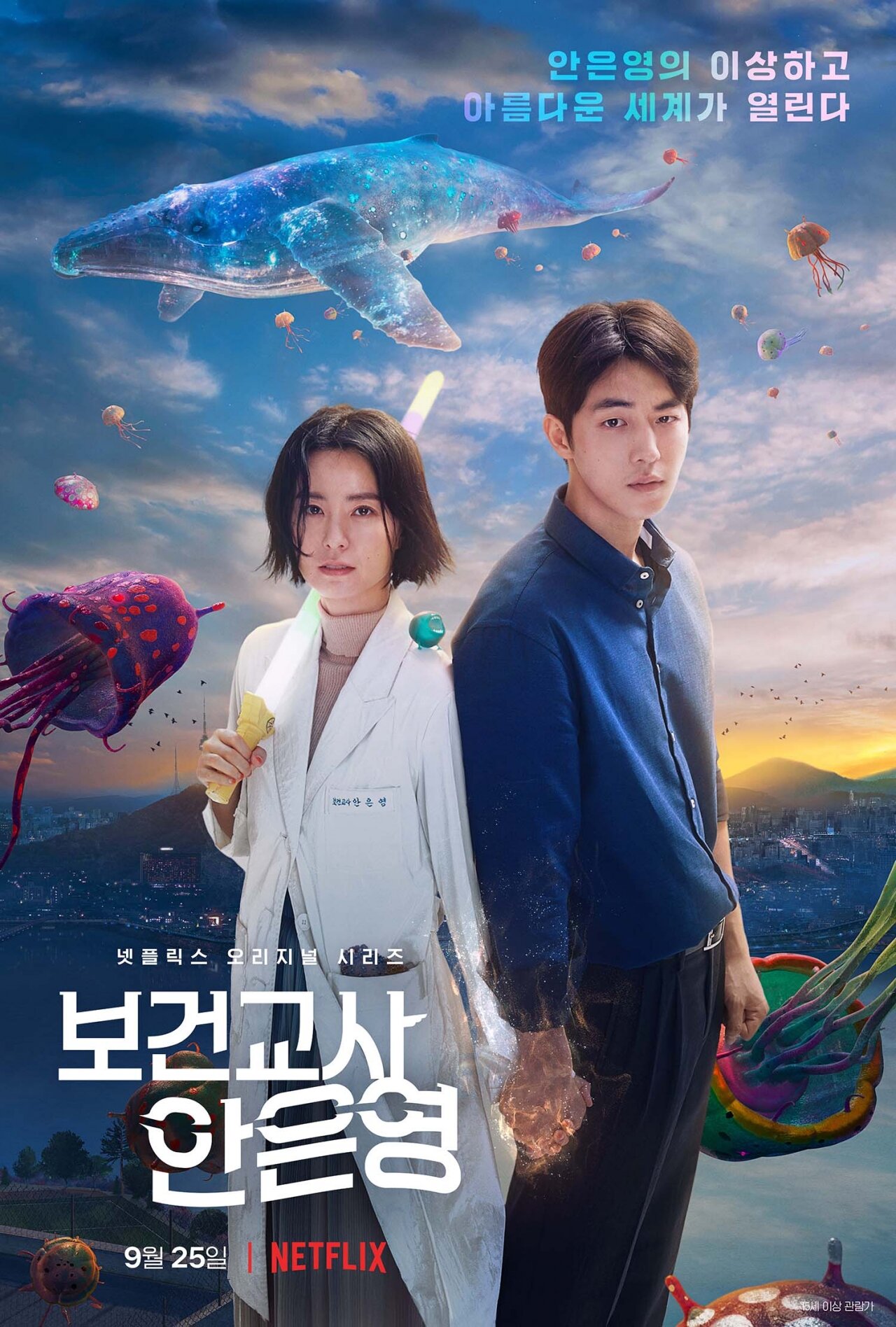
The School Nurse Files2020
Both centre children's interior lives in rural settings with minimal sentimentality, understanding that childhood is neither innocent nor protected, and that institutions shape what becomes visible.
A Turkish television series about a rural schoolhouse and the children within it. Episodic, intimate, and alert to the small violences and solidarities of institutional life and childhood.
But Serialized structure means it requires commitment. Pacing is deliberate; this is not prestige drama with clear momentum.
People
Directing
- Sacha PolakDirector
Writing
- Lucas RijneveldWriter