
Film
Happy Days
Other titles called Happy Days: the 1974 series (ABC), the 2007 film.
- Social drama
- Very dark
- Strange
- Slow-burning
A man discharged from a St. Petersburg hospital with a head injury drifts through a crumbling post-Soviet city, searching for shelter and identity among beggars, prostitutes, and the dispossessed. Alexei Balabanov's debut is a bleak, observational portrait of urban collapse—austere, patient, and deeply humanizing. Essential for those drawn to Eastern European cinema's unflinching gaze.
If you liked this
Come and See1985
Klimov's masterpiece about childhood destroyed by war shares Balabanov's refusal to look away from suffering. Devastating, poetic, and shot through with a moral clarity that transforms horror into art.
But At nearly three hours, it accumulates unbearable weight. The violence is not spectacle—it's an ethical reckoning that exhausts you deliberately.

The Ascent1977
Tarkovsky's story of two Soviet partisans hunted through a winter landscape has the same metaphysical patience and visual austerity. Spiritual rather than political, it asks what faith means when everything fails.
But Slow in ways that require surrender. If you want plot momentum or conventional drama, this will feel like watching paint freeze.

Stalker1979
Another Tarkovsky film—a journey into a mysterious zone with a philosophical drifter. Its meditative pace and questions about desire, meaning, and the self will resonate with Happy Days' own spiritual searching.
But 165 minutes of deliberation. Long stretches have minimal action. The philosophical weight may feel ponderous if you're not attuned to Tarkovsky's wavelength.

Not sure tonight? Get a pick in a minute, starting from Happy Days
The wildcard
Something you would not have found on your own.
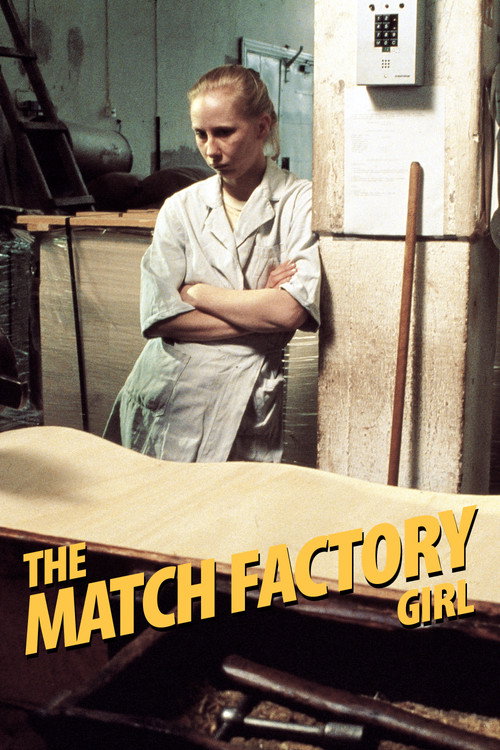
The Match Factory Girl1990
Both debut features from 1990-1991 observing post-Cold War urban wreckage through the margins. Both use long takes and sparse dialogue to dignify the forgotten. Same year, same moral clarity, entirely different registers.
Aki Kaurismäki's deadpan Finnish tragedy about a young woman crushed by poverty and indifference. Made the same year as Happy Days, it's also about urban isolation and the erasure of the powerless—but filtered through dark comedy and working-class mundanity.
But The humour is bone-dry and the tone remains flat even during despair. If you expect emotion to crescendo, Kaurismäki leaves you hanging.
More like this (8)
My Name Is Khan2010
A gentler film about a man reconstructing himself after trauma, navigating bureaucracy and prejudice. Khan's emotional clarity offers a counterpoint to Balabanov's severity while maintaining dignity for the overlooked.
But The uplift may feel saccharine if you've just watched Happy Days. Bollywood's emotional registers and this film's are nearly opposite.

In the Mood for Love2000
Wong Kar-wai's melancholic study of two neighbours in 1960s Hong Kong shares an obsession with longing, urban spaces, and the gap between what people want and what they can reach. Exquisite visual language.
But Glacially paced, sometimes abstract. The emotional restraint may read as coldness if you're looking for conventional narrative or catharsis.

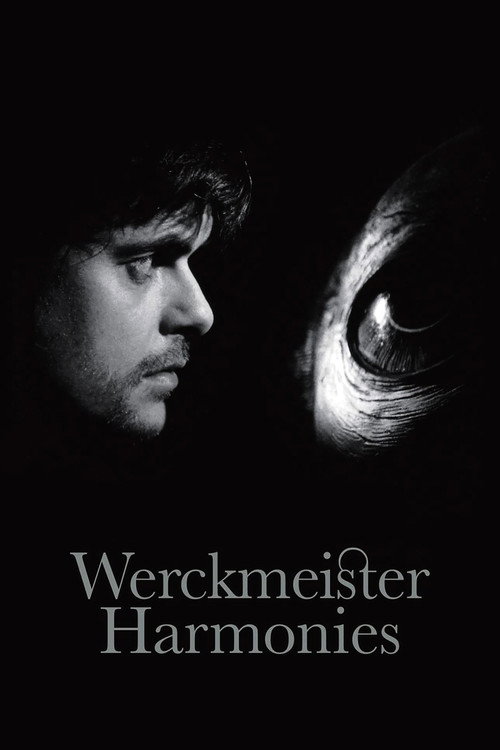
Werckmeister Harmonies2001
Béla Tarr's Hungarian masterpiece about a small town's moral collapse has the same bleak humanism and long takes. It observes society's underbelly with Balabanov's unflinching eye and similar compositional rigor.
But Shot in black-and-white with takes that stretch for minutes. Patience is not optional—it's the entire contract.
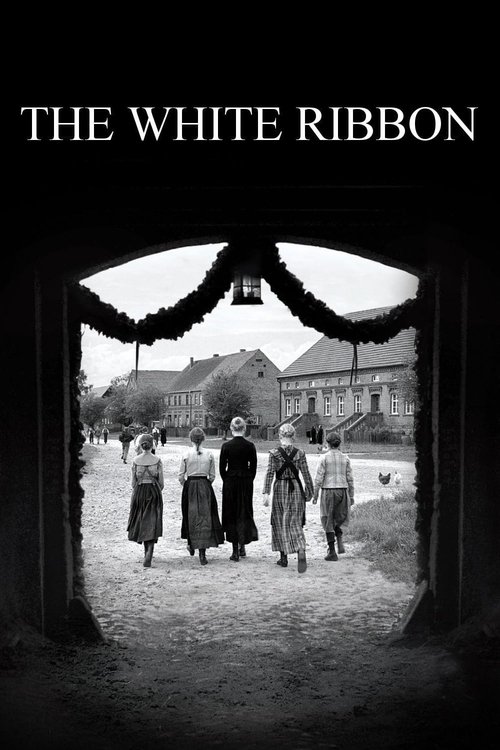
The White Ribbon2009
Haneke's investigation of a rural German village's hidden cruelties uses black-and-white photography and severe composition to explore how systems break people. The moral inquiry mirrors Balabanov's interest in social dissolution.
But Three hours, black-and-white, mystery without resolution. Haneke never offers the satisfaction of clarity or answers.
Under the Skin2014
Glazer's sci-fi poem about an alien predator moving through Scotland's edges has the same visual austerity and interest in how beings navigate cities they don't belong to. Hypnotic and strange.
But Deliberately enigmatic. Plot is minimal; mood is everything. If you need narrative clarity or conventional science fiction, this becomes frustrating.

A Prophet2009
Audiard's French prison film watches a man's identity reformed by brutal systems. It shares Balabanov's interest in how desperation shapes character, and carries similar weight without the metaphysical questioning.
But Prison violence is blunt and regular. The film doesn't soften its setting, which can feel relentless.

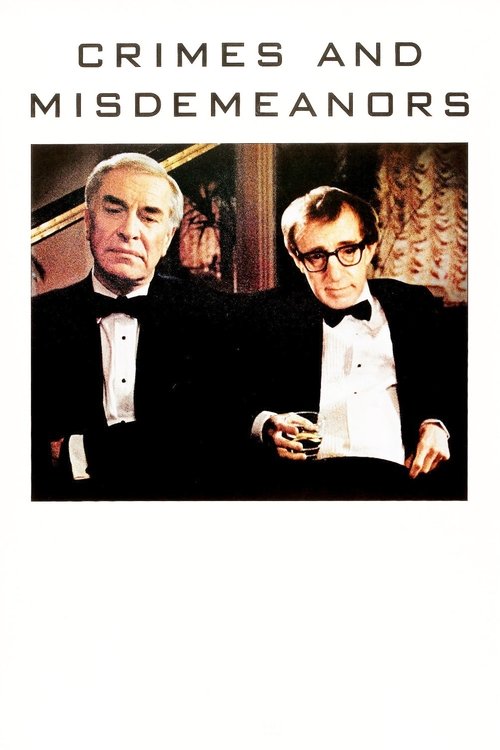
Crimes and Misdemeanors1989
Both grapple with the absence of moral consequence in a godless world. Balabanov does it through observation of destitution; Allen does it through a comfortable man's guilty conscience. Same ethical question, inverted class perspectives.
Allen's philosophical drama about a man who commits murder and isn't punished explores moral vertigo and the comfort we take in small distractions. A film about how we live when God isn't watching, made with wit and anguish.
But Structurally, it's two films spliced together. The tonal whiplash between comedy and dark philosophy may feel uneven, and Allen's neurotic Manhattan is far from Balabanov's Petersburg.
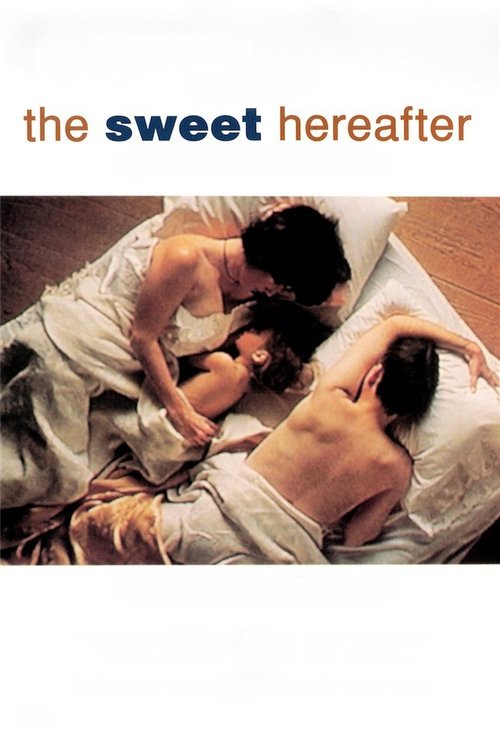
The Sweet Hereafter1997
Both films are structured as accretion—small moments, encounters, observations that build into a portrait of social disintegration. Egoyan uses fractured time; Balabanov uses wandering observation. Same architecture of decline, different tools.
Atom Egoyan's narrative about a bus crash destroying a small town uses fragmented storytelling to examine how communities process catastrophe and how lawyers mine grief for profit. Lyrical and structurally audacious, it's about systems failing people.
But The non-linear narrative requires attention. Events are revealed piecemeal, which can feel withholding. Some find Egoyan's formal distance frustrating when the subject is raw trauma.
People
Cast

 Evgeniy Merkurevman with donkey
 Georgiy Teykhfather of blind man
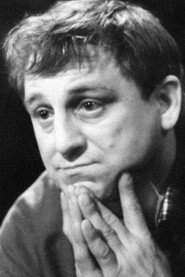 Nikolay LavrovSergei Sergeevich Sysoyev
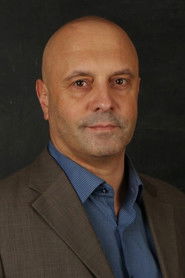 Arkady Sharogradskyhead of the laundry
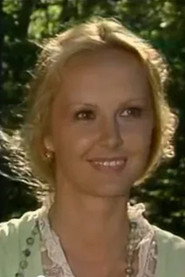 Milena TontegodeSergey Sergeevich's wife
- Tatyana Stepanovanurse
- Lyubov Tishchenkoapartment owner
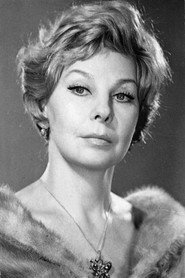 Marina Yurasovaapartment owner
Directing
- Aleksei BalabanovDirector
Writing
- Aleksei BalabanovScreenplay
Production
- Sergei SelyanovProducer