
Film
One Step Beyond
Other titles called One Step Beyond: the 1959 series (ABC).
A spare 23-minute Soviet drama from Alexei Balabanov's student days, made as thesis work at the Higher Courses of Scriptwriters and Directors. Austere and unadorned, it announces the style that would define Balabanov's later work: small human moments watched with unflinching attention, no sentimentality, no easy answers. For those interested in how great directors begin.
If you liked this
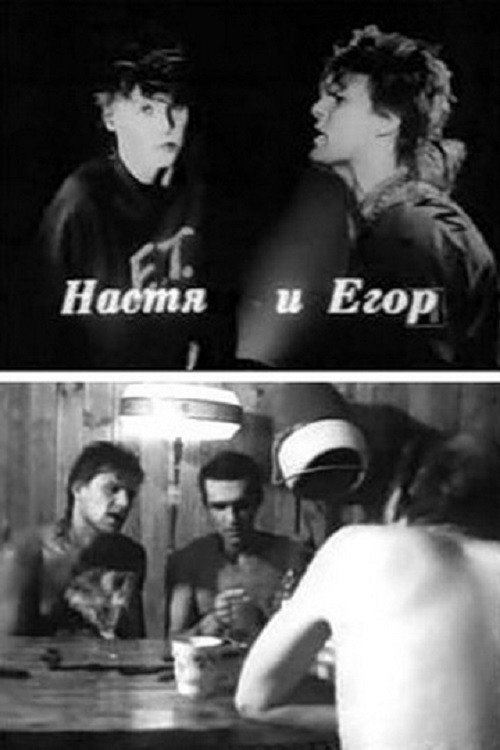
Nastya and Egor1989
Balabanov's immediate follow-up, expanding the material from this short into a fuller portrait. You'll see how he developed these characters and themes when given more room to breathe.
But Shot in the same austere style; if the shortness here felt limiting rather than powerful, the feature won't suddenly feel warm or easily cathartic.
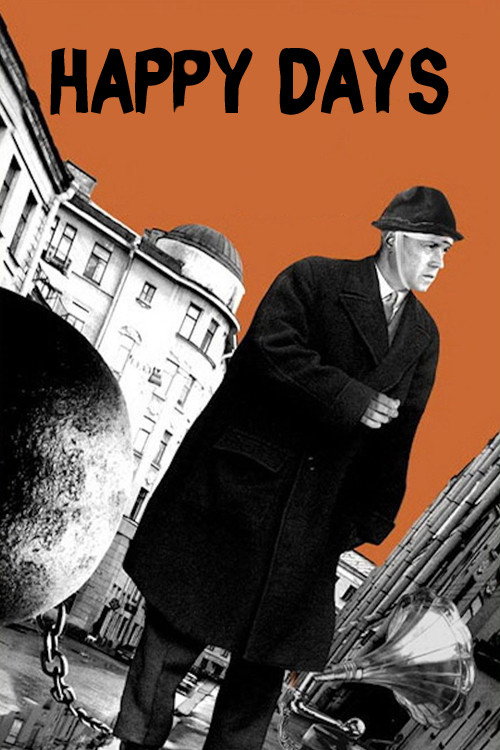
Happy Days1991
Early Balabanov, still in his documentary-influenced mode, examining ordinary lives without flinching. Establishes the moral clarity and refusal of easy sentiment that define his vision.
But It's slow and offers no narrative comfort. Long stretches of watching people exist rather than dramatic arcs.
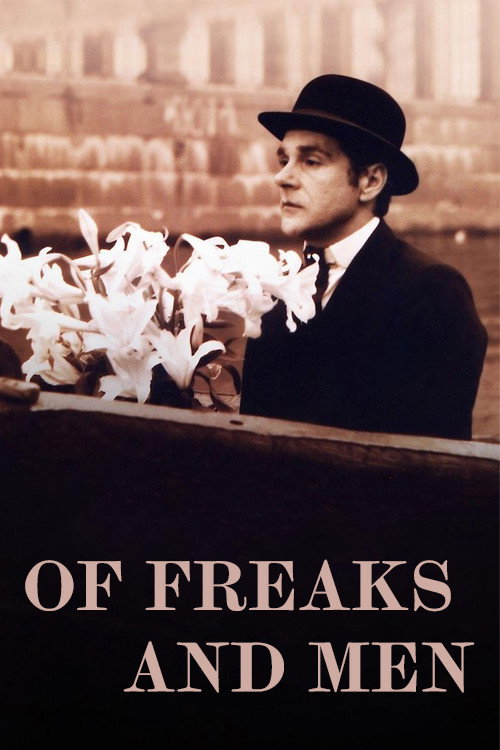
Of Freaks and Men1998
Balabanov in full command, probing desire and cruelty in 1900s Petersburg. Visually stunning and morally unsettling—proof that his early severity was always aimed at truth.
But Sexually explicit and genuinely disturbing. Not difficult in an abstract way; difficult because it shows what people do.
Not sure tonight? Get a pick in a minute, starting from One Step Beyond
The wildcard
Something you would not have found on your own.
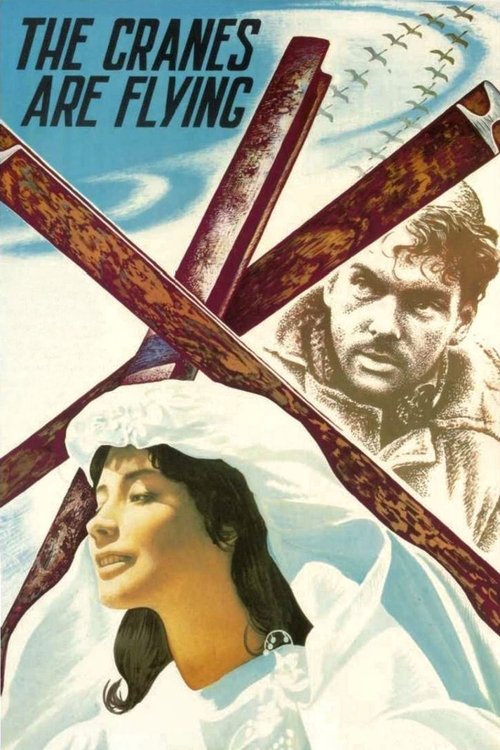
The Cranes Are Flying1957
Both are Soviet films made in the post-war era, but Kalatozov's baroque romanticism and Balabanov's austere realism represent two irreconcilable responses to the same national trauma.
Mikhail Kalatozov's sweeping Soviet romance, emotionally direct and visually magnificent—proof that Soviet cinema in the 1950s could be both formally adventurous and emotionally open. Shows what Balabanov was reacting against.
But It's the opposite temperature: lush, dramatic, romantic. The contrast with Balabanov's severity is the whole point.
More like this (7)
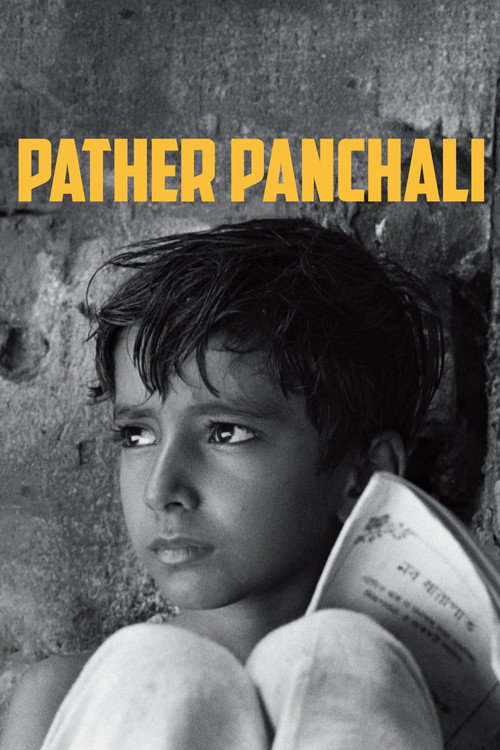
Pather Panchali1955
Satyajit Ray's masterpiece of observation without judgment. Like Balabanov's work, it finds profound emotion in small gestures and weathered faces, refusing melodrama.
But At nearly two hours and made in 1955, it moves at its own pace. Modern audiences sometimes find it slow until they stop waiting for plot.
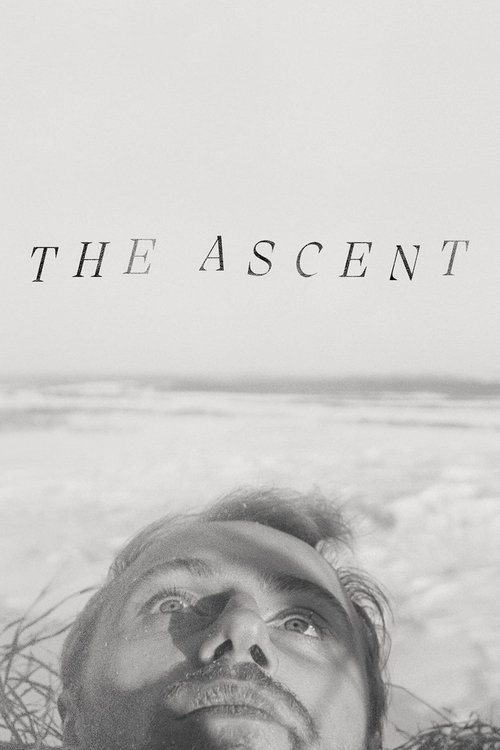
The Ascent1977
Larisa Shepitko's philosophical drama about two Soviet partisans; shot in stark black-and-white with the same unsparing eye for human dignity that Balabanov inherited.
But Deeply serious, almost theological. There is no lightness here, and the pacing rewards patience rather than demanding it.
Come and See1985
Elem Klimov's Soviet masterpiece about a boy's encounter with war. Brutal, unforgettable, and utterly without sentimentality—the moral predecessor to Balabanov's later work.
But One of cinema's most harrowing films. Not recommended if you're looking for escapism or comfort.

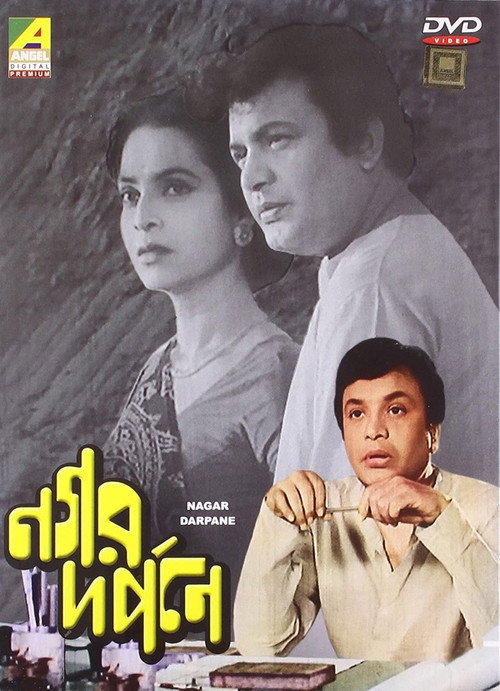
In the Mirror of the City1975
Andrei Tarkovsky's meditation on memory and Soviet history, fragmented and poetic. Shows another approach to serious cinema from the same cultural moment that produced Balabanov.
But Famously difficult and associative. If you want narrative clarity, this will frustrate you.
Stalker1979
Tarkovsky again, but more accessible—a philosophical science-fiction film about desire and faith. Proves that Soviet cinema could be both formally daring and humanely engaged.
But Meditative and very long. The journey matters more than any destination, which is either profound or tedious depending on your mood.

The Lord of the Rings: The Return of the King2003
Andrey Zvyagintsev's debut about a father and two sons; spare, naturalistic, morally complex. Shows how Balabanov's approach to human observation influenced the next generation of Russian directors.
But Deliberately ambiguous about its central relationship. If you need clarity or sympathy from your characters, the ending will feel incomplete.
Tokyo Story1953
Ozu's method—watching ordinary people move through ordinary rooms, finding the profound in the quotidian—is the structural and spiritual ancestor of what Balabanov learned to do.
Yasujirō Ozu's masterpiece of domestic observation: unhurried, deeply moving, built entirely from small moments and the spaces between them. No plot, just life watched with infinite patience and love.
But Requires active surrender. If you're waiting for drama or conflict to drive the film, you'll be waiting for two and a half hours.

People
Cast

Directing
- Aleksei BalabanovDirector
Writing
- Aleksei BalabanovScreenplay