
Film
Of Freaks and Men
A 1998 Russian film set in early-20th-century St. Petersburg, where a photographer's underground erotic business infiltrates the lives of two aristocratic families. It's provocative and darkly comic, mixing absurdist humor with genuine unease. For viewers who prize formal audacity and don't flinch from sex as subject matter.
If you liked this
Stalker1979
Tarkovsky's sci-fi masterpiece about desire and obsession, structured like a journey through philosophical zones. Shares the same intellectual ambition and willingness to make viewers sit with discomfort.
But Glacially paced, nearly three hours, and philosophically dense in ways that demand active engagement rather than passive watching.

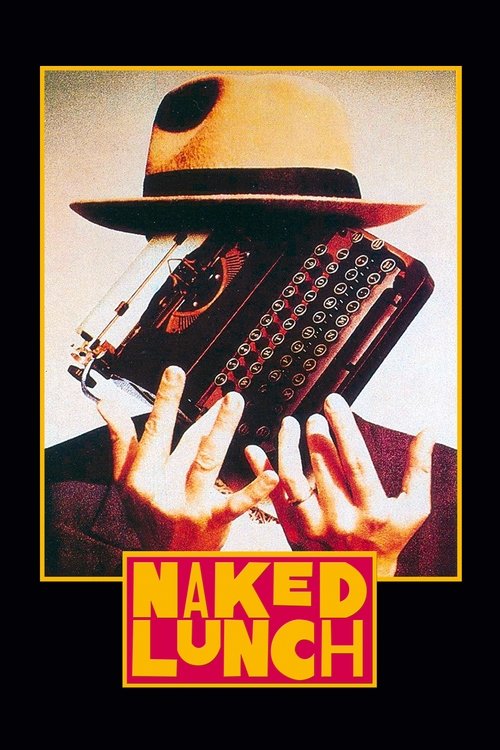
Naked Lunch1991
Cronenberg's adaptation of Burroughs is similarly provocative, sexually explicit, and formally fractured. Both films refuse to apologize for their subject matter while maintaining artistic rigor.
But Surreal and frequently grotesque; the narrative logic is deliberately fractured, which some find pretentious rather than purposeful.
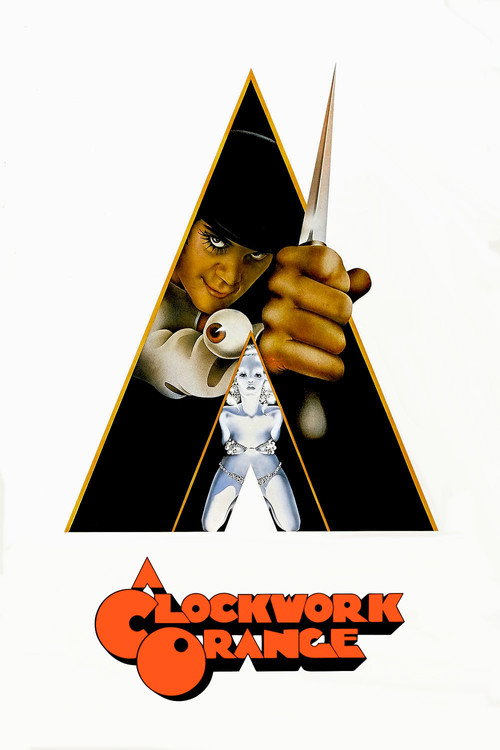
A Clockwork Orange1971
Kubrick's controversial study of violence, sexuality, and state control uses formal technique as moral argument. Both films weaponize discomfort as a tool rather than indulgence.
But Genuinely shocking and morally queasy; it's easy to misread as endorsing what it's critiquing, which remains contested.
Not sure tonight? Get a pick in a minute, starting from Of Freaks and Men
The wildcard
Something you would not have found on your own.
Come and See1985
Both are Russian/Soviet films that use formal provocation and tonal instability to force viewers into complicity with historical cruelty—not to exploit it, but to make denial impossible.
Elem Klimov's Soviet war film is a formally audacious, almost hallucinogenic document of atrocity. Like *Of Freaks and Men*, it uses shocking imagery and tonal dissonance—mixing horror with grotesque comedy—to make historical violence unforgettable and unprocessable.
But Genuinely traumatic; it's one of the most disturbing films ever made. The depiction of violence and suffering is literal and relentless, without catharsis or moral comfort.

More like this (7)
In the Mood for Love2000
Wong Kar-wai's film is also set in a repressed era and uses visual excess and formal control to explore desire operating under constraint. The texture of the cinematography becomes the subject.
But Deliberately slow and sensual rather than narrative-driven; the story is almost secondary to the mood and image.

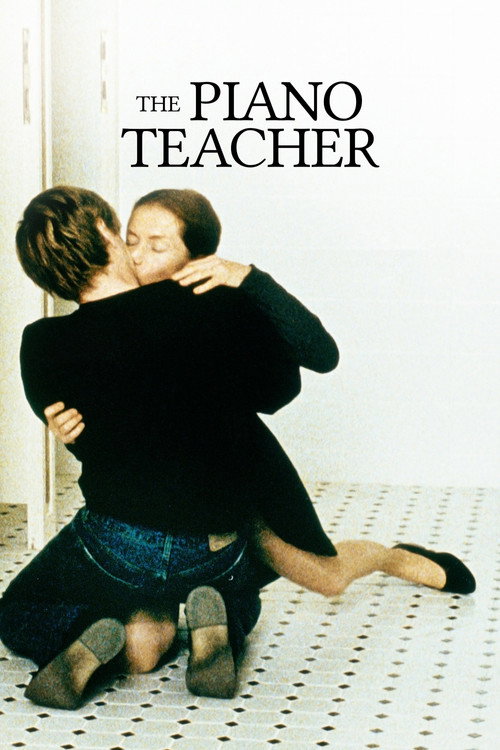
The Piano Teacher2001
Haneke's Austrian drama is equally transgressive about sexuality and class, with a protagonist whose desires are complicated and darkly comedic. Both films treat perversion as a form of social critique.
But Intensely uncomfortable viewing with graphic sexual content; the main character is deeply unlikeable and the film offers no moral reassurance.
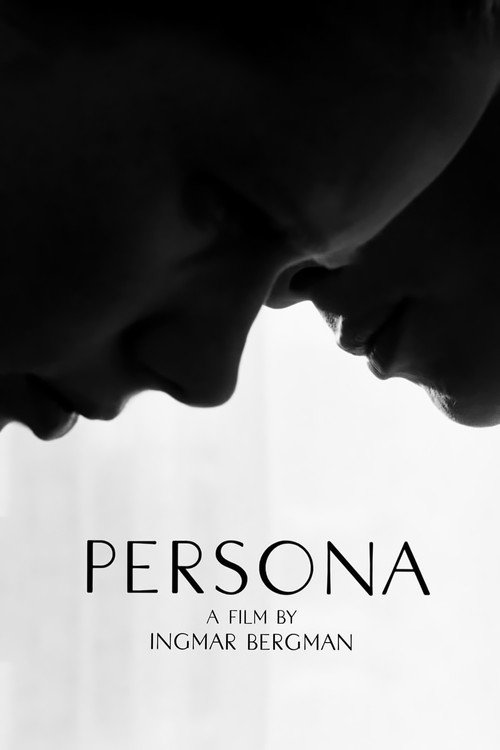
Persona1966
Bergman's meditation on identity, performance, and the impossibility of authentic connection. Both films suggest that image-making and deception are fundamental to human relations.
But Explicitly avant-garde; long stretches of silence and abstraction will alienate viewers looking for conventional narrative momentum.
Mulholland Drive2001
Lynch's exploration of Hollywood, desire, and the constructed self uses fractured storytelling and sexual content to probe how fantasy shapes reality. Similar moral ambiguity about who we can trust.
But Deliberately nonlinear and open to interpretation; many find it baffling on first viewing, and rewatching demands significant mental labor.

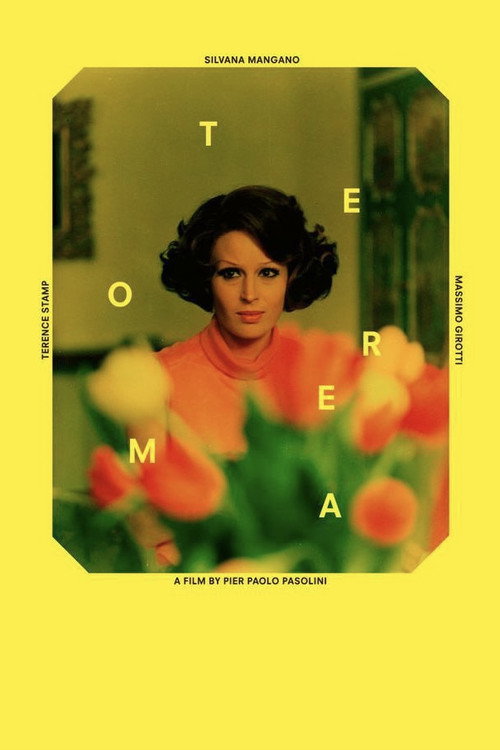
Theorem1968
Pasolini's Marxist provocation about a mysterious stranger who disrupts a bourgeois family through desire and seduction. Shares the same interest in sexuality as a tool for social and spiritual critique.
But Philosophically abstract and methodical; the pacing is deliberate to the point of feeling static, and the sexual content is presented matter-of-factly rather than dramatically.
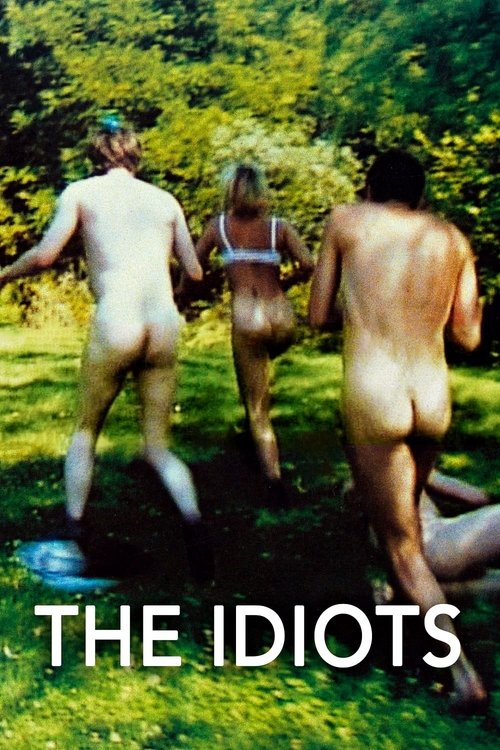
The Idiots1998
Both films use deliberately offensive subject matter and unstable tone to examine how the body becomes a text—how transgression and performance can be sincere critiques of bourgeois hypocrisy.
Lars von Trier's Dogme manifesto film about middle-class Danes performing mental disability as liberation. It shares *Of Freaks and Men*'s dark comedy about performance, transgression as social critique, and the fuzzy line between art and exploitation.
But Shaky handheld video, no conventional narrative, and scenes of simulated disability that many will find offensive or insufferable rather than thought-provoking.
The Seventh Seal1957
Both films treat historical setting as a lens for contemporary spiritual crisis—the past as a mirror for how we construct meaning, identity, and desire when traditional structures are collapsing.
Bergman's medieval allegory about mortality, faith, and the performance of meaning seems worlds away, but both films are about human beings trying to impose order and narrative on chaos. Death and desire are equally abstract, equally inescapable.
But Explicitly philosophical and theological; if you find Bergman ponderous, this will feel like a three-hour seminar rather than cinema. The blackness of the humor is easy to miss.

People
Cast
 Sergey MakovetskiyYohan
 Dinara DrukarovaLiza
 Anzhelika NevolinaEkaterina Kirillovna
 Viktor SukhorukovViktor Ivanovich
 Yuriy Galtsevproducer
- Alyosha DyoKolya
- Vadim ProkhorovPutilov
 Aleksandr MezentsevStasov - doctor
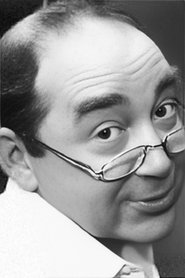 Igor ShibanovRadlov - engineer
- Darya YugrensGrunia
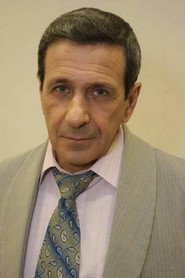 Boris Smolkinphotographer
Directing
- Aleksei BalabanovDirector
Writing
- Aleksei BalabanovWriter
Production
- Oleg BotogovProducer
- Sergei SelyanovProducer
- Sergey ChliyantsProducer