
Television series
Happy Days
Happy Days is comfort food television: a squeaky-clean, laugh-tracked trip back to 1950s Milwaukee where the biggest crisis is working up the nerve to ask a girl to Arnold's. It's gentle, episodic, and unapologetically sunny — until Fonzie's leather-jacket cool hijacks the show and turns it into something stranger and more beloved. Great for anyone craving nostalgia without edge, or curious how sitcoms accidentally invent their own icons.
If you liked this
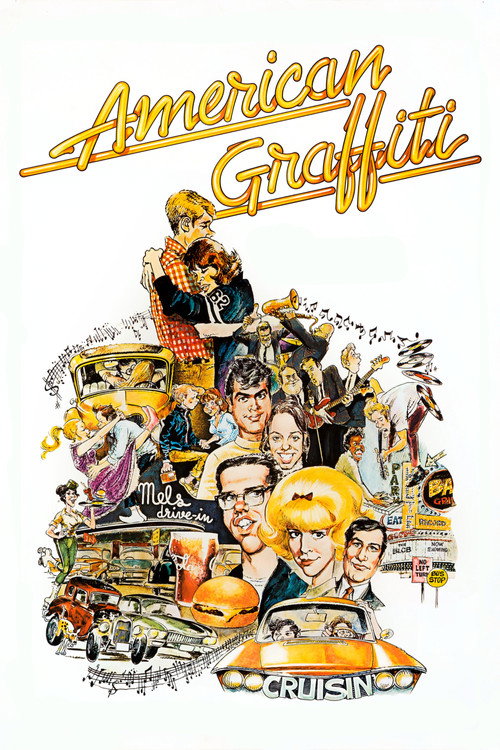
American Graffiti1973
George Lucas's cruising-teens ensemble is the actual blueprint Happy Days borrowed from — one last night of drag races, doo-wop and indecision before adulthood swallows everyone whole.
But Wistful and meandering rather than plot-driven; if you want jokes and tidy resolutions, this isn't built for that.
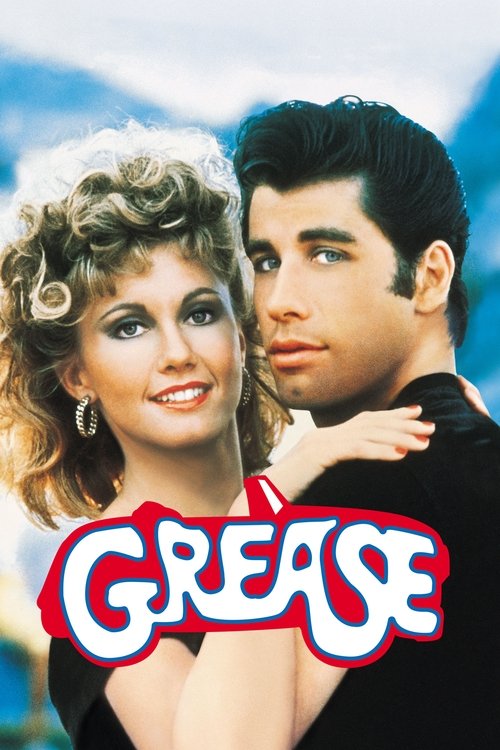
Grease1978
Bigger, glossier, and musical — leather jackets, poodle skirts and a soundtrack that turns teenage rebellion into pure spectacle. It's the loud, technicolor cousin to Richie and Fonzie's world.
But The sunny surface hides some genuinely uncomfortable subplots about pressure and consent that haven't aged gracefully.
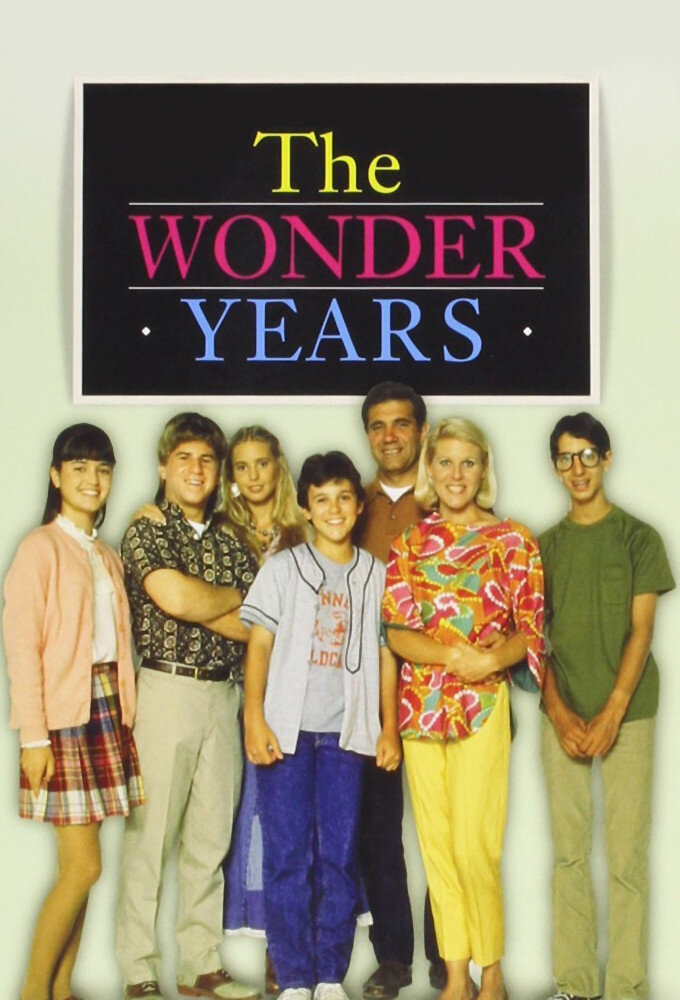
The Wonder Years1988
Swaps the fifties for the sixties and adds a wistful adult narrator looking back on his own adolescence — same warm nostalgia, but with real melancholy underneath the jokes.
But Slower and more reflective; it trades sitcom snap for something closer to memoir.
The wildcard
Something you would not have found on your own.
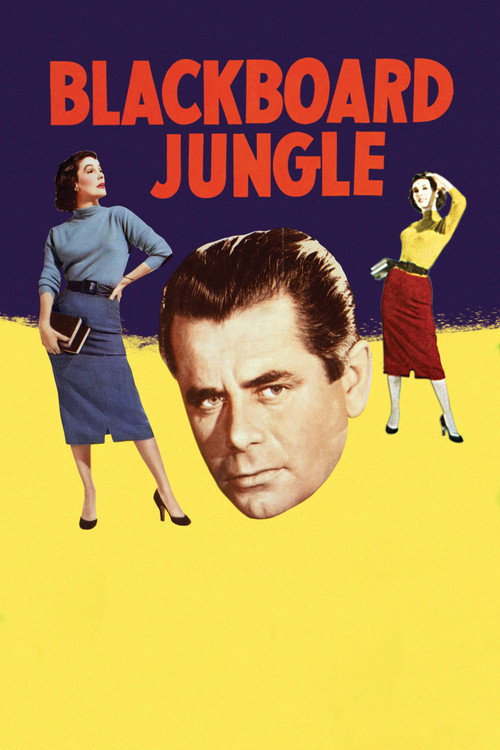
Blackboard Jungle1955
Same era, same rebel-with-a-leather-jacket iconography Fonzie borrowed wholesale — but here rebellion is treated as a genuine social threat, not a catchphrase.
A real 1950s high school drama, made while Happy Days was only nostalgia for its writers' own childhoods — leather jackets and switchblades played for genuine menace, not charm.
But Grim and moralizing where Happy Days is warm; there's no laugh track and no Fonzie-style redemption arc.
More like this (7)
That '70s Show1998no page yet
The basement replaces the burger joint but the formula's intact: a gang of teenagers, a beloved-but-baffled adult, and a laugh track cheering on every bad decision.
But Cruder and more knowing than Happy Days — the innocence is largely the point of the joke.
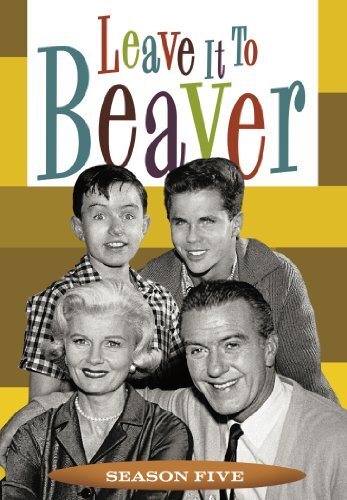
Leave It to Beaver1957
The real, unironic 1950s sitcom Happy Days was lovingly parodying — same manners, same malt-shop stakes, made while the decade was actually happening.
But Slower pace and stiffer performances by modern standards; it plays it completely straight, with none of Fonzie's wink.
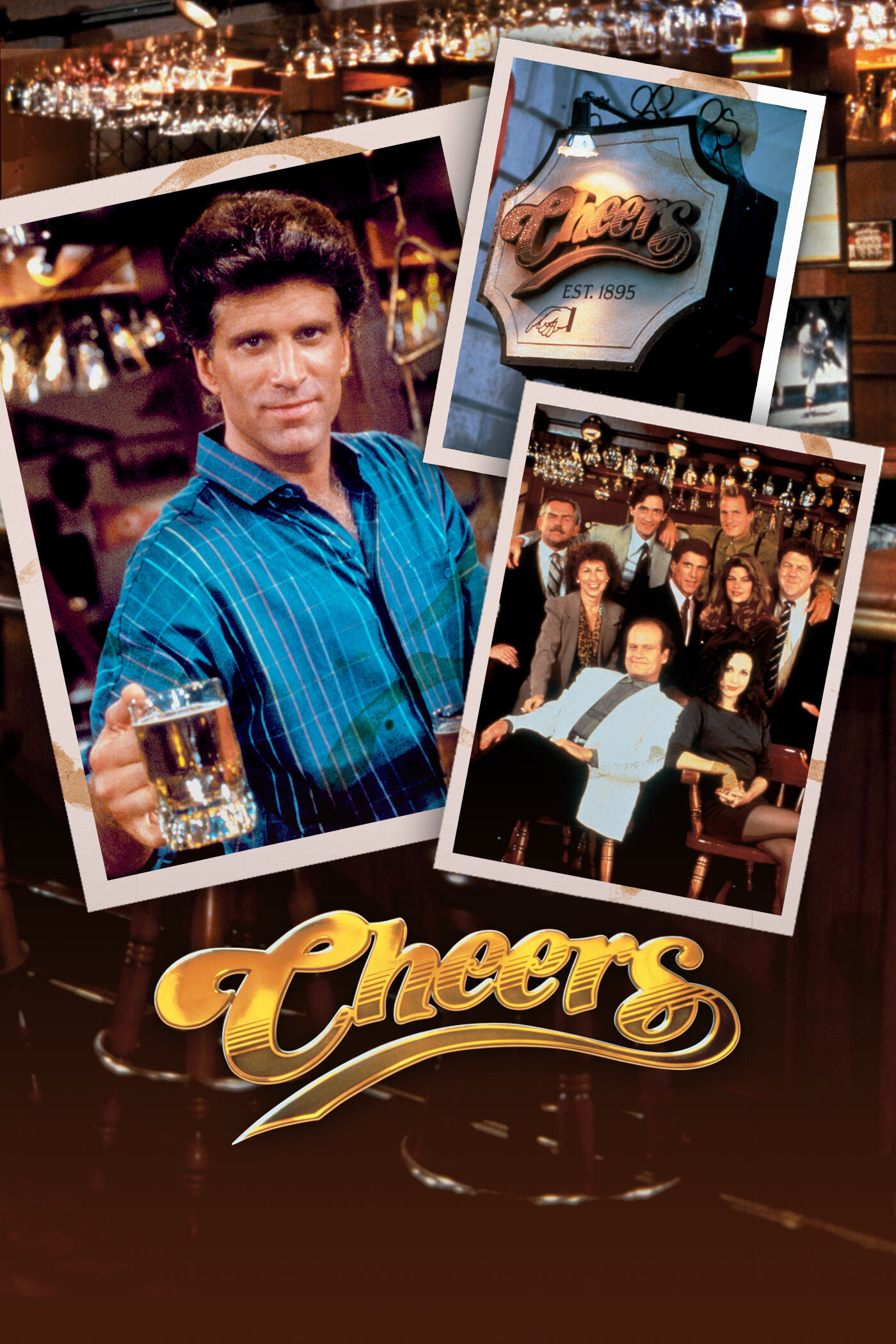
Cheers1982
Swap the malt shop for a Boston bar and you've got the same hangout-sitcom engine — a regular cast of misfits who'd rather be there than anywhere else.
But Adult humor and barroom cynicism replace the wholesome sweetness; don't expect anyone as pure-hearted as Richie.
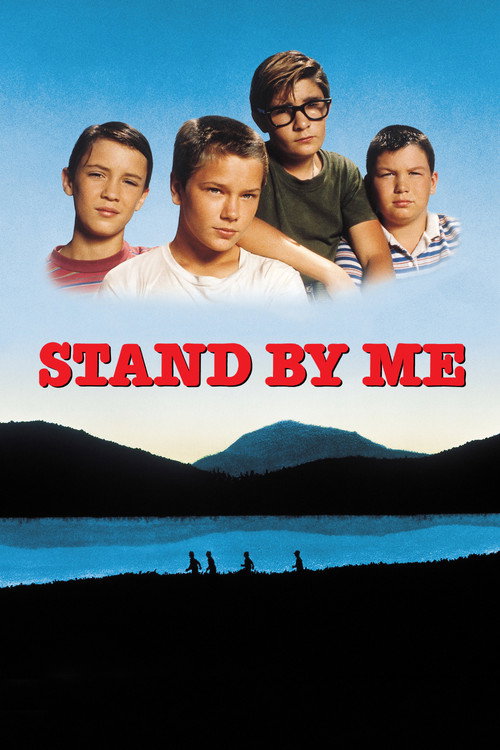
Stand by Me1986
Four boys, one long walk, and the same small-town nostalgia — but shot through with real danger and grief instead of gags. Coming-of-age with actual stakes.
But Considerably darker and sadder than anything Happy Days ever risked; it earns its tears.
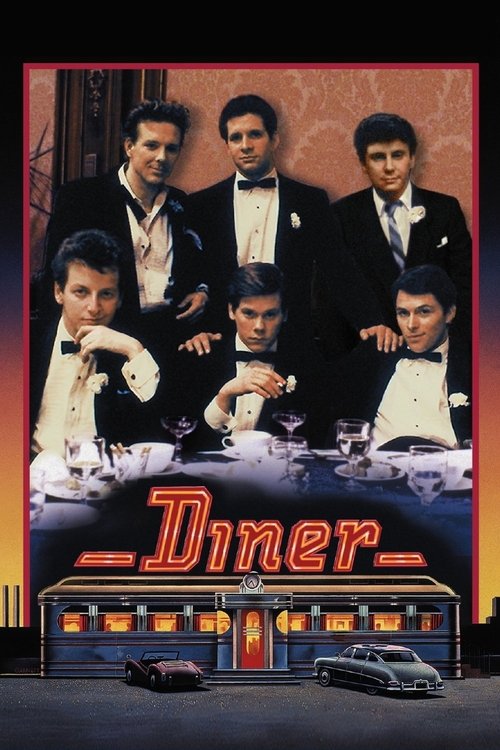
Diner1982
A group of young Baltimore men circle adulthood from a booth at their favorite diner, trading banter that's funnier and more melancholic than any malt-shop scene.
But Slower, more character-driven and less plot-happy — no laugh track, no easy resolutions.
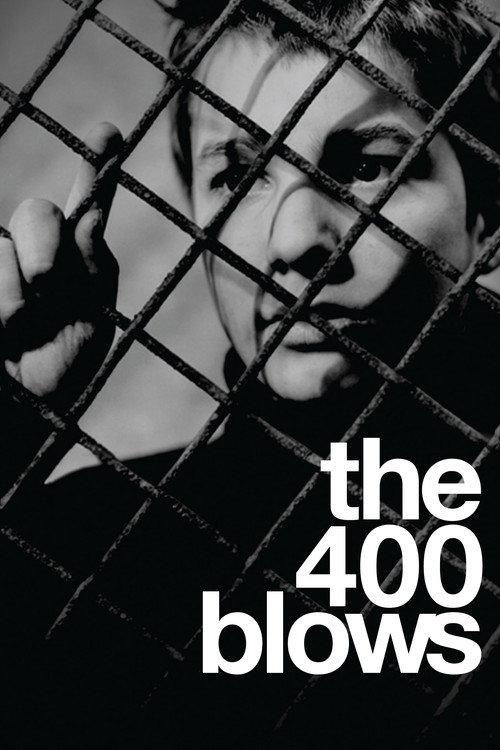
The 400 Blows1959
Both circle the same question — what a teenager does with an adult world that barely notices him — but one answers it with jokes, the other with tenderness and heartbreak.
François Truffaut's French New Wave classic follows a misunderstood teenage boy adrift in Paris — the same coming-of-age ache Happy Days flirted with, filmed with aching honesty instead of a studio audience.
But Subtitled, slow, and devastating rather than cozy; this is adolescence without a safety net or a punchline.
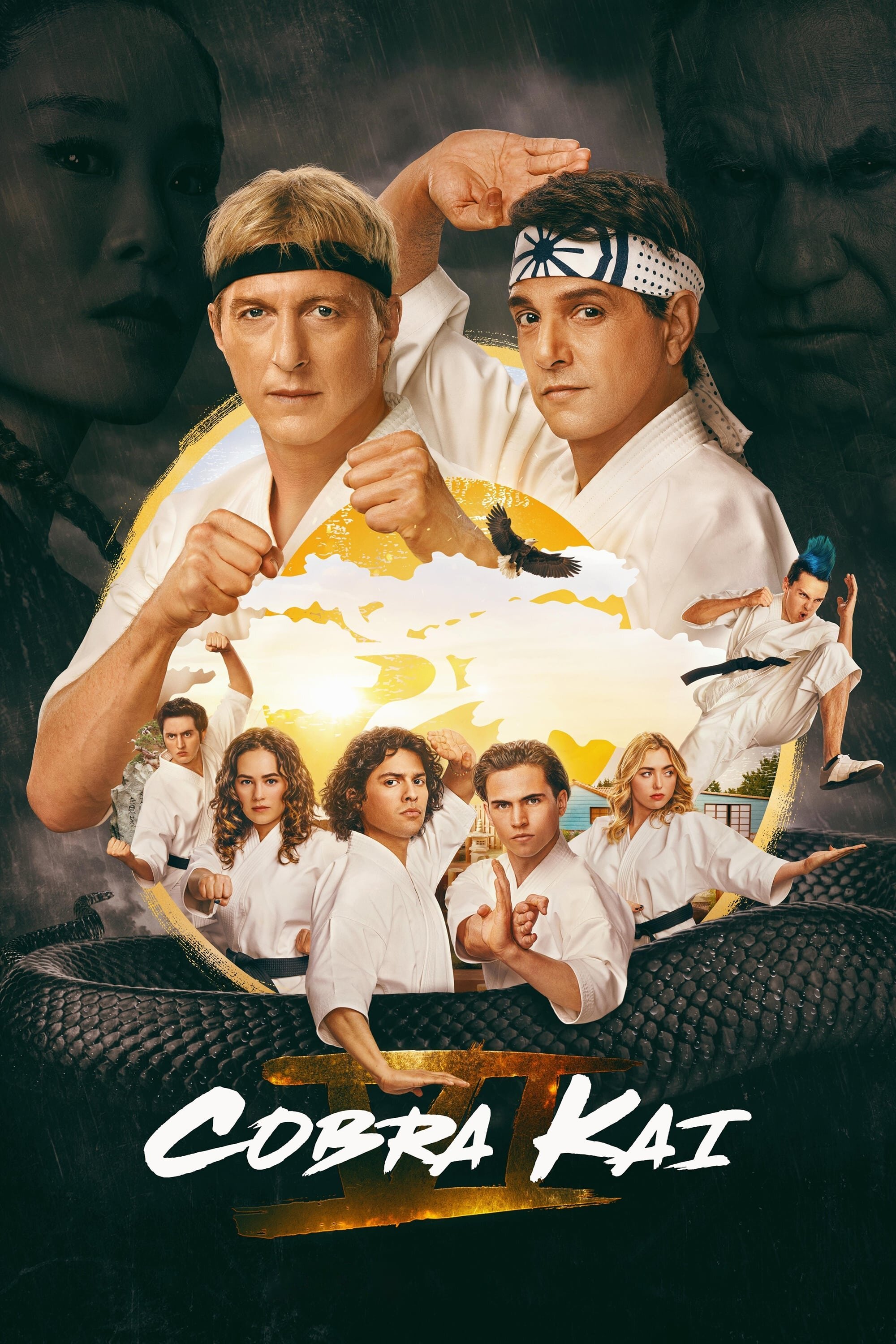
Cobra Kai2018
Fonzie's whole dynamic with Richie — the rough-edged cool guy shaping a soft kid into someone braver — gets stretched into an entire show's engine, just with karate instead of malt shops.
Decades later, the "cool outsider mentors the awkward kid" formula gets reborn as a martial-arts serial soap — equal parts nostalgia trip and genuinely gripping drama, with none of the sitcom staging.
But Streaming-era pacing and season-long arcs replace the episodic comfort; it's binge television, not something to dip into.
People
Cast


Writing
- Garry MarshallCreator
Production
- Claude Binyon, Jr.Associate Producer
- Gary MenteerAssociate Producer
- James Patrick DunneAssociate Producer
- Michael WarrenAssociate Producer
- Nick AbdoAssociate Producer
- Rich CorrellAssociate Producer
- Ronny HallinAssociate Producer
- Ed ScharlachCo-Producer
- Edward K. MilkisExecutive Producer
- Garry MarshallExecutive Producer
- Thomas L. MillerExecutive Producer
- Brian LevantSupervising Producer
- Fred Fox, Jr.Supervising Producer
Recommended by
Haikyuu!!, Family Matters, Mork & Mindy, Leave It to Beaver, Aoashi, Captain Tsubasa, The Brady Bunch