
Television series
The Many Loves of Dobie Gillis
- Comedy
- Light-hearted
A breezy sitcom about a charmingly aimless teenager navigating love, ambition, and his father's expectations. Dobie Gillis won hearts by being likeable and lost at once—caught between genuine romantic yearning and complete inability to get his life together. It's lightweight but genuinely funny, and Bob Denver's beatnik sidekick Maynard steals every scene he's in.
If you liked this
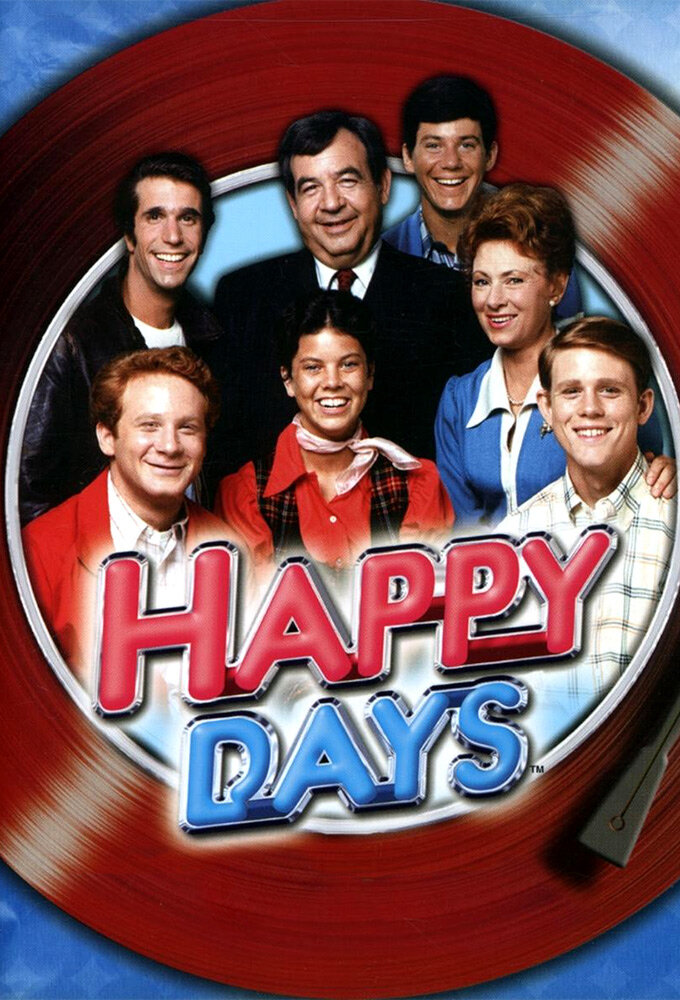
Happy Days1974
Similar DNA: a young man adrift in a specific time, surrounded by vivid supporting characters, trying to figure out girls and the future. The tone is warm rather than cynical, and the ensemble cast carries episodes that could easily have been thin.
But It sentimentalizes the 1950s in a way that can feel cloying, and later seasons lean hard into Fonzie in ways that calcify the show into something more formula-driven.
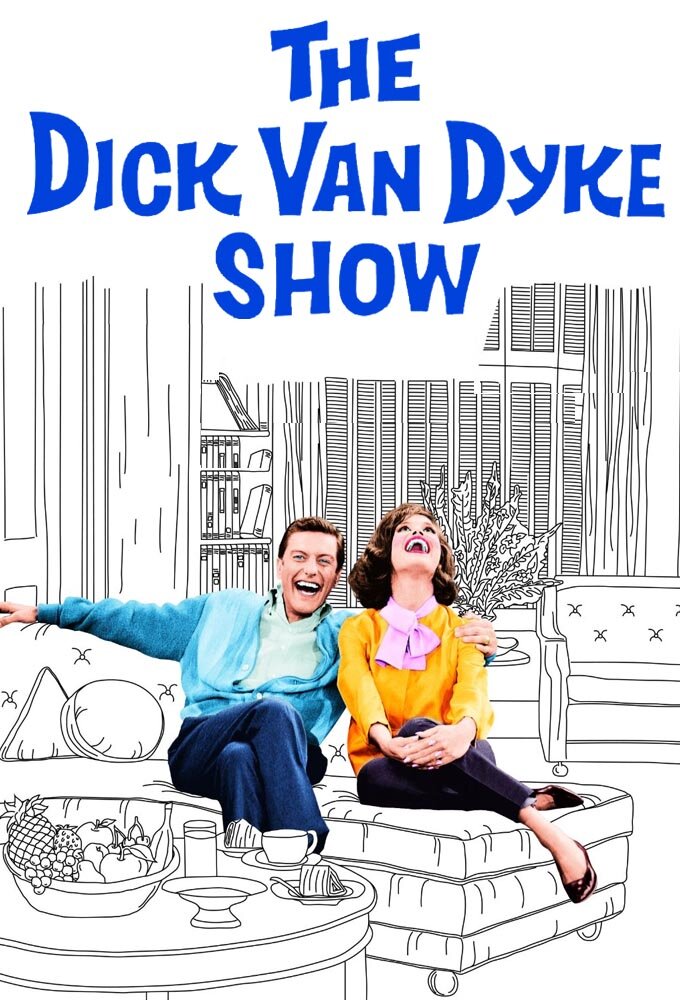
The Dick Van Dyke Show1961
Peak sitcom craft from the same era. Every character feels real, the writing is razor-sharp, and the romantic tension between leads is genuinely affecting. It proves that 1960s comedy could be both silly and touching.
But It's workplace-focused rather than teenage-focused, so the emotional landscape is different. Also, the pacing assumes you're patient with setups in a way modern viewers sometimes aren't.
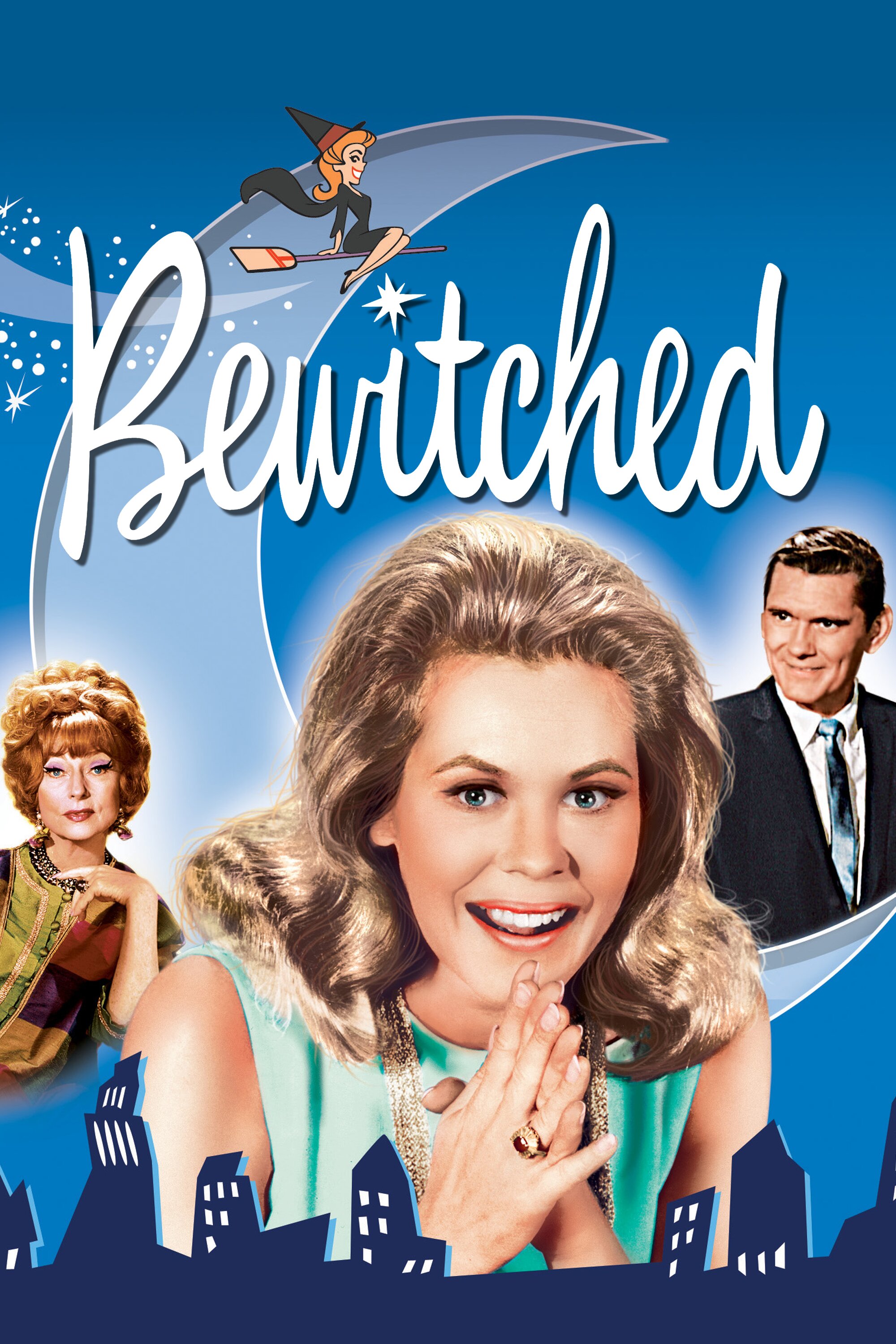
Bewitched1964
Another show about a young person trying to make their way in an impossible situation—here, a witch hiding her powers from her mortal husband. Like Dobie, it's built on genuine affection between characters rather than contempt.
But It can feel repetitive; the premise doesn't really evolve, and after a while the magic-hiding scenarios blur together. Some eps are genuinely slack.
Not sure tonight? Get a pick in a minute, starting from The Many Loves of Dobie Gillis
The wildcard
Something you would not have found on your own.
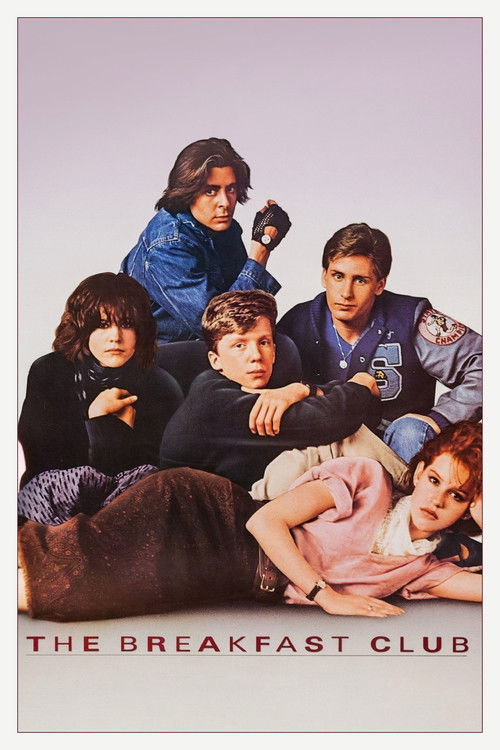
The Breakfast Club1985
Both are fundamentally about the gap between who you're supposed to be and who you actually are, and both trust that the discomfort is funny because it's honest.
Same core engine: teenagers from different worlds forced into proximity, discovering unexpected common ground, negotiating identity and belonging. But it's shot through with real anger and vulnerability underneath the comedy. John Hughes gets the loneliness of being young in a way most sitcoms don't.
But It's aggressively earnest and 80s in its sensibility, and the age gap between then and now is visible. Some viewers find it overwrought or dated.
More like this (6)
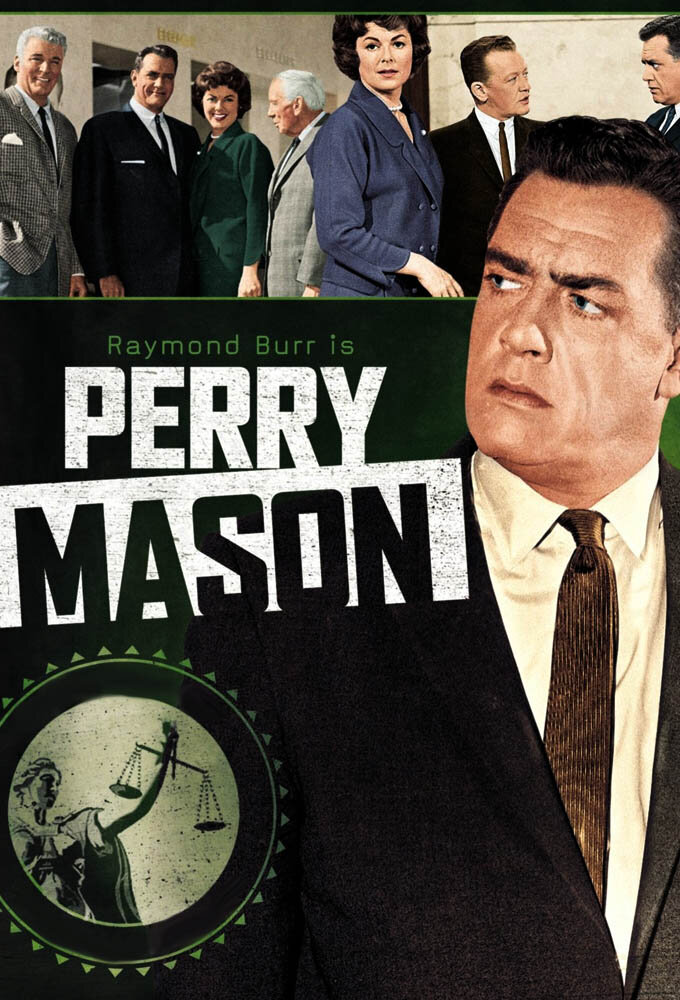
Perry Mason1957
Contemporary with Dobie, it's brilliantly paced and has genuine surprise in it. The writing is crisp, and Raymond Burr's charm is earned rather than assumed. Each ep solves itself satisfyingly.
But It's procedural and serious-minded, so the tone is completely different. If you're watching Dobie for the romantic fumbling, you won't find that here.
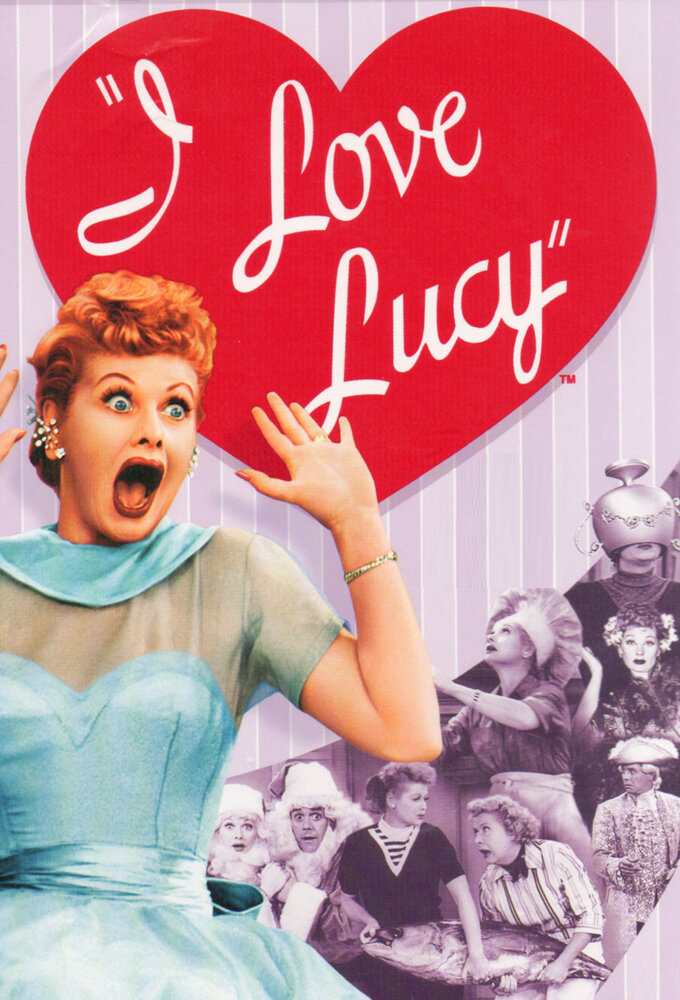
I Love Lucy1951
The obvious reference point: physical comedy, character-driven humor, and a genuine love between the leads that anchors even the silliest plots. Lucy's energy is infectious.
But It's louder and broader than Dobie, and Lucy often punches down at Ricky in ways that read differently now. The humor doesn't always age.
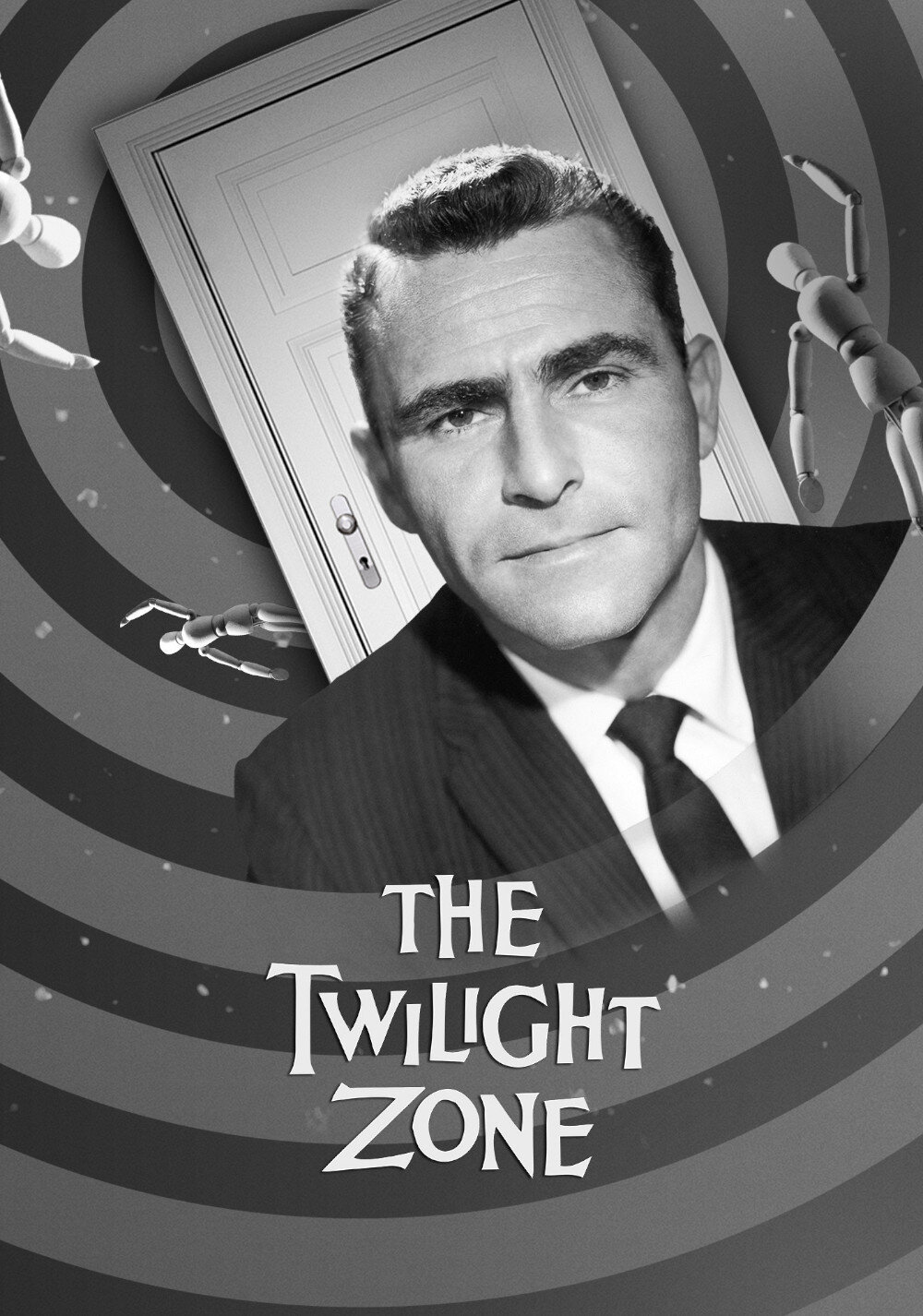
The Twilight Zone1959
Shares Dobie's release year and proves the era could do something with real philosophical weight. Rod Serling's writing is often moving, and the show respects its audience's intelligence.
But It's a completely different register—serious and sometimes bleak. If you want warmth and romance, this will feel like a hard pivot.
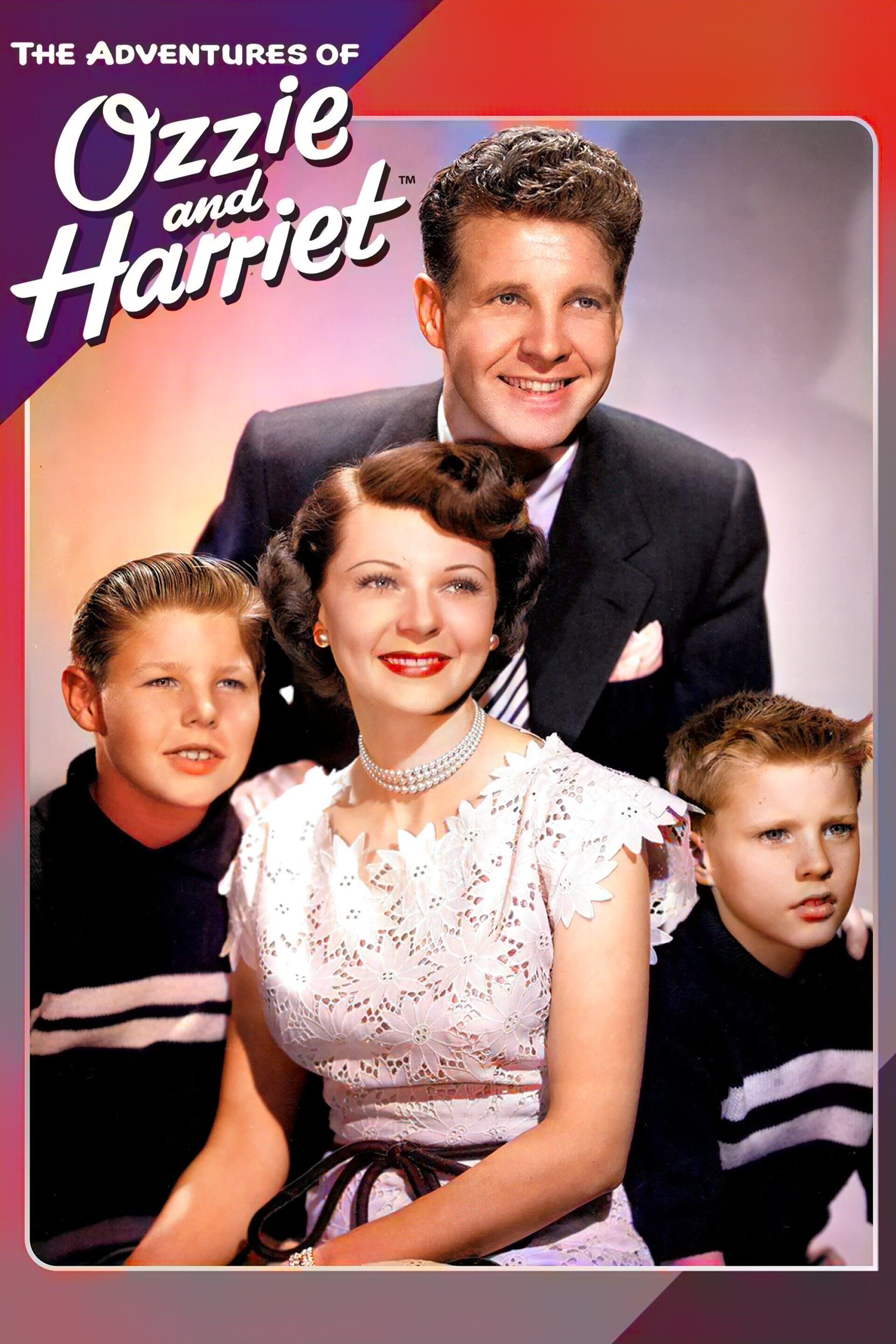
The Adventures of Ozzie and Harriet1952
Gentle family sitcom that shares Dobie's willingness to let comedy emerge from character rather than forced gags. Genuinely soothing to watch, with an ease that's rare.
But By today's standards it can feel inert. Nothing much happens, and sometimes that's the point in a way that tests patience.
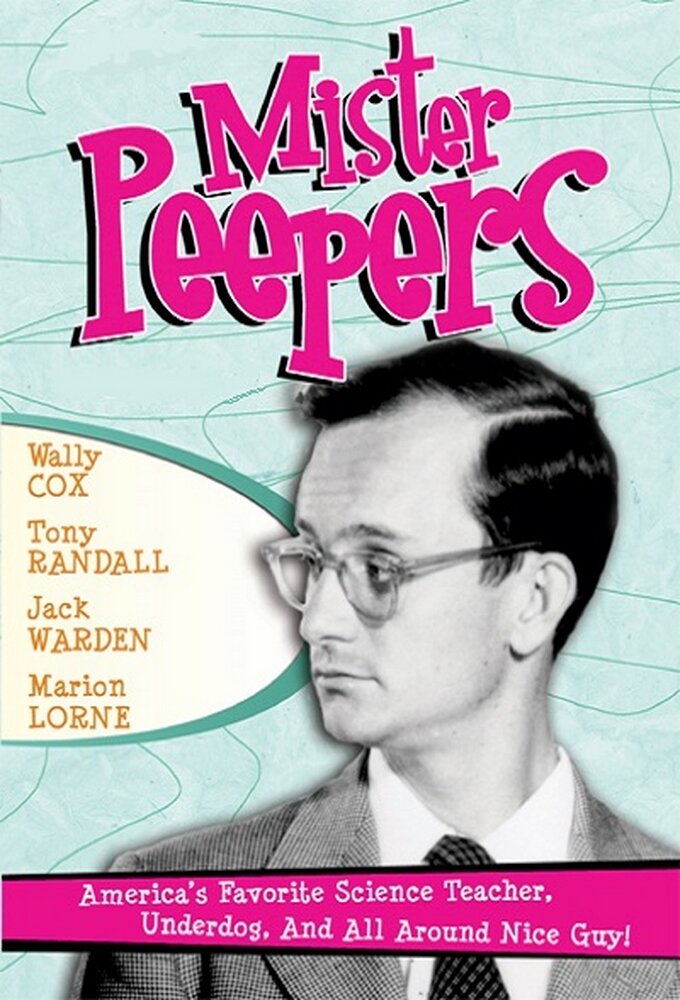
Mister Peepers1952
A sweet sitcom about a high school teacher that's surprisingly affecting. It has Dobie's gentleness and real emotional stakes, plus Wally Cox is a genuinely endearing presence.
But It's even quieter and lower-stakes than Dobie, which means some viewers will find it insufferably slow and small.
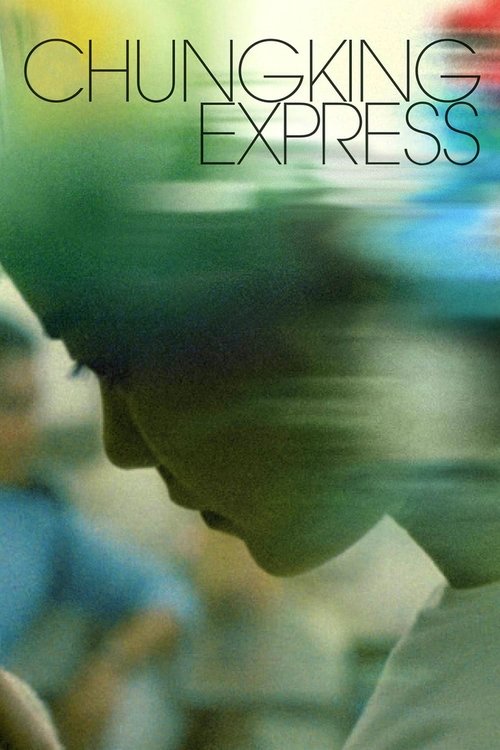
Chungking Express1994
Both understand that being young and lost is itself a kind of romance. Both let their characters sit in confusion rather than hurrying them toward sense. Both are in love with the feeling of not knowing what comes next.
A film about aimlessness and romantic yearning that treats both as states worth inhabiting rather than problems to solve. Wong Kar-wai's visual style is intoxicating, and the melancholy underneath the romance is profound.
But It's a 1990s indie drama, so it moves by mood rather than plot. If you want clear narrative direction or resolution, you'll feel lost. It can read as pretentious if you're not with it.
People
Cast


Writing
- Max ShulmanCreator