Television series
Five Days
- Police procedural
- Crime thriller
- Missing-person mystery
- Very dark
- Relentless
A BBC crime thriller that unfolds across five days following a young mother's disappearance, weaving together the investigation, family trauma, and psychological unraveling. It's taut, character-driven storytelling with an ensemble cast delivering compelling performances. Built for viewers who want mystery with emotional weight and procedural detail.
Should you watch it?
Watch it if you like a missing-person case told through its procedural grind, where each hour of police work and family dread tightens the screw without resorting to gimmicks.
Skip it if you want a brisk, self-contained thriller, since this lingers on tense waiting and shifting perspectives, and its grimness rarely lets up for lightness.
What it asks of you: Roughly an hour per episode across five days of story, with patience rewarded by slow accumulation of detail and long stretches spent with anxious faces.
Not sure? Find tonight's pick in a minute.
If you liked this
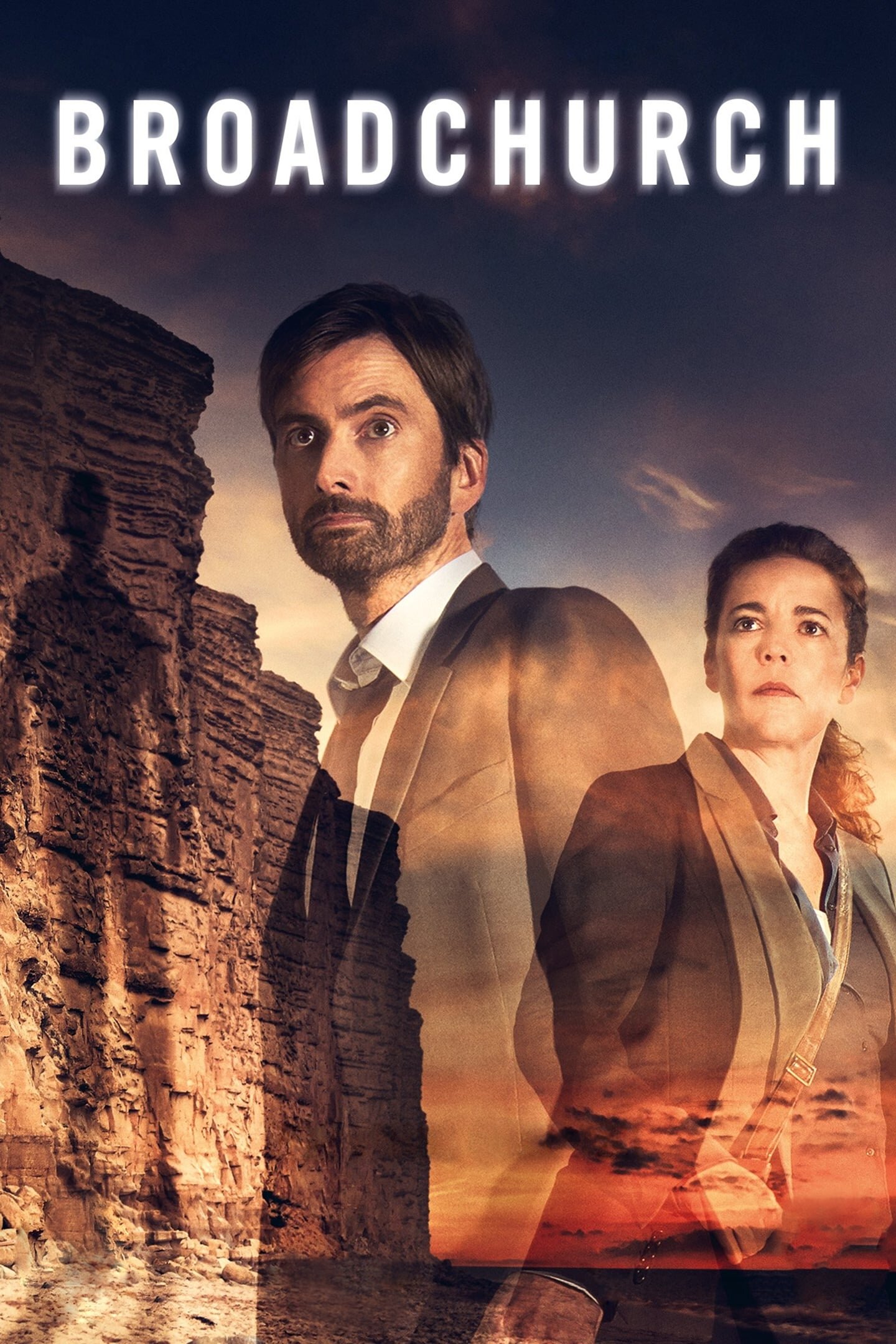
Broadchurch2013
A small-town murder investigation that tears communities apart. Like Five Days, it's meticulous police work layered with profound grief and moral complexity, with David Tennant delivering a career-best performance.
But The bleakness becomes almost relentless, and the pacing in the middle stretches thin. Some found the final revelation divisive.
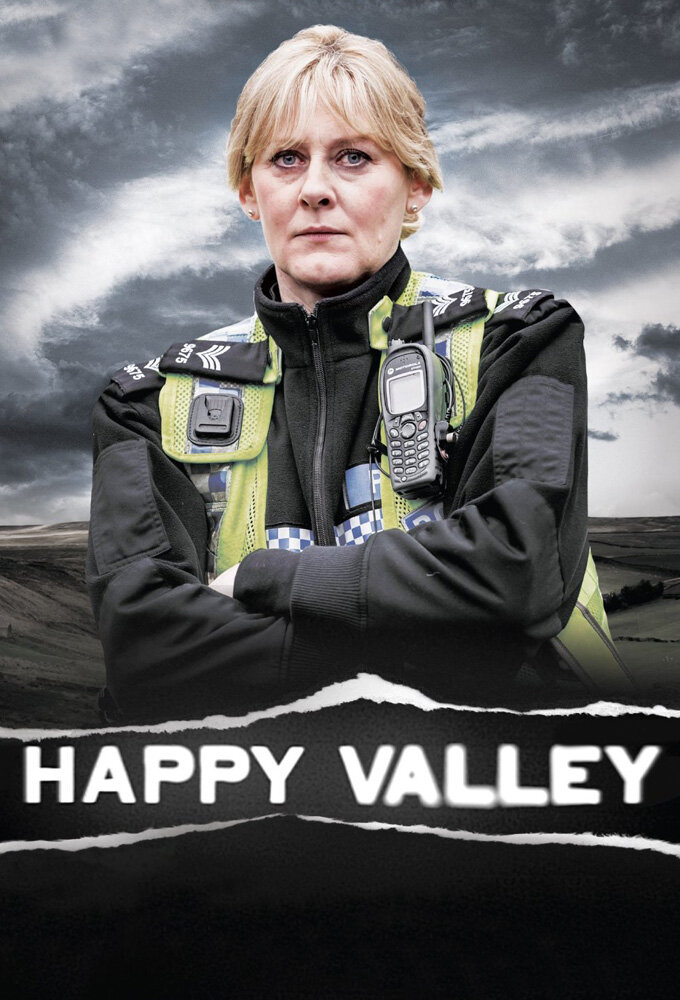
Happy Valley2014
Sarah Lancashire anchors a crime drama about a police sergeant investigating a kidnapping while wrestling her own family trauma. It has Five Days' intensity and character depth, but sharper dialogue and a fiercer emotional core.
But The violence is sudden and brutal. It's less procedural mystery than character study, which frustrated viewers wanting pure crime plotting.
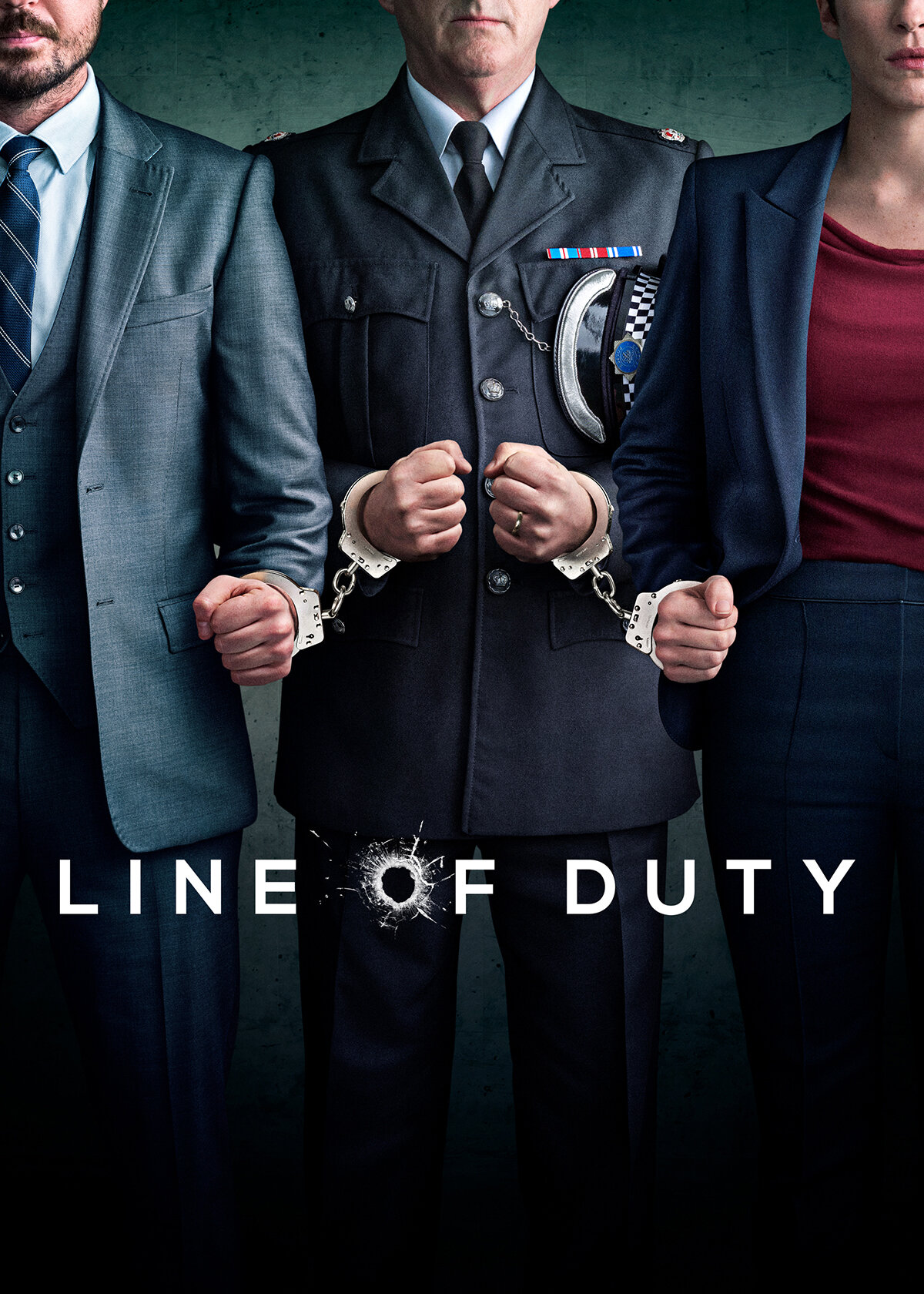
Line of Duty2012
Intricate police procedural examining corruption from the inside. Shares Five Days' ensemble structure and moral ambiguity, with the bonus of genuinely twisty plotting that rewards attention to detail.
But Later seasons descend into fan-service convolution. Even early on, the technical dialogue can obscure rather than illuminate.
Not sure tonight? Get a pick in a minute, starting from Five Days
The wildcard
Something you would not have found on your own.
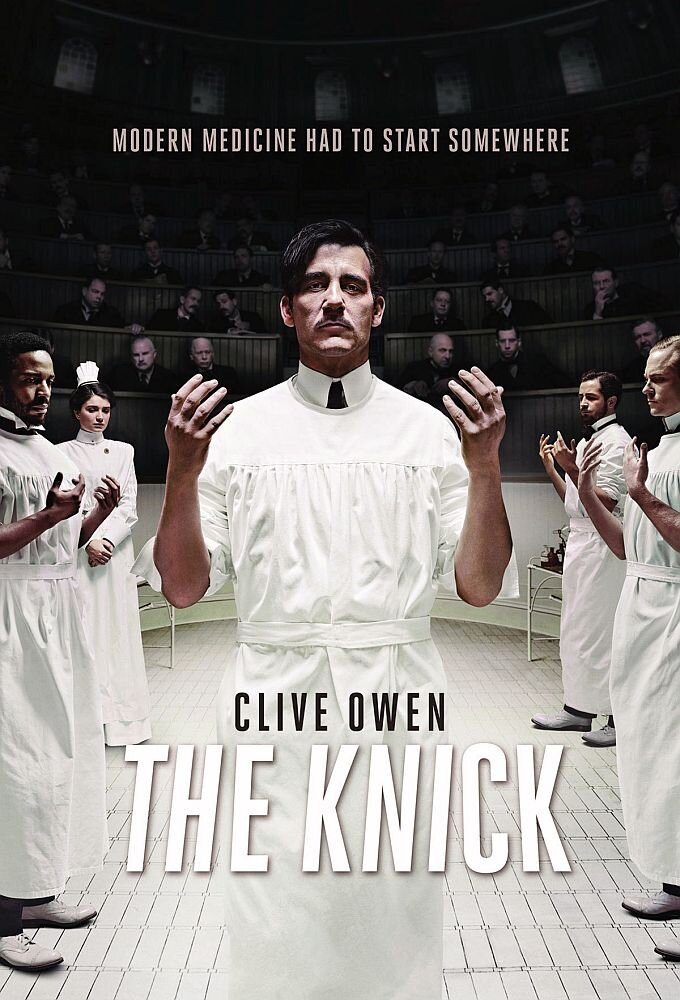
The Knick2014
Both use intense procedural investigation—medical or criminal—as a framework for exploring how smart people under pressure make catastrophic moral choices.
Surgical drama about 1900s Manhattan medicine—procedurally intense, ensemble-driven, morally murky. It shares Five Days' DNA: structured investigation, ensemble pressure under crisis, characters driven by obsession and flawed judgment. Steven Soderbergh's direction is meticulous.
But It's medical, not criminal—you need interest in surgical procedure to engage fully. Cancelled mid-arc, leaving storylines dangling. The score can dominate dialogue.
More like this (8)
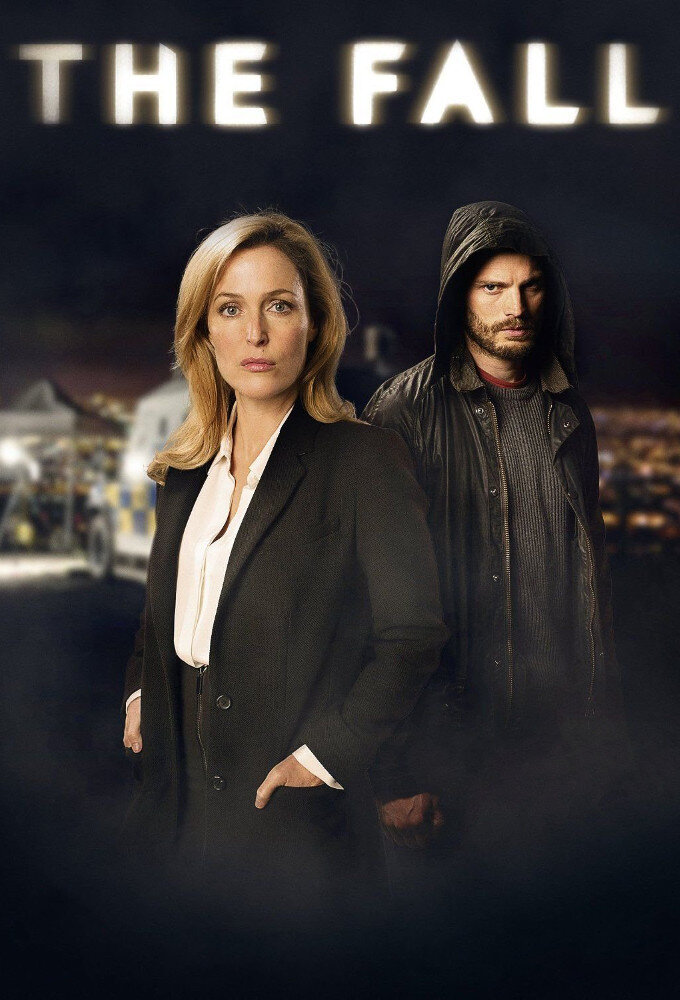
The Fall2013
Gillian Anderson and Jamie Dornan in a psychological cat-and-mouse game between detective and killer. Same era, same BBC quality, same obsessive intensity about what drives people to violence and obsession.
But The gender dynamics haven't aged perfectly, and the killer's magnetism occasionally overwhelms the investigation itself. Some find it derivative of American procedurals.
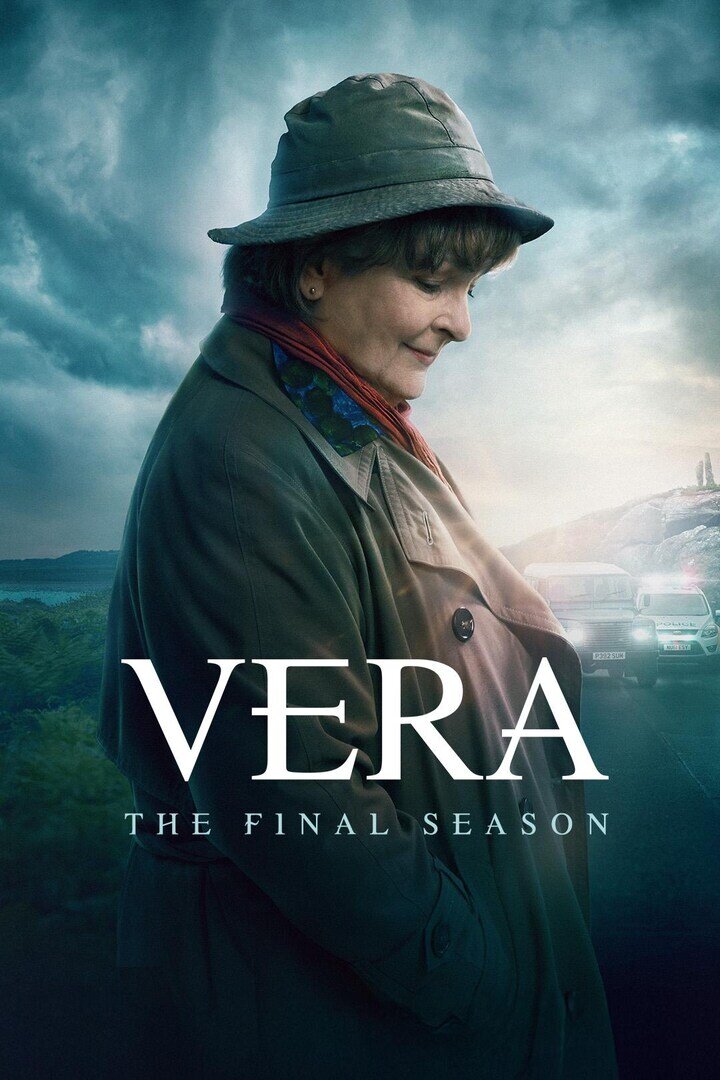
Vera2011
Brenda Blethyn as a brilliant, eccentric detective solving complex cases. It shares Five Days' attention to forensic detail and character backstory, wrapped in British procedural tradition with warmth beneath the grit.
But It's more comfort-watch than thriller. Vera's quirks can overshadow the mystery, and the plotting is occasionally straightforward for those wanting genuine surprises.
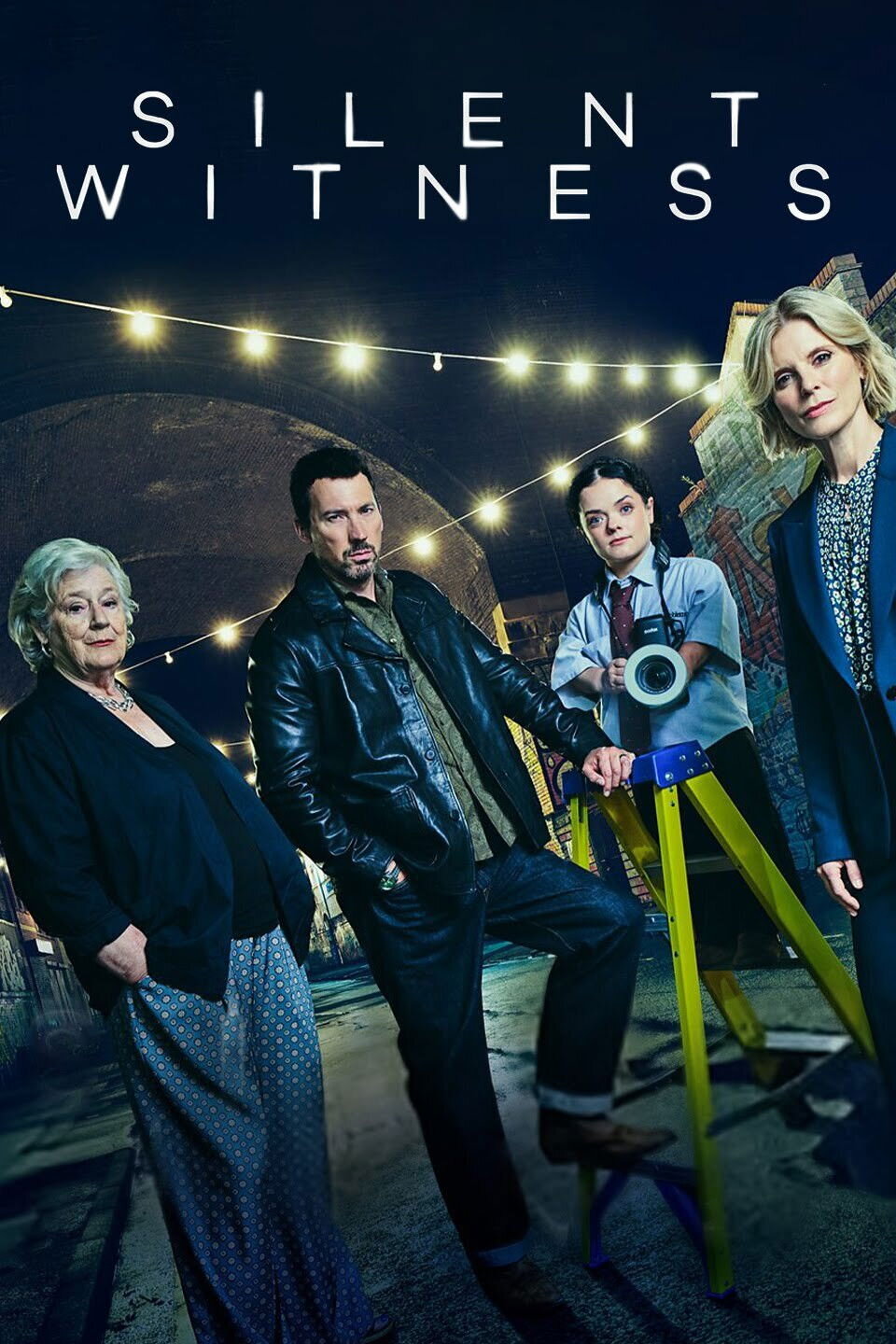
Silent Witness1996
Pathologist-led crime drama that makes forensics the emotional heart. Like Five Days, it builds character and mystery simultaneously, with the added layer of showing how the dead still have stories to tell.
But The procedural format means you know the shape of each case. Long-running series means wildly variable episode quality depending on which writer and director helmed it.
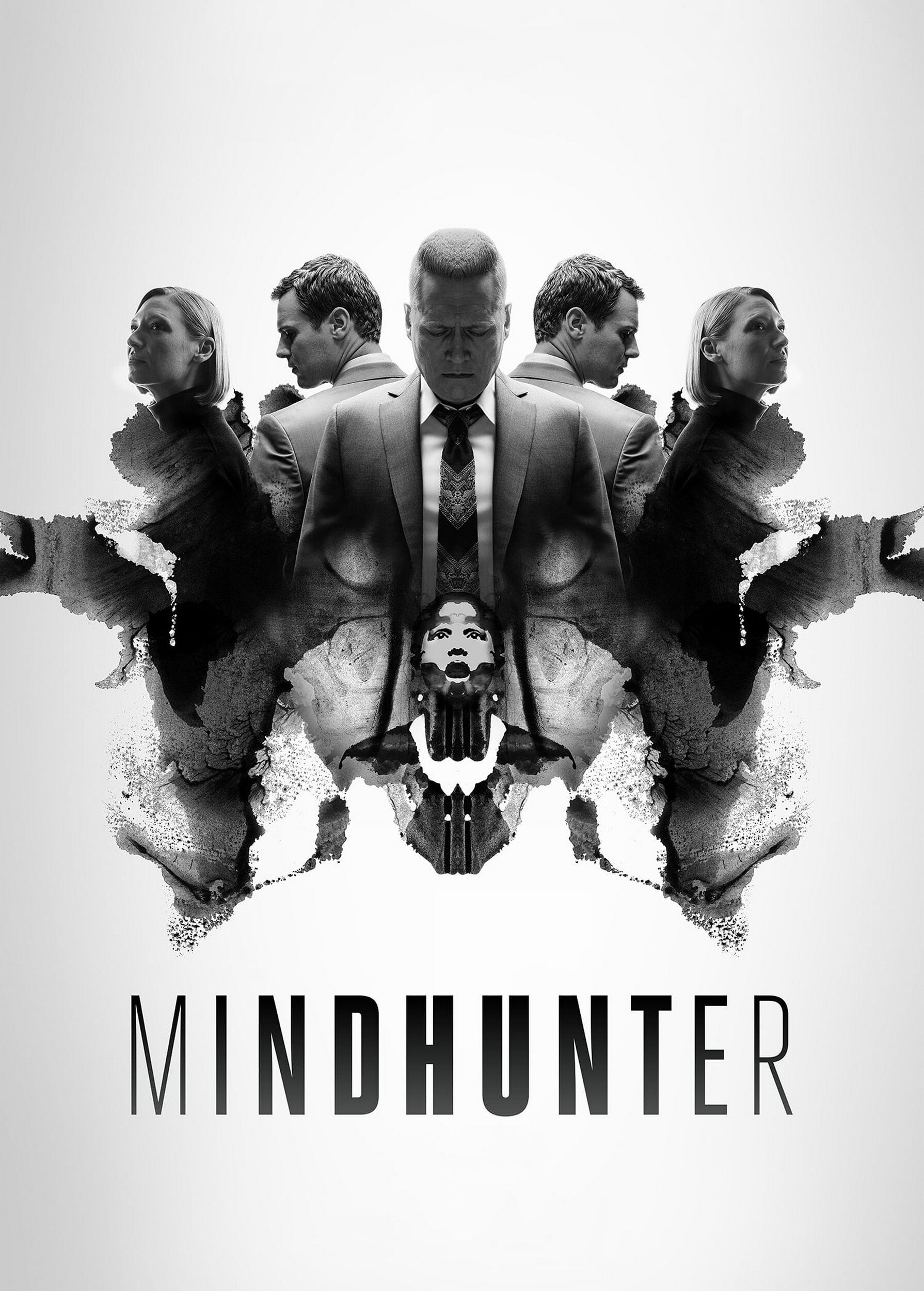
MINDHUNTER2017
FBI profilers in the 1970s building psychology into criminal investigation. Methodical, patient storytelling about understanding what drives violence—less about solving whodunit, more about solving why.
But It's slow-burn character work more than thriller momentum. The second season meanders, and the show's cancellation left it unresolved in ways that sting.
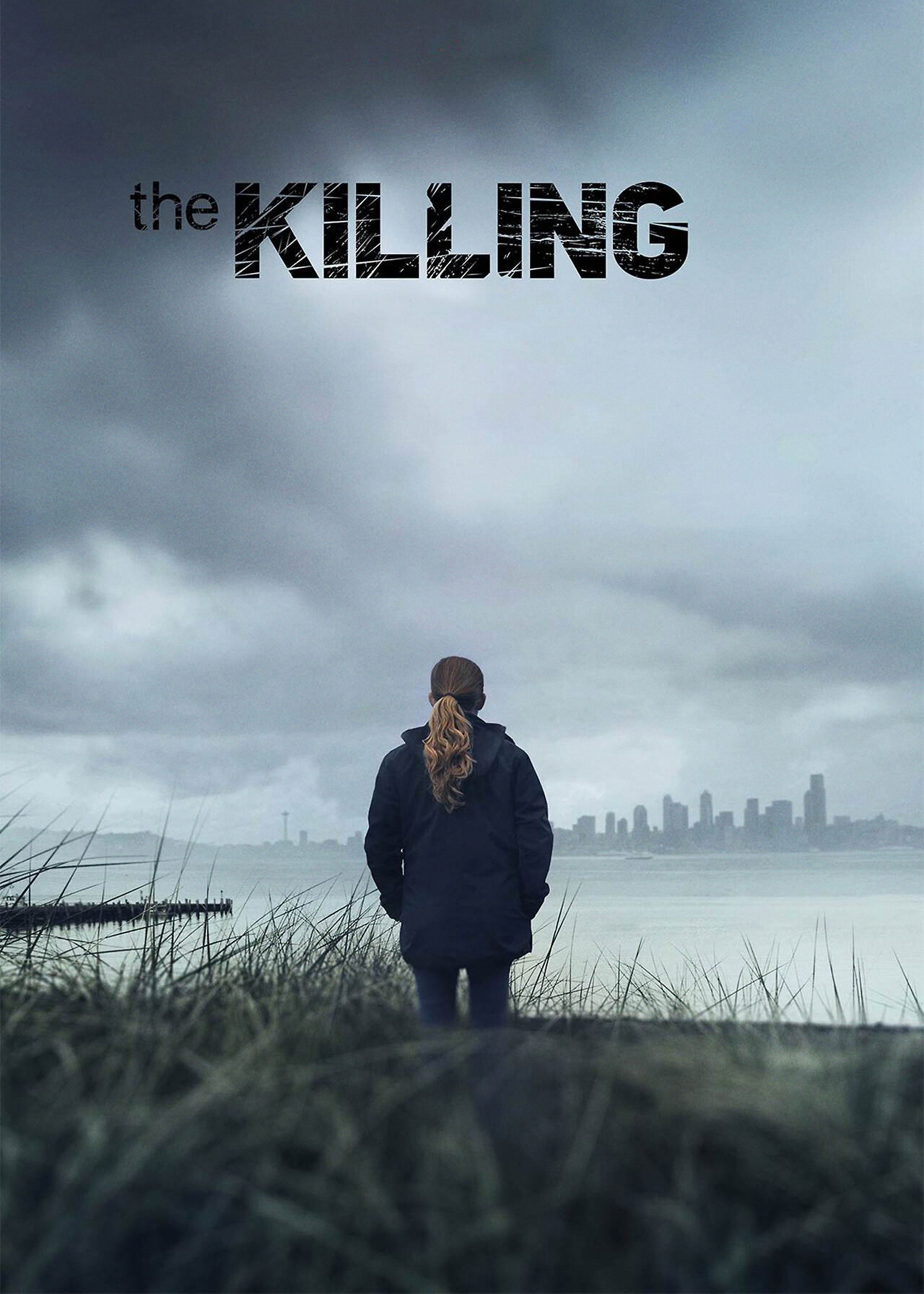
The Killing2011
Danish crime series about a single murder investigated across twenty episodes. It has Five Days' patience with consequence and emotional geography, asking what investigating trauma does to investigators themselves.
But The American remake poisoned some viewers on the premise. The original's pace is glacial—not meditative, for some viewers, but genuinely slow. Some seasons are stronger than others.
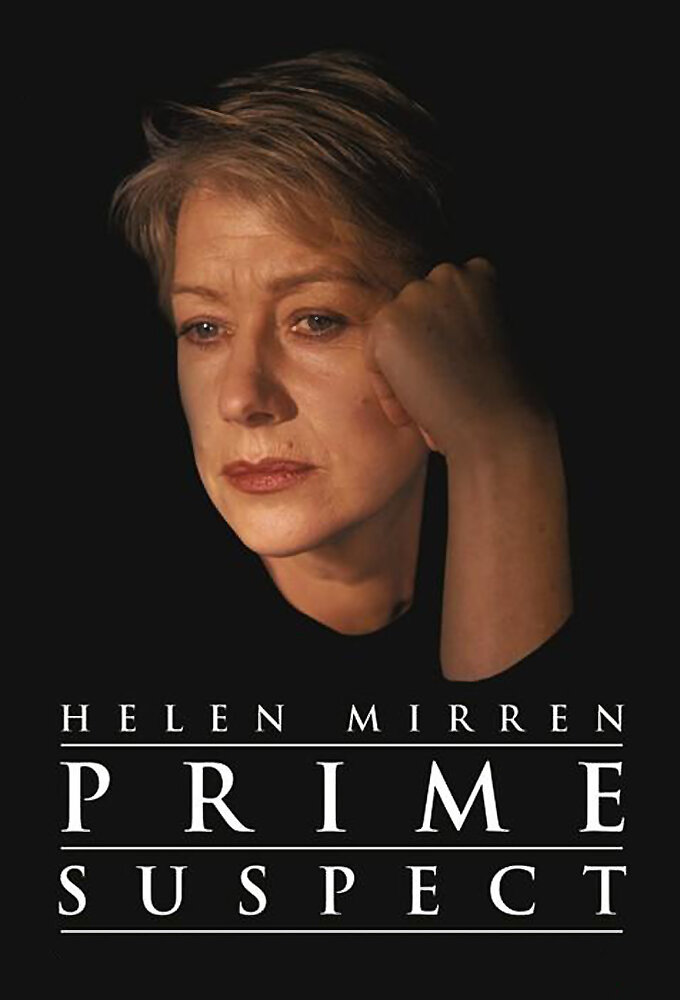
Prime Suspect1991
Helen Mirren as DCI Jane Tennison solving murders while fighting institutional sexism. A foundational British detective drama with Five Days' commitment to character and the cost of obsession in police work.
But Made in the early '90s, some aspects of the portrayal and language date noticeably. The later TV movies dilute what made the original miniseries sharp.
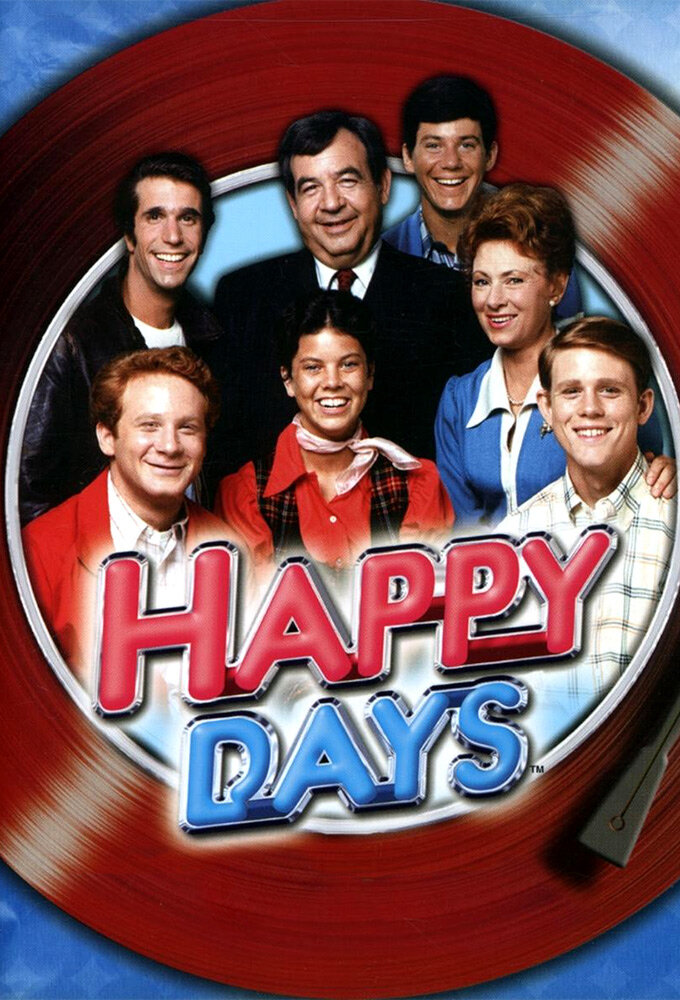
Happy Days1974
Both are ensemble series where the group itself is the character. Five Days weaves separate stories into one truth; Happy Days weaves separate episodes into one community. Same architecture, opposite tones.
American sitcom about 1950s Milwaukee. Sounds irrelevant, but hear this: beneath the comedy is a show about how communities are built, sustained, and fractured—character ensemble, interlocking stories, character-led plotting that respects audience memory. Pure joy.
But It's fundamentally funny and sunny; expecting darkness will leave you cold. Knowing it as a nostalgia relic, not a story, defeats the whole thing. Later seasons lose focus.
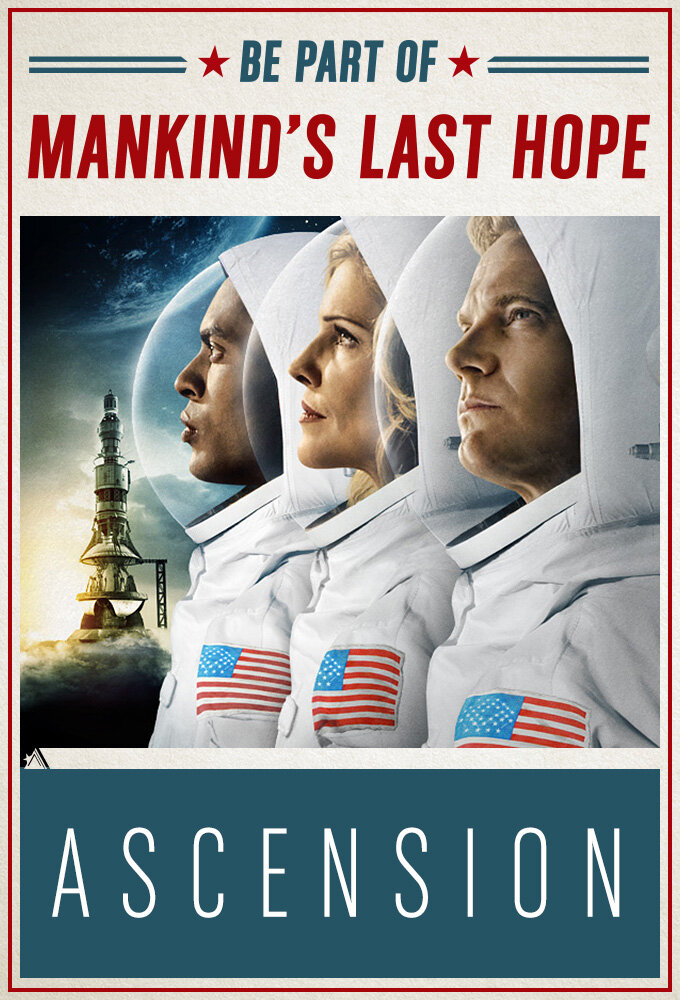
Ascension2014
Both trap characters in confined narrative spaces where the investigation slowly reveals that everyone is lying—and that truth itself is negotiable. The mystery isn't what happened; it's what people are willing to believe.
Miniseries about astronauts on a generation ship in the 1960s. Looks like sci-fi, plays like psychological thriller—a closed group, a mystery about what's real, character secrets layered beneath procedure. Utterly strange and compelling.
But The sci-fi premise is slow to reveal, which frustrates genre fans. Cancelled after one season, ending unresolved. The tonal shifts between domestic drama and cosmic conspiracy can feel unsettling rather than clever.