
Television series
Crossing Jordan
A procedural centered on a fiercely independent medical examiner in Boston who solves crimes through autopsy and deduction, often at odds with the police and her own department. It's warm, character-driven, and works best when focusing on the pathology and the puzzle rather than the melodrama. For viewers who want mystery with personality, not pretension.
If you liked this
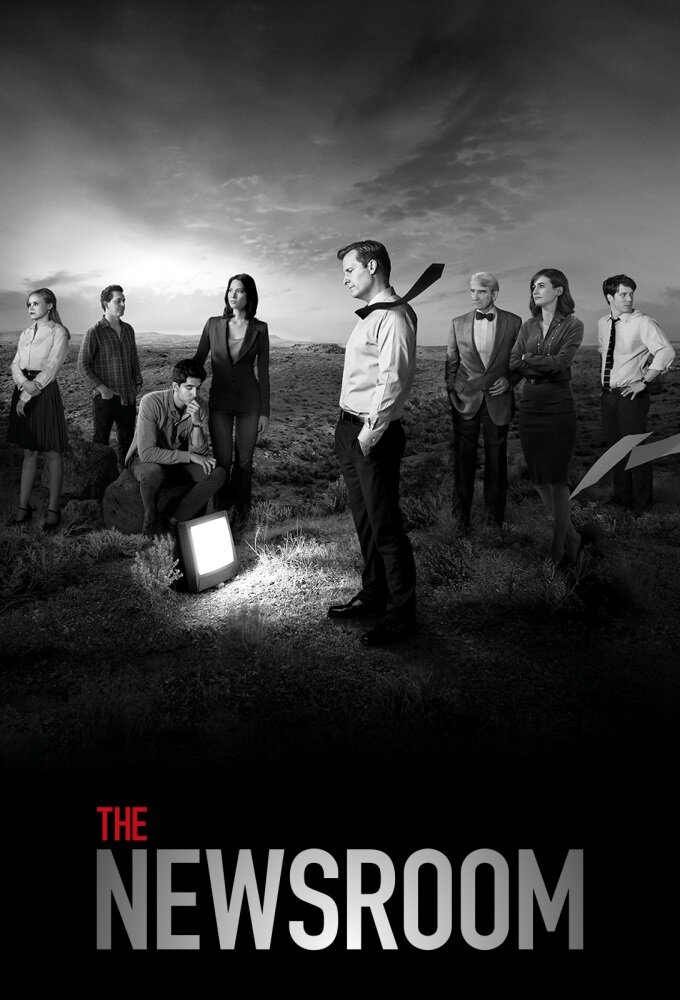
The Newsroom2012
Sorkin ensemble at full velocity: smart, argumentative characters who talk fast and care intensely about their work. Sharp writing and a cast that elevates every scene, even when the plot stumbles.
But It can feel self-congratulatory about its own intelligence, and some storylines strain credibility. The idealism ages unevenly.
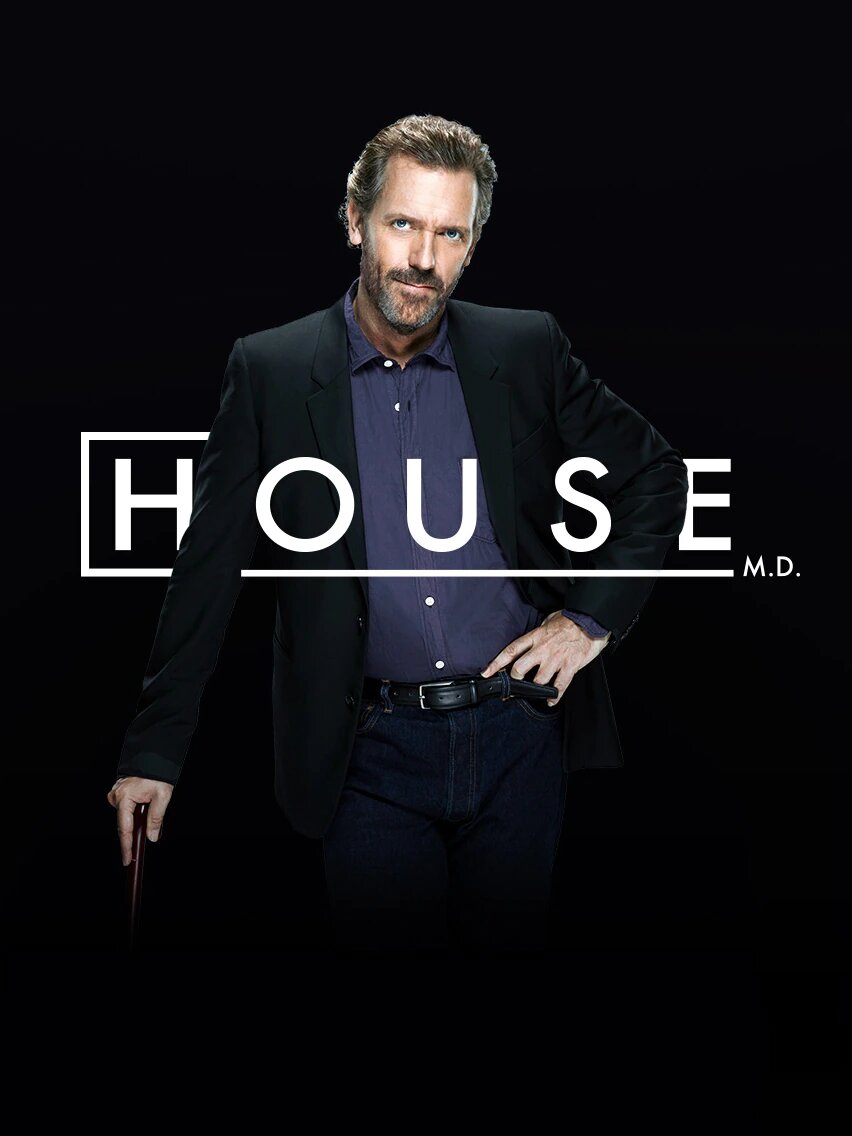
House2004
Medical mystery with a spiky protagonist who breaks rules and bends truth to solve cases. Hugh Laurie is magnetic; the diagnostic puzzles are genuinely clever. Peak seasons are excellent television.
But It wears its central gimmick thin by season four. Once you know how the show works, the repetition becomes visible.
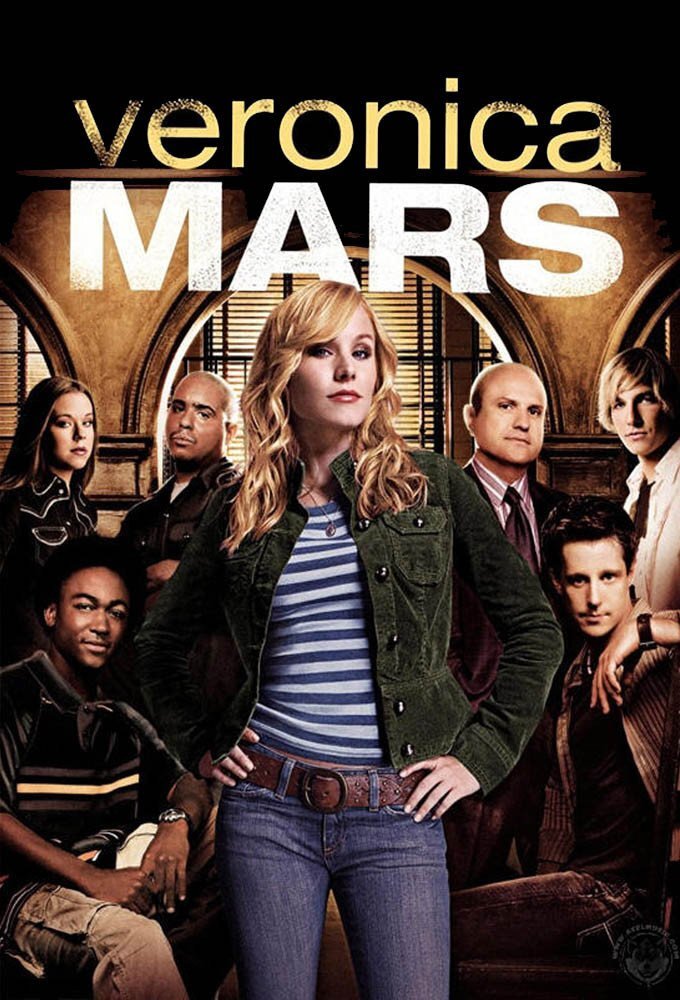
Veronica Mars2004
A sharp, funny procedural about a private investigator in a corrupt town. Excellent character work, witty dialogue, and mysteries that actually reward attention. Feels like a show that trusts its audience.
But The later seasons lose focus and rely too heavily on will-they-won't-they romance. Some cases dissolve rather than resolve.
Not sure tonight? Get a pick in a minute, starting from Crossing Jordan
The wildcard
Something you would not have found on your own.
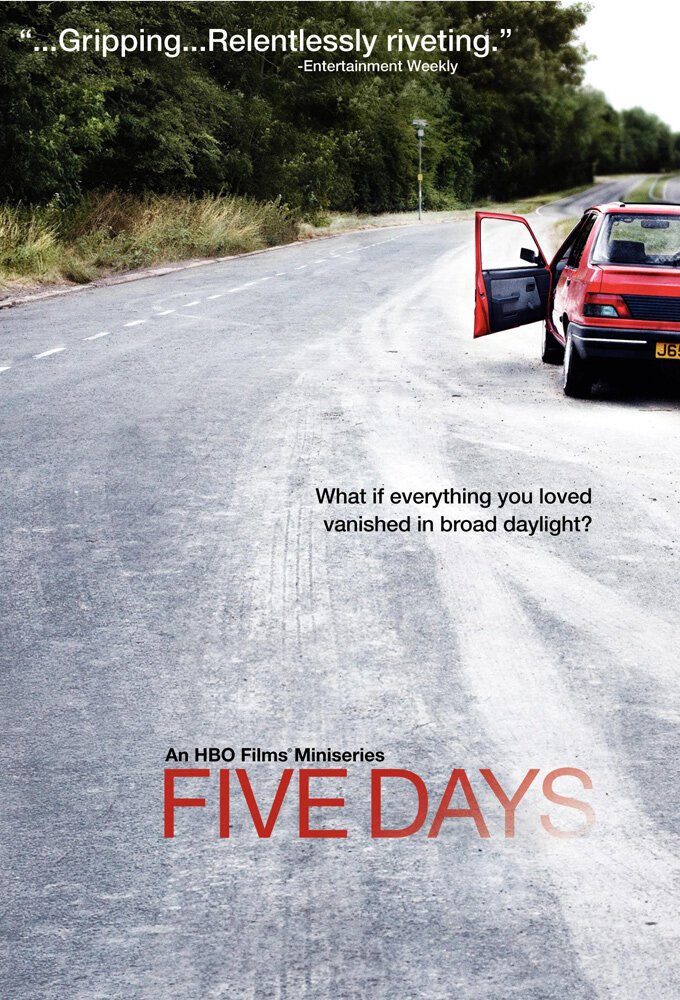
Five Days2007
Both are about the gap between what evidence tells you and what people actually are. Crossing Jordan finds truth in bodies; Five Days finds it in the hours around a disappearance. Same philosophical spine, different method.
A procedural that unfolds backwards, starting with a crime and peeling back the hours before it occurred. Structurally inventive and deeply engaged with how assumptions about people mislead investigation. Writing is sharp and the cast is excellent.
But The non-linear structure demands real attention. If you want to half-watch, you will be lost. Also, the darkness is unrelenting.
More like this (7)
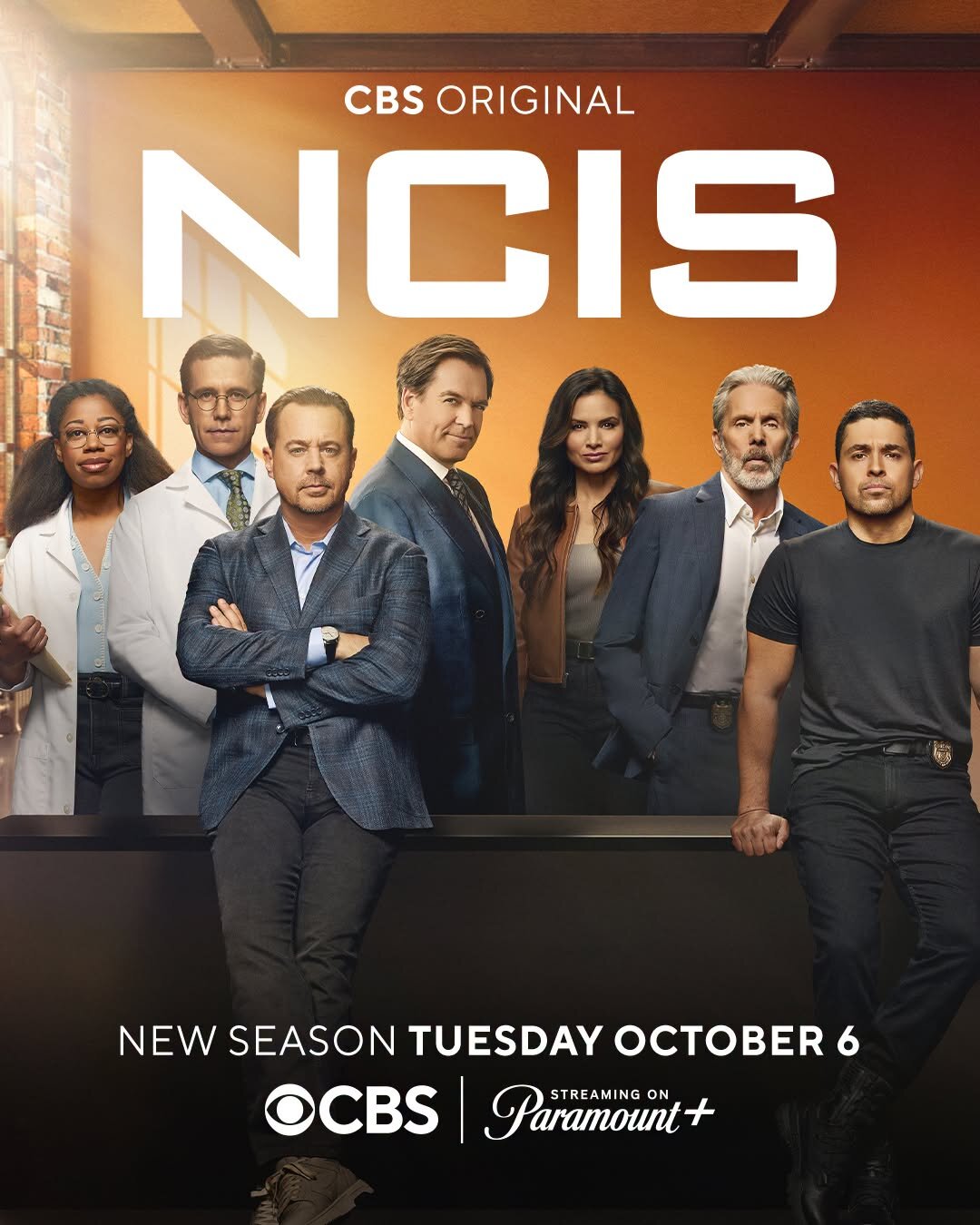
NCIS2003
Procedural crime-solving with real affection for its ensemble cast. Mark Harmon anchors a group of characters who genuinely seem to like working together. Predictable but rarely boring.
But The formula is very visible by design. If you need surprise or formal risk, this is comfort food, not challenge.
The Good Wife2009
Legal procedural that deepens into something far more ambitious. Sharp dialogue, intricate cases, and a protagonist who evolves believably across seasons. Television that respects your memory.
But The early seasons are stronger than the late ones. It occasionally uses plot machinery rather than character logic to move forward.

Bones2005
A forensic anthropologist and an FBI agent solve murders through skeletal detail. The partnership has genuine chemistry; the science adds texture. Comfort viewing that knows what it does well.
But The humor can be broad and the interpersonal drama follows a predictable pattern. Some episodes feel like they're killing time.

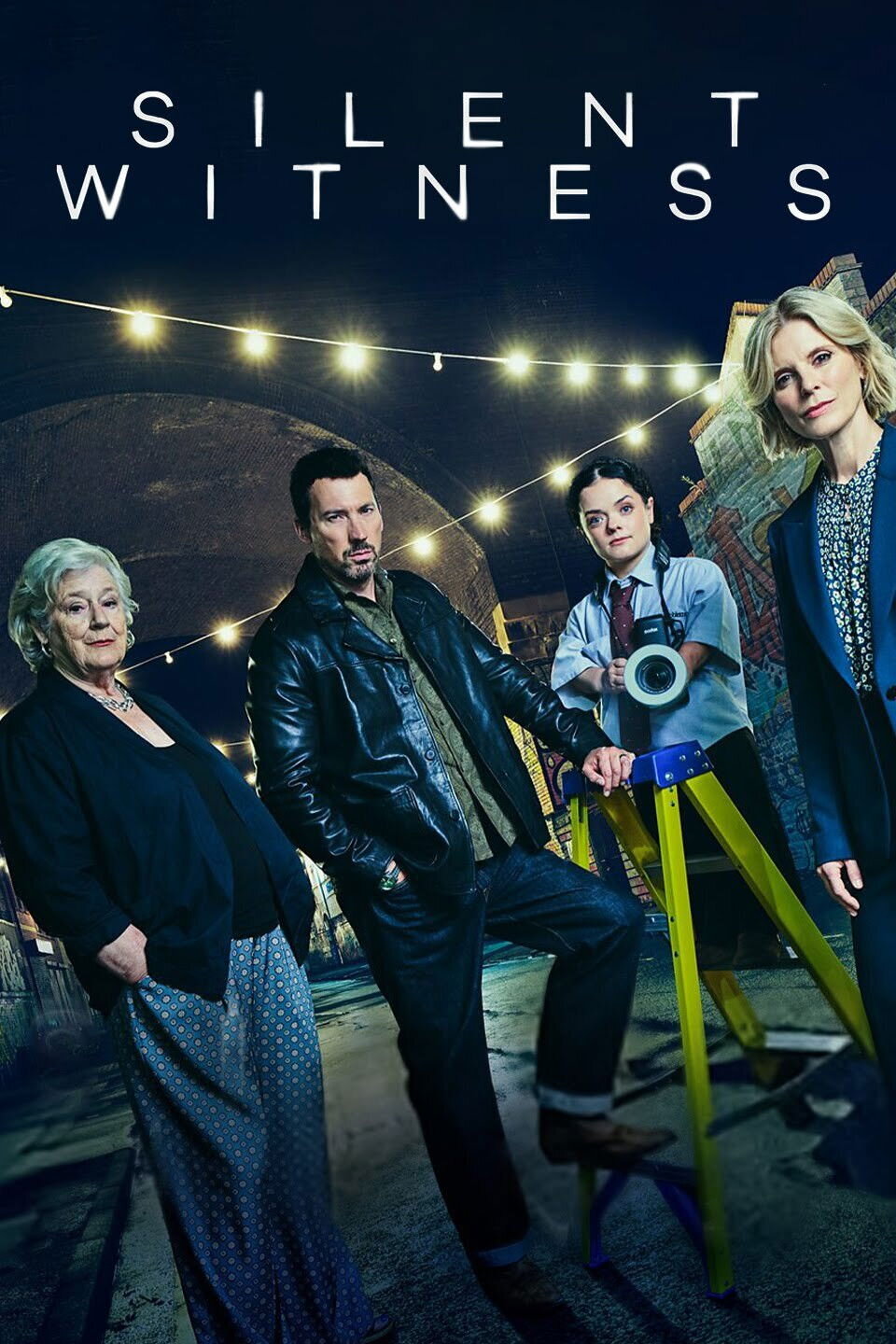
Silent Witness1996
British forensic drama with longer seasons and deeper character work. The pathology is meticulous; the emotional register feels grown-up. Acting ensemble is consistently strong.
But Pacing can be glacial. It's methodical to a degree that tests patience, even when the payoff is good.
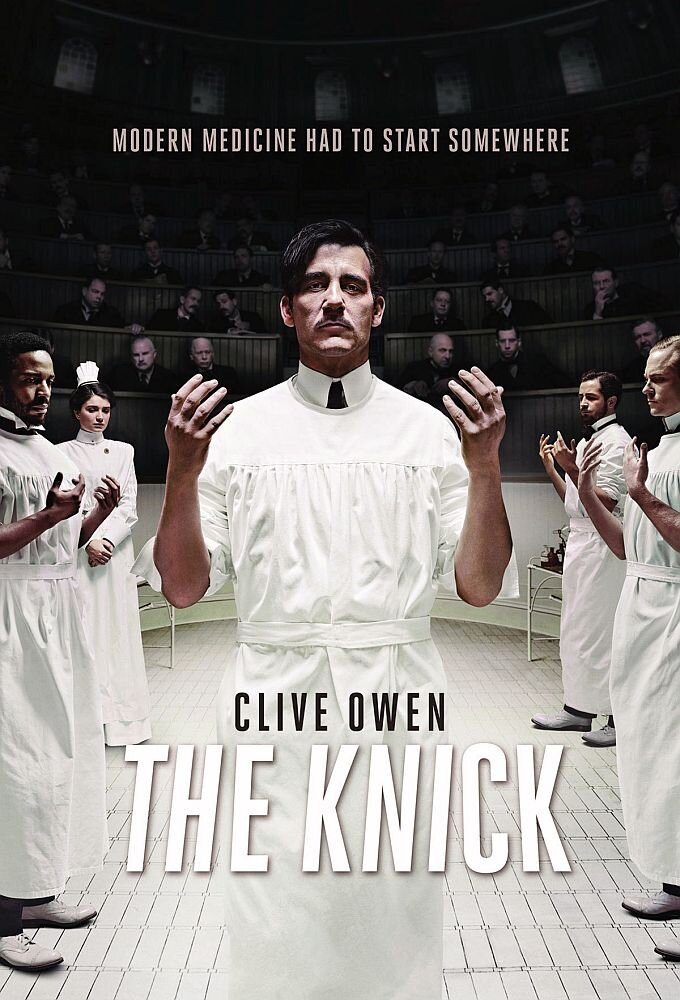
The Knick2014
Period medical drama set in 1900s New York with brilliant cinematography and experimental narrative structure. Clive Owen is compelling; the surgery scenes are technically fascinating and visually stunning.
But It's bleak and sometimes exploitative. The personal drama outside the operating room is genuinely depressing, not just serious.
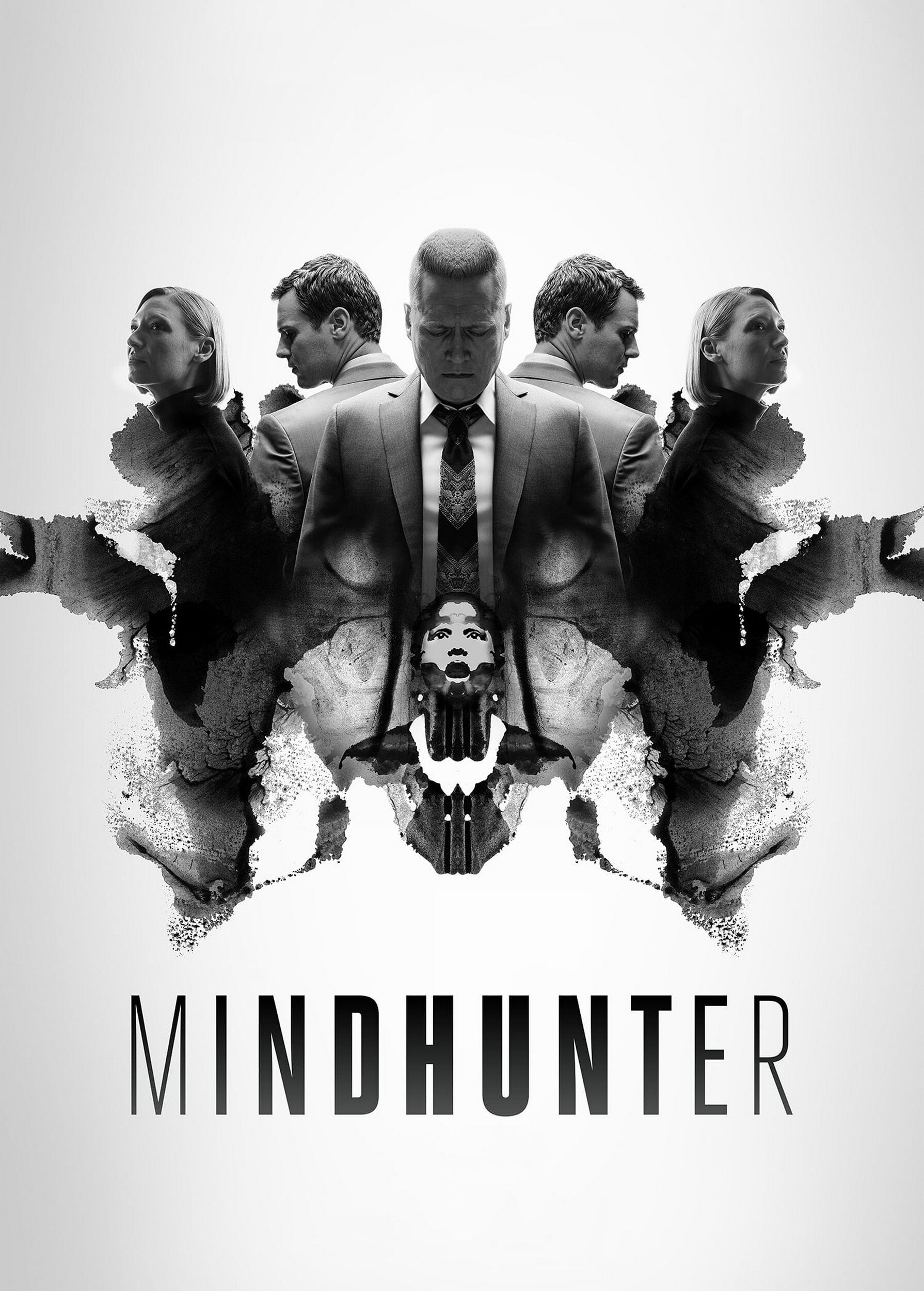
MINDHUNTER2017
Where Crossing Jordan uses the body as a narrative—reading pathology to reconstruct the crime—Mindhunter uses the criminal mind. Both are about reading absence and contradiction to find truth. Both believe that close attention reveals character.
A forensic procedural about the FBI agents who pioneered criminal profiling by interviewing incarcerated killers. Methodical, unsettling, and genuinely intelligent. David Fincher's direction makes observation feel like suspense.
But It is bleak and often slow. There are extended monologues in prison cells that some viewers will find tedious rather than revelatory. It's about thought, not action.
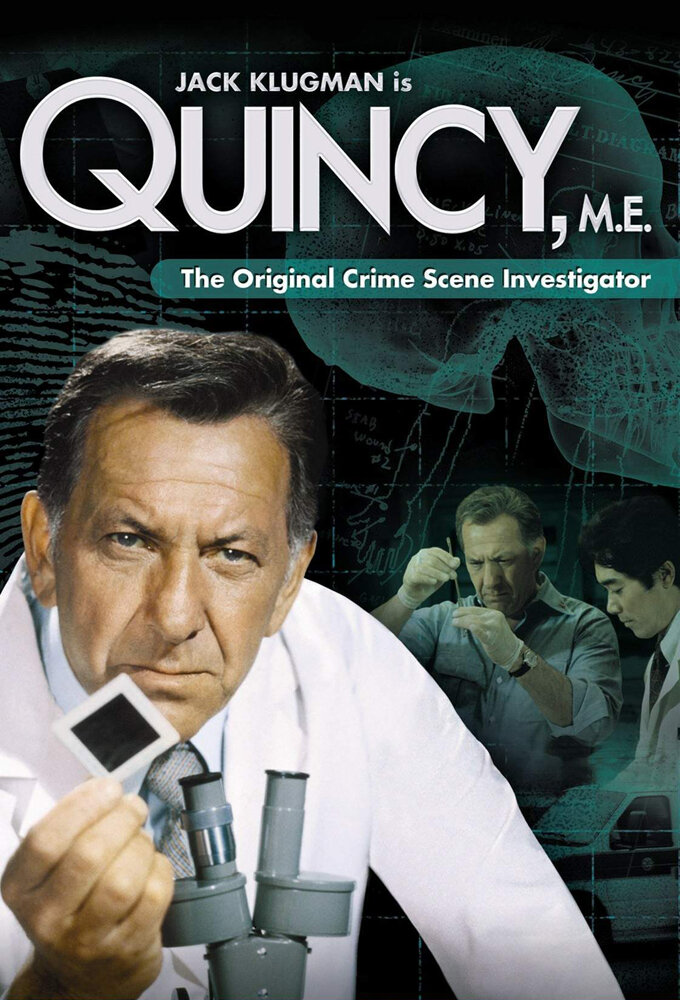
Quincy, M.E.1976
This is the direct ancestor. Crossing Jordan is Quincy filtered through late-90s sensibility and a younger cast, but the structure, the central character type, and the philosophy are identical. If you loved Jordan, you should know where she came from, even if the original feels distant.
The godfather of the medical examiner procedural: Jack Klugman as a coroner in Los Angeles who solves murders through autopsy and stubbornness. It's the DNA of Crossing Jordan. Warm, funny, and genuinely well-made for its era. Some episodes are genuinely excellent.
But It's nearly fifty years old and shows it. The pacing is slower, the special effects are period-obvious, and some cultural attitudes are uncomfortable by current standards. It requires patience with aging television.
People
Cast



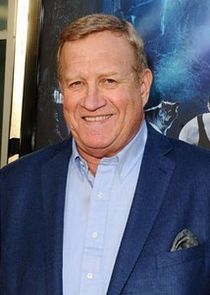
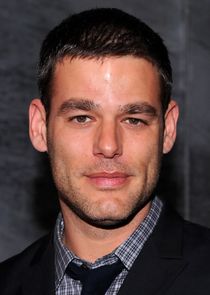
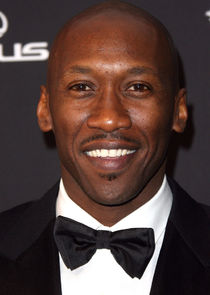


Writing
- Tim KringCreator
- Damon LindelofExecutive Story Editor
- Elizabeth SarnoffExecutive Story Editor
- Kira ArnéExecutive Story Editor
- Sharon Lee WatsonExecutive Story Editor
- Diane Ademu-JohnStory Editor
- Elizabeth SarnoffStory Editor
- Kira ArnéStory Editor
- Sharon Lee WatsonStory Editor
Production
- Jason ParksAssociate Producer
- Lori MotyerAssociate Producer
- Mickie ReusterAssociate Producer
- Neil MandelbergAssociate Producer
- Nicolas BradleyAssociate Producer
- Nowell GrossmanAssociate Producer
- Allan ArkushCo-Executive Producer
- David AmannCo-Executive Producer
- Dennis HammerCo-Executive Producer
- Emily WhitesellCo-Executive Producer
- Ian BiedermanCo-Executive Producer
- Kathy McCormickCo-Executive Producer
- Linda GaseCo-Executive Producer
- Rob FrescoCo-Executive Producer
- Samantha Corbin-MillerCo-Executive Producer
- Scott WilliamsCo-Executive Producer
- Damon LindelofCo-Producer
- Danielle WeinstockCo-Producer
- Erin ScottoCo-Producer
- Gary GlasbergCo-Producer
- Lori MotyerCo-Producer
- Sharon Lee WatsonCo-Producer
- Skip BeaudineCo-Producer
- Allan ArkushConsulting Producer
- Bert SalkeConsulting Producer
- Chris BrancatoConsulting Producer
- Kathy McCormickConsulting Producer
- Allan ArkushExecutive Producer
- Dennis HammerExecutive Producer
- Jon CowanExecutive Producer
- Kathy McCormickExecutive Producer
- Robert RovnerExecutive Producer
- Tim KringExecutive Producer
- Skip BeaudineLine Producer
- Allan ArkushProducer
- Andi BushellProducer
- Dennis HammerProducer
- Gary GlasbergProducer
- Jim PraytorProducer
- Melissa R. ByerProducer
- Roxann DawsonProducer
- Treena HancockProducer
- Ashley GableSupervising Producer
- Damon LindelofSupervising Producer
- David AmannSupervising Producer
- Gary GlasbergSupervising Producer
- Jon CowanSupervising Producer
- Linda GaseSupervising Producer
- Lynne E. LittSupervising Producer
- Melissa R. ByerSupervising Producer
- Rob FrescoSupervising Producer
- Rob WrightSupervising Producer
- Robert RovnerSupervising Producer
- Todd Ellis KesslerSupervising Producer
- Treena HancockSupervising Producer