
Film
Krapp's Last Tape
- Drama
- Very dark
- Slow-burning
- Dip in and out
John Hurt inhabits one of theatre's loneliest roles: an old man listening to a tape of himself, younger, cataloguing the wreckage of decades. Beckett's fifty-eight-minute chamber piece is claustrophobic and funny—blackly so—about memory, regret, and the strange mercy of forgetting. For anyone who's ever wondered what their past self would say to them now.
If you liked this
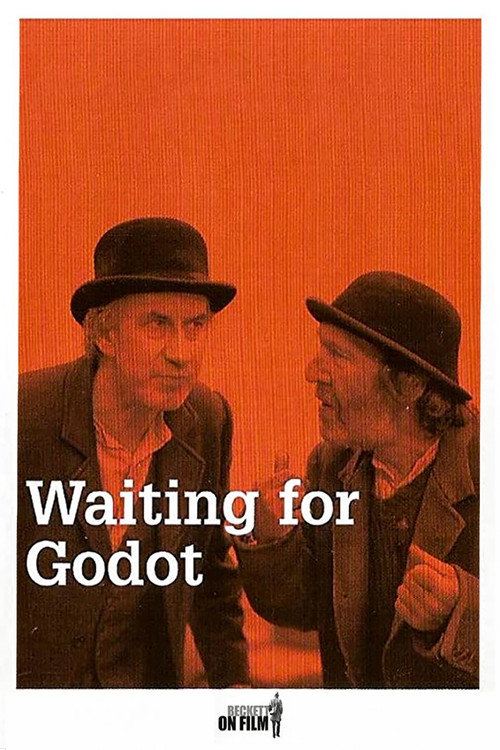
Waiting for Godot2001
Two men wait for someone who never comes, speaking in circles about nothing and everything. It's Beckett's masterwork of stasis and companionship—a conversation that goes nowhere and everywhere. Fundamental to understanding why Krapp matters.
But The dialogue loops and repeats by design, which can feel frustratingly static if you're expecting plot momentum rather than philosophical unease.
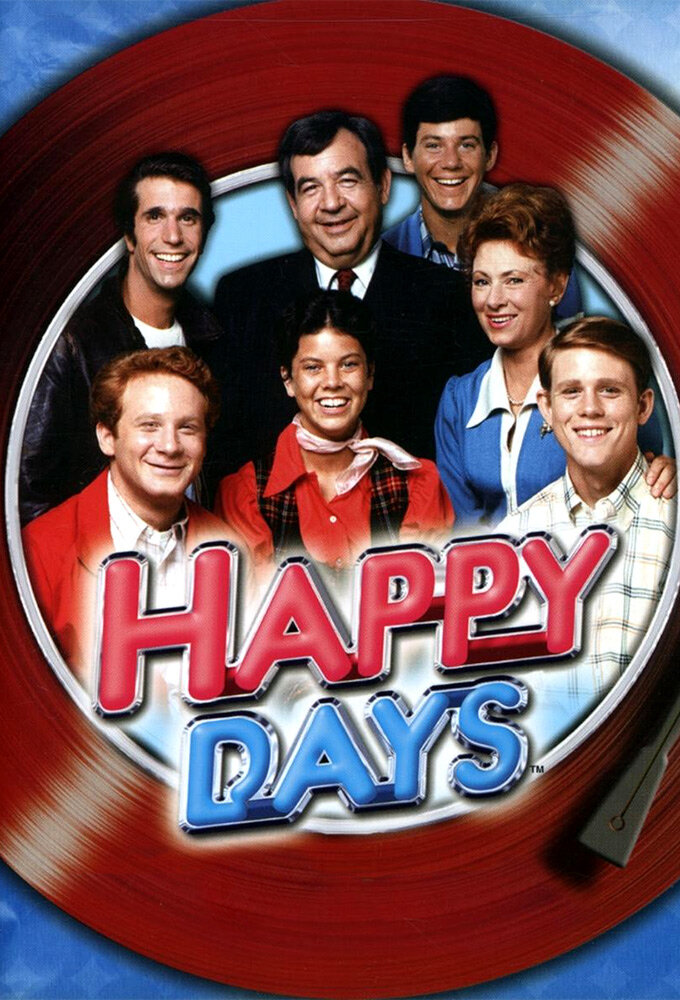
Happy Days1974
A woman buried up to her waist, then her neck, talking ceaselessly to her silent husband. It's Beckett's most visually arresting play about how we fill time and paper over absence with chatter. Profound and oddly tender.
But The gimmick of the staging can overshadow the emotion on first viewing; it reads as concept before it reads as heartbreak.
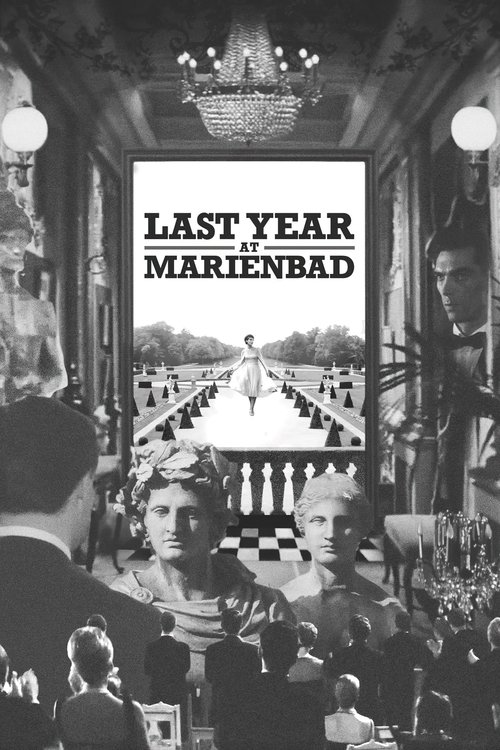
Last Year at Marienbad1961
A man and woman circle each other in a palatial hotel, debating whether they've met before. Alain Resnais builds a labyrinth of memory and doubt that echoes Krapp's obsession with verifying the past.
But The visual abstraction and repetitive dialogue are intentionally opaque; it resists rather than rewards easy interpretation.
Not sure tonight? Get a pick in a minute, starting from Krapp's Last Tape
The wildcard
Something you would not have found on your own.
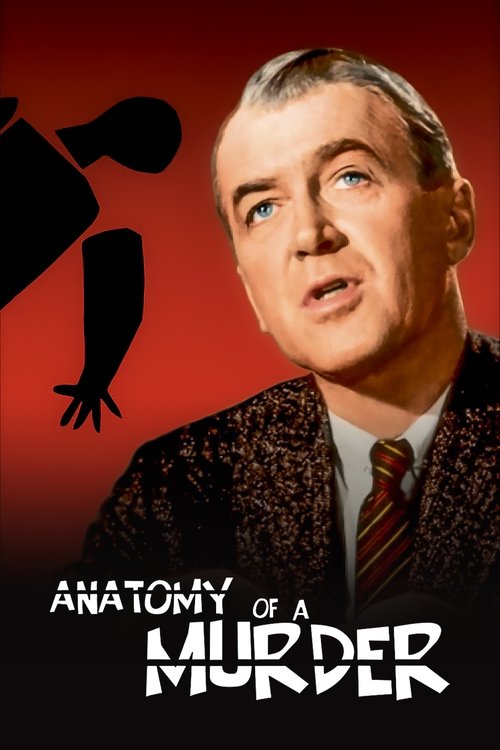
Anatomy of a Murder1959
Both are obsessed with the unreliability of first-person narrative—what we choose to remember, why we remember it, whether any of it can be trusted.
James Stewart as a lawyer unpicking testimony to find the truth of what happened. It's a courtroom film built like Krapp itself—patient, verbal, about the gap between memory and fact, what witnesses swear they saw and what actually occurred.
But It's long (two and a half hours) and legalistic; if you want drama rather than procedural exactitude, this frustrates.
More like this (4)
Synecdoche, New York2008
Philip Seymour Hoffman as a theatre director whose life collapses into his art, his memories bleeding into his work until reality dissolves. Formally ambitious and devastating about aging, failure, and the impulse to make meaning from rubble.
But It's aggressively maximalist where Krapp is minimal—so layered and recursive it can feel impenetrable on first watch.

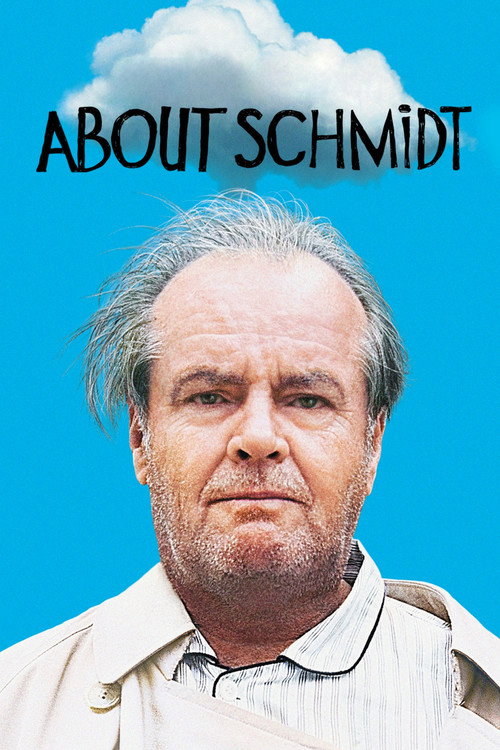
About Schmidt2002
Jack Nicholson as a retired insurance man reckoning with a lifetime of small compromises and estrangement from his family. Tender and excruciating about late life regret and the distance we keep from those closest to us.
But The protagonist is often difficult and selfish; the film refuses to soften him for our comfort, which can feel punishing.
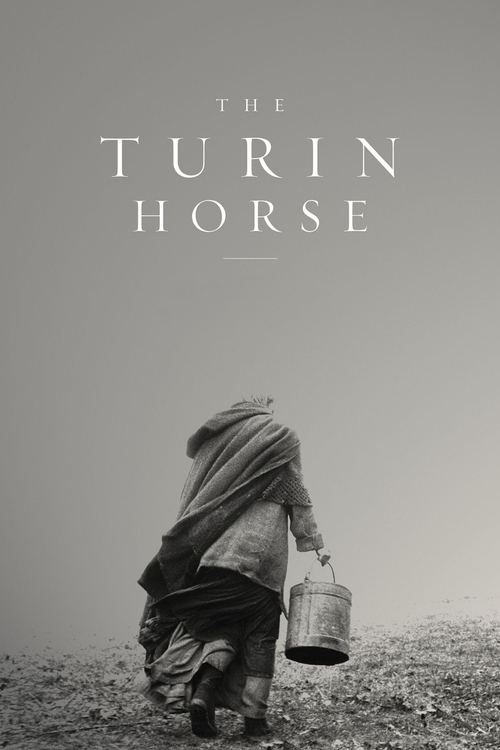
The Turin Horse2011
Béla Tarr's final film about the last days of a man, possibly Nietzsche, descending into silence and stasis. Black-and-white and hypnotic, it's apocalyptic Beckett—the world winding down to nothing.
But It's bleak to the point of suffocation, with minimal dialogue and a visual palette of grey; most viewers will find it hard going.
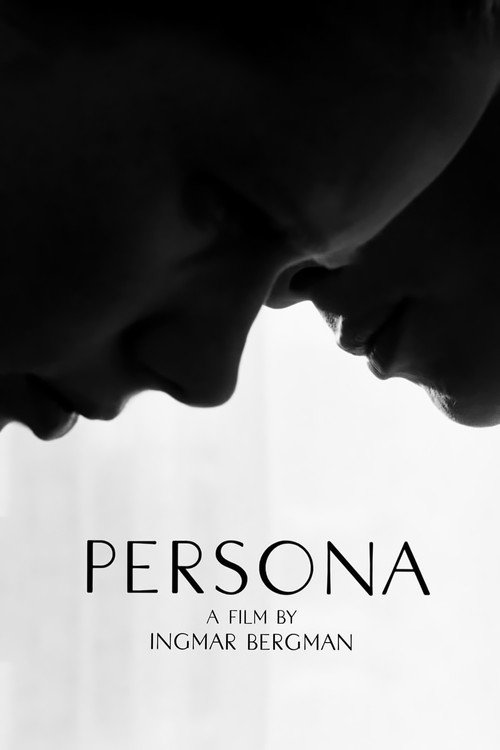
Persona1966
Ingmar Bergman's chamber piece about two women, one silent, in a psychological standoff. A meditation on identity, performance, and what remains when words stop. Dense and unsettling, structurally brilliant.
But The abstraction and repetition can feel cold; it's a film that demands active participation and doesn't guarantee emotional payoff.
People
Cast
 John HurtKrapp
Directing
- Atom EgoyanDirector
Writing
- Samuel BeckettWriter
Production
- Alan MoloneyProducer
- Michael ColganProducer