Television series
Mr. Belvedere
- Comedy
- Light-hearted
- Dip in and out
A prim English butler becomes the emotional center of a chaotic suburban Pittsburgh family, dispensing wisdom and dry wit in equal measure. Mr. Belvedere is a character-driven sitcom that trades on warmth and gentle humor rather than big laughs—a show about how the people we live with become the people we need. It's for anyone who remembers when family comedy meant something.
Should you watch it?
Watch it if you enjoy a prim, unflappable outsider quietly steering a chaotic household, where the comedy comes from a straight face meeting ordinary domestic mess.
Skip it if you want sharp, fast-cut jokes or ongoing story arcs, since this is a gentle, episodic sitcom where each half hour resets and the pace stays unhurried.
What it asks of you: Half an hour an episode with little serialized plot to track, so dipping in works; the run is long, six seasons and 117 episodes, so it rewards settling in.
Not sure? Find tonight's pick in a minute.
If you liked this
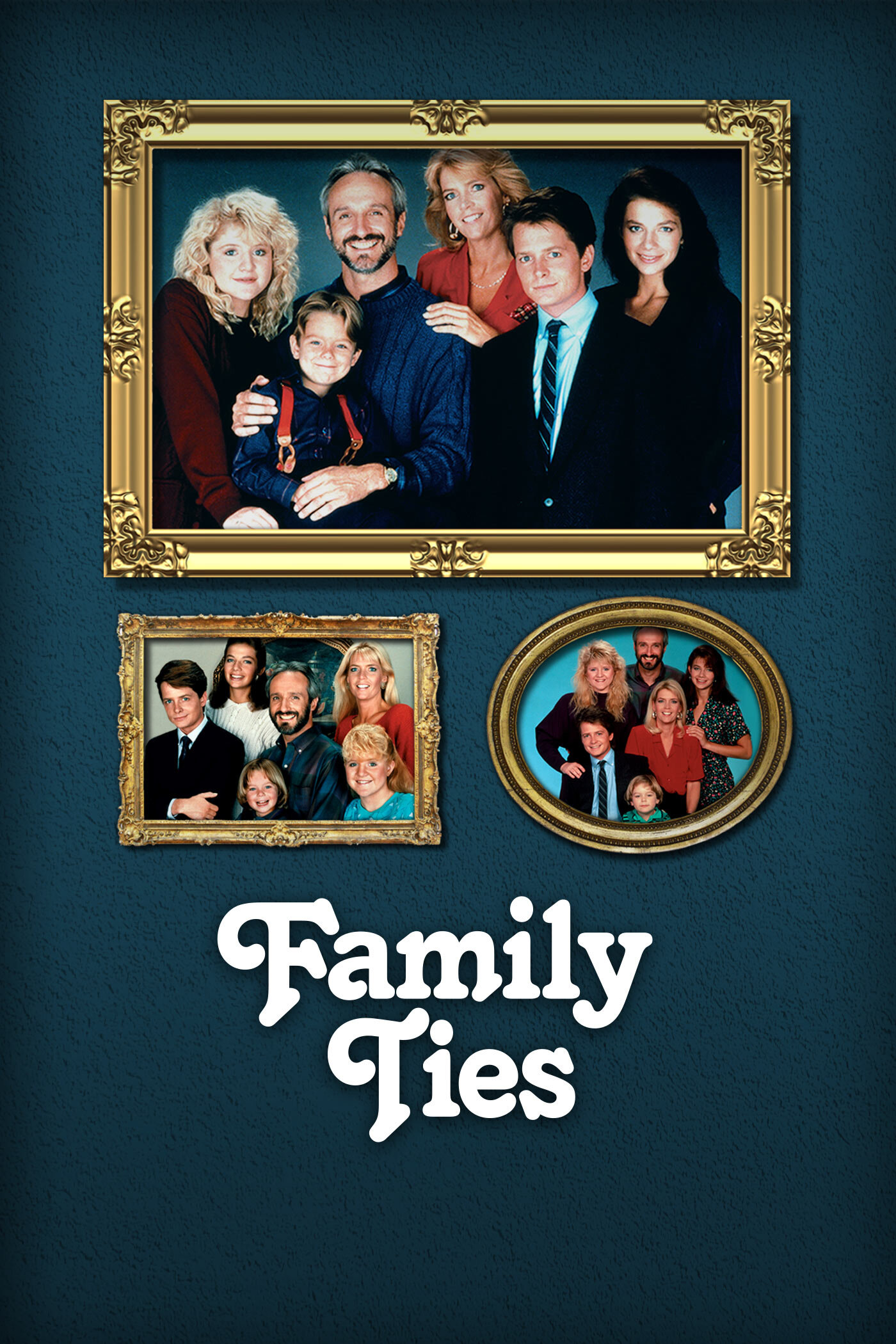
Family Ties1982
Michael J. Fox's idealistic Republican clashes beautifully with his liberal parents across seven seasons. The show balances genuine heart with comedy that never feels mean, and its family arguments actually matter—they shape how people see the world.
But It can be very earnest about its lessons, and some episodes prioritize the moral over the funny. Fox's charisma does carry a lot of episodes that would otherwise feel slight.
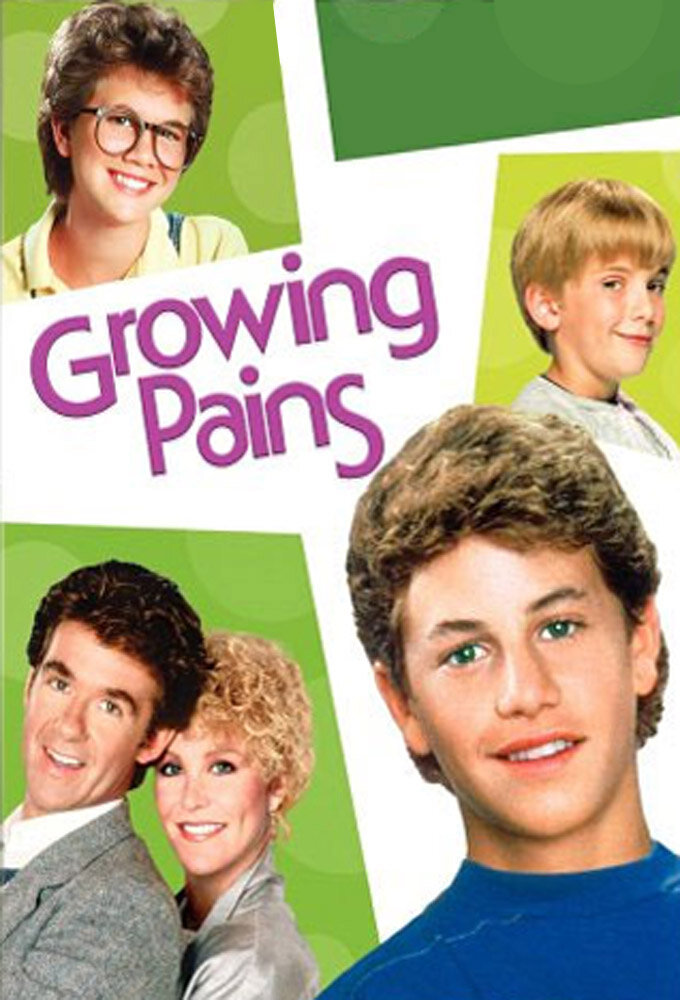
Growing Pains1985
Kirk Cameron and the Seagal family navigate adolescence and parenting with humor that feels lived-in rather than performed. The show captures how quickly kids change and how bewildering that is for parents trying to stay connected.
But The tone shifts noticeably as it runs on; later seasons lean harder into melodrama. Some episodes feel padded, stretching a small domestic conflict into twenty-two minutes.
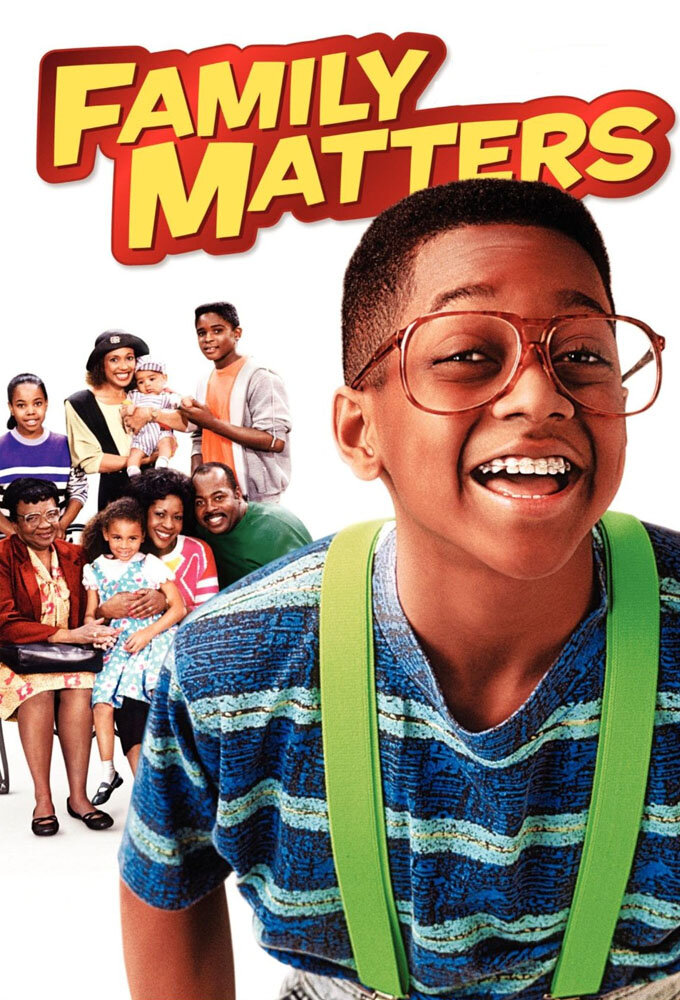
Family Matters1989
Jaleel White's Urkel became a phenomenon, but the show's real gift is how it grounds his chaos in genuine family relationships. The Winslow household feels lived-in, and there's real affection between the characters beneath the slapstick.
But Once Urkel arrives, he dominates almost every episode; the show becomes his vehicle rather than an ensemble piece. The humor is broader and broader as time goes on.
Not sure tonight? Get a pick in a minute, starting from Mr. Belvedere
The wildcard
Something you would not have found on your own.
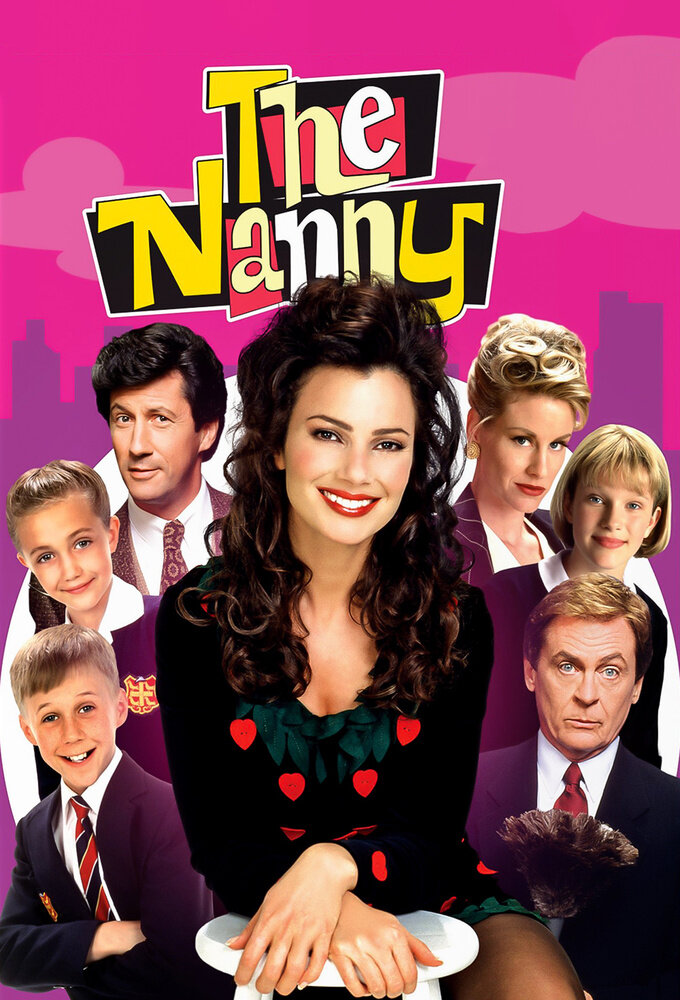
The Nanny1993
Both turn the household staff member into the character who actually loves the family most. Belvedere does it with English reserve; Fran does it with no filter whatsoever. Same emotional engine, completely opposite transmission.
Fran Fine inverts the Belvedere premise entirely: a brash, tacky woman from Queens becomes the emotional heart of a wealthy Manhattan household. Fran Drescher's performance is unhinged and genuine at once—she brings chaos and absolute sincerity, and everyone around her gets better for it.
But The voice is piercing and the comedy is broad; if you don't find that energy immediately appealing, the show will exhaust you. It's very of its moment—1990s consumerism and tackiness are baked in.
More like this (8)
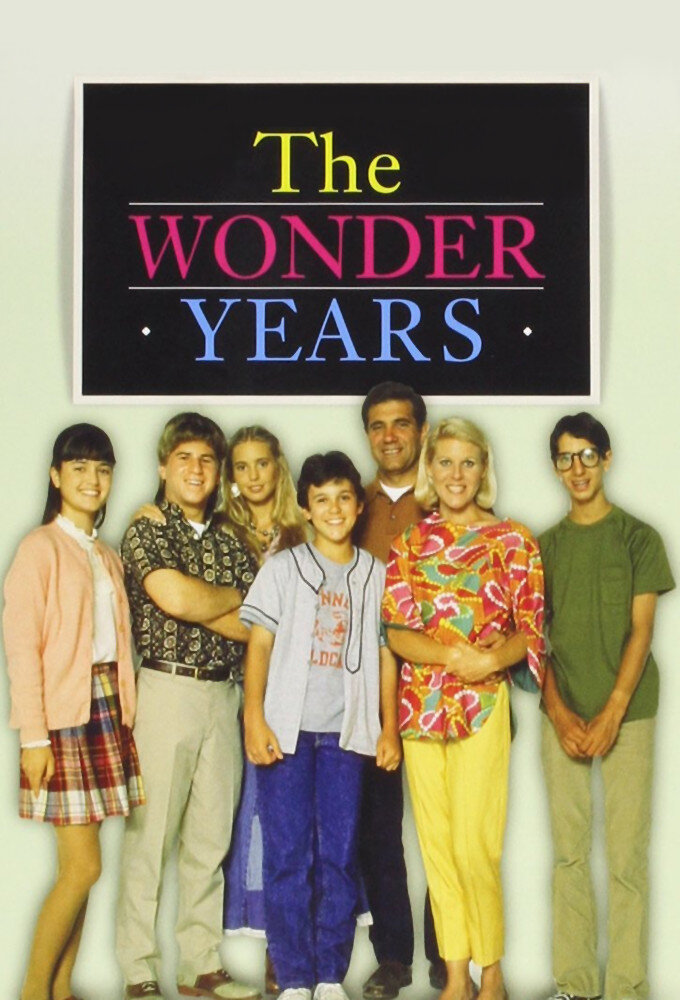
The Wonder Years1988
Kevin Arnold's narration wraps suburban childhood in nostalgia and bittersweet wisdom. It proved that a sitcom could be genuinely moving without losing comedy—that growing up is worth watching, even when it hurts.
But The nostalgia can feel precious, and some episodes lean too hard into sentimentality. The laugh track undercuts emotional moments that would land better in silence.
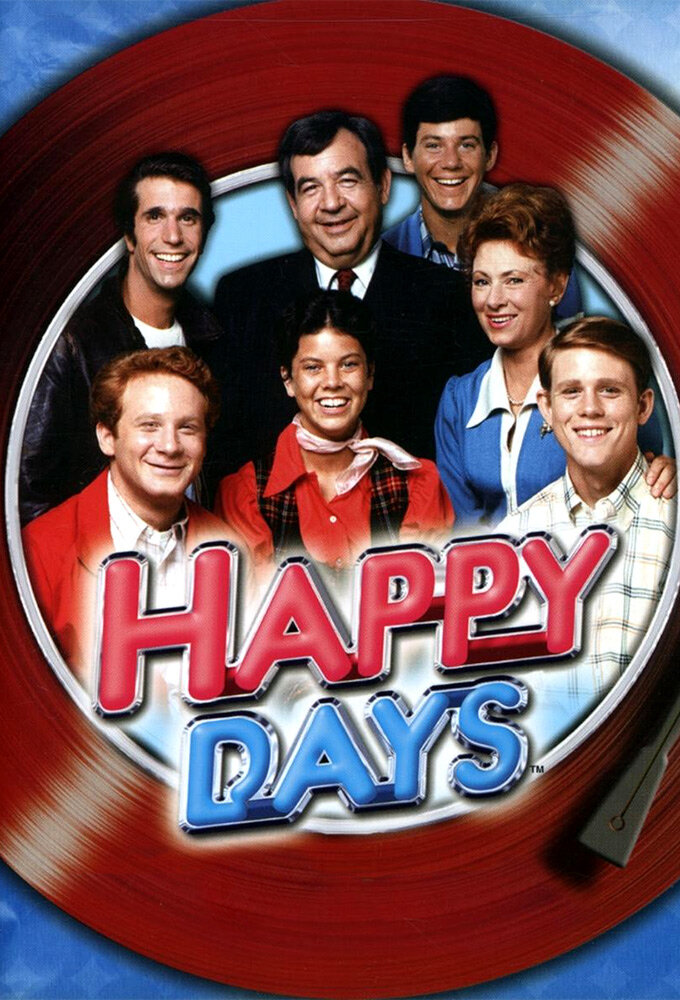
Happy Days1974
Fonzie became iconic, but the show's real pleasure is in how it captured Milwaukee teenager life with genuine affection for its characters. The ensemble cast has real chemistry, and it's funnier than its reputation suggests.
But It's a period piece now, and some plots feel impossibly dated. The later seasons, especially after Fonzie water-skied over a shark, lost their footing.
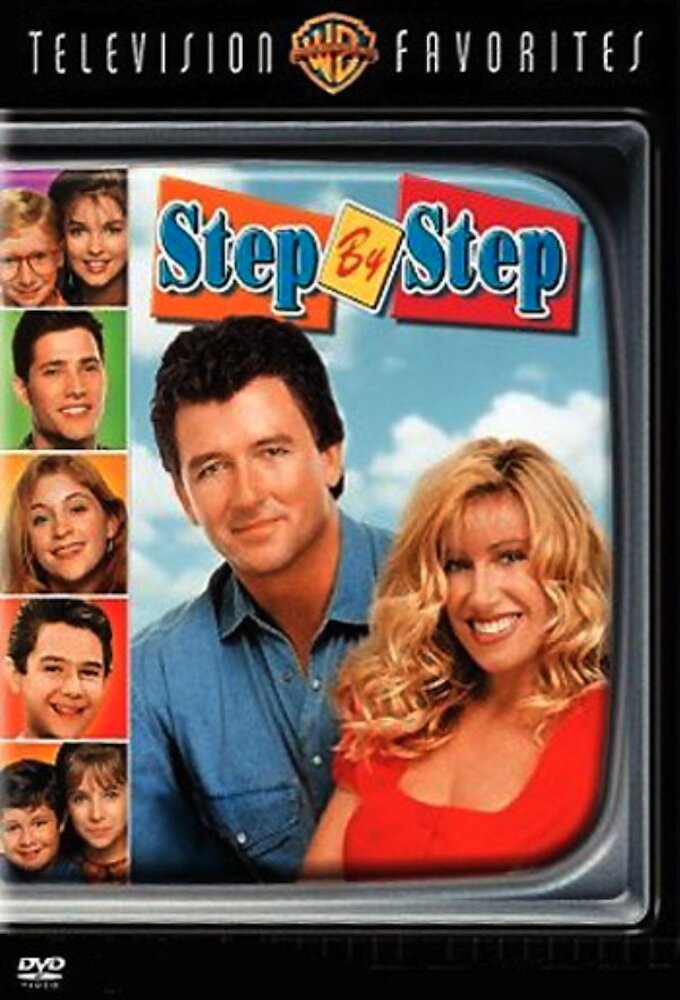
Step by Step1991
A blended family navigates the genuine awkwardness of becoming a family overnight. Patrick Duffy and Suzanne Somers have easy chemistry, and the show respects that this arrangement requires actual work and grace.
But It's very earnest about its after-school-special lessons, often without much bite. Some episodes feel like they're checking boxes rather than exploring real family tensions.
Perfect Strangers1986
Mark Linn-Baker's nervous Midwestern everyman and Bronson Pinchot's Balki create genuine warmth through physical comedy and their obvious fondness for each other. It's silly and sincere in a way that shouldn't work but does.
But The plots are often paper-thin, and the humor relies heavily on misunderstandings and slapstick. It's comfort food, not something that challenges you.

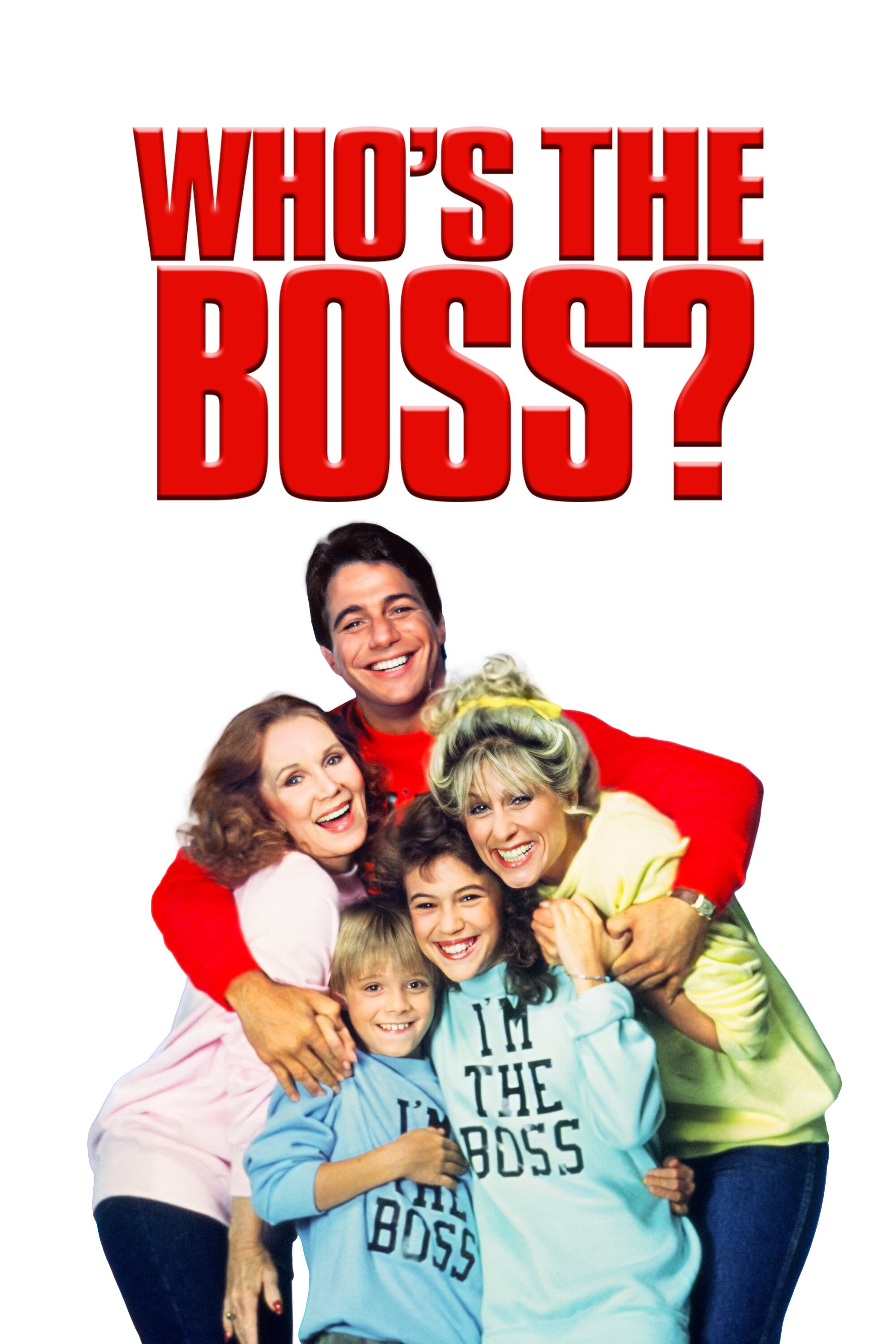
Who's the Boss?1984
Tony Danza and Judith Light have effortless chemistry as a working-class housekeeper and his wealthy employer. The show mines its premise for both comedy and genuine moments about class and character.
But It can be saccharine, especially in later seasons when the will-they-won't-they becomes the entire plot. The class politics get soft-pedaled as sentiment takes over.
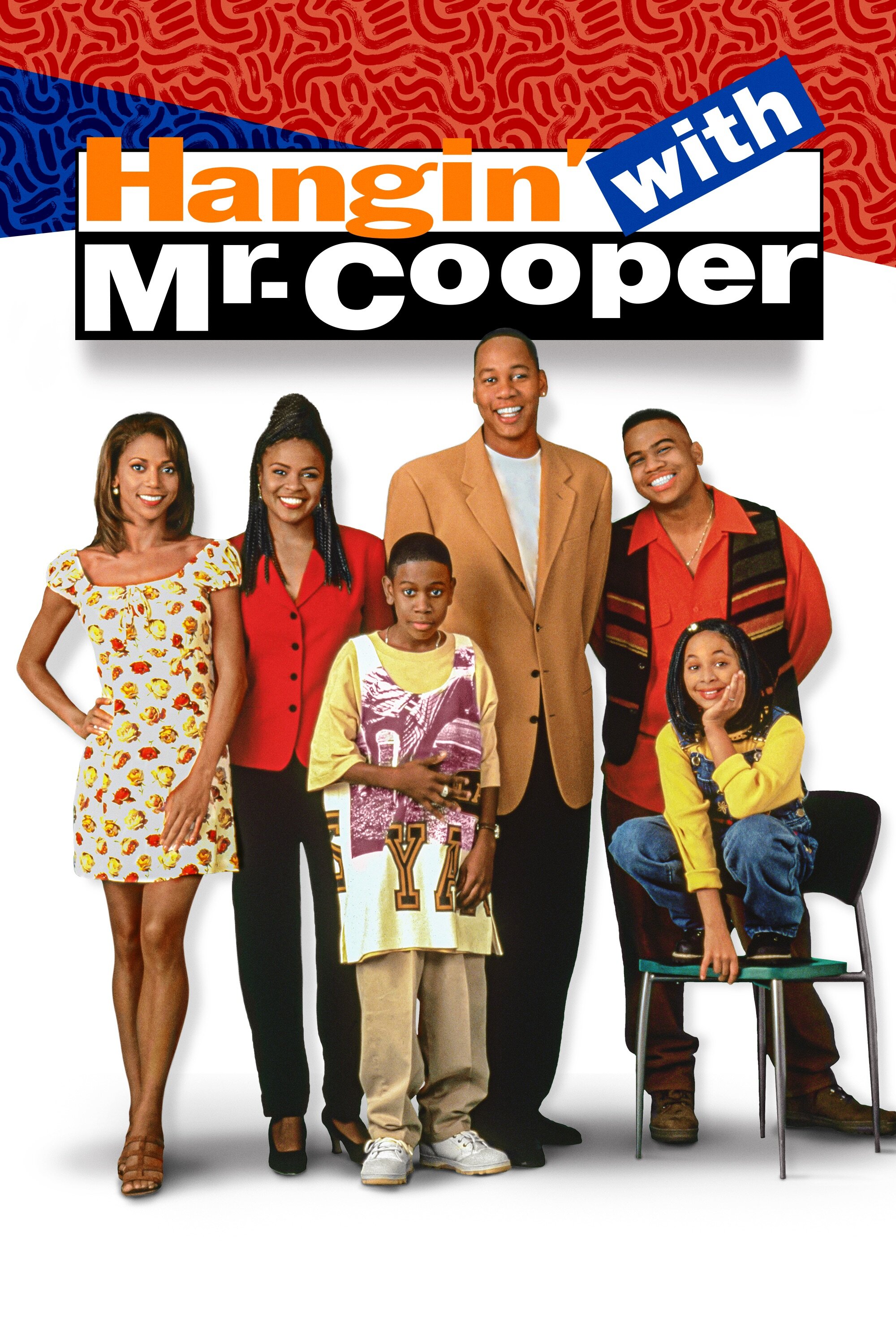
Hangin' with Mr. Cooper1992
Mark Curry and Holly Robinson create a warm dynamic between neighbors. It's unpretentious sitcom comfort—people trying to be good to each other, with jokes that land without trying too hard.
But It's slight; there's not much here beyond the immediate charm. Episodes are easily forgettable, and the show doesn't reach for anything beyond pleasant.
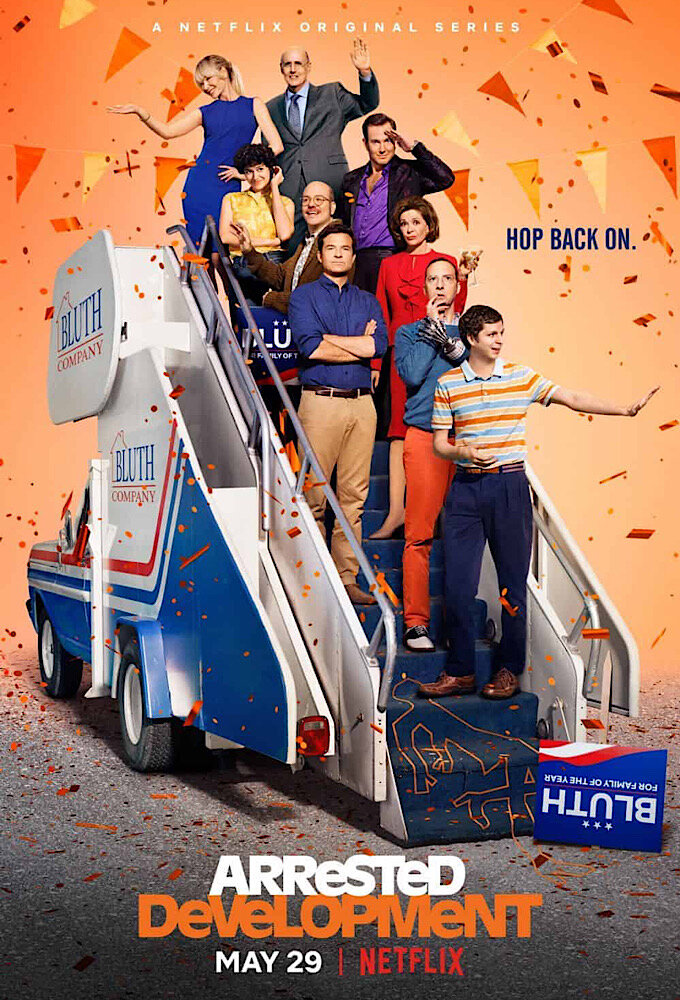
Arrested Development2003
Both shows understand that family comedy works best when the outsider (or the one person with sense) is watching everyone else's chaos with affection rather than judgment. But where Belvedere gently corrects, AD just documents the disaster with love.
A wealthy family implodes into chaos, but the show's genius is how it lets you love them anyway—even, especially, when they're terrible. It's character comedy at its sharpest, with layered jokes that reward rewatching and a family that's genuinely dysfunctional but genuinely connected.
But The satire is caustic and the structure is intricate in ways that can feel exhausting. If you want warm sentiment, this is the opposite; it's funny precisely because no one gets fixed.
Scrubs2001
Both understand that a sitcom works best when one character (the Janitor, Mr. Belvedere) observes the chaos with clear-eyed wisdom and helps everyone become better versions of themselves without ever losing their fundamental kindness.
A hospital comedy that earns its emotional moments because it understands how humor and genuine hurt coexist in real life. The ensemble has real chemistry, the jokes land, and when it breaks your heart, you feel it because you've been laughing five seconds before.
But The tone wobbles between silly and serious in ways that don't always balance; some episodes feel like different shows. The later seasons lose the thread of what made it work.