
Film
Winter in the Blood
- Drama
- Very dark
- Slow-burning
A Blackfoot man drifting through Montana—broken by alcohol, haunted by memory—sets out to find his departed wife but discovers he's searching for something deeper: himself. Quiet, meditative, full of dark humor. For those who recognize themselves in people society has written off, and who know that grace arrives without fanfare.
Should you watch it?
Watch it if you are drawn to quiet, interior character studies where memory and landscape do the storytelling, and you don't mind a protagonist who is hard to like yet impossible to ignore.
Skip it if you want a clear plot that moves briskly; this drifts through hazy flashbacks and long silences, and its grief is steady rather than cathartic.
What it asks of you: Ninety-eight minutes that feel unhurried: scenes linger, the past surfaces without warning, and the mood stays heavy with little release.
Not sure? Find tonight's pick in a minute.
If you liked this
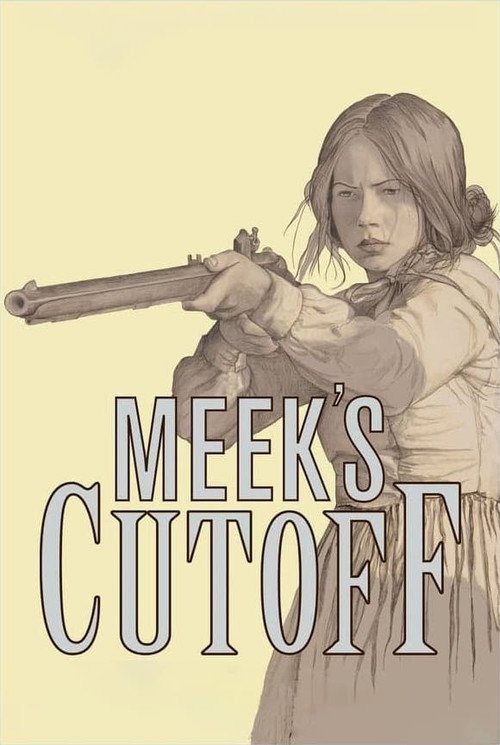
Meek's Cutoff2011
Kelly Reichardt's spare, tense frontier story of women navigating impossible terrain. Like Winter in the Blood, it finds profound human conflict in landscape and silence, asking what survival really costs.
But Deliberate pacing and ambiguous ending may frustrate those wanting narrative resolution or dramatic catharsis.
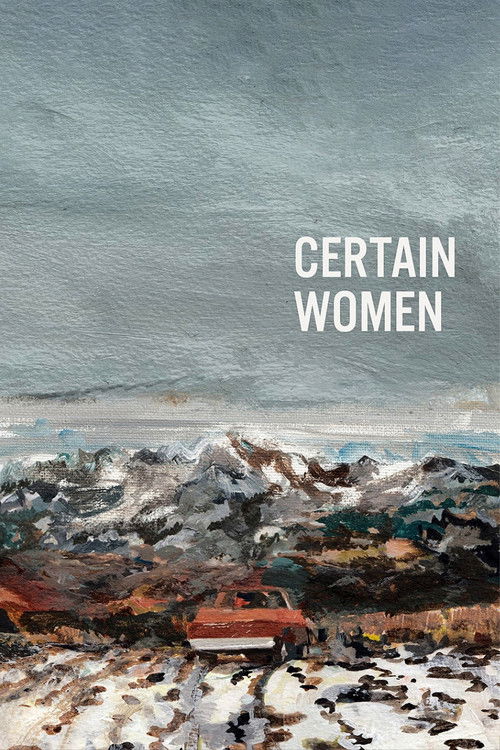
Certain Women2016
Also Reichardt, also Montana, also about quiet people carrying quiet damage. Three interconnected stories of unmet need. The emotional precision will devastate you if you let it.
But Almost nothing happens in the way conventional drama demands. Some find it too restrained to engage with.
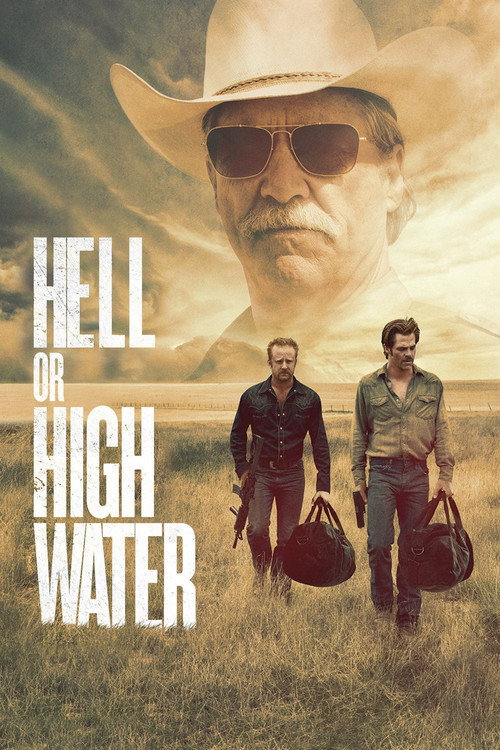
Hell or High Water2016
Modern West, broken men, the economics of dispossession. Operates at a higher narrative velocity than Winter in the Blood but shares its clear-eyed view of who gets left behind and why.
But The plot mechanics are taut but familiar. If you've seen the heist-gone-wrong structure, you'll anticipate beats.
Not sure tonight? Get a pick in a minute, starting from Winter in the Blood
The wildcard
Something you would not have found on your own.
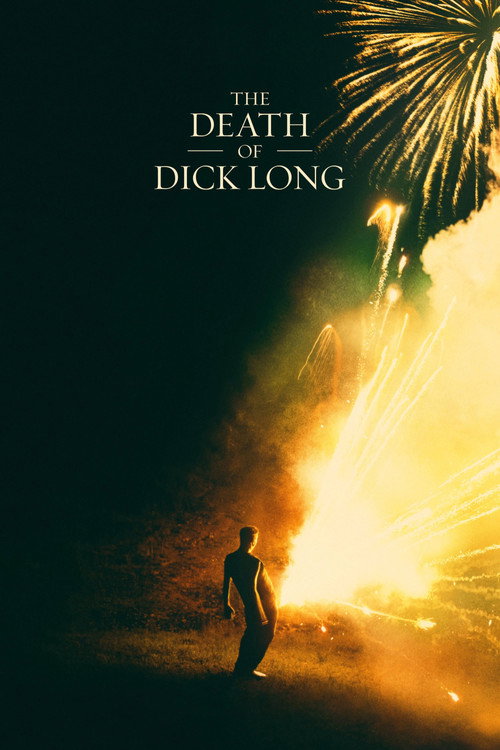
The Death of Dick Long2019
Both films track male self-destruction through mundane details and dark humor, showing how the personal becomes communal damage without hysteria.
Daniel Scheinert's indie crime-comedy-tragedy about three men trying to cover up an accident. Tonal whiplash—funny then horrifying—that mirrors how trauma actually lives in the body. The connection: both watch male shame spiral outward, destroying everything nearby.
But Shifts between comedy and genuine darkness without announcing the transitions. Some find the tonal instability alienating rather than illuminating.
More like this (8)
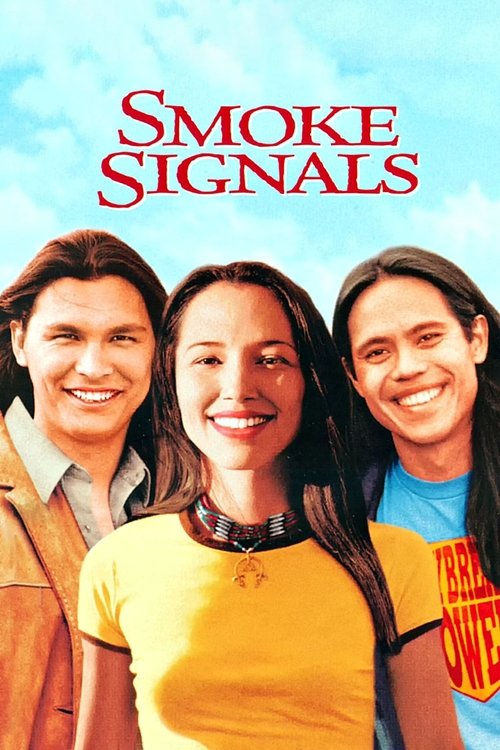
Smoke Signals1998
Sherman Alexie's only feature film, a road movie about two young Native men reclaiming their stories. Funny, tender, and serious about identity in ways that don't require misery to prove authenticity.
But The tone shifts between comedy and gravity in ways some find tonal. Late 90s indie production values show their age.
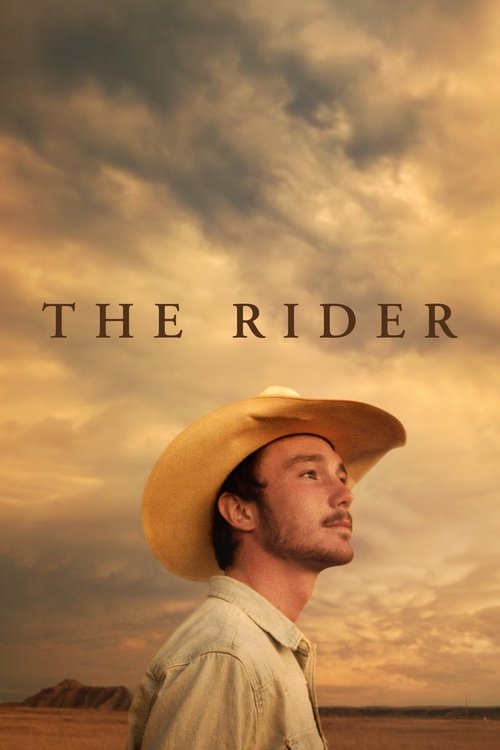
The Rider2018
Chloé Zhao's portrait of a Lakota rodeo rider rebuilding his life after injury. Non-narrative, meditative, shot with documentary-like intimacy. About masculinity and resilience without false uplift.
But Conventional plot is almost absent. The protagonist's emotional reserve can read as passivity if you're not attuned to subtlety.
A Ghost Story2017
David Lowery's haunting meditation on time, loss, and what we leave behind. A man returns to his house—and to the woman he loved—as a ghost. Grief made visible and strange.
But The central conceit (ghost under sheet) might seem gimmicky. Heavy philosophical weight won't appeal to those wanting plot.

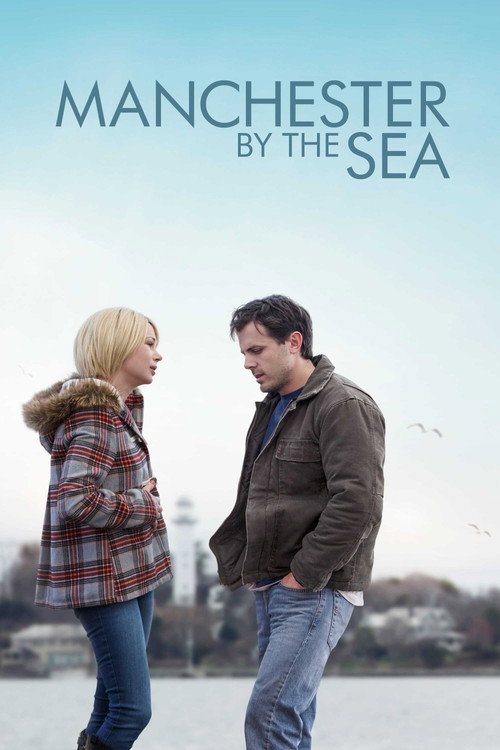
Manchester by the Sea2016
Kenneth Lonergan's portrait of a man hollowed by grief, forced to care for his nephew. Achingly human, precise about how trauma compounds, how we fail the people we love.
But Relentlessly downbeat. If you need hope or redemption, the bleakness may feel punishing rather than cathartic.
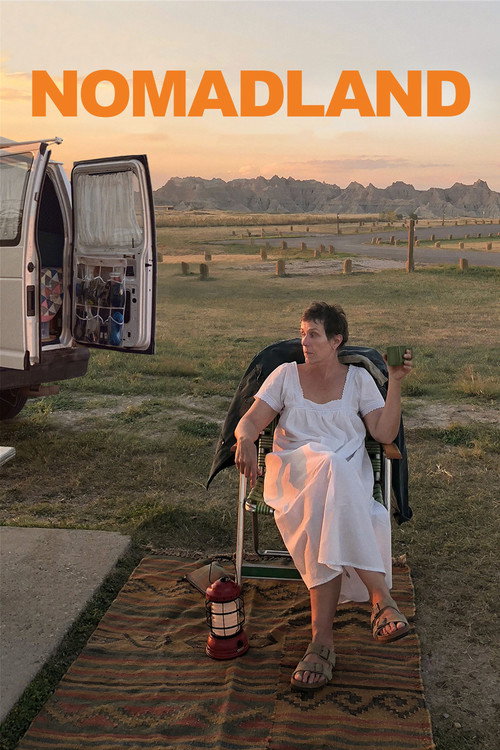
Nomadland2021
Chloé Zhao again, with Frances McDormand. Documentary-realist approach to economic precarity and belonging. About people making lives on the margins, with dignity and occasional grace.
But Character-driven to the point of plotlessness. The meditative pace and lack of narrative arc challenge expectations of what a film should do.
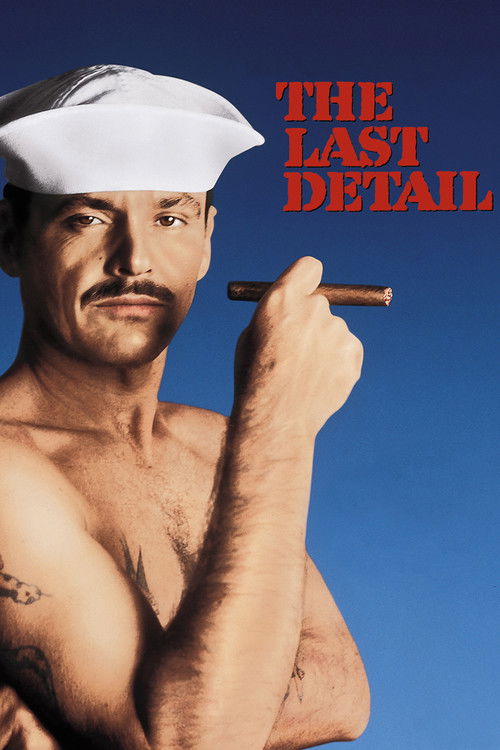
The Last Detail1973
Ashby's road movie with Nicholson as a career Navy man shepherding a prisoner. Funny and elegiac about masculine friendship and the small rebellions that matter. Often overlooked gem.
But The 70s politics are baked in. If period-specific ideology (and language) feel dated, it won't age gracefully for you.
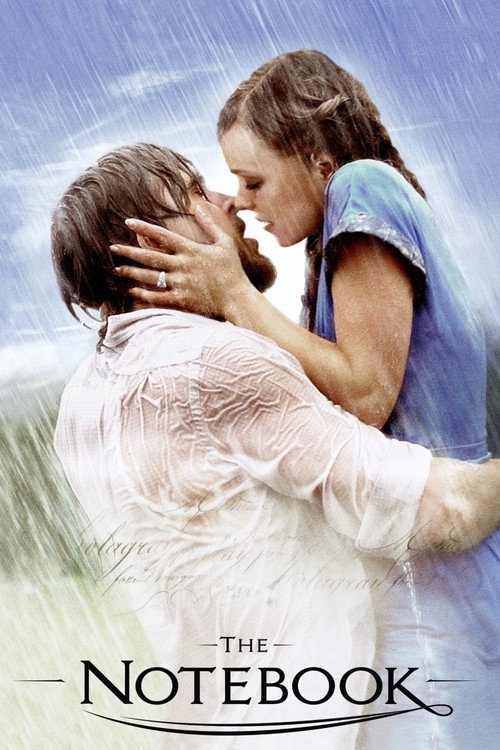
The Notebook2004
Both examine how we narrate ourselves into being; both find profound dignity in people circumstance has marked as disposable.
Ismail Bashey's HBO documentary series about a young Sudanese refugee boy writing his first story. Completely different register—joyful, about becoming—but shares the quiet attention to how identity is built against impossible odds, with grace not granted but earned.
But Documentary form and child subject matter create expectations of uplift. Real life's unpredictability may feel unsatisfying if you want a complete story arc.
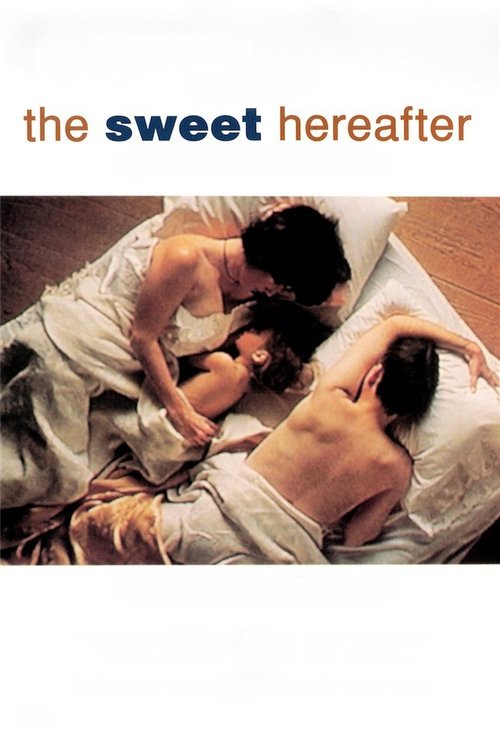
The Sweet Hereafter1997
Both honor how communities hold trauma silently, how individuals carry their damage as if it's private, and how redemption—if it comes—arrives through rupture and reckoning.
Atom Egoyan's elliptical narrative about a small town fractured by tragedy. Circling back, revealing truth sideways. A lawyer arrives wanting to weaponize grief; the film asks whether healing is possible when everyone wants someone to blame.
But The non-linear structure demands active attention. If you need clarity and forward momentum, the fragmented approach will frustrate.
People
Cast
 Chaske SpencerVirgil First Raise
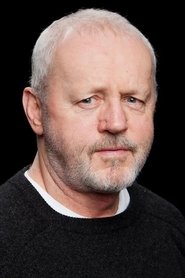 David MorseAirplane Man
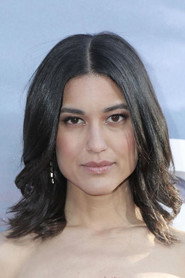 Julia JonesAgnes
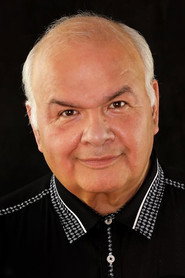 Gary FarmerLame Bull
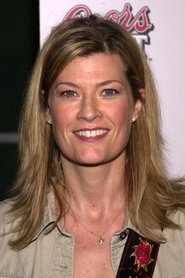 Dana Wheeler-NicholsonMalvina
 Lily GladstoneMarlene
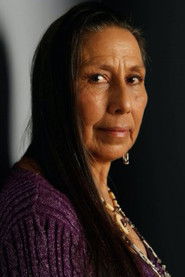 Casey Camp-HorinekTheresa First Raise
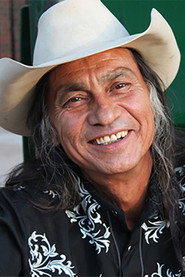 Richard Ray WhitmanJohn First Raise
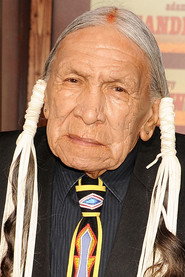 Saginaw GrantYellow Calf
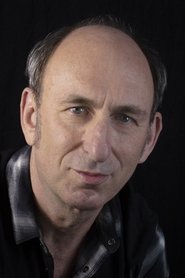 David CaleBad Suit
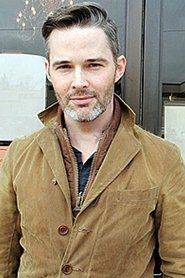 Ken WhiteShiny Suit
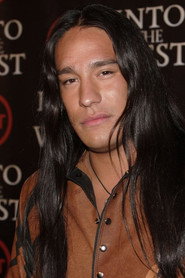 Michael SpearsRaymond Long Knife
Directing
- Alex SmithDirector
- Andrew J. SmithDirector
Writing
- James WelchNovel
- Alex SmithWriter
- Andrew J. SmithWriter
- Ken WhiteWriter
Production
- Rene HaynesCasting
- Alex SmithProducer
- Andrew J. SmithProducer
- Susan KirrProducer