
Film
The Paradine Case
A Hitchcock courtroom thriller about a barrister defending a beautiful woman accused of murder, only to find his professional judgment—and marriage—corroded by infatuation. Elegantly crafted, psychologically acute, and deeply interested in how desire warps a good man's choices. For anyone who likes character drama with genuine stakes and moral ambiguity.
If you liked this
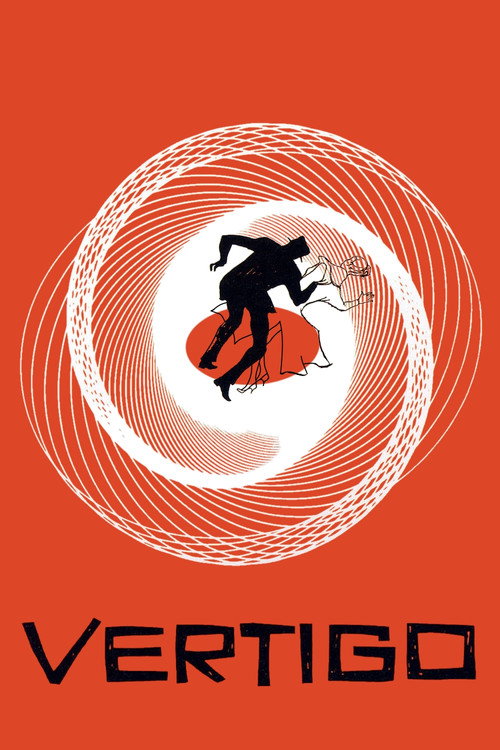
Vertigo1958
Hitchcock's masterpiece about obsession overwhelming reason, featuring a man whose fixation on an unattainable woman destroys everything. Thematically twin to Paradine, but richer in its exploration of what we project onto others.
But The pacing builds slowly and the ending might feel distant or unsatisfying if you're looking for conventional resolution.
In the Mood for Love2000
Wong Kar-wai's exquisite film about two neighbours who suspect their spouses are having an affair. Likewise concerned with how desire and obsession bloom in constraint, told through visual poetry rather than exposition.
But Extremely slow and deliberately artificial; dialogue is minimal and the story is subordinate to mood and colour.

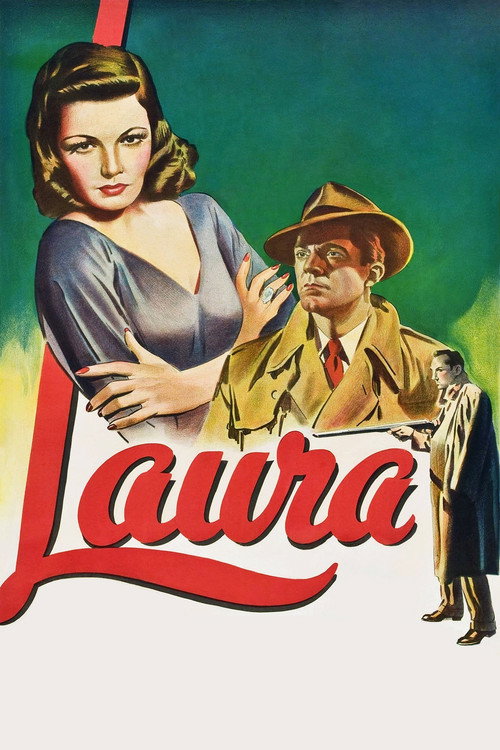
Laura1944
Otto Preminger's noir about a detective falling for the portrait of a murdered woman. The same dangerous alchemy of mystery and attraction, with a detective who loses objectivity the way Keane does.
But The ending is conventional in a way Paradine isn't; it feels bound by 1940s propriety rather than genuine moral complexity.
Not sure tonight? Get a pick in a minute, starting from The Paradine Case
The wildcard
Something you would not have found on your own.
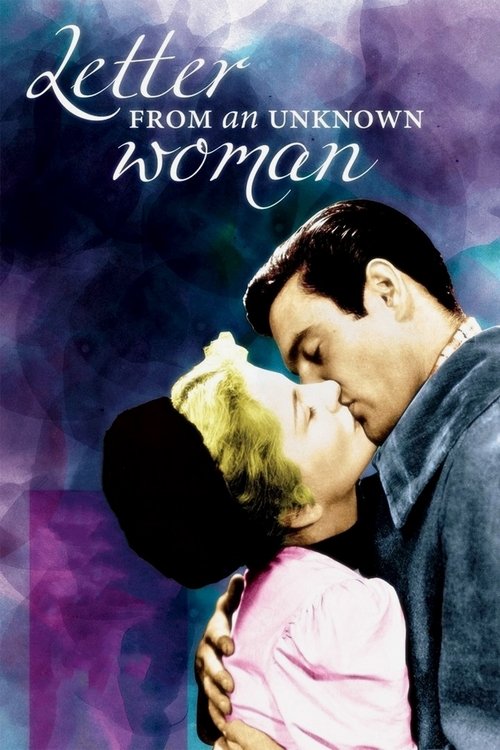
Letter from an Unknown Woman1948
Both films use courtroom or formal structure as a frame for exploring how deeply desire can deceive someone about themselves and the world.
Max Ophüls' devastating film told from the opposite perspective: the woman consumed by unrequited love for an indifferent man. Shows how the Paradine dynamic looks when the gaze is flipped, and how little choice and reason matter against feeling.
But Slow, romantic, and emotionally punishing; if you wanted plot momentum, this removes it entirely.
More like this (8)
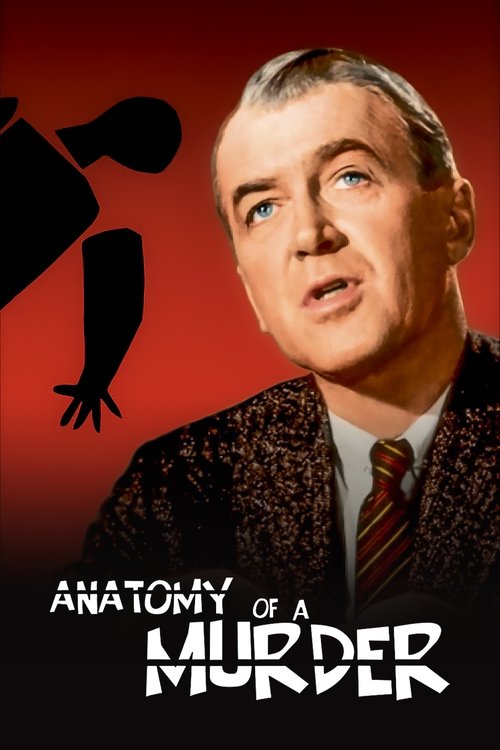
Anatomy of a Murder1959
Preminger again, this time a meticulous courtroom procedural where the law and human impulse collide. Less about infatuation but equally rigorous about how lawyers deceive themselves and others.
But Over two hours of deliberate, unglamorous legal process; the drama is intellectual rather than emotional.
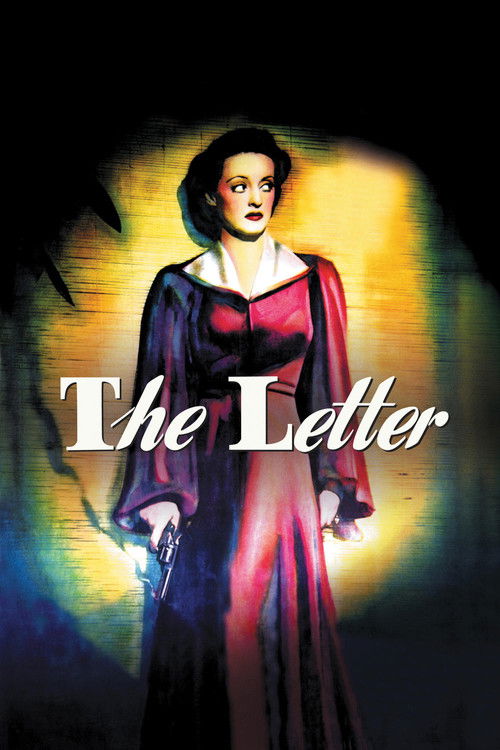
The Letter1940
William Wyler's superb melodrama where Bette Davis plays a woman on trial for murder. Shares the Paradine case's interest in guilt, appearance, and the space between what the law proves and what is true.
But Davis's performance can feel theatrical; the film's moral judgments are dated in ways that feel uncomfortable now.
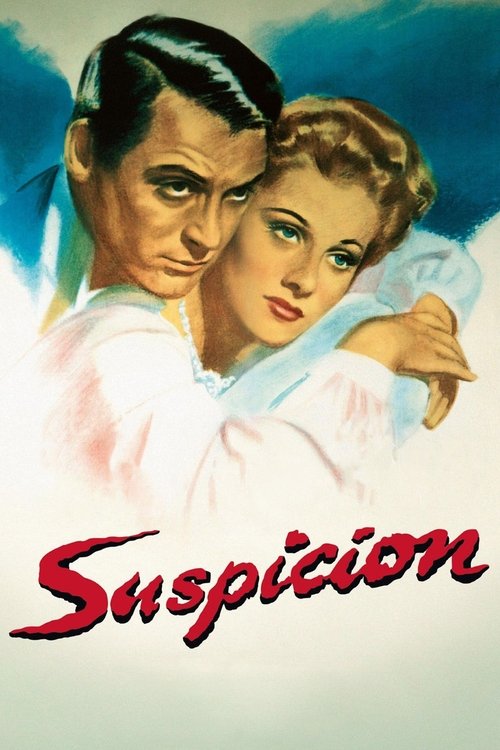
Suspicion1941
Hitchcock with Cary Grant and Joan Fontaine, exploring paranoia and misreading in marriage. A lighter touch than Paradine, but the same concern with how we mistake our projections for reality.
But The ending was notoriously compromised by studio interference; it feels tacked on and undermines the film's psychological tension.
The Asphalt Jungle1950
John Huston's heist film, but really a character study of men whose plans founder on desire and betrayal. Different genre, but the same eye for how weakness spreads through good intentions.
But Slow-burn heist procedural; some viewers find the non-stars and lack of glamour off-putting.

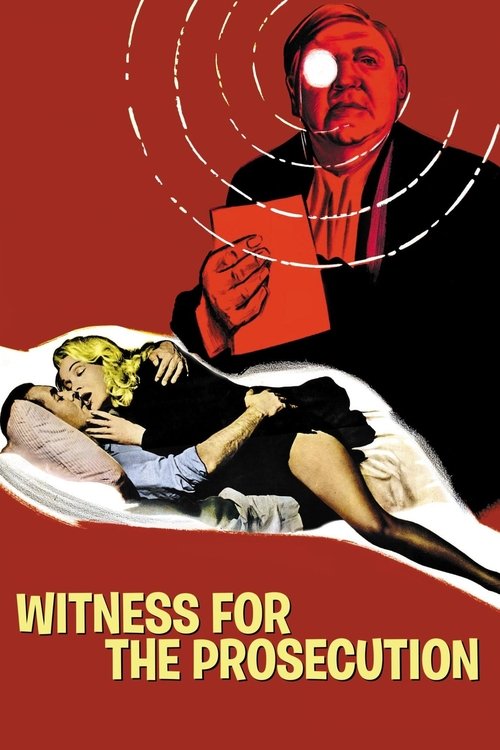
Witness for the Prosecution1957
Billy Wilder's courtroom thriller where nothing is as it seems and the lawyer's certainty repeatedly overturns. A more playful film than Paradine, but the same fascination with how well we know anything.
But The twist ending is famous enough that surprise is gone; it can feel like a clever exercise once you know where it's heading.
All That Jazz1979
Fosse's semi-autobiographical exploration of a man whose artistic ambition and infidelity corrode his marriage and life. Opera-scale rather than thriller, but the moral reckoning is equally unsparing.
But Extremely long, formally demanding, and bleakly unsentimental about addiction, sex, and self-destruction.
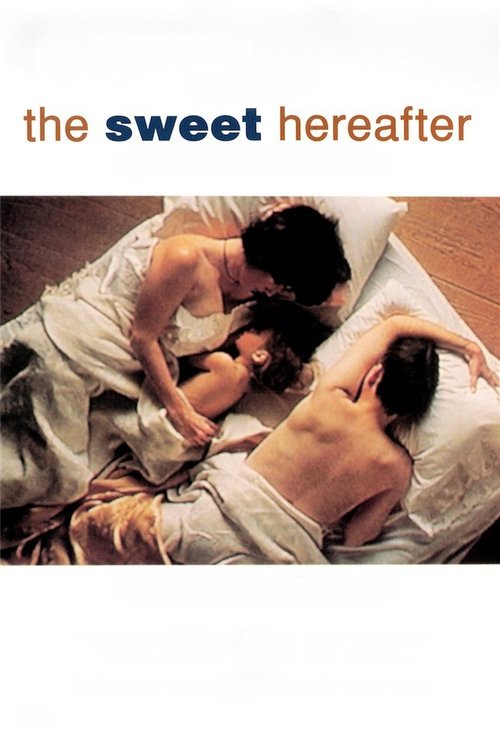
The Sweet Hereafter1997
Both films treat the law as a place where men deceive themselves most completely, where professional distance collapses into personal need.
Atom Egoyan's film about a lawyer arriving in a grieving small town after a school bus disaster. Same preoccupation with a man of law undone by his own certainties, but the obsession is with guilt and responsibility rather than a person.
But Fragmented narrative that loops and withholds; the emotional payoff is quiet and uncertain rather than cathartic.
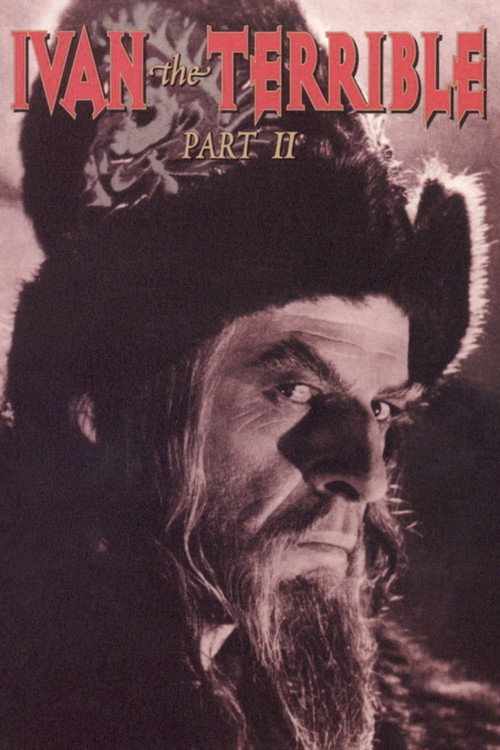
Ivan the Terrible, Part II: The Boyars' Plot1958
Both films believe that obsession and the conviction of being right can corrupt a man more thoroughly than any external force; both use visual style to externalize inner dissolution.
Eisenstein's visually extraordinary film about power, obsession, and paranoia, told in a register of operatic artifice. A Soviet epic about a different kind of man destroyed by conviction, rendered in images so intense they feel unreal.
But In Russian, visually dense to the point of being ornamental, and politically concerned with questions remote from Paradine's intimacy.
People
Cast
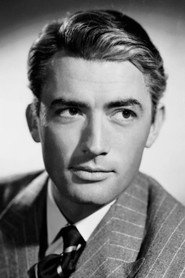 Gregory PeckAnthony Keane
 Ann ToddGay Keane
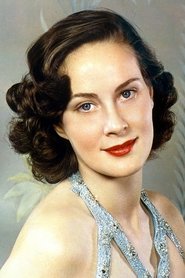 Alida ValliMrs. Paradine
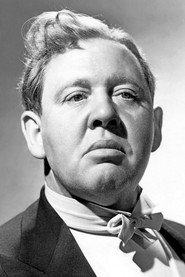 Charles LaughtonJudge Lord Thomas Horfield
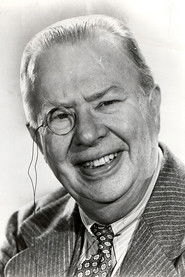 Charles CoburnSir Simon Flaquer
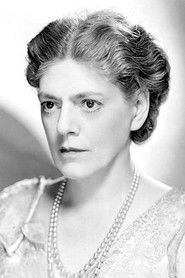 Ethel BarrymoreLady Sophie Horfield
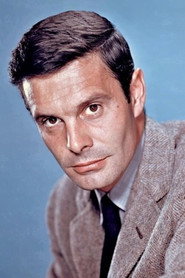 Louis JourdanAndre Latour
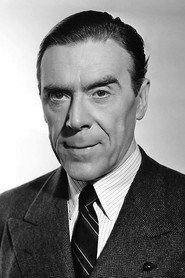 Leo G. CarrollSir Joseph
 Joan TetzelJudy Flaquer
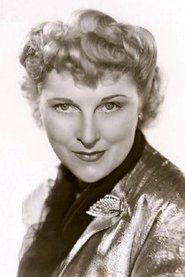 Isobel ElsomInnkeeper
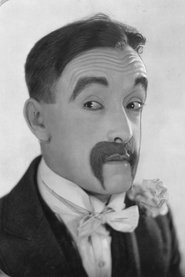 Harry 'Snub' PollardCabby (uncredited)
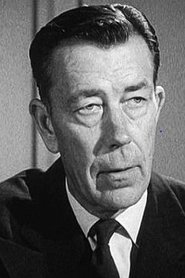 Kenner G. KempCourtroom Spectator (uncredited)
Directing
- Lowell J. FarrellAssistant Director
- Alfred HitchcockDirector
- Lydia SchillerScript Supervisor
Writing
- Alma RevilleAdaptation
- Robert HichensNovel
- David O. SelznickScreenplay
Production
- David O. SelznickProducer
- Fred AhernUnit Manager