
Film
Monster
Other titles called Monster: the 2003 film, the 2004 series (NTV).
A Japanese thriller about a mother pursuing answers after her son's violent outburst at school spirals into a psychological maze of suspicion and buried trauma. Tense, intimate, and morally uncertain, it trusts the audience to sit with uncomfortable questions about parenting, truth, and complicity. For anyone who finds themselves rewinding scenes to catch what they missed.
If you liked this
The Hunt2012
A Danish thriller about accusation and how quickly a community turns against one man. Like Monster, it examines the terrifying speed of judgment and the gap between truth and belief, with a performance that haunts long after.
But Bleak in ways that don't soften by the end. You'll feel the injustice rather than catharsis, which some viewers find exhausting rather than rewarding.

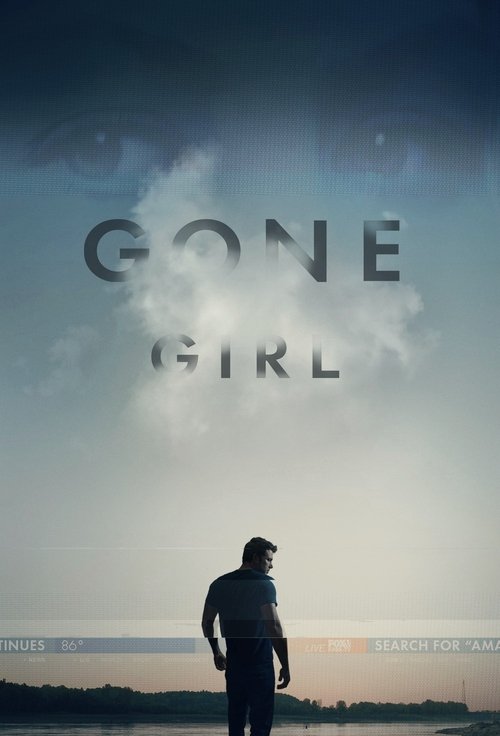
Gone Girl2014
Sharp, calculating, and committed to showing you how easily narrative can be weaponized. Both films understand that the real thriller isn't the event—it's the story people construct around it, and who gets to tell it.
But Some find it too plot-driven and detached. If you want to feel for the characters rather than study them, this might feel cold.
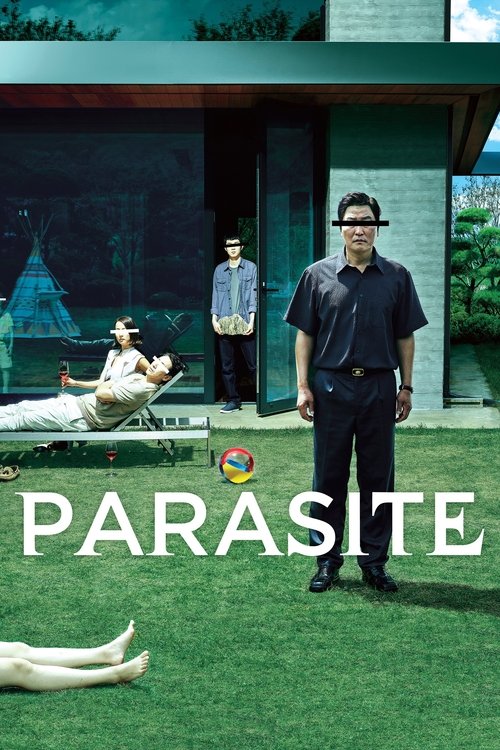
Parasite2019
A South Korean masterpiece about class, observation, and the lies families tell themselves. Shares Monster's gift for finding explosive tension in small moments and moral ambiguity in ordinary people.
But It's been called the perfect film everywhere, which creates an intimidating reputation. Also, the third act completely changes genre, which delights some and frustrates others.
Not sure tonight? Get a pick in a minute, starting from Monster
The wildcard
Something you would not have found on your own.
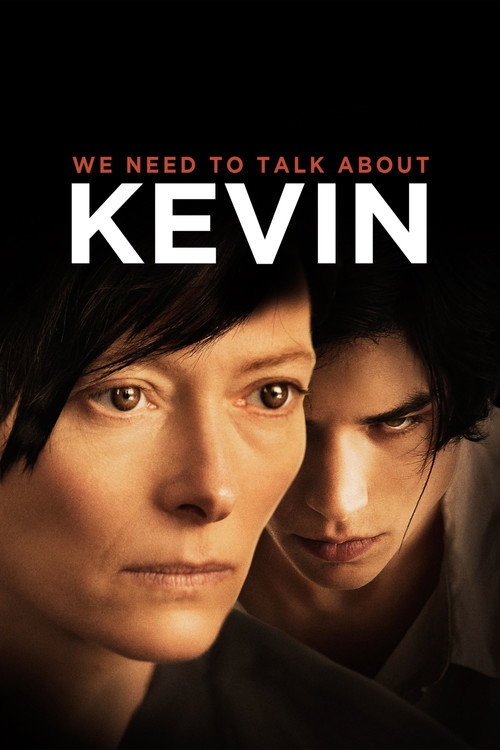
We Need to Talk About Kevin2011
Both films center a mother confronting her inability to predict or prevent her son's violence, and both are structured around the question of what a mother can be held accountable for.
A British-American film told in fractured time, following a mother after her son commits an atrocity. Like Monster, it refuses to blame or excuse; instead, it asks unbearable questions about maternal responsibility and what we can and cannot control about our children.
But Punishing to watch. It's not interested in plot satisfaction and seems almost designed to make you miserable. Also, the aesthetic is deliberately unsettling—dissonant, ugly, hard to look at.
More like this (6)
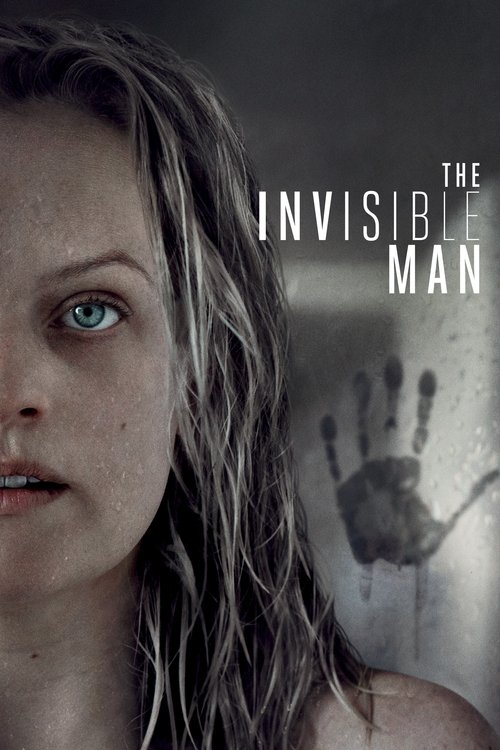
The Invisible Man2020
A home-invasion thriller that's really about gaslighting and making the invisible visible. Like Monster, it focuses on how abusers exploit the gap between what's happening and what others can see.
But More action-oriented than Monster. If you want psychological complexity over propulsive momentum, this might feel more conventional.
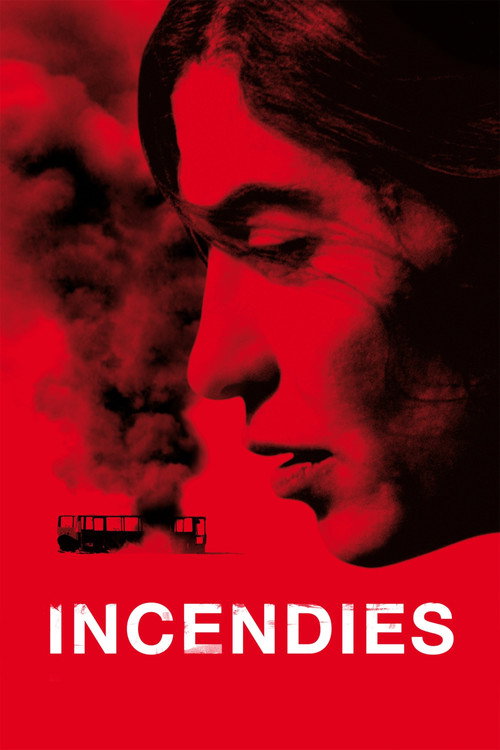
Incendies2010
A Canadian-Lebanese film that dismantles family history layer by layer, revealing how secrets compound across generations. Structurally intricate and devastating in ways that echo Monster's unpacking of the past.
But Demanding and deliberately paced. The long runtime exists to make the ending land, but some will find the build glacial.
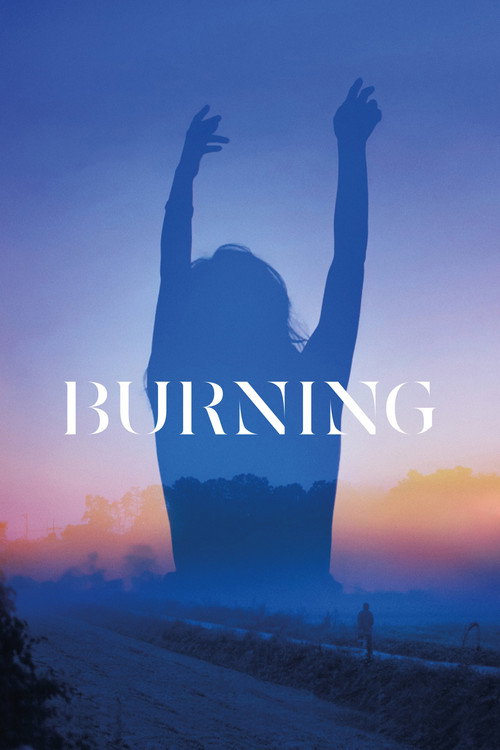
Burning2018
A South Korean character study where suspicion itself becomes the plot. Nothing is resolved; ambiguity is the point. Watches like Monster in its refusal to give audiences easy answers about who's really guilty.
But Slow, atmospheric, and deliberately obscure. It's asking you to sit with mystery rather than solve it, which frustrates people seeking narrative closure.
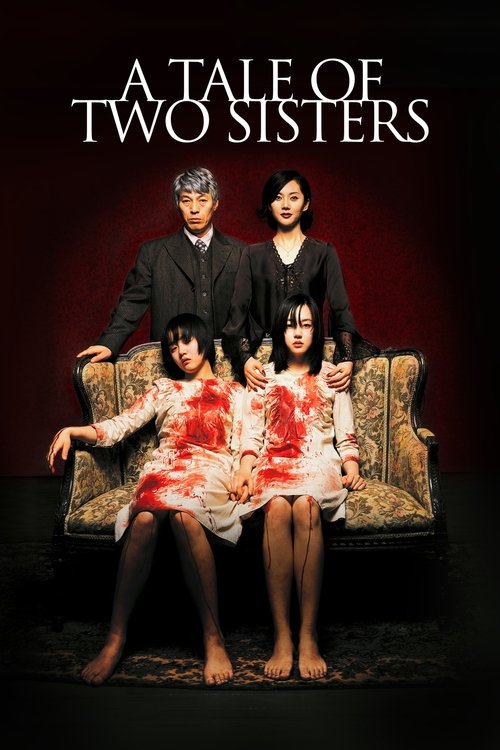
A Tale of Two Sisters2003
A Korean psychological thriller about trauma, memory, and unreliable perspective. Visually stunning and deeply unnerving, it shares Monster's interest in how perception fractures under emotional pressure.
But The twist divides audiences. Some find it transcendent; others feel manipulated by the revelation, wishing the film had earned the rug-pull more clearly.
The Sweet Hereafter1997
Both films are interested in how collective trauma creates competing truths, and how parents (or communities) construct stories to survive guilt they can't resolve.
A Canadian film about a small town after a school bus accident kills children. Like Monster, it shows how trauma fragments a community's narrative and how everyone rewrites events to make their own guilt bearable.
But Deliberately anti-dramatic. It refuses catharsis and moves against narrative momentum. Some call it masterful; others call it inert.

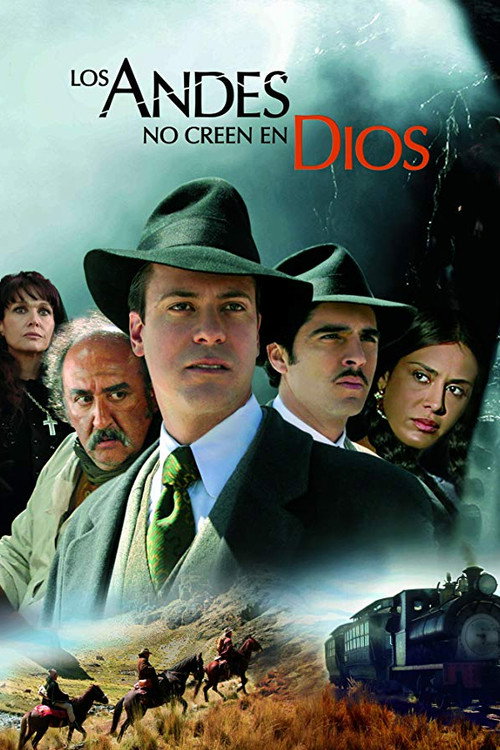
Los Andes no creen en Dios2007
Both films show how investigations into a 'crime' become theater, where official truth is constructed by the powerful rather than discovered. Neither trusts institutions.
A Peruvian film about a murder in a provincial town where class, prejudice, and police corruption distort what 'truth' means. Shares Monster's insight that investigations rarely find the truth—they find whoever is convenient to blame.
But In Spanish, undistributed internationally, and sparse in its storytelling. Requires patience and won't explain itself. The ending won't satisfy anyone looking for justice.
People
Cast
 Sakura AndoSaori Mugino
 Soya KurokawaMinato Mugino
 Hinata HiiragiYori Hoshikawa
 Eita NagayamaMichitoshi Hori
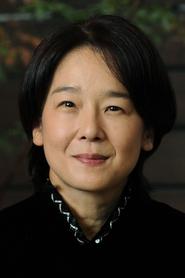 Yuko TanakaMakiko Fushimi
 Mitsuki TakahataHirona Suzumura
 Akihiro KakutaShoda Fumiaki
 Shido NakamuraKiyotaka Hoshikawa
 Ryu MoriokaKanzaki
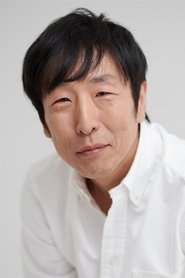 Daisuke KurodaShinagawa
 Ayu KitauraMariko Yajima
 Haruto KobayashiTaisho Kamata
Directing
- Shôichi MorimotoAssistant Director
- Hirokazu Kore-edaDirector
- Chiho AsadaOther
- Tomoko OshidaScript Supervisor
Writing
- Yuji SakamotoScreenplay
Production
- Anna ZimowskaAccountant
- Katarzyna ZumirskaAccountant
- Kaoru MatsuzakiAssociate Producer
- Toshie TabataCasting
- Hisashi UsuiCo-Executive Producer
- Hajime UshiodaExecutive Producer
- Hirokazu Kore-edaExecutive Producer
- Minami IchikawaExecutive Producer
- Tatsumi YodaExecutive Producer
- Toru OtaExecutive Producer
- Eiji WatanabeLine Producer
- Genki KawamuraProducer
- Hijiri TaguchiProducer
- Kenji YamadaProducer
- Megumi BanseProducer
- Taichi ItoProducer
- Ichiro GotoProduction Manager