
Film
Caramel
Caramel is a luminous ensemble film set in a Beirut beauty salon where five women navigate love, family, faith and desire across religious and class lines. It's tender and funny, sometimes painfully so, with the warmth of a story that trusts its characters completely. A film about small moments that contain whole lives.
Should you watch it?
Watch it if you enjoy ensemble films where small everyday rituals, like gossip over a waxing appointment, carry more emotional weight than the plot, and you like warmth that stays honest about heartbreak.
Skip it if you want a story that drives hard toward a clear destination, since this one drifts between its women's lives and is happier lingering in a single room than moving the plot forward.
What it asks of you: It runs about an hour and a half at an unhurried, conversational pace, asking you to settle into overlapping small moments rather than follow a tight throughline.
Not sure? Find tonight's pick in a minute.
If you liked this
In the Mood for Love2000
Wong Kar-wai's meditation on longing and restraint, told through color and glances. Like Caramel, it understands that what's unsaid matters as much as dialogue, and that beauty can express what words cannot.
But Deliberately paced and visually abstract in ways that can feel remote. If you need plot momentum, this will feel glacial.

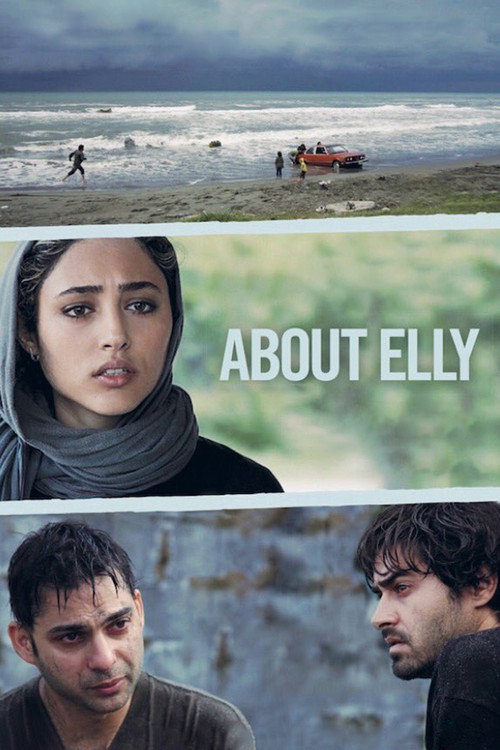
About Elly2009
An Iranian ensemble where a group's social fabric unravels over a weekend. It shares Caramel's interest in how women navigate family pressure and secrets, and the same gift for extracting tragedy from ordinary conversation.
But More austere and bleaker than Caramel. The tone is darker, and it doesn't offer the same comfort.
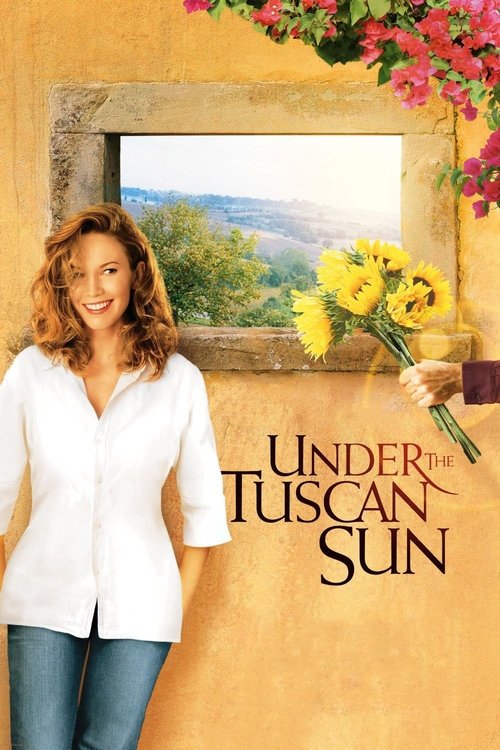
Under the Tuscan Sun2003
Frances Mayes rebuilds her life in Italy with a community of eccentric, loving women. Both films celebrate female friendship, sensuality, and the idea that life can transform when you let it.
But Considerably lighter and more conventionally romantic. This is Hollywood comfort, not the nuanced warmth Caramel offers.
Not sure tonight? Get a pick in a minute, starting from Caramel
The wildcard
Something you would not have found on your own.
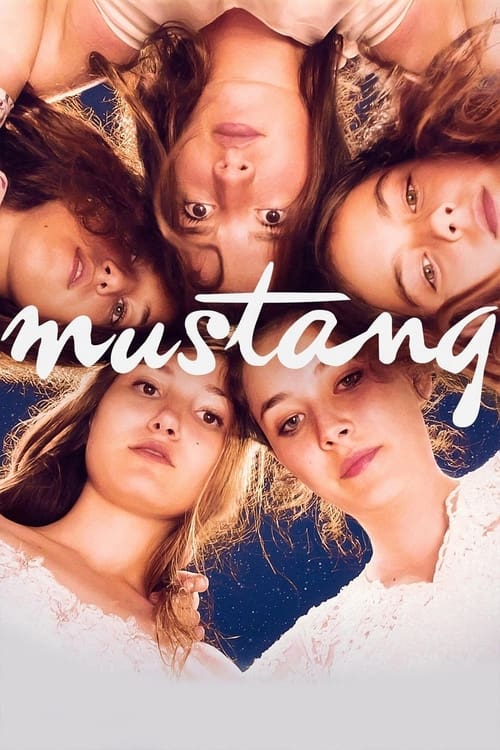
Mustang2015
Both are set in the Middle East/Mediterranean region, both center female bonds as survival and resistance, and both find beauty in spaces designed to contain women.
Turkish film about five sisters confined to their house after a scandal. Like Caramel, it's about women creating joy and resistance within constraint, with the same visual sensuality and dark humor threading through genuine danger.
But Far grimmer. The stakes are life-and-death, and the ending offers no comfort. It's a film about entrapment, not sanctuary.
More like this (8)
Mamma Mia!2008
An ensemble of women on a Greek island, full of music, joy, and complicated family history. Like Caramel, it celebrates women's lives as the center of the story, not decoration around a man's.
But It's a musical with ABBA songs. The register is completely different—this prioritizes spectacle and fun over emotional complexity.

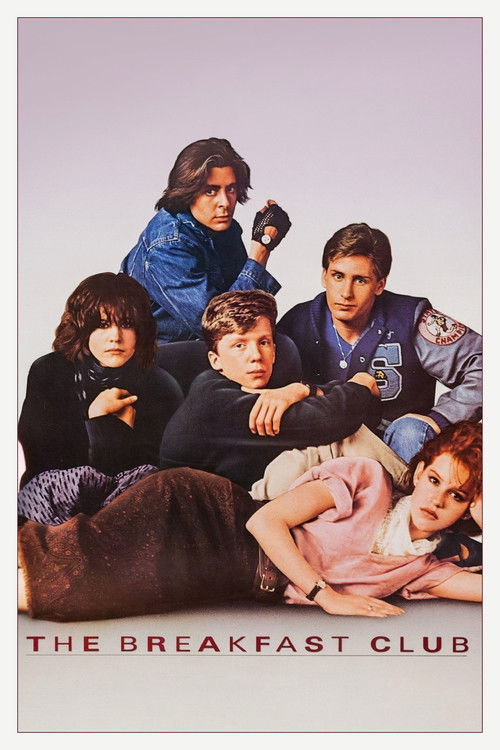
The Breakfast Club1985
Five people from different worlds trapped together, forced to see past their assumptions. Both films understand that intimacy happens when barriers drop and people stop performing for each other.
But Eighties teen movie energy. It's American, broad, and fundamentally optimistic in ways that feel dated now.
Cléo from 5 to 71962
Agnès Varda follows a woman through Paris for ninety minutes as her life shifts imperceptibly. Like Caramel, it finds the extraordinary in the ordinary and trusts small moments to carry weight.
But Experimental French New Wave filmmaking. It has no plot in the conventional sense, and some will find it aimless.

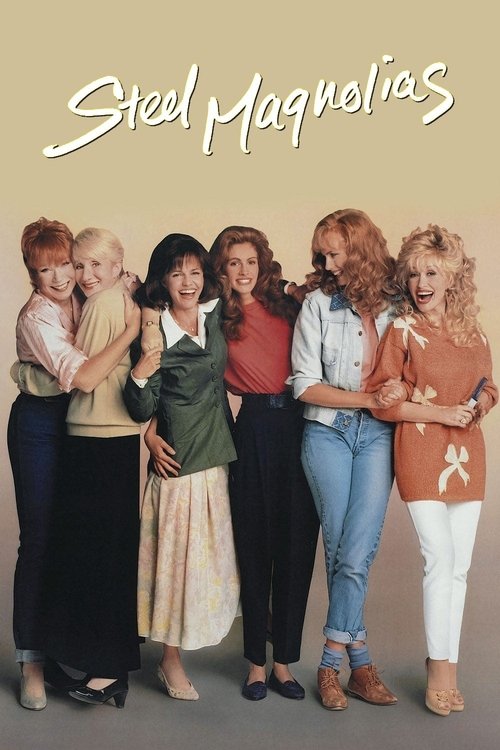
Steel Magnolias1989
A salon again, this time in Louisiana. Women gathered around beauty and grief, joking through pain. It's sentimental where Caramel is subtle, but the DNA is the same.
But Very American, very melodramatic. The emotional beats are signposted. If you want restraint, this isn't it.
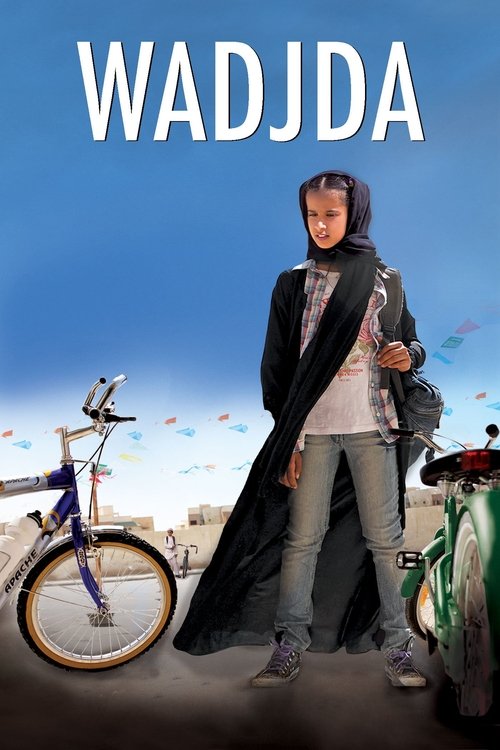
Wadjda2012
Saudi Arabia through the eyes of a determined girl who wants a bicycle. It has Caramel's gift for finding humor and hope in constrained circumstances, and its deep empathy for women navigating rigid systems.
But Slower and more somber. There's less warmth between characters, more loneliness and resistance.
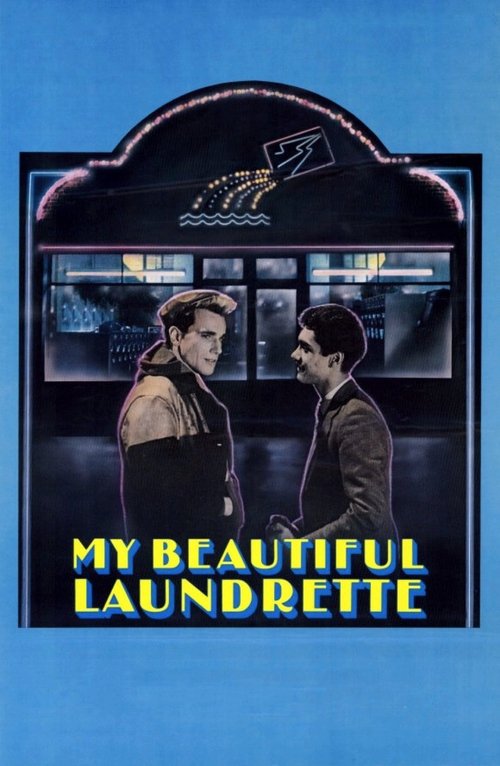
My Beautiful Laundrette1985
A South Asian man and his white lover navigate family, class, and sexuality in London. Both films hold space for characters who don't fit neatly, with tenderness and without judgment.
But Gritty, punk energy and sexual explicitness. The tone is abrasive compared to Caramel's gentleness.
Chungking Express1994
Both films treat commercial spaces (salon, snack bar, convenience store) as emotional centers where strangers become intimate. Both use color and texture as language.
Wong Kar-wai's dizzying love letter to Hong Kong and loneliness. Completely different in structure and energy, but it shares Caramel's belief that small bars and shops are where life actually happens, and that connection is possible in the midst of alienation.
But Fragmented, sometimes incoherent narrative. The visual style is maximalist—everything is excess, which some find exhausting.

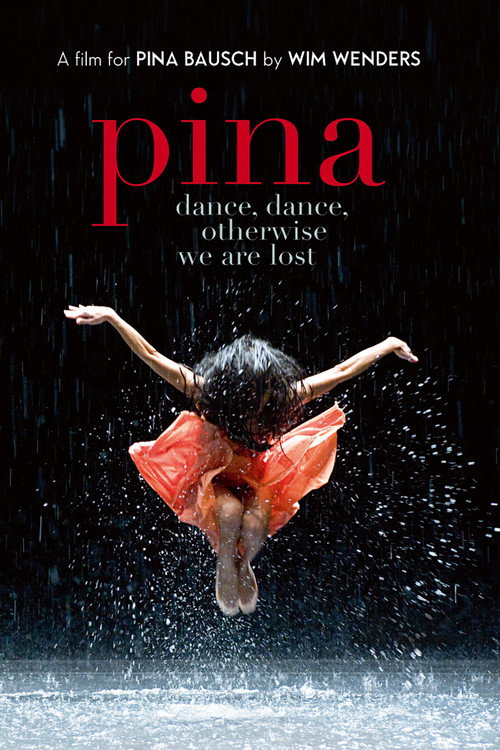
Pina2011
Both prioritize the body and physical presence as primary language. Both are about women's interior lives expressed through beauty, gesture, and collective presence rather than words.
Wim Wenders' documentary-dance film about choreographer Pina Bausch. Not a plot film at all—movement and music instead. But it shares Caramel's sensuality, its faith that bodies and gesture can express what dialogue cannot, and its celebration of women's physical and emotional presence.
But Not narrative cinema. If you're watching for story, you'll be frustrated. It demands a different kind of attention.
People
Cast
 Nadine LabakiLayale
 Yasmine Al MassriNisrine
 Adel KaramYoussef
 Joanna MoukarzelRima
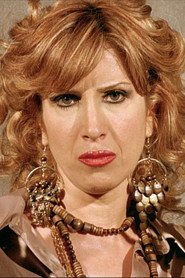 Gisèle AouadJamale
 Sihame HaddadRose
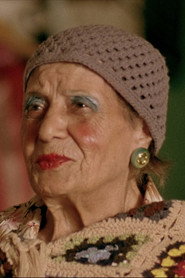 Aziza SemaanLili
 Fatmeh SafaSiham
 Fadia StellaChristine
- Dimitri StaneofskiCharles
- Ismaïl AntarBassam
- Cinderella Al HajjCliente rousse
Directing
- Nadine LabakiDirector
Writing
- Jihad HojeilyScreenplay
- Nadine LabakiScreenplay
- Rodney El HaddadScreenplay
Production
- Raphaël BerdugoAssociate Producer
- Abla KhouryCasting
- Rémi BurahCo-Producer
- Stéphane RigaLine Producer
- Anne-Dominique ToussaintProducer
- Stéphane RigaProduction Manager
- Jean MansourUnit Production Manager
Recommended by
Born into Brothels: Calcutta's Red Light Kids, The Swimmers, Kink, Care, Newness, I've Loved You So Long, Chocolate