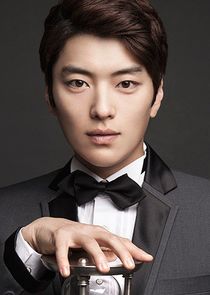
Television series
Chocolate
Other titles called Chocolate: the 2008 film.
A South Korean drama about a neurosurgeon who abandoned his culinary dreams and the chef he once inspired, reuniting years later at a hospice where they cook for dying patients. It's tender and unhurried, mixing food-focused beauty with genuine emotional weight. For anyone who believes small acts of care matter.
Should you watch it?
Watch it if you like romances built on a childhood memory and a quiet longing, where food becomes the way characters say what they cannot, and hospital scenes carry real emotional weight.
Skip it if you need a brisk plot or light comedy, since this one moves at a deliberate pace and leans into grief and hospice wards more than cooking spectacle.
What it asks of you: Sixteen hour-long episodes make a long commitment; it lingers over quiet exchanges and asks you to sit with melancholy rather than be carried along.
Not sure? Find tonight's pick in a minute.
If you liked this
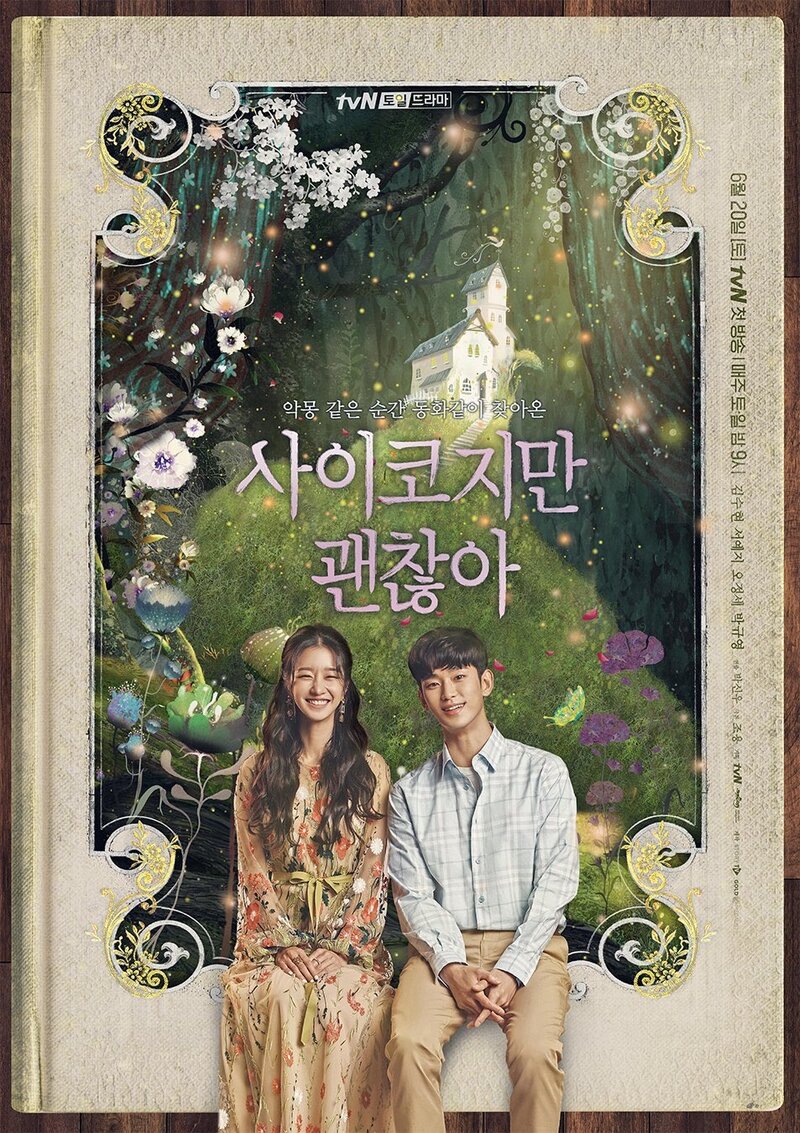
It's Okay to Not Be Okay2020
A psychiatrist and children's author confront trauma and mental illness while finding unexpected connection. Similarly precise about emotional damage, similarly generous with its characters, and just as visually gorgeous.
But The tone can feel arch or theatrical when it should feel intimate, and some plot points hinge on convenient coincidence rather than character logic.
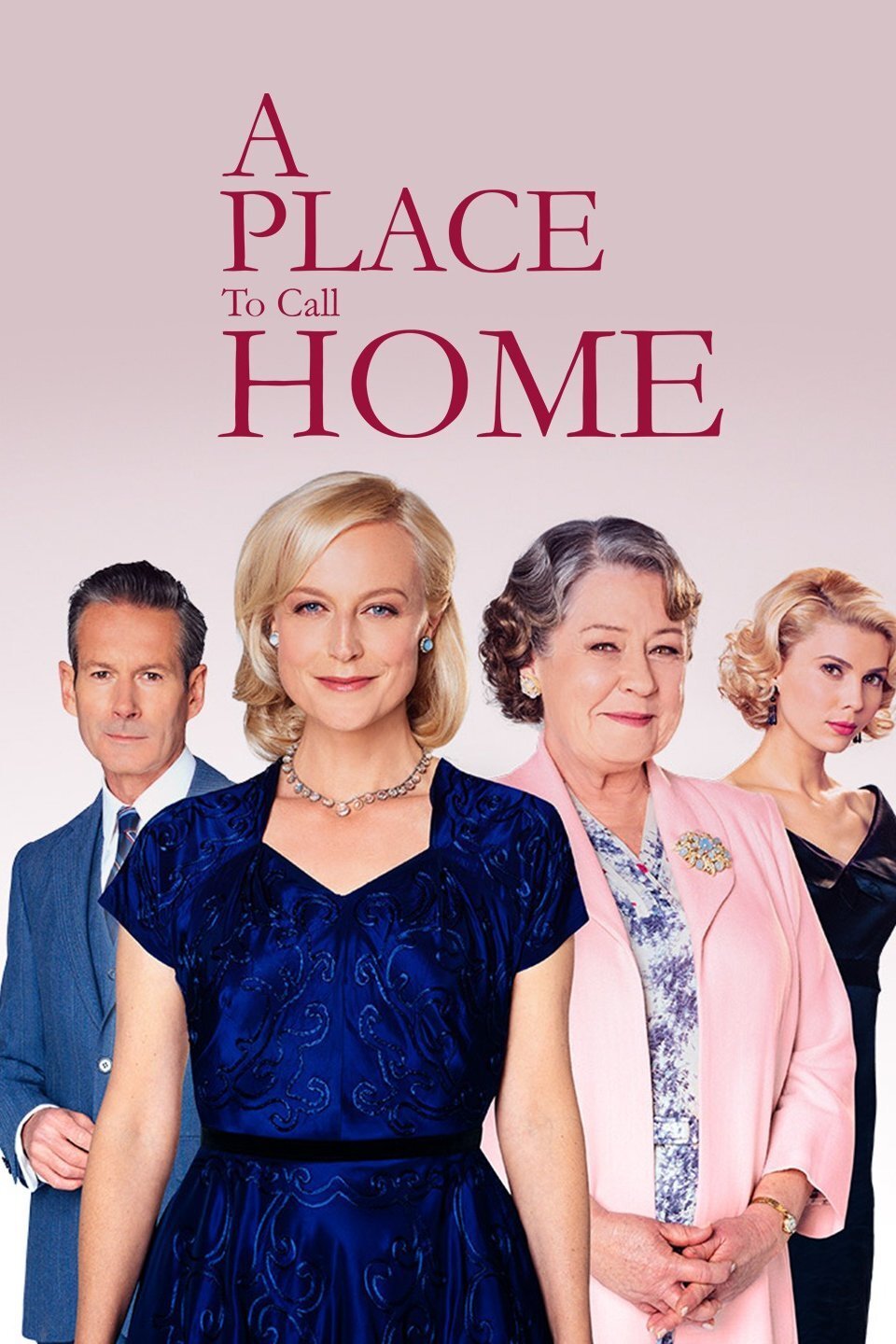
A Place to Call Home2013
Australian family saga spanning decades, built on unhealed wounds and the small redemptions that come from showing up. Same quiet insistence that broken people deserve tenderness and second chances.
But It's 69 episodes across six seasons. The pacing is deliberate to the point of glacial, and some arcs resolve messily or not at all.
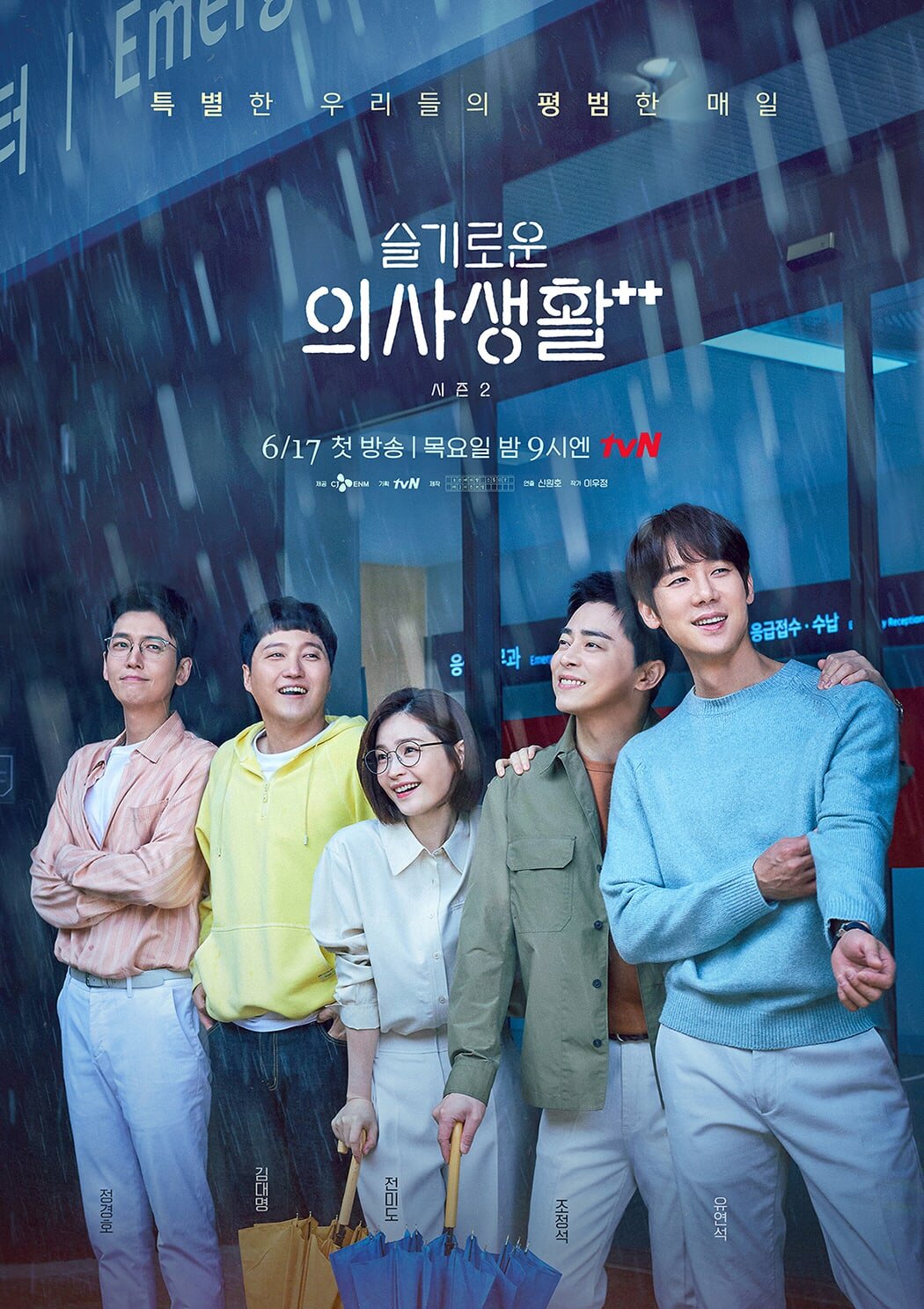
Hospital Playlist2020
Five doctors navigate life and death in a Seoul hospital while cooking together and playing in a band. Shares the meditative rhythm, the integration of food as healing, and the belief that work relationships can be genuine friendships.
But Multiple storylines mean some threads feel underdeveloped, and the tone of whimsy doesn't always sit comfortably with the weightier material.
Not sure tonight? Get a pick in a minute, starting from Chocolate
The wildcard
Something you would not have found on your own.
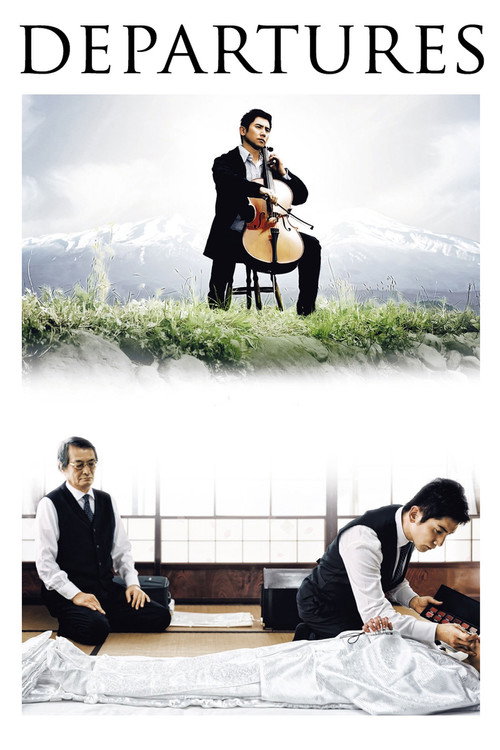
Departures2008
Both frame the care of dying people as sacred work, and both believe that beauty and ritual in that care matters more than any grand gesture.
A Japanese film about a man who becomes a ritual mortician—someone who prepares bodies for burial with ceremonial care. Like Chocolate, it finds profound dignity in tending to the dying, and discovers that meticulous, loving touch is a form of farewell.
But It's meditative and unflinching about death; if you need lightness or plot momentum, it will feel slow and austere.
More like this (8)
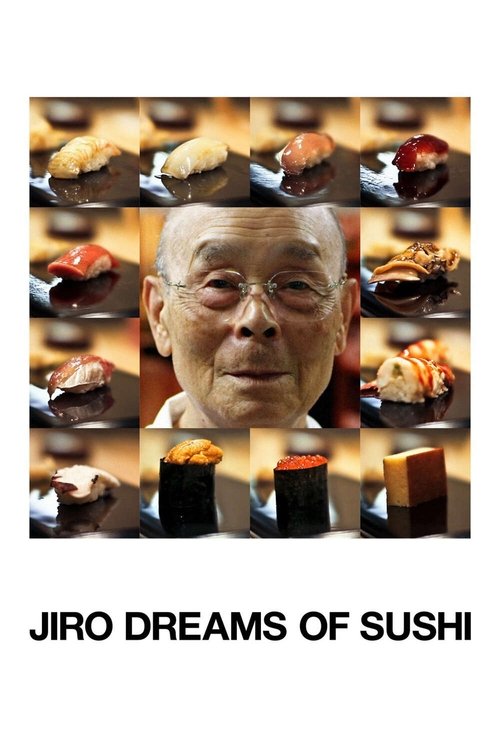
Jiro Dreams of Sushi2011
A documentary portrait of an 85-year-old sushi master's relentless pursuit of perfection. Understands that obsession with craft can be a form of love, and that feeding people is a kind of prayer.
But It's meditative to the point of static. If you want narrative momentum or conflict, you'll find neither.
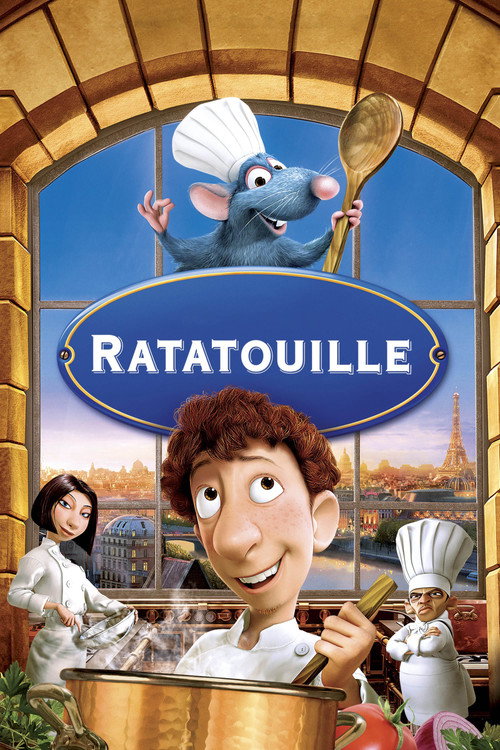
Ratatouille2007
An animated film about cooking as redemption and second chances, about food as communication when words fail. The same philosophy—that nourishing someone is an act of profound tenderness.
But It's a Pixar film, which means it sometimes chooses sentimentality over genuine emotional risk.
Stranger Than Fiction2006
A tax auditor and a baker fall in love while he's dying. Handles mortality and the small intimacies that matter most with remarkable grace, and understands why cooking for someone is a love language.
But The magical realism element—a narrator controlling his life—can feel gimmicky, and some beats feel engineered rather than earned.

The Godfather1972
A renowned French chef loses everything and returns to his small hometown to open a modest restaurant. About recalibrating ambition and finding meaning in feeding your community rather than impressing critics.
But It's a comfort film that doesn't challenge its own sentimentality, and the conflicts resolve almost too neatly.

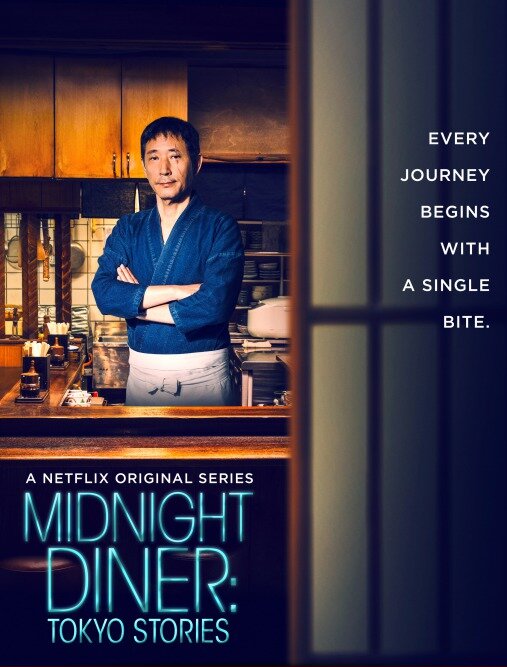
Midnight Diner: Tokyo Stories2016
A Japanese drama where a chef opens a diner that only serves from midnight to 7 a.m., and regulars arrive bearing wounds he helps mend through food and patient listening. The spiritual cousin to Chocolate's hospice kitchen.
But Episodic structure means some stories feel slight, and the magical-realism element—that the diner exists slightly outside normal time—won't convince everyone.
About Time2013
A man discovers he can time-travel, but ultimately learns that ordinary moments with loved ones matter most. Same belief in small, daily acts of presence as the deepest form of meaning.
But The time-travel device is largely abandoned, and the film sentimentalizes fatherhood in ways that can feel saccharine.

Caramel2007
Both trust that female friendship and shared domestic spaces are the real story, not romance or professional achievement.
A Lebanese film about five women in a Beirut salon—a space where they share wounds, laughter, and small resurrections. Structured like Chocolate: intimate, food-adjacent (coffee, sweets), about how showing up for each other is everything.
But It's in Arabic with subtitles, and the pace is deliberately gossip-slow; some will find it precious rather than moving.

Ikiru1952
Both argue that the only immortality worth having is in the small kindnesses that outlive you, and both locate that kindness in ordinary care rather than grand gesture.
Kurosawa's masterpiece about a dying bureaucrat who finally finds meaning by creating a public playground—a space where children will be cared for after he's gone. The ancestor of Chocolate's idea that the legacy that matters is making life slightly better for strangers.
But It's in Japanese, it's 143 minutes, and it's profoundly quiet about suffering in ways that modern audiences sometimes mistake for slowness.