
Film
Care
A brutal, unsentimental look at what happens when a single mother becomes a full-time carer for her dementia-stricken parent. Sheridan Smith is magnificent—raw, furious, breaking in real time. It's not comforting. It's necessary. For anyone who's watched love get twisted into obligation and rage.
If you liked this
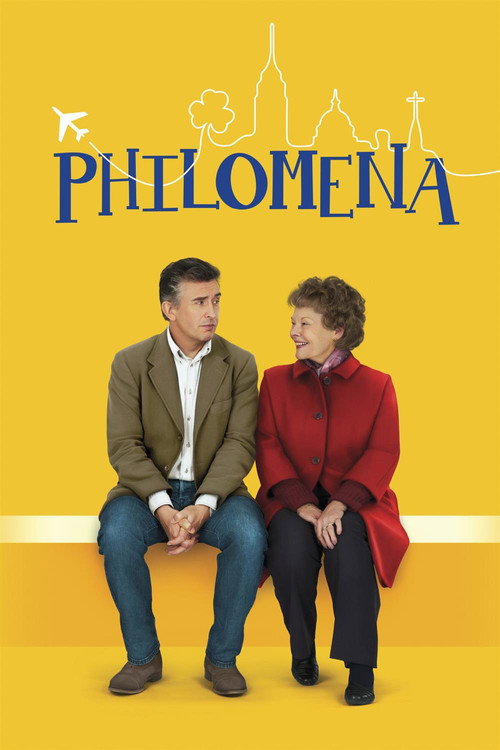
Philomena2013
Judi Dench and Steve Coogan navigate grief and injustice with quiet dignity. Like Care, it refuses easy catharsis, instead finding hard-won grace in the spaces between people.
But It's more gentle than Care—slower-paced, more reflective. If you're looking for that same raw nerve, you might find it meditative instead.
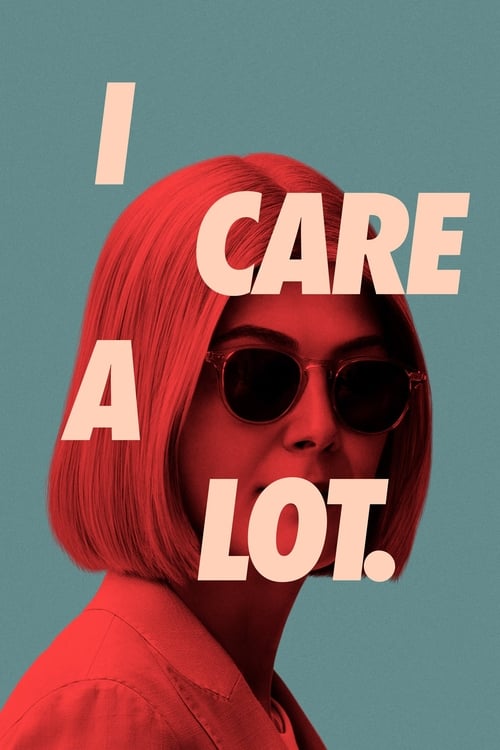
I Care a Lot2021
Rosamund Pike is a predatory guardian who exploits the elderly and vulnerable. The dark mirror to Care's exhausted love—what happens when caregiving becomes pure extraction.
But It's a thriller with a score; Care is a documentary of despair. The tones are radically different, even if the subject overlaps.
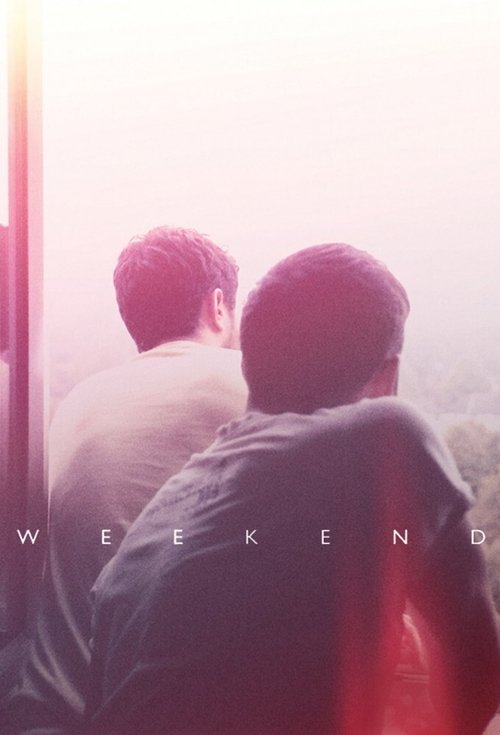
Weekend2011
Andrew Haigh's film about two men over one night captures how intimacy curdles into obligation and resentment. The precision of its emotional demolition feels close to Smith's performance in Care.
But It's slower and more oblique. The payoff is conversational and internal rather than the visceral eruption you get here.
Not sure tonight? Get a pick in a minute, starting from Care
The wildcard
Something you would not have found on your own.
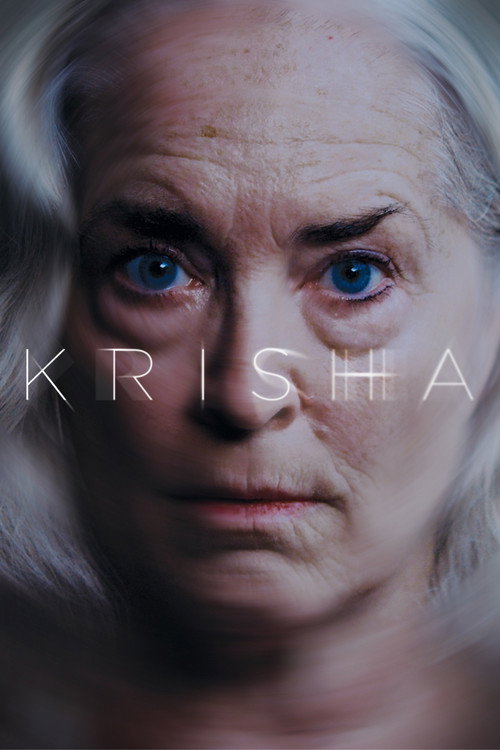
Krisha2016
Both use the family home as a claustrophobic space where care and control collapse into one another. Both document entrapment masked as obligation.
Ari Aster's debut is a semi-autobiographical horror film about a recovering addict returning to his chaotic family home. Like Care, it documents how love becomes surveillance and control, but it uses genre—dread, grotesquerie—to articulate what Care expresses through exhaustion.
But It's genuinely unsettling in ways that go beyond emotional realism. The horror elements might feel like an unwanted formalism imposed on the family dynamics.
More like this (8)
Mulholland Drive2001
Not about caregiving, but equally interested in how identity fractures under pressure. That sense of watching someone disintegrate is the real connective tissue.
But It's cryptic and formally ambitious in ways Care isn't. Some will find that pretentious; others will feel it distances them from the emotional truth.

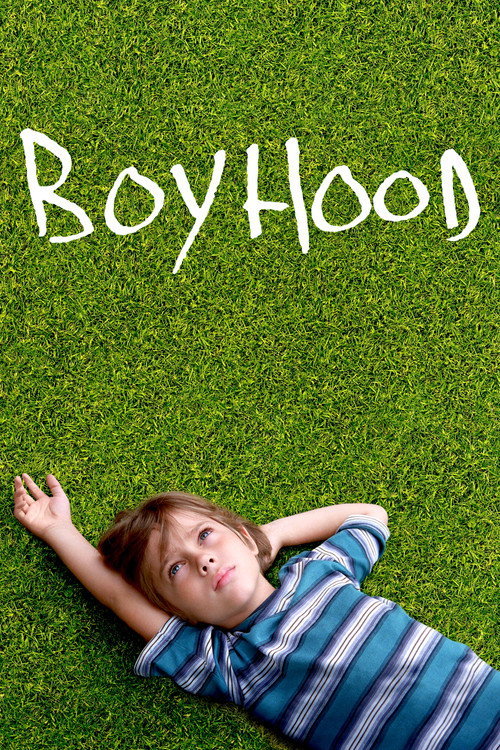
Boyhood2014
Linklater films the texture of obligation and exhaustion across years. Less acute than Care, but it has that same unflinching eye for how love becomes weariness.
But At three hours, it asks for patience Care doesn't. The distributed emotional weight might feel diffuse compared to this film's concentrated rage.
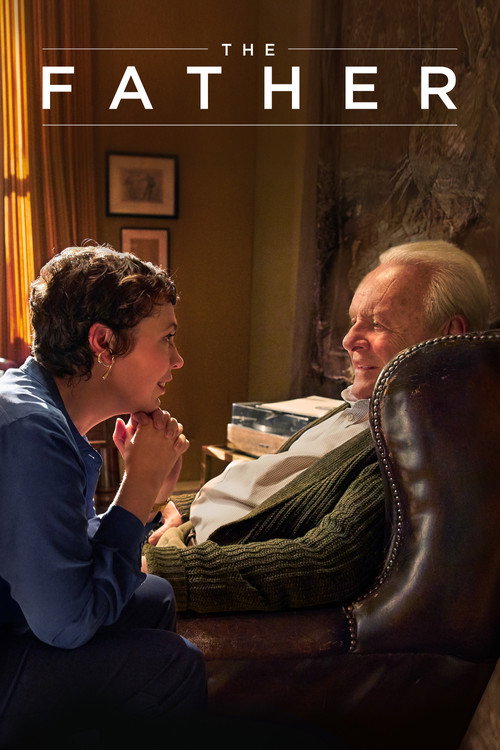
The Father2020
Anthony Hopkins and Florian Zeller craft a formally inventive portrait of dementia's devastation—not from the patient's perspective but the family's suffocation. A companion piece to Care's despair.
But It's stylish in ways Care refuses to be. Some viewers find the technique distracting from the pain it's meant to convey.
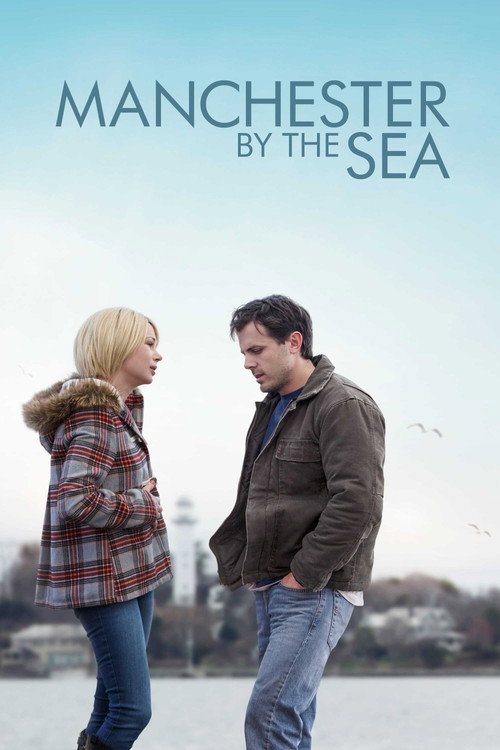
Manchester by the Sea2016
Kenneth Lonergan captures grief and family obligation with bruising specificity. Casey Affleck embodies the same exhausted resentment Sheridan Smith carries here.
But It's more male, more restrained. The emotional register is subtler; if you want Care's rawness, this might feel controlled.
Caramel2007
Nadine Labaki's ensemble piece about women in Beirut includes a quietly devastating subplot about a daughter caring for an aging mother. It finds grace without sentimentality.
But It's more ensemble and lighter overall; the caregiving thread is one color in a richer palette than Care's focus allows.

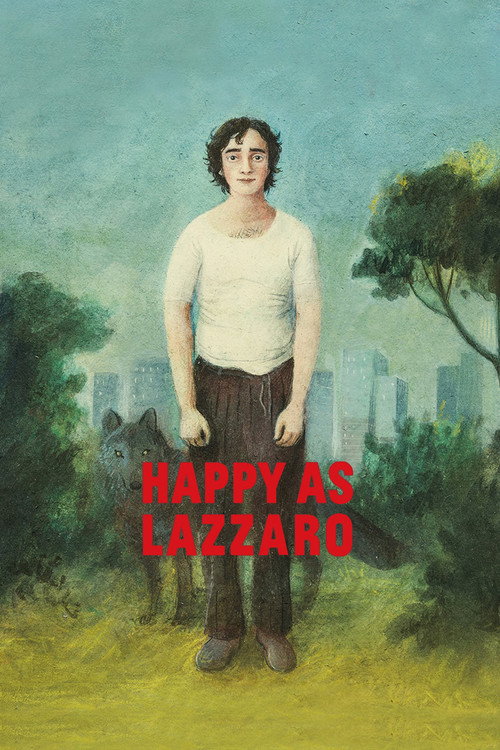
Happy as Lazzaro2018
Paolo Sorrentino's film isn't about caregiving, but it's about dependence, extraction, and what we owe each other across vast inequality. Thematically adjacent; spiritually aligned.
But It's whimsical and digressive in ways Care absolutely isn't. You might feel it's dancing around the subject rather than confronting it.
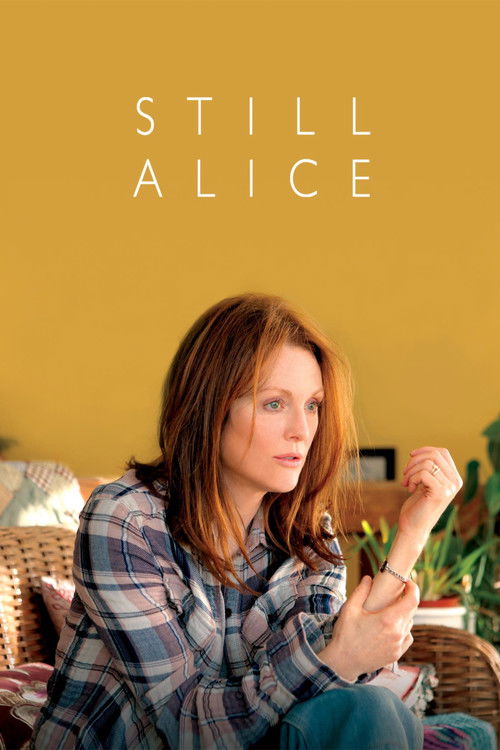
Still Alice2014
Both refuse to make dementia tragic in a way that's safe or distant. Both insist on specificity over metaphor.
Julianne Moore as a linguistics professor losing her grip on language and identity. Unlike Care, we live inside the dementia patient's disintegration, but the film is equally unsparing about family fracture and the loneliness of cognitive loss.
But It centers the patient's perspective rather than the carer's exhaustion. If you specifically need the caregiver's rage, this will feel like it's looking the wrong way.
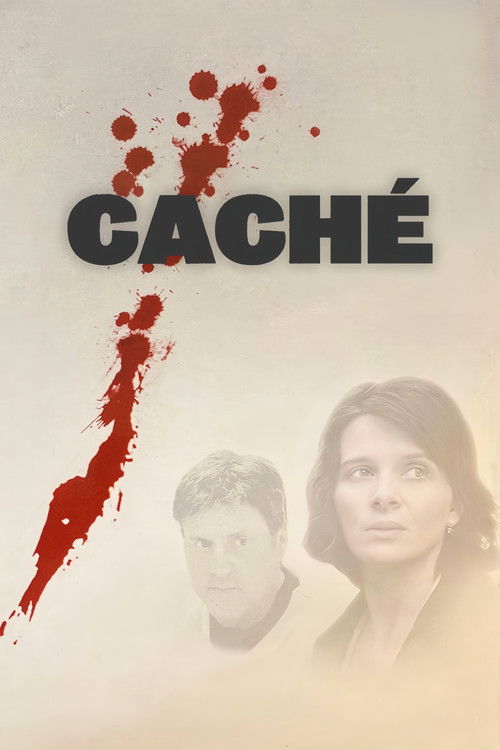
Caché2005
Both are about people trapped by invisible debts—obligation and shame as plot mechanics. Both understand that family can be a cage.
Michael Haneke's thriller about a couple terrorized by anonymous tapes. Like Care, it's preoccupied with obligation, guilt, and what we owe to people we've failed. It builds dread through repetition and ordinary spaces, using the form itself to express suffocation.
But It's philosophical and arch where Care is visceral. It's in French with subtitles, and some find Haneke's detachment icy rather than devastating.
People
Cast
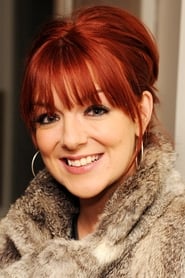 Sheridan SmithJenny
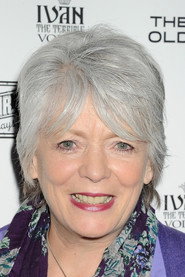 Alison SteadmanMary
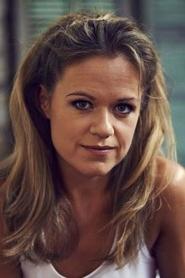 Sinéad KeenanClaire
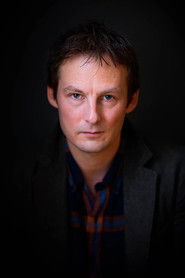 Anthony FlanaganDave
- Macy ShackletonSophie
- Lola ShawLauren
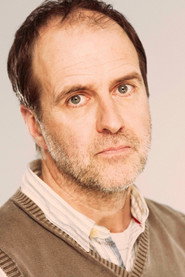 Kevin DoyleChairman
- Richard HuwDr O'Sullivan
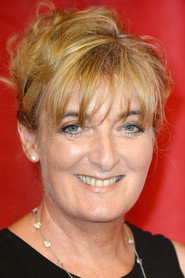 Elizabeth RiderHelen
- Mark ChattertonMr Evans
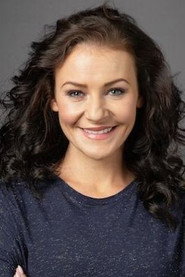 Kerri QuinnHilary
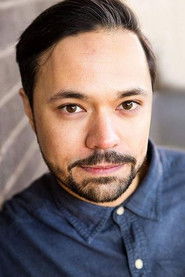 Andrew JoshiDr Taylor
Directing
- David BlairDirector
Writing
- Gillian JuckesWriter
- Jimmy McGovernWriter
Production
- Colin McKeownExecutive Producer
- Jimmy McGovernExecutive Producer
- Lucy RicherExecutive Producer
- Colin McKeownProducer
- Donna MolloyProducer