
Television series
Oranges Are Not the Only Fruit
A fierce, formally inventive drama about a girl raised by fundamentalist evangelicals who falls in love with another woman. Jeanette Winterson's semi-autobiographical novel becomes something stranger on screen: a story of belonging and exile told through collage, fairy tale, and pure emotional truth. Essential viewing for anyone curious about how television can break its own rules.
Should you watch it?
Watch it if you like coming-of-age stories built on a stubborn, funny-sad voice, where a sharp young narrator sees through a rigid world and refuses to shrink.
Skip it if you want a fast plot or a tidy arc, since this is a slow, talky piece that lingers on a claustrophobic household and its sermons more than on events.
What it asks of you: Three episodes under an hour each, asking for patient, close-quarters attention; the humour arrives sideways, and nothing gets rushed toward resolution.
Not sure? Find tonight's pick in a minute.
If you liked this
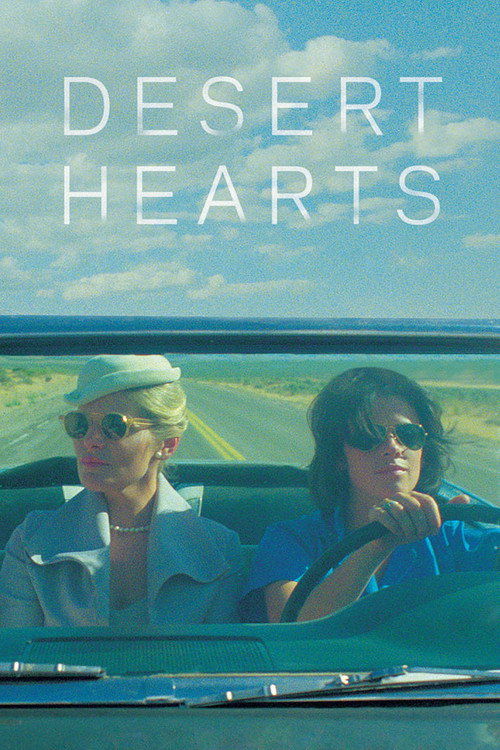
Desert Hearts1985
A tender, funny romance between two women in 1950s Nevada that captures the specific thrill of first love without pretending desire simplifies anything. Beautifully shot and genuinely romantic.
But It's fairly straightforward in structure and tone—no formal games or narrative tricks. If you want literary complexity, this trades that for emotional directness.
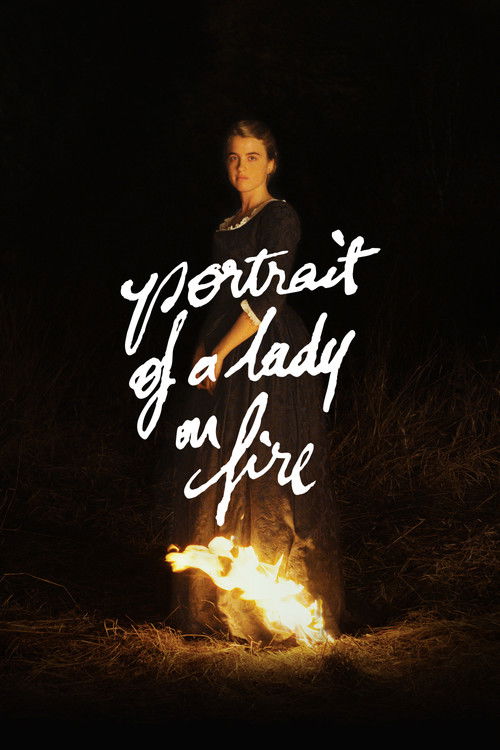
Portrait of a Lady on Fire2019
A painter and her subject fall in love while creating a portrait in 18th-century Brittany. Formally gorgeous, sensual, and meditative, with a screenplay that mirrors the film's own artistic obsession.
But Deliberately paced and painterly. Long static shots and minimal dialogue might feel slow if you need plot momentum to stay engaged.
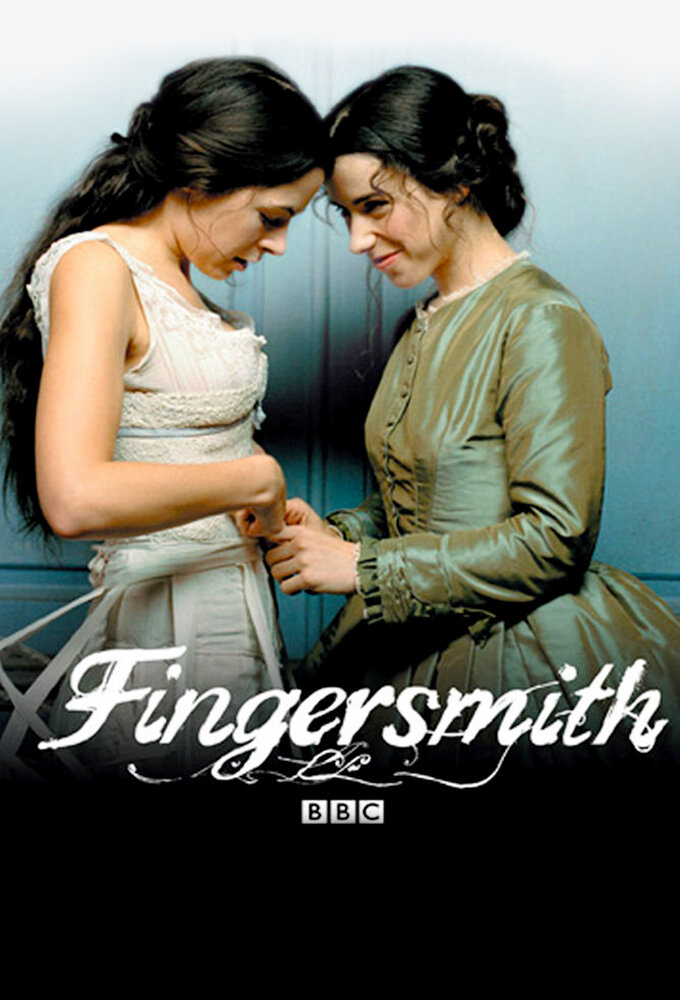
Fingersmith2005
Sarah Waters' intricate Victorian con-artist novel made into two rapturous TV films. Twisty, beautifully acted, and as interested in desire and betrayal as it is in plot. A genuine page-turner.
But The narrative structure is deliberately withholding about crucial information. Some viewers find the reveals satisfying; others feel manipulated by the architecture.
Not sure tonight? Get a pick in a minute, starting from Oranges Are Not the Only Fruit
The wildcard
Something you would not have found on your own.
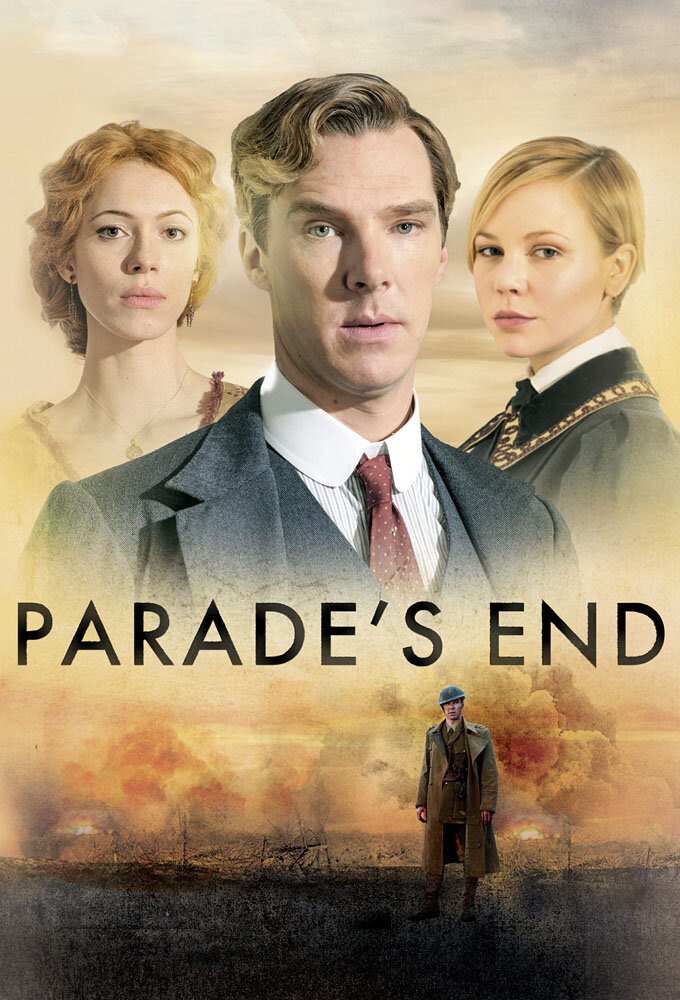
Parade's End2012
Both are adaptations of challenging literary works that use unconventional narrative and formal play to explore desire and identity. Both trust the audience to handle ambiguity.
A 1920s love story told in five hours with the density of a novel and the precision of chamber music. Ford Madox Ford's modernist narrative becomes television that feels like thinking aloud. Absolutely unmissable.
But Released as a five-hour theatrical film, not a series. It's intellectually rigorous and emotionally austere. If you want conventional drama beats, this is too interior.
More like this (6)
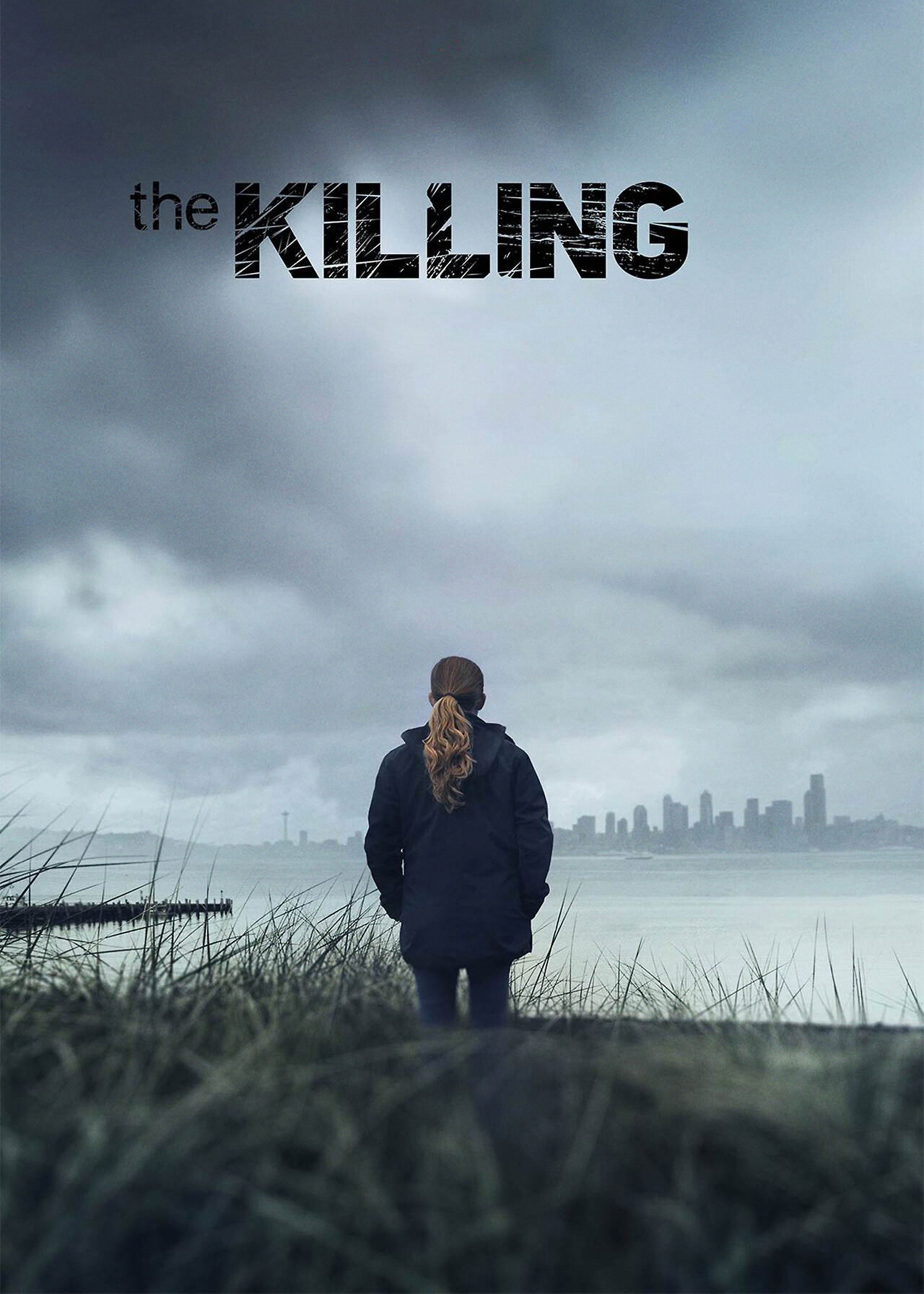
The Killing2011
Danish noir about a detective investigating a teenage girl's murder. Bleak, obsessive, and formally fearless—it treats its subject matter with total seriousness and never looks away.
But Unrelentingly grim. It's about grief and institutional failure, not catharsis. The pacing is glacial by design, and it doesn't offer neat answers.
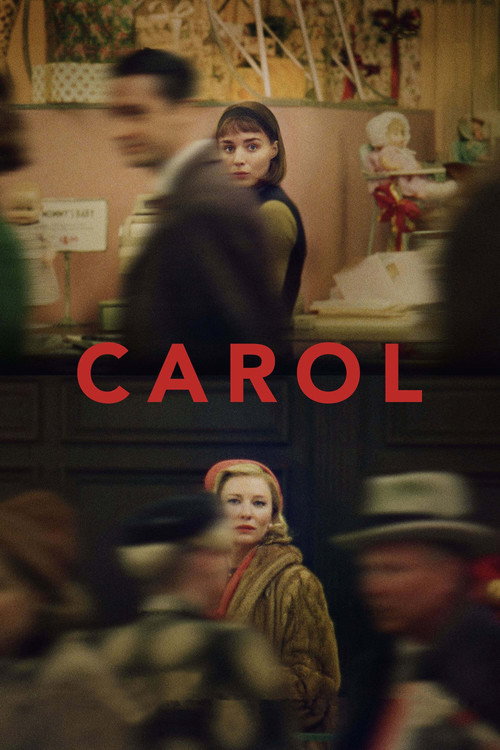
Carol2015
A restrained, achingly human film about a woman in 1950s America who leaves her husband for another woman. Todd Haynes directs with the precision of a jeweler; the performances are quietly devastating.
But Deliberately composed and emotionally controlled. If you want overt passion or big scenes, the restraint might read as cold rather than considered.
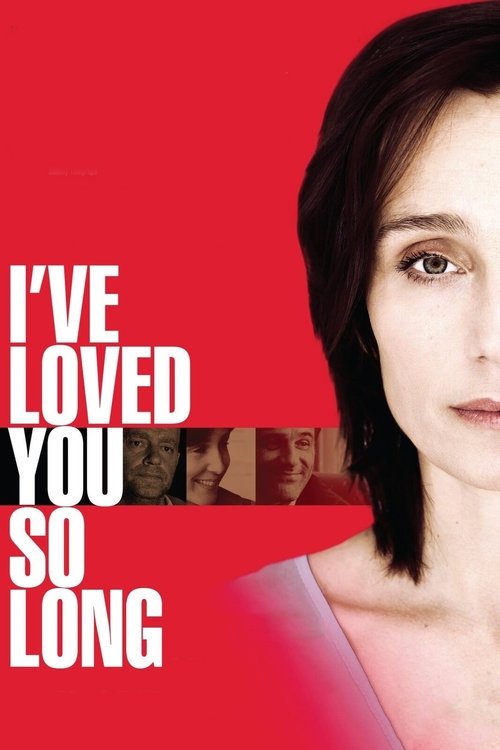
I've Loved You So Long2008
A woman released from prison reconnects with her estranged sister. Kristin Scott Thomas is extraordinary. It's about difficult reconciliation and the weight of secrets—intimate and probing.
But The family dynamics are complicated and sometimes uncomfortable to watch. There's no clear villain, which can feel frustrating if you want simple moral clarity.
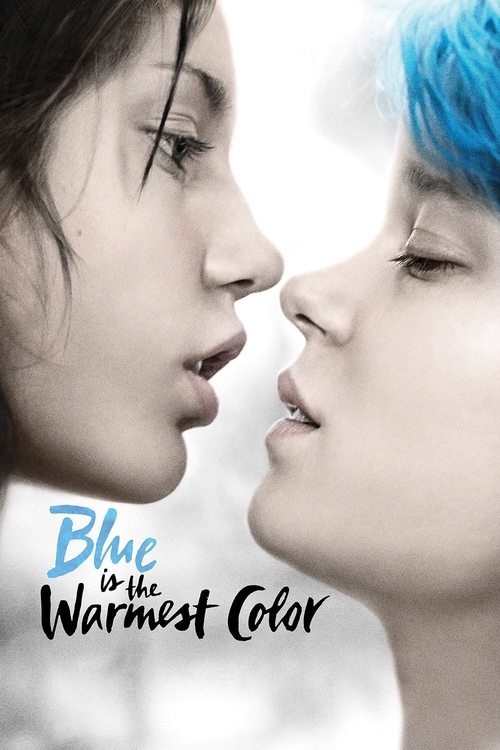
Blue Is the Warmest Color2013
A French coming-of-age story about a girl who falls in love with an older woman. Visually stunning and sexually honest without being exploitative. The performances are committed and raw.
But Explicit sex scenes and a three-hour runtime. The ending is deliberately bleak rather than redemptive, which some find cathartic and others find punishing.
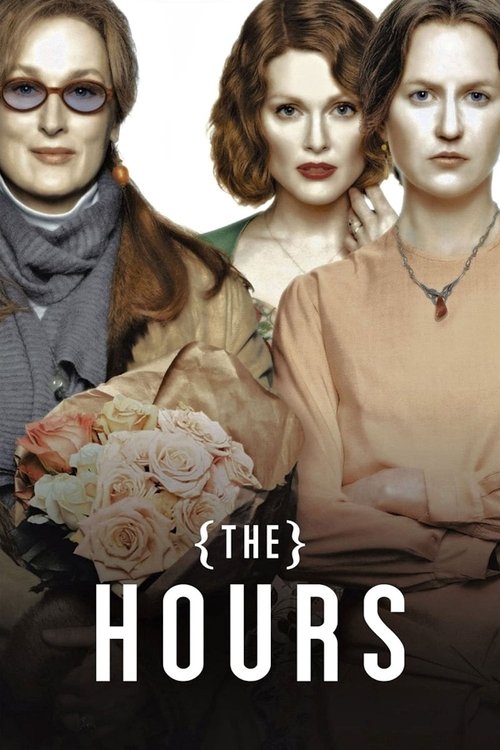
The Hours2002
Three women in different eras, all haunted by similar questions about desire, identity, and mortality. Intricately structured and performed with real vulnerability. A formal puzzle that's also emotionally devastating.
But Its layered structure can feel overstuffed. The switching between timelines is deliberate but occasionally distant. If you want one clear emotional throughline, this fragments them.
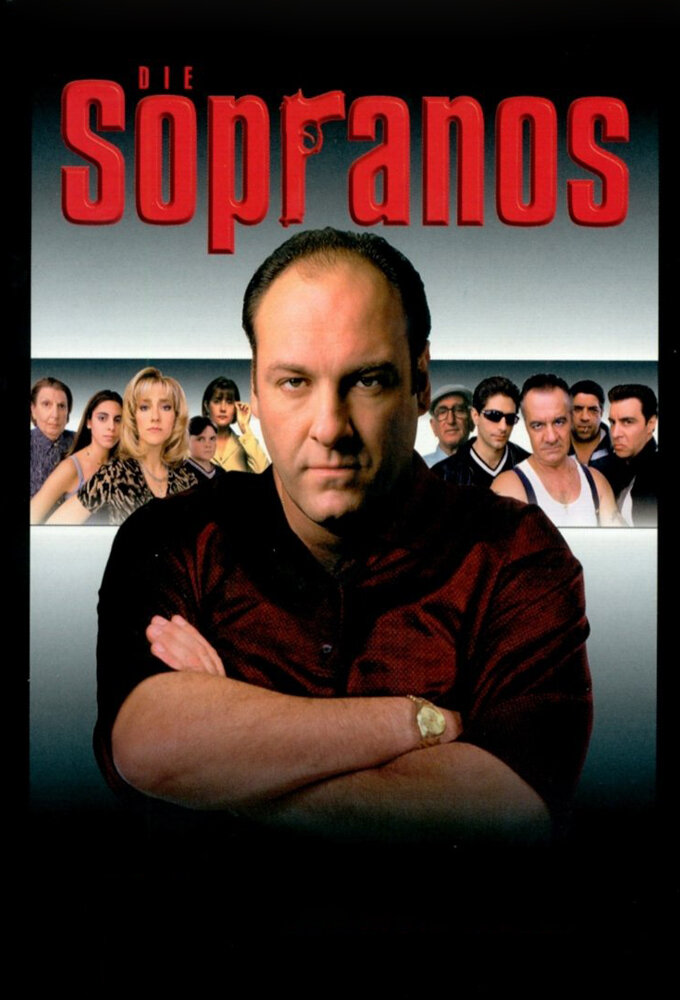
The Sopranos1999
Both are dramas that use formal innovation not as decoration but as meaning. Both center figures crushed by systems (faith, family, money) they can't escape. Both are interested in how damaged people survive.
A mobster in therapy grapples with his mother and his feelings. Formally revolutionary television that taught everything that came after. Darkly funny and structurally audacious—it rewrites what drama can do.
But Violent and morally compromised. The protagonist is not likable. The ending deliberately frustrates narrative closure, which infuriated audiences on first broadcast.
People
Cast
Recommended by
Blue Jean, Mother, Scrubbers, A Private Matter, Florence Nightingale