
Film
Florence Nightingale
A 1985 biopic of Florence Nightingale that follows her transformation from thwarted aristocratic daughter into the pioneer who revolutionized hospital care during the Crimean War. It's a measured, handsome period drama about a woman who chose principle over comfort, told with the earnest conviction that meaningful reform requires both brilliance and relentless will. For viewers who love historical drama about real people who changed the world through stubbornness and data.
If you liked this
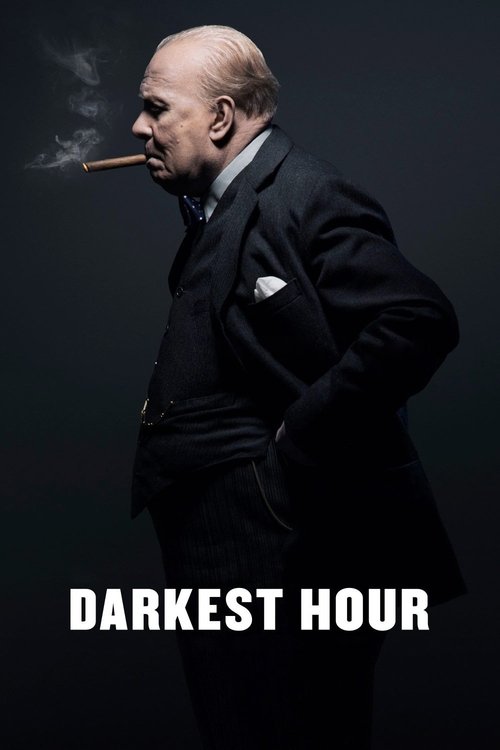
Darkest Hour2017
A portrait of an unconventional leader making radical decisions under impossible pressure. Like Nightingale, it finds drama in the gap between what needs doing and what society will permit, told with visual flair and a charismatic central performance.
But Churchill's story is already well-worn in film; if you've seen other WWII dramas, the beats may feel familiar. The pacing can feel stately when it should feel urgent.
Spotlight2015
Two hours of intelligent people using systems and persistence to expose institutional rot that powerful people want hidden. Like Nightingale, it's about expertise meeting bureaucratic resistance, and it moves with the quiet momentum of truth-telling.
But It's a newsroom procedural, not a character study. If you want melodrama or moral clarity, you won't find it; the film trusts you to feel the weight yourself.

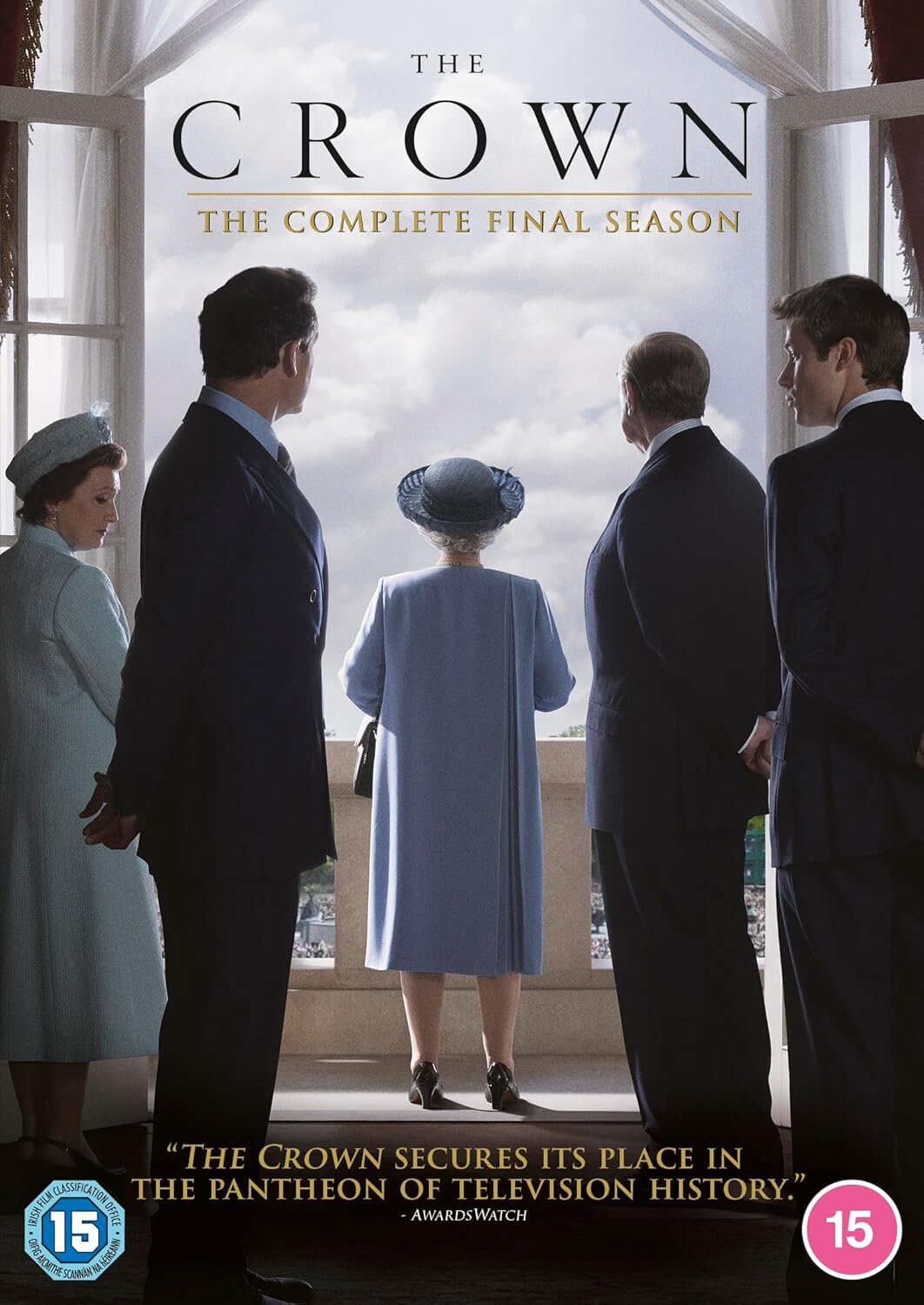
The Crown2016
A series about duty, protocol, and women navigating power within rigid institutions. It shares Nightingale's interest in how individual will meets historical circumstance, and in how women remake systems from within.
But Ten hours of television is a commitment. Some seasons prioritize soap opera over substance, and the show's recent seasons have drawn criticism for fictional dramatization of living events.
Not sure tonight? Get a pick in a minute, starting from Florence Nightingale
The wildcard
Something you would not have found on your own.
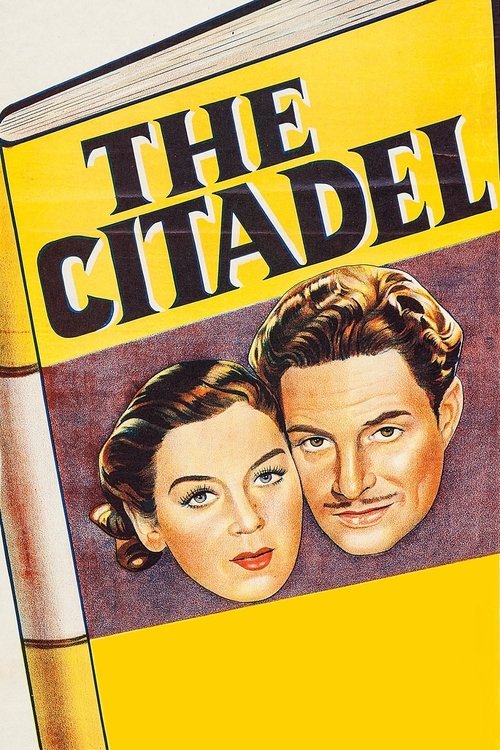
The Citadel1938
Both are stories of a single reformer using evidence and personal courage to change professional practice in the face of institutional resistance. The Citadel approaches it as a thriller; Nightingale as a portrait.
A film about a doctor reforming medical practice from within a hostile institution. It has Nightingale's exact moral engine—one person armed with evidence against an establishment that profits from the status quo—but it's a taut, angry 1930s drama, not a biopic.
But It's older and more austere than you might expect. The black-and-white cinematography and pacing feel distant, and the film assumes you care about medical detail.
More like this (8)
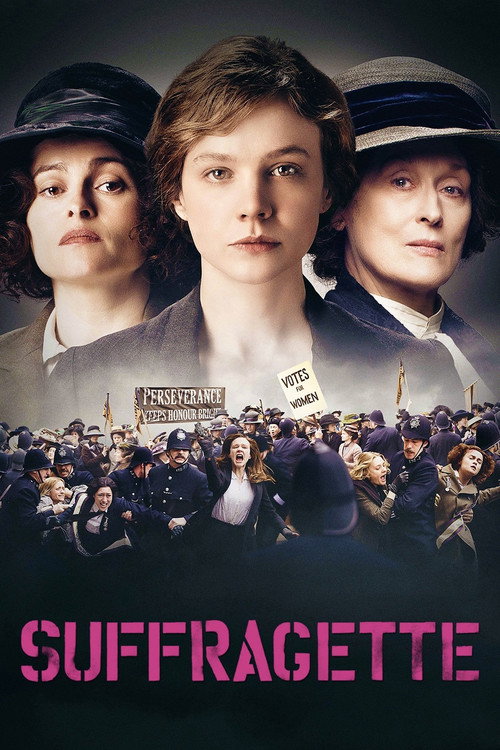
Suffragette2015
Another story of women fighting entrenched systems through conviction and sacrifice. It captures the specific frustration of being right but powerless, and the escalating tactics required to be heard.
But The film sometimes conflates activism with martyrdom. If you find it preachy, the message overpowers the character moments.
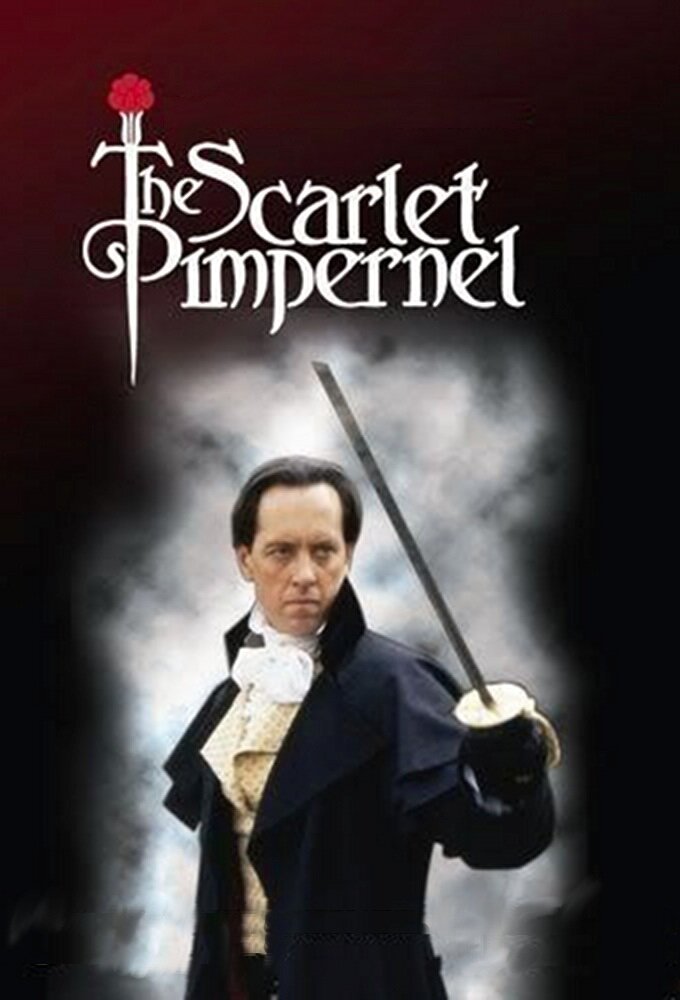
The Scarlet Pimpernel1999
An earlier generation's television event—lush, romantic, with Anthony Andrews in a role that prizes intelligence and strategy over swashbuckling. It has the same handmade quality and period gravitas as your film.
But It's leisurely by modern standards. If you need momentum or irony, this plays it entirely straight.
Bend It Like Beckham2002
A brisk, joyful film about a young woman defying family expectations to pursue her calling. It has Nightingale's essential tension—obligation versus integrity—but approaches it with warmth and humour instead of gravitas.
But It's a sports film, which can feel lightweight if you're seeking historical consequence. The tone is almost aggressively optimistic.

The Remains of the Day1993
A film about duty and the cost of obedience, set in period luxury. Hopkins plays a man shaped by systems and institutions—the inverse of Nightingale, which makes the comparison haunting.
But It's introspective and melancholic, almost glacial. If you're watching for inspiration, you'll leave unsettled instead.

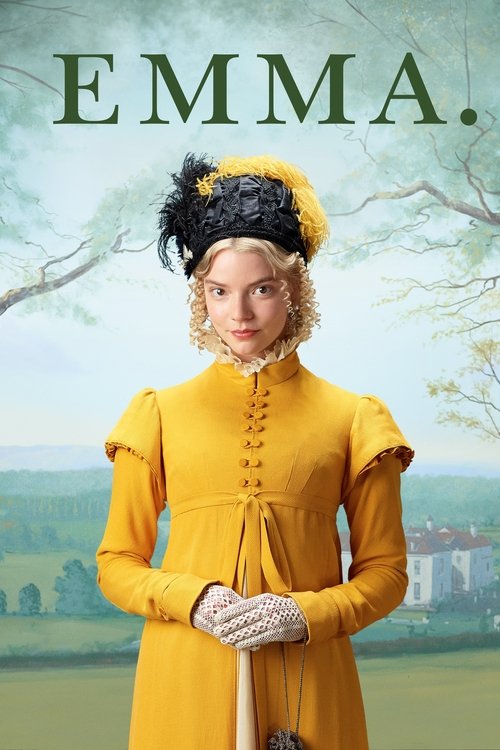
Emma.2020
A recent costume drama that treats its heroine's agency seriously while remaining visually sumptuous. Like Nightingale, it's about a woman who thinks clearly in a world that resists thought from women.
But It's Austen, not history—a love story dressed as social commentary. If you want real consequence rather than romance, this will feel slight.
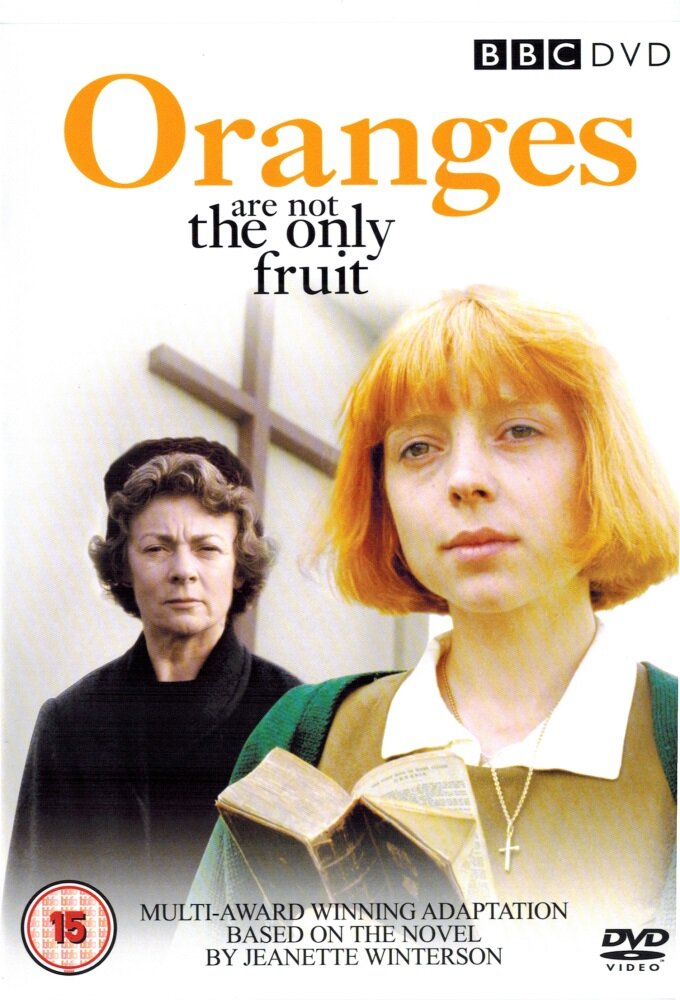
Oranges Are Not the Only Fruit1990
A BBC film about a young woman rejecting the institution her family built around her. It has Nightingale's theme of principled defiance, but grittier and queerer, in a different key entirely.
But It's deliberately strange and formally experimental. The television-movie gloss you find comforting in Nightingale doesn't apply here.
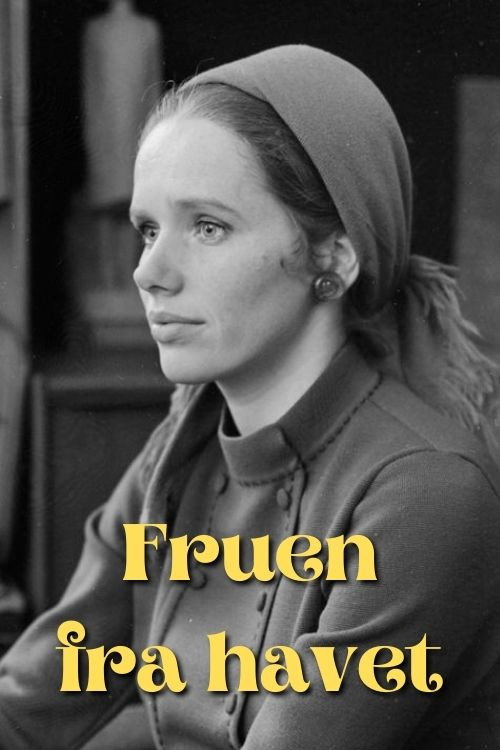
The Lady from the Sea1979
Both centre on a woman in a restrictive society discovering her own will and refusing to be erased. Nightingale chose the hospital. The Lady chose the sea. One is historical record; one is symbol.
A BBC adaptation of Ibsen's play about a woman choosing between duty and desire, between the life she was told to want and the life she actually does. It's metaphysical where Nightingale is practical, but the central tension is identical.
But It's a play, not a novel—heavy on dialogue, light on plot. If you need momentum or external action, Ibsen will frustrate you. It's also obscure, which means committing to something you've never heard of.
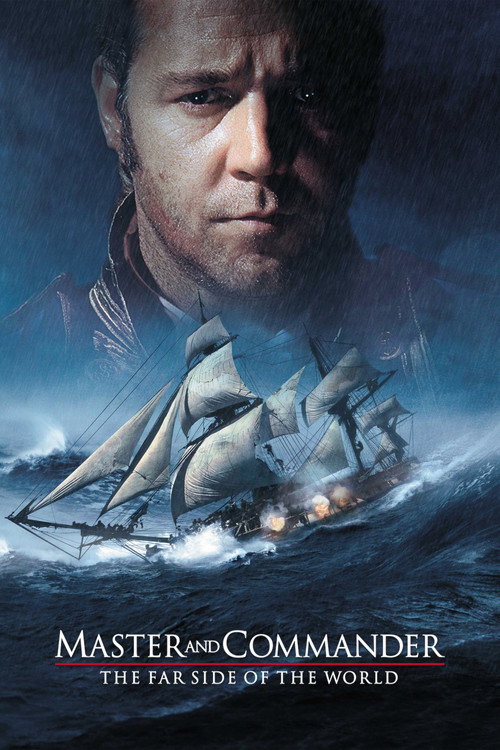
Master and Commander: The Far Side of the World2003
Both films believe that systems change when someone understands them completely and acts with precision. Both are less interested in feeling right than in being right. Both trust that competence is its own form of power.
A film about expertise, institutional pressure, and a leader who must think his way through impossible circumstances while maintaining the loyalty of those beneath him. It shares Nightingale's confidence in intelligence and specificity, and its approach to authority is quietly modern.
But It's a naval adventure film, not a costume drama about social reform. If you're watching for female protagonists or domestic themes, this is entirely about ships and men and the Napoleonic Wars. It also demands you follow naval procedure.
People
Cast
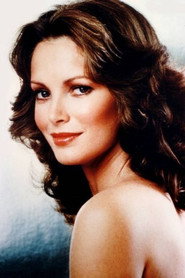 Jaclyn SmithFlorence Nightingale
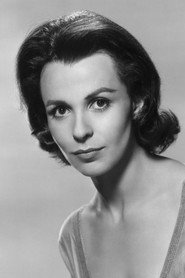 Claire BloomFanny Nightingale
 Timothy DaltonRichard Milnes
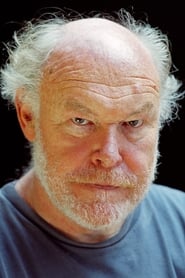 Timothy WestWilliam Russell
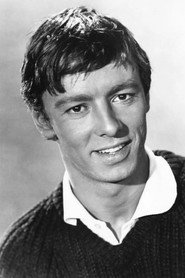 Peter McEnerySidney Herbert
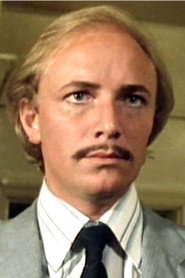 Stephan ChaseDr. Sutherland
 Jeremy BrettWilliam Nightingale
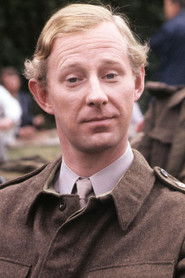 Jeremy ChildDr. Hall
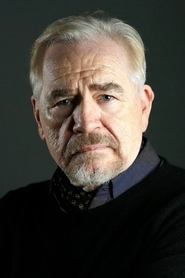 Brian CoxDr. McGregor
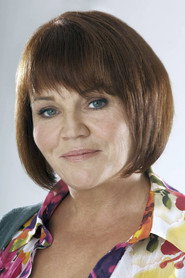 Lesley DunlopJoanne
 Michael ElwynDr. Menzies
 Julian FellowesCharles Bracebrige
Directing
- Daryl DukeDirector
Writing
- Ivan MoffatStory
- Ivan MoffatTeleplay
- Rose Leiman GoldembergTeleplay
Production
- Jennifer FaulstichAssociate Producer
- Rose Tobias ShawCasting
- Gerald W. AbramsExecutive Producer
- Anthony B. RichmondProducer
- Ron CarrProducer
- Nick AndersonProduction Executive