
Film
The Concubine
A 2012 Korean historical drama about a noblewoman caught between two men—her true love, a servant, and the prince destined to become king. Richly shot and emotionally intense, it trades plot momentum for atmosphere and the slow burn of forbidden desire. For viewers who prize visual beauty and romantic tragedy over narrative efficiency.
If you liked this
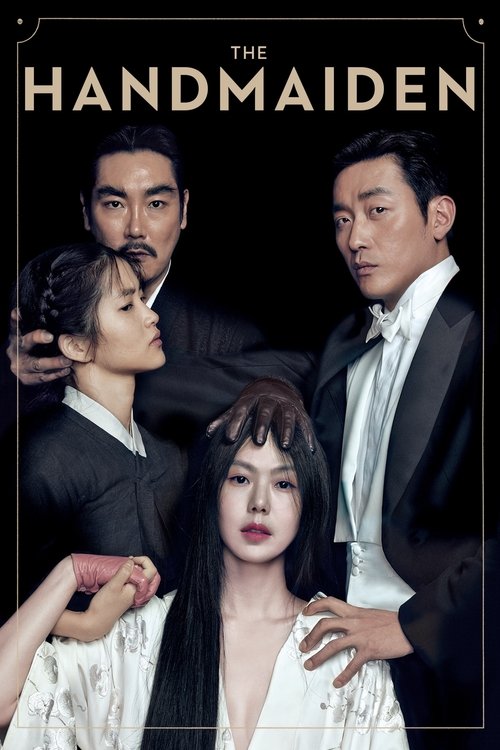
The Handmaiden2016
Park Chan-wook's jewelled thriller about deception and desire in 1930s Korea, with the same exquisite control of period detail and a plot that actually moves. A masterclass in constructing suspense from secrets.
But It's considerably darker in its sexual content and violence. The intricate con plot can feel cold compared to emotional directness.
The Nightingale2018
A 2012-adjacent Korean historical drama that balances forbidden love with genuine stakes. Beautifully composed, slower paced, driven by the tension between duty and desire in a rigid social system.
But Even less plot-driven than The Concubine—it's almost entirely mood and glances. Can feel static if you're not in the right headspace.

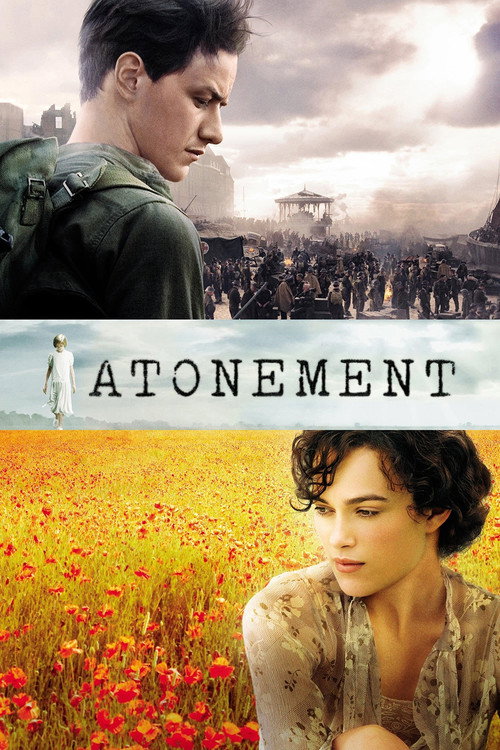
Atonement2007
A literary romance shattered by class and circumstance, with lush cinematography and the same tragic inevitability. Keira Knightley and James McAvoy embody that ache of impossible love across a social divide.
But It's British and Edwardian rather than Korean and Joseon. The second half pivots away from romance entirely into something bleaker.
Not sure tonight? Get a pick in a minute, starting from The Concubine
The wildcard
Something you would not have found on your own.
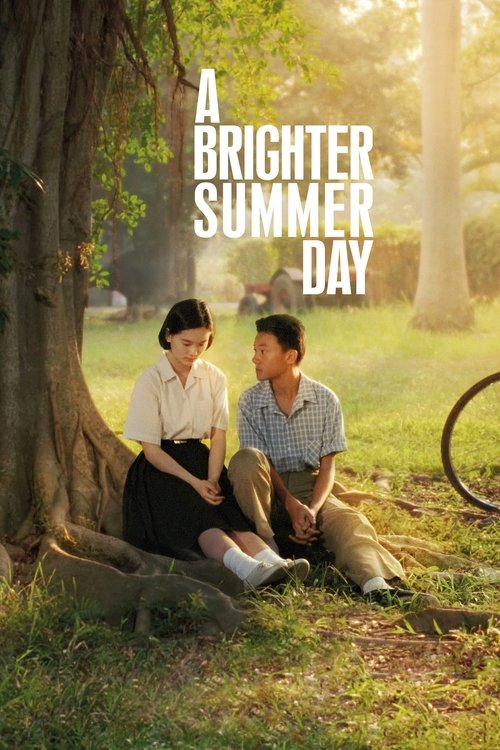
A Brighter Summer Day1991
Both use romantic tragedy as a prism to examine how rigid social systems crush individual feeling. Both move at the pace of inevitability, not suspense.
Edward Yang's four-hour Taiwanese epic about adolescence, betrayal, and love during martial law. Structurally it mirrors The Concubine—a tragic triangle, social hierarchy as inescapable force—but renders it through sprawling naturalism rather than period beauty. The connection runs deep: both argue that desire is powerful precisely because the world refuses to let it survive.
But Four hours long, in Mandarin, with minimal subtitles in some editions. The naturalistic style makes it less visually ornamental than you might expect. Demands active attention throughout.
More like this (7)
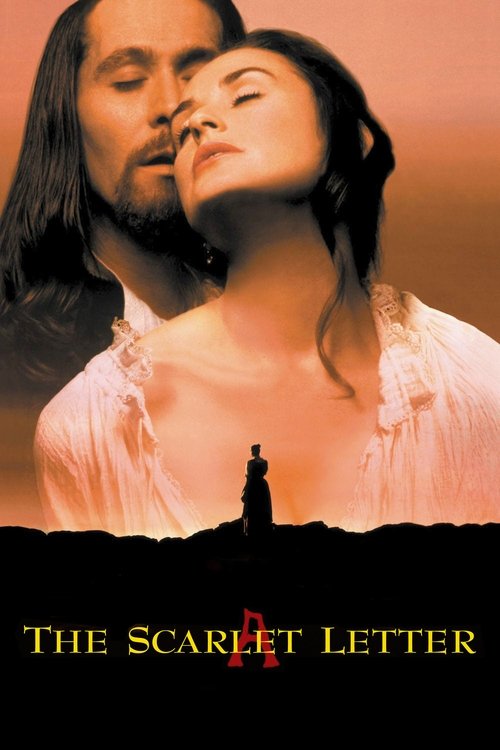
The Scarlet Letter1995
Demi Moore as a woman punished by society for desire, with Gary Oldman as a man bound by public duty. Trashy and earnest simultaneously, it understands the particular cruelty of enforced respectability.
But It's a very loose adaptation of Hawthorne; some find it ridiculous. The tone wavers between prestige drama and soap opera.
Bitter Lake2015
A Chinese historical epic about a concubine navigating court politics and genuine love. Ornate, operatic, with costumes and cinematography that rival The Concubine's visual richness.
But Very plot-heavy where The Concubine is contemplative. The court intrigue can overwhelm the romance if you're watching for that.
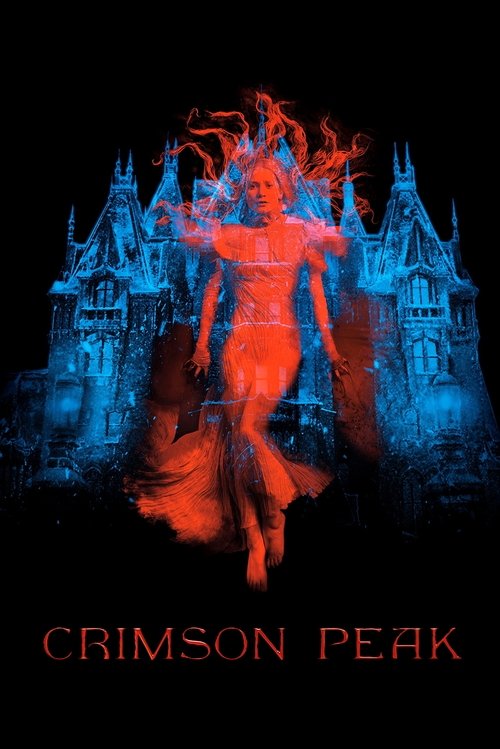
Crimson Peak2015
Guillermo del Toro's Gothic melodrama trades Joseon Korea for Victorian England, but shares the same architectural beauty, the same tragic inevitability, the same sense of being trapped by desire and circumstance.
But It's a ghost story with horror elements—far more supernatural than The Concubine's realism. The twist ending divides people sharply.
Iris2009
Another Korean tragedy of impossible love, starring Cho Yeo-jeong (The Concubine's lead). A painter and his muse across decades, rendered with genuine tenderness and technical mastery.
But Cho's other work may feel like retreading familiar emotional ground. It's less visually sumptuous than The Concubine.

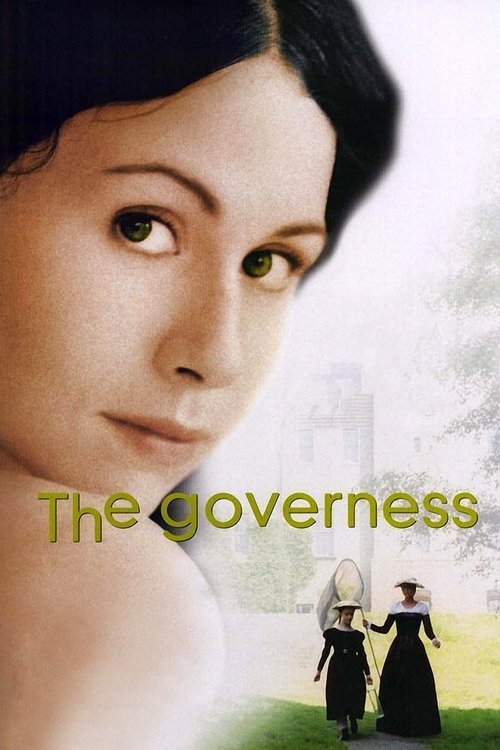
The Governess1998
A British period piece about a Jewish woman posing as a Christian servant, hired as governess to a wealthy family. Quiet, sensual, about desire as transgression and the fragility of assumed identity.
But It's frankly sexual in ways that might surprise you; some find it exploitative. Very low-key pacing with minimal plot.
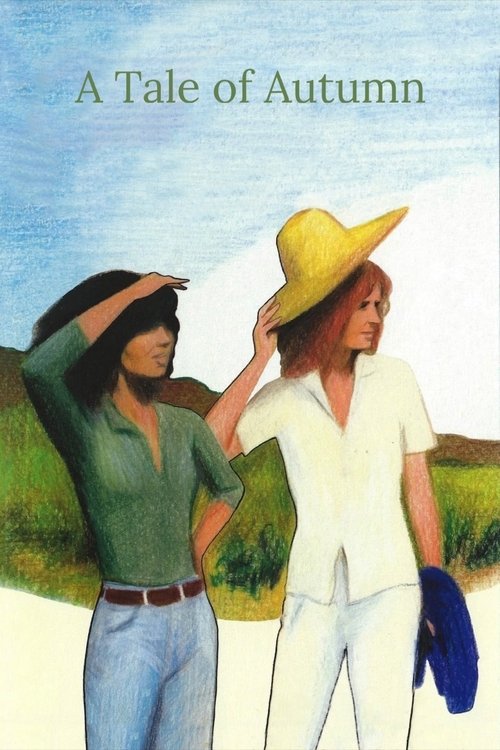
An Autumn Tale1998
Éric Rohmer's meditation on love, duty, and the compromises of middle age. Not a period drama, but the same philosophical texture—slow, talky, genuinely moving without melodrama.
But Entirely dialogue-driven; no plot to speak of. French New Wave minimalism will feel alien if you're used to narrative propulsion.
Tokyo Story1953
Both understand that tragedy doesn't need plot twists—it lives in the gap between what people feel and what society permits them to have. Both are about endurance.
Yasujirō Ozu's nearly invisible masterpiece about aging parents visiting their son's family in postwar Japan. Seems to have no plot—just conversations, meals, the texture of ordinary life. But it contains more human truth about duty, desire, compromise, and loss than most melodramas achieve. The Concubine's emotional DNA lives here.
But It moves at a glacial pace; scenes repeat with minimal variation. The black-and-white photography and formal compositions can feel austere. Requires patience that some mistake for boredom.

People
Cast
 Cho Yeo-jeongHwa-yeon
 Kim Dong-wookGrand Prince Seong-won
 Kim Min-junKwon-yoo / Choong-young
 Park Ji-youngKing's Mother
 Cho Eun-jiGeum-ok
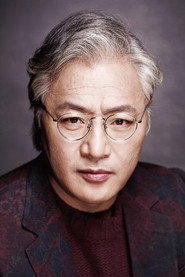 Lee Kyung-youngChief Eunuch
 Ahn Suk-hwanHwa-yeon's Father
 Park Cheol-minMedicinal Eunuch
 Oh Ji-hyeLady Park
- Hong Kyeong-yeonCourt Lady Kim
- Hong Yeo-jinCourt Lady in Suragan
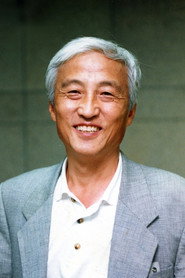 Oh Hyeon-kyeongYoon Gi-hoon
Directing
- Kim Dae-seungDirector
Writing
- Kim Soo-miAdaptation
- Hwang Yoon-jungScreenplay
- Kim Dae-seungScreenplay
- Kim Mee-jeungScreenplay
Production
- Jang Young-hwanLine Producer
- Park Seong-ilProducer
- Hwang Yoon-jungProduction Manager