
Film
A Summer's Tale
Eric Rohmer's Breton seaside romance about a young man juggling three women across one indecisive summer. Dialogue-driven, sun-dappled, occasionally funny, fundamentally humane. It's a film about the small agonies of desire and connection, where nothing catastrophic happens but everything matters. For people who think their own romantic confusions might be interesting to watch.
Should you watch it?
Watch it if you enjoy talky, sun-drenched films where people drift through long conversations and small indecisions, and you find the comedy in a man who can't quite choose between three women more charming than cruel.
Skip it if you want a story that moves briskly toward a point, since this one wanders through a seaside holiday at its own unhurried pace and runs well over two hours.
What it asks of you: It asks for patience with a loose, meandering shape and a long stretch of unhurried talk, and it rewards you for sitting with its lazy rhythm rather than waiting for the plot to tighten.
Not sure? Find tonight's pick in a minute.
If you liked this
My Night at Maud's1969
Rohmer's masterpiece, similarly built on conversation and competing desires. A man debates philosophy and romance across a single winter night. If you loved the intellectual flirtation in A Summer's Tale, this is its spiritual ancestor and refinement.
But Practically nothing happens. It's two hours of talking heads in a Clermont-Ferrand apartment. The pleasure depends entirely on caring about ideas and attraction.
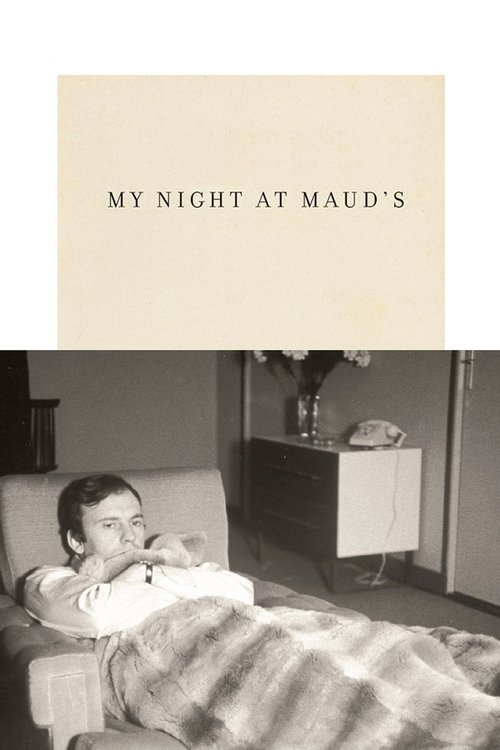
Claire's Knee1970
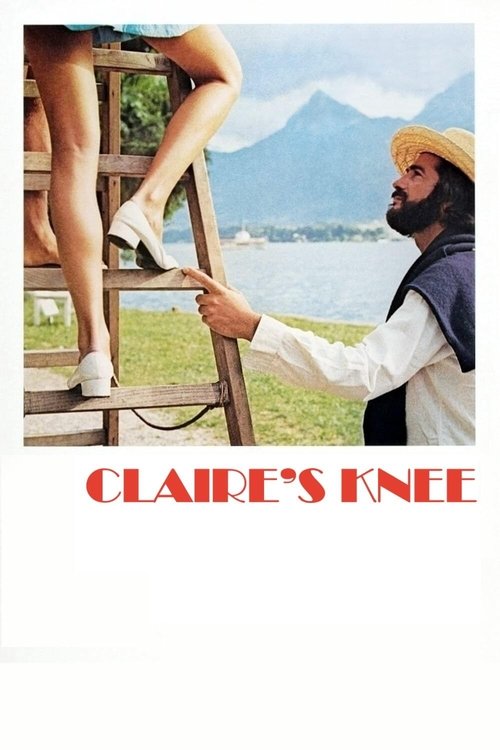
Another Rohmer about observation and temptation, set by a lake where a man becomes obsessed with the small detail of a woman's knee. The same precise, playful dissection of desire and self-deception, rendered in summer light.
But The obsession sounds absurd written down, and never quite stops sounding that way. If you need grand emotional stakes, this won't provide them.
Contempt1963
Godard's film about a marriage dissolving during a summer in Capri. Like Rohmer, it's fascinated by how attraction and connection actually work between people, with long sequences of conversation and flirtation that map emotional terrain.
But It's breezier than Rohmer and more formally experimental. The tone shifts, the logic is dream-like, and some viewers find it mannered.

Not sure tonight? Get a pick in a minute, starting from A Summer's Tale
The wildcard
Something you would not have found on your own.
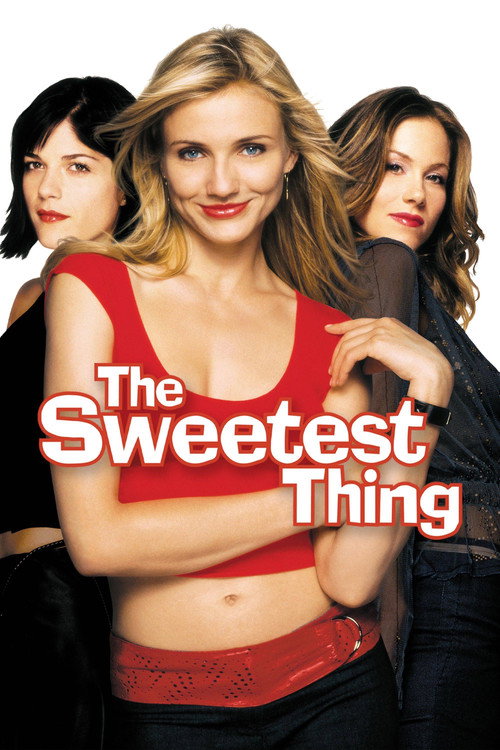
The Sweetest Thing2002
Both films believe that the architecture of romance is conversation and negotiation, not plot. The difference is register—Rohmer is thoughtful, this is raucous—but the engine is identical.
A trashy, breezy romantic comedy about three women and the men they pursue. Sounds miles from Rohmer, but it shares his core conviction: that the real story of romance is what people say to each other, how they negotiate desire and friendship in real time. Here it's just louder, drunker, and unapologetically about sex.
But It's broad and silly in ways Rohmer never is. Some find the tone aggressively light. It's also deeply of its early-2000s moment.
More like this (8)
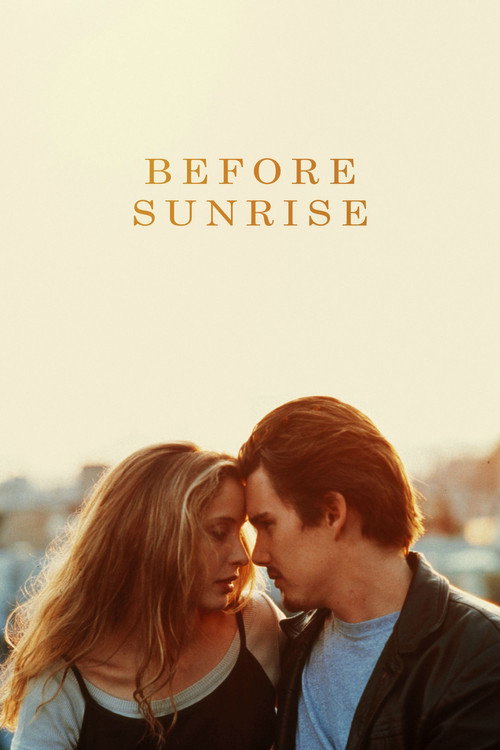
Before Sunrise1995
Richard Linklater's dialogue-centered romance about two strangers talking through a night in Vienna. The same faith in conversation as revelation, the same bittersweet humor, the same sense that connection is fragile and rare.
But Nothing external drives the plot. If you need conflict beyond people's own hesitation, it will feel thin.
In the Mood for Love2000
Wong Kar-wai's film about two neighbors who discover their spouses are having an affair. Like Rohmer, it's about the delicate choreography of attraction and restraint, watching desire express itself through glances and proximity rather than action.
But It's stylized and melancholic where Rohmer is naturalistic and comic. The pacing is deliberate to the point of being glacial.

Cléo from 5 to 71962
Agnès Varda's film following a woman through Paris in real time, mostly talking with friends. Like A Summer's Tale, it's about the texture of a day, the way conversation shapes mood, how attraction and friendship intertwine.
But It's more formally playful and has an elliptical structure that some find frustrating. Also, genuinely sad underneath the brightness.

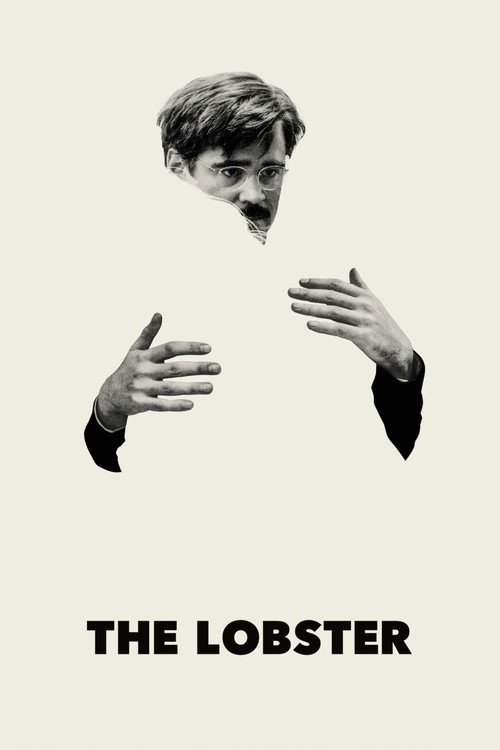
The Lobster2015
Yorgos Lanthimos's absurdist romance about single people forced to find partners or be turned into animals. It shares Rohmer's obsession with how attraction works and what people say to each other, but in a strange, deadpan key.
But It's surrealist and unsettling where Rohmer is naturalistic and warm. The whole film feels like a philosophical joke you might not share.
Two Days, One Night2014
The Dardenne brothers' film about a woman fighting to keep her job, spending a weekend visiting coworkers. Like Rohmer, it's about real conversations between real people, the way connection happens through small gestures and honest talk.
But It's formally austere and socially serious where Rohmer is playful. Also genuinely anxious in a way that's hard to watch.

On Body and Soul2017
Ildikó Enyedi's Hungarian romance about two mute people who fall in love. It's Rohmer-adjacent in its patient observation of attraction, the way meaning gets built through proximity and small actions rather than declarations.
But It's quiet and strange, with long sequences of people simply existing together. The slow burn might feel like nothing happening.

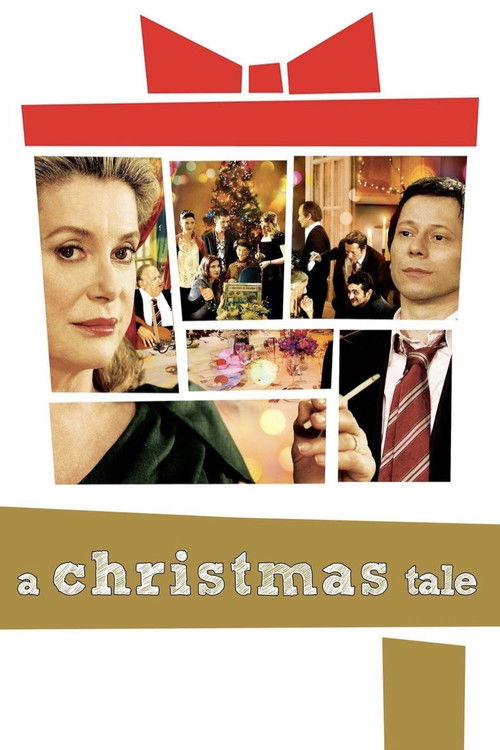
A Christmas Tale2008
Both filmmakers believe French conversation and desire are philosophically interesting. Breillat takes the same observational method and points it at conflict and sexuality instead of summer romance.
Catherine Breillat's acerbic French family drama set over Christmas. Long, talky, focused on how desire and attachment actually work between people. Breillat shares Rohmer's conviction that the emotional truth lives in what gets said and unsaid, but she's angrier, messier, sexually explicit about it.
But It's harsh and sexually frank where Rohmer is delicate. Family relationships are bruising and unresolved. Also very long and structurally baggy.
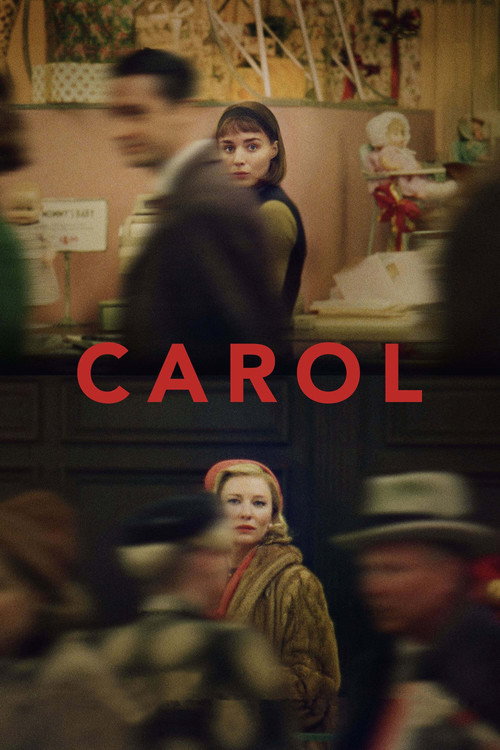
Carol2015
Both are about the grammar of desire expressed through gesture and glance rather than action. Both believe watching someone want someone else, carefully, is enough.
Todd Haynes's film about two women falling in love in 1950s America. It shares A Summer's Tale's fascination with how attraction develops in small moments—looks, touches, conversations—and its conviction that restraint and longing are the substance of the story, not obstacles to it.
But It's formally controlled and melancholic rather than playful. The historical setting adds weight. Also, the ending is genuinely sad in ways Rohmer avoids.
People
Cast
 Melvil PoupaudGaspard
 Amanda LangletMargot
 Gwenaëlle SimonSolène
- Aurelia NolinLéna
- Aimé LefèvreNewfoundlander
- Alain GuellaffUncle
- Evelyne LahanaAunt
- Yves GuérinAccordionist
 Franck Cabot-DavidCousin
Directing
- Éric RohmerDirector
Writing
- Éric RohmerWriter
Production
- Margaret MénégozProducer
- Françoise EtchegarayProduction Manager
Recommended by
French Kiss, I Was Born, But..., My Mother's Castle, Aruvi, When the Tenth Month Comes, An Autumn Tale, C'est La Vie, La Collectionneuse, Seven Steps