
Film
Aruvi
Aruvi is a Tamil-language drama about a quiet, sensitive woman struggling against the callousness of modern consumer society. Director Balaji Mohan crafts something rare: a film that builds unbearable tension from interior quiet, where one person's breaking point becomes a reckoning. It's for viewers who want cinema that makes you sit with discomfort.
Should you watch it?
Watch it if you like socially pointed dramas where a single character's anger carries the whole film, and you don't mind a story that refuses to soften its edges for the audience.
Skip it if you need a plot with a clear arc and easy pacing; this is built around mood and a withering stare, so it can feel slow and bleak.
What it asks of you: Expect a lean two hours, mostly quiet scenes where patience matters more than momentum, and a tone that stays cool and watchful rather than warming up.
Not sure? Find tonight's pick in a minute.
If you liked this
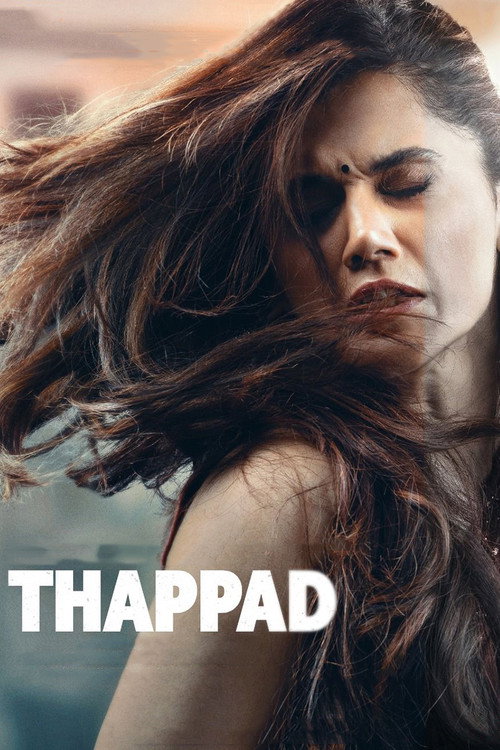
Thappad2020
Anubhav Sinha's precise, furious film about a woman refusing to accept a single slap, a single compromise. Like Aruvi, it uses one woman's clarity to interrogate the violence of 'normal' life and the people who defend it.
But The entire film operates in a register of restraint and confrontation rather than plot momentum. It requires patience with long conversations.
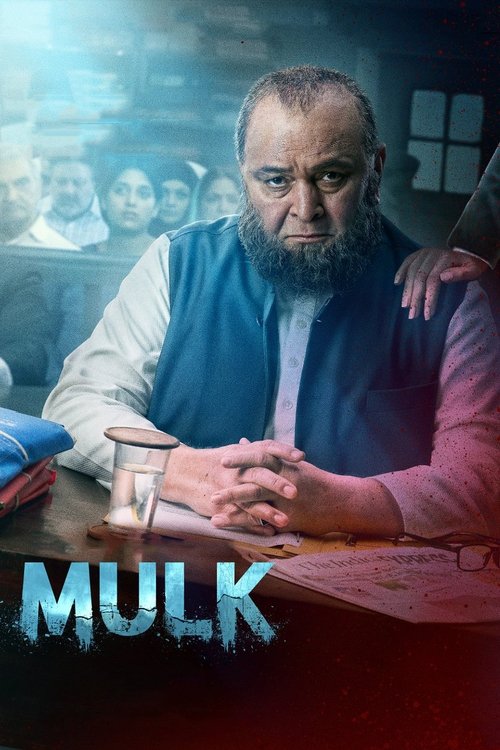
Mulk2018
Another Anubhav Sinha film that examines how ordinary systems grind down ordinary people, and what happens when someone decides to push back. The same moral fury as Aruvi, the same distrust of institutions.
But It's didactic at times. The filmmaking serves the argument, not the other way around.
The Handmaiden2016
Park Chan-wook's thriller about a woman who infiltrates a household and ends up consumed by what she finds there. Like Aruvi, it's about how systems use and discard women, told with visual precision and mounting dread.
But The plot twists can feel overstuffed. The control-freak direction isn't for everyone.

Not sure tonight? Get a pick in a minute, starting from Aruvi
The wildcard
Something you would not have found on your own.
Mississippi Burning1988
Both films locate violence not in action but in systems, and both refuse the comfort of clear villainy. The protagonist in each is destroyed by a world that never touches them directly.
Lee Chang-dong's film about a woman on the margins of Seoul, a man who says little, and a wealthy man who arrives to shatter equilibrium. Like Aruvi, it's about class violence and how the system destroys people while appearing to do nothing. But where Aruvi builds inward dread, Burning sprawls across social space and ambiguity.
But It's 148 minutes of formal precision and no plot to speak of. The ending offers no catharsis or clarity. It is, deliberately, infuriating.

More like this (8)
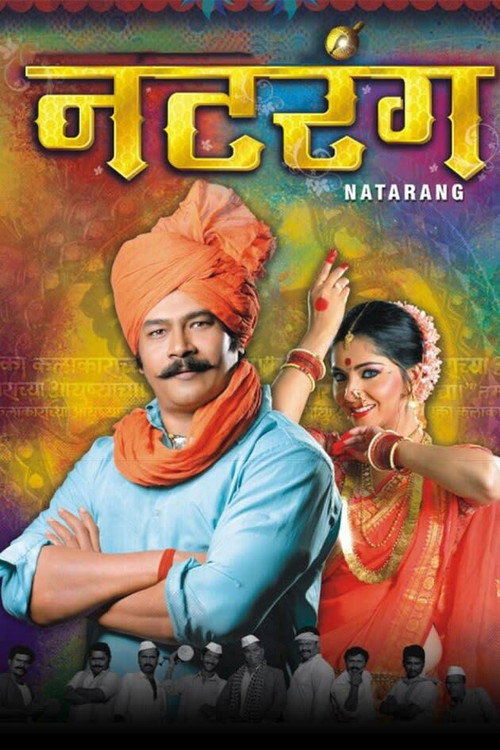
Natrang2010
A Marathi film about an aging actor who loses himself in performance and society. Like Aruvi, it examines the gap between the self and the role you're forced to play, building to something you cannot take back.
But It's slow and melancholic. The final act is genuinely tragic, not cathartic.
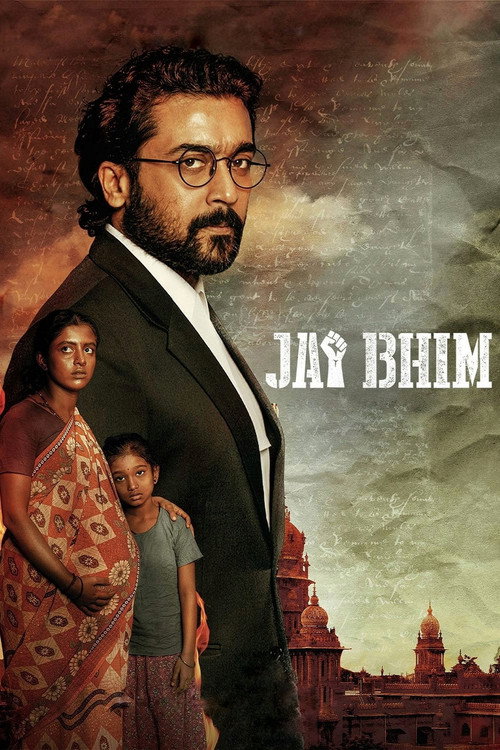
Jai Bhim2021
A Tamil drama that methodically documents injustice in the system. Like Aruvi, it shares a Tamil cinema's willingness to make rage on screen feel morally justified rather than pathological.
But It's 165 minutes. The pacing is deliberate to the point of severity.
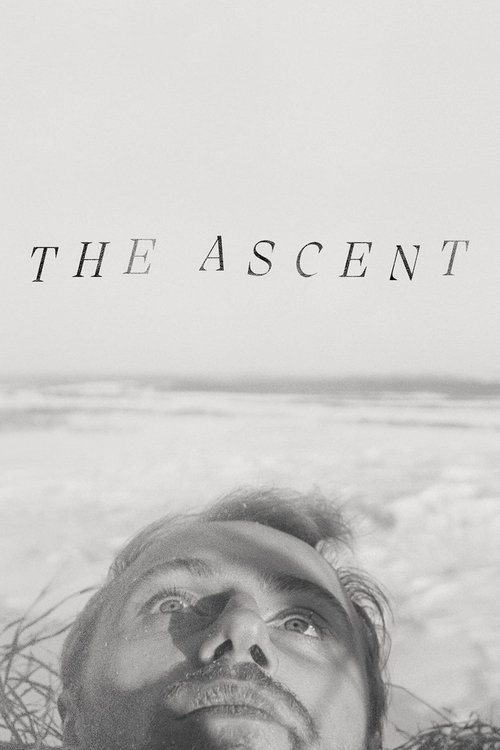
The Ascent1977
Andrei Tarkovsky's film about two priests during the Second World War, walking through a destroyed world and slowly losing faith in everything. The same accumulating despair as Aruvi, the same sense of a person coming apart against an indifferent cosmos.
But It's a 169-minute black-and-white Soviet film from 1977. Accessibility is not the goal.
A Prophet2009
Jacques Audiard's prison drama about a boy who enters as nobody and is systematized into someone else. Like Aruvi, it asks what happens when society grinds someone down until they have no choice but to become its worst version.
But It's brutal. The violence is not titillating but it is unflinching, and prison brutality sustains the entire narrative.

Courage Under Fire1996
Deepa Mehta's controversial film about two women in an arranged marriage household discovering each other. Like Aruvi, it uses one relationship to interrogate the violence of social expectation and what happens when someone refuses the role.
But The subject matter caused real controversy in India. Some will find the film didactic.

A Summer's Tale1996
Éric Rohmer's film about a young man torn between two women, filmed with the gentleness and moral seriousness Aruvi shares. Both are about small cruelties, confusion, and the gap between how we think we are and how we act.
But It's a Rohmer film—dialogue-heavy, modest, plotless. If you find conversations about desire boring, this will test you.

The Lobster2015
Both use genre constraint to express social suffocation. Both demand their protagonist accept a system designed to destroy them. Both answer the same question differently.
Yorgos Lanthimos's absurdist nightmare where single people are turned into animals. The surface is surreal comedy; underneath is Aruvi's same rage at systems that punish nonconformity and demand you fit the boxes society has built. Both use genre estrangement to express the inexpressible.
But The tone is deliberately alienating and cold. It's funny only if you're willing to laugh at things that are also terrifying. The logic is dreamlike, not realistic.

Grey Gardens1976
Both capture the textures of a person coming apart from inside a system that will not have them. Aruvi dramatizes what Grey Gardens observes: the cost of not fitting in is total.
The Maysles' documentary about two women living in a decaying mansion, slowly disappearing from the world. Like Aruvi, it's about someone's break with society, but here filmed in real time, without drama, without music, without judgment. The same slow disintegration, but witnessed rather than enacted.
But It's a 95-minute documentary from 1975 with no narrative arc. You're watching decay. Some will find it exploitative.

People
Cast
 Aditi BalanAruvi
- Shwetha ShekarJessy
 Lakshmi GopalaswamyShobana
- Mohammad Ali BaigMohammad Shakeel Waqaab

- ThirunavukkarasuAruvi's father
 Madhan Kumar DhakshinamoorthyVenkataapuri Sri Badri Sesaadri Deetsidhar
- Anjali VaradhanEmily
Directing
- Arun Prabu PurushothamanDirector
Writing
- Arun Prabu PurushothamanDialogue
- Arun Prabu PurushothamanScreenplay
- Arun Prabu PurushothamanStory
Production
- S. R. PrabuProducer
- S. R. PrakashbabuProducer