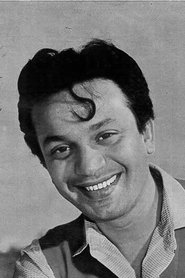
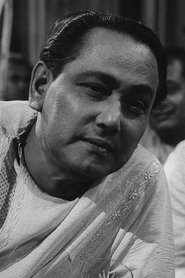
Film
Seven Steps
A 1961 Bengali melodrama about a doctor who reconnects with a former lover—now a troubled Anglo-Indian woman—during wartime. It's a sweeping, emotionally lavish film built on longing and regret, gorgeously shot and performed with theatrical intensity. For those who love classic cinema where feelings matter more than plot.
Should you watch it?
Watch it if you like romances built on memory and regret, where long silences and lingering glances carry more weight than dialogue and the past keeps pressing into the present.
Skip it if you want a brisk plot or a lighter touch, since at 163 minutes it lingers, and its melodrama and talky, wounded tone can feel heavy going.
What it asks of you: Give it well over two and a half hours, with slow scenes that let feeling gather and the patience to sit with sorrow that is handled without much lightness.
Not sure? Find tonight's pick in a minute.
If you liked this
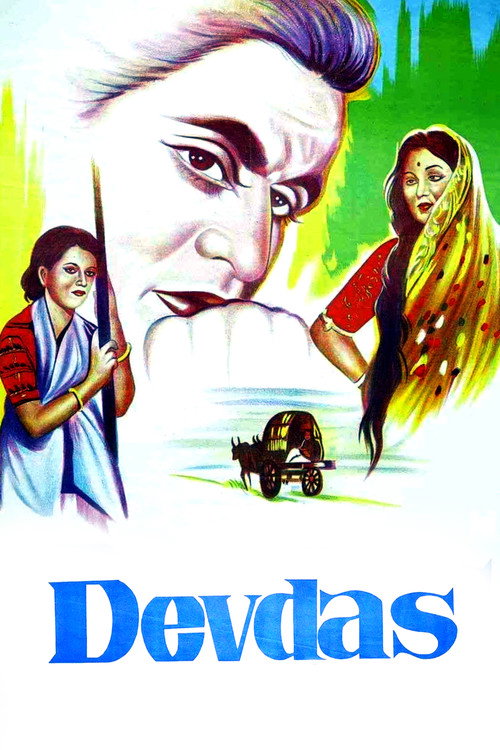
Devdas1955
Bimal Roy's definitive adaptation of Saratchandra Chatterjee's novel shares the same Bengali literary DNA and tragic romanticism. A man undone by love, sumptuous cinematography, and performances that communicate through glance and silence.
But Nearly four hours long, and the pace is deliberate—this isn't plot-driven. The fatalism can feel suffocating if you're not in the mood for sustained melancholy.
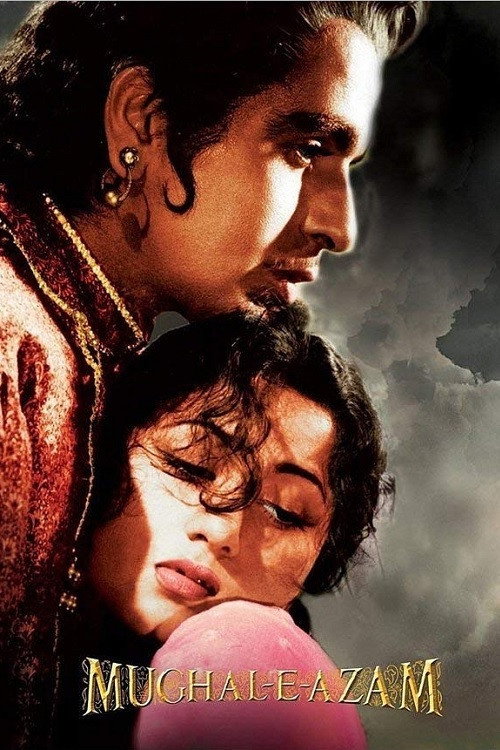
Mughal-e-Azam1960
A grand historical romance from the same era, with Madhubala delivering one of cinema's great tragic performances. Lavish production values, magnificent cinematography, and a love story that defies duty and empire.
But It's epic in length and scope—nearly three and a half hours. The archaic dialogue and courtly register may feel remote even to patient viewers.
Pather Panchali1955
Satyajit Ray's masterpiece captures post-war Bengali life with the same attentive realism that grounds Seven Steps. A different story entirely, but the visual language and emotional honesty feel like kin.
But It's slow cinema about poverty and daily life, not romance. The payoff is in accumulated moments, not dramatic crescendos.

Not sure tonight? Get a pick in a minute, starting from Seven Steps
The wildcard
Something you would not have found on your own.
A Summer's Tale1996
Both track how previous lovers haunt the present; both are essentially about the impossibility of return, dressed in entirely different registers.
Rohmer's late work captures the same thing Seven Steps does—the weight of past connection, the way memory rewrites love, how a person who once meant everything returns to disturb an ordered life. Vastly different in tone: funny, light, conversational. But structurally identical: a man confronting what he once felt and cannot feel again.
But It's a French dialogue film about people talking on a beach. If you want the grand melodramatic sweep of Seven Steps, this will feel slight and frustratingly undramatic.

More like this (7)
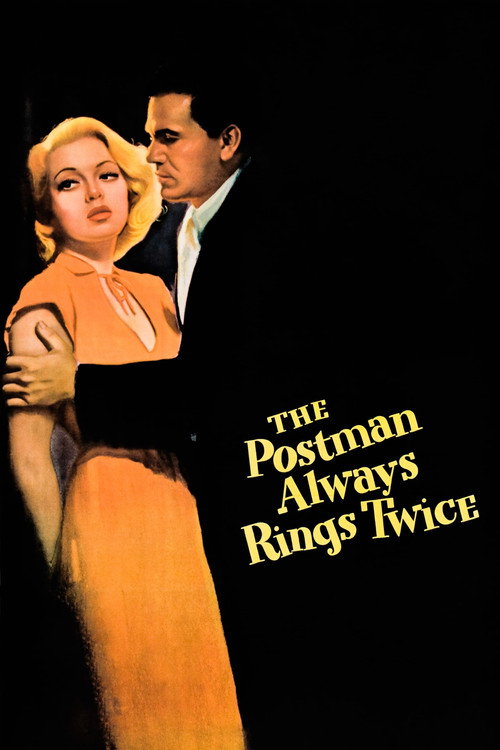
The Postman Always Rings Twice1946
American noir built on the same foundation: a man undone by returning desire, infidelity, and consequences. Similar emotional architecture despite the genre difference—passion that destroys everything it touches.
But It's cynical where Seven Steps is tragic, and the moral register is harder-boiled. The fatalism reads as corruption rather than fate.
Brief Encounter1945
Lean and Coward's meditation on thwarted love and the weight of circumstance. Two people discovering connection at the wrong moment, with the same sense that some longings cannot be answered without destroying everything.
But It's restrained and very English—emotion expressed through what's unsaid. If you want your melodrama to announce itself, this will feel buttoned-up.

Umrao Jaan1981
A later reflection on lost love and the price of beauty in a society that commodifies women. Rekha's performance carries the weight of a whole life's regrets; it shares Seven Steps' tragic nobility.
But The setting and register are entirely different—courtesan culture rather than wartime angst. The emotional core may not translate if you're specifically after 1960s Bengal.

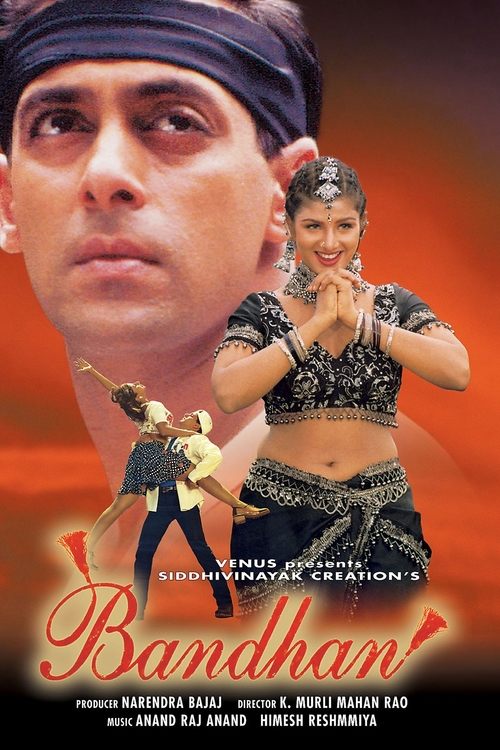
Bandhan1998
A later Uttam Kumar film that revisits themes of duty, family, and the impossibility of uncomplicated love. If his performance in Seven Steps moved you, seeing how that register evolved offers its own reward.
But By 1998, the style of melodrama feels dated even within Indian cinema. You're watching partly for historical interest rather than immediate emotional impact.
Devi1960
Another Bengali masterpiece from the same year, exploring faith and obsession within a marriage. The emotional intensity and period detail overlap with Seven Steps; it's another window onto 1960s Bengali cinema at its height.
But It's conceptually dense and moves in psychological rather than narrative time. The philosophical weight can feel abstract compared to Seven Steps' direct emotional pull.

Pakeezah1972
Both locate tragedy in the collision between passion and social position; both are deeply concerned with what society will allow women to feel.
A Urdu-language film about a courtesan navigating love and respectability, shot with the kind of visual lushness and emotional excess that speaks directly to Seven Steps' sensibility. Meena Kumari's performance is devastating—a woman marked by circumstances beyond her control, loving someone who cannot fully claim her.
But It's long, densely scored, and unapologetically theatrical. The courtly Urdu dialogue and period setting require adjustment. It plays as baroque where Seven Steps is restrained.

The Affair1973
Both explore the myth that you can reclaim something once lost; both prove you cannot.
A BBC television film that transplants the structure of classical passion—return, recognition, impossible love—into contemporary London. Understated where Seven Steps is florid, but emotionally ruthless. Ann-Margret and Ryan O'Neal navigate the same emotional minefield: you cannot go back, but you cannot leave.
But It's a 1970s TV movie, which means the production values are modest and the pacing deliberate by design. The restraint may read as coldness if you come to it expecting drama.