
Film
When the Tenth Month Comes
- War drama
- Very dark
A Vietnamese widow in the final days of war tends to her young son and elderly father-in-law while concealing her husband's death. Shot in urgent, naturalistic style, it captures the weight of grief deferred—the small cruelties of survival when you must be strong for others. Essential viewing for understanding cinema's reckoning with the Vietnam War from the inside.
If you liked this
Come and See1985
Belarusian cinema's most devastating account of war's dehumanisation. Like When the Tenth Month Comes, it refuses spectacle and sentiment—just the hourly reality of loss, hunger, and the need to keep going. A masterpiece.
But Profoundly bleak and graphic. One of cinema's cruelest films. Not cathartic; designed to wound and endure.

A Woman's Life2016
A widow navigates betrayal and diminishment with quiet defiance. Similar emotional texture—the grinding weight of duties that outlast love. How women's lives narrow and how they persist anyway, with dignity intact.
But French cinema of restraint. Plot moves slowly. Some will find it too interior, too focused on small domestic gestures rather than dramatic events.

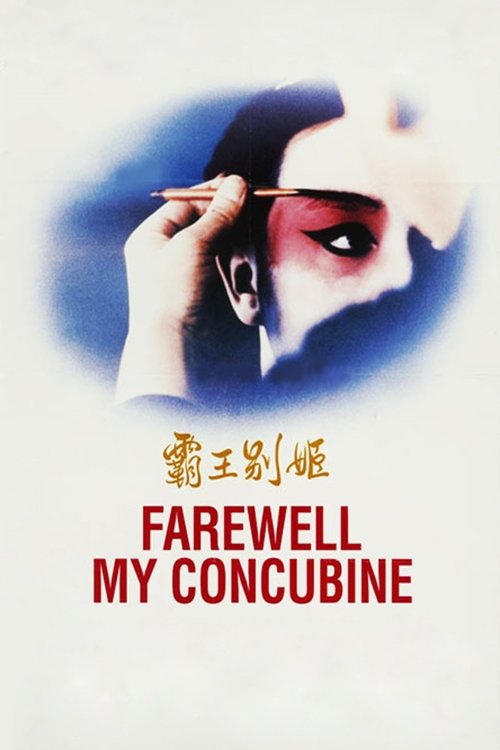
Farewell My Concubine1993
Chinese epic spanning decades of war and revolution through the lives of two Peking Opera performers. Shares Duyên's focus on how private love collapses under historical violence. Operatic but emotionally precise about loss and survival.
But Nearly three hours. A romance at its heart, which some find melodramatic. The sweep can overwhelm the intimate grief that matters most.
Not sure tonight? Get a pick in a minute, starting from When the Tenth Month Comes
The wildcard
Something you would not have found on your own.
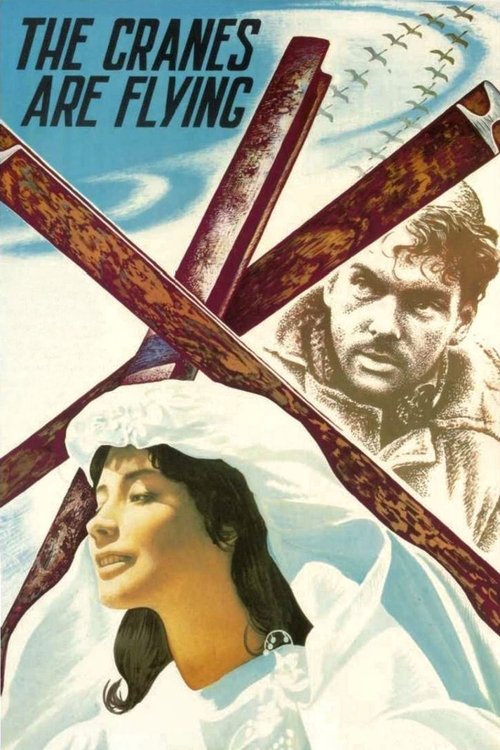
The Cranes Are Flying1957
Both films center a woman hiding catastrophic loss while performing normalcy for dependents. Both use close observation of daily rituals to measure grief's weight. Both made during or just after war, from the perspective of the occupied/defeated, not the victor.
Mikhail Kalatozov's Soviet masterpiece: a young woman loses her fiancé in WWII and must navigate a world of deception, indifference, and the need to survive. Shares Duyên's focus on a woman's internal collapse and stubborn persistence. Shot with extraordinary visual sophistication about grief.
But Black and white, 1950s Soviet aesthetic. Some find the romanticism dated. Kalatozov's visual style can overwhelm the emotional core if you're not attuned to Soviet cinema's register.
More like this (7)
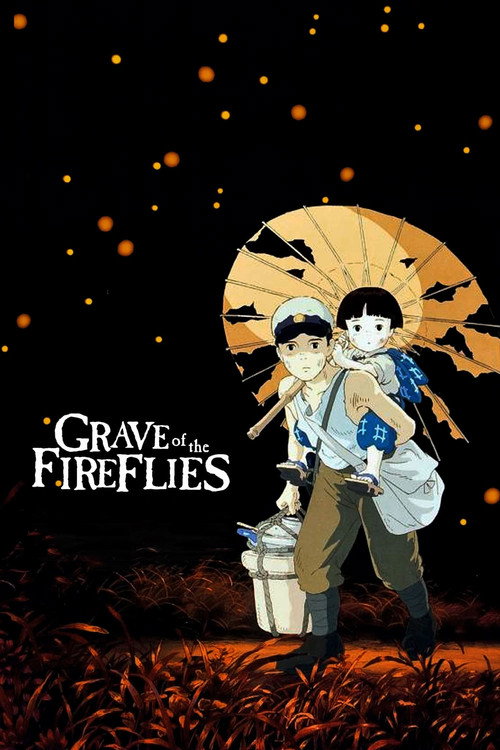
Grave of the Fireflies1988
Japanese animated film about two children struggling to survive after their mother's death during WWII. Not a cartoon—a heartbreaking study of how love persists in the face of systemic indifference. The most devastating war film ever made.
But Animation may seem to trivialise the subject. It doesn't. The loss is all the more unbearable for being drawn. Emotionally punishing; no catharsis.
Secrets & Lies1996
A woman confronts the lies her family has built to survive shame and loss. Like Duyên, it explores what we hide and why, and the cost of that silence. Mike Leigh's finest work—intimate, unsparing, humane.
But Contemporary British setting may feel tonally distant. The emotional excavation can feel uncomfortable in a way that some read as intrusive rather than moving.

Three Colors: Blue1993
A widow attempts to erase her past and identity after her husband's death. Deceptively quiet about grief and the impossible wish to simply stop feeling. Kieślowski's meditation on loss as refusal, as necessary numbness.
But Abstract and deliberately glacial. Very much a high-art film. Some will find it more interested in style than in Duyên's actual pain.

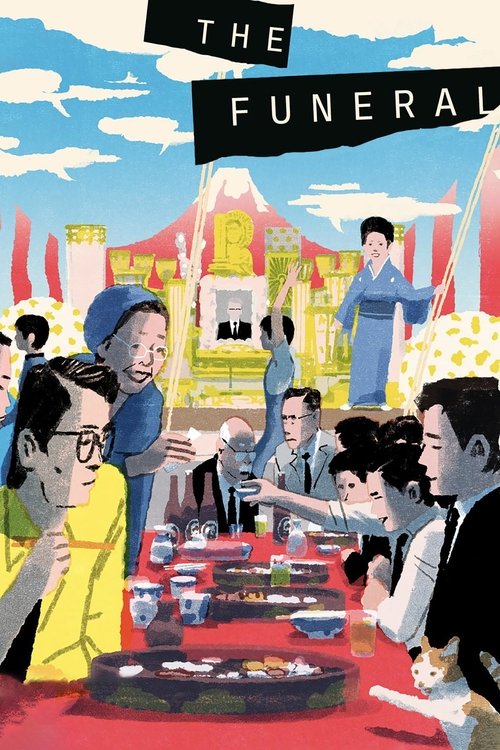
The Funeral1984
Japanese film about a family gathering after a death. Like Duyên, it's fascinated by rituals and the small courtesies that hold us together when we're falling apart. Darkly funny, deeply humane, the opposite of sentimental.
But Comedy mixed with grief may jar. Some find its tone inconsistent or its focus on surface performance rather than inner feeling hollow.
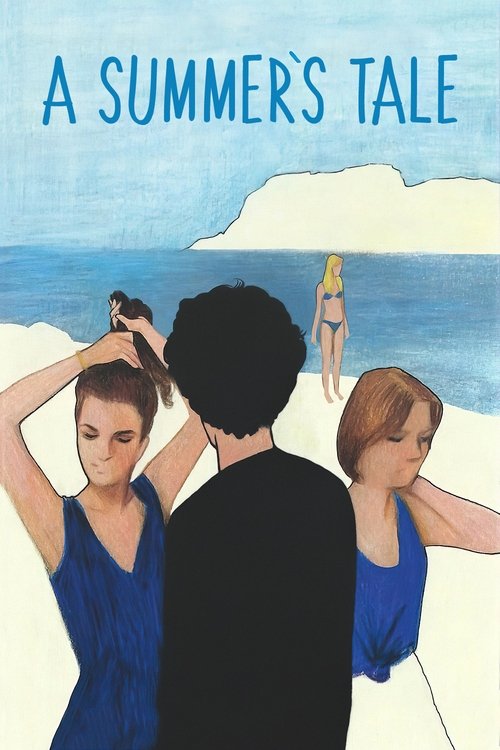
A Summer's Tale1996
Rohmer's lyrical study of a young man's romantic indecision. It shares Duyên's careful observation of how people move through moments, what they choose to say and not say. Gentle, attentive filmmaking about the difficulty of connection.
But Nothing much happens. Dialogue-heavy. If you're looking for plot or spectacle, this is watching grass grow, however beautifully.
Cléo from 5 to 71962
Both films reject plot in favour of duration and observation. Both are about women navigating impossible situations with only time and attention as weapons. Both understand that survival is sometimes just: what do you do with this hour?
Agnès Varda follows a woman through 90 minutes of waiting for medical results—the hourly reality of dread and uncertainty. Like Duyên, it's fascinated by what women do, what they notice, the small acts that fill the space between catastrophes. Real-time cinema about the inner life.
But Deliberately slow. Nothing is resolved. If you need plot momentum or catharsis, this will feel like being trapped in someone's anxiety. Some find it self-indulgent.

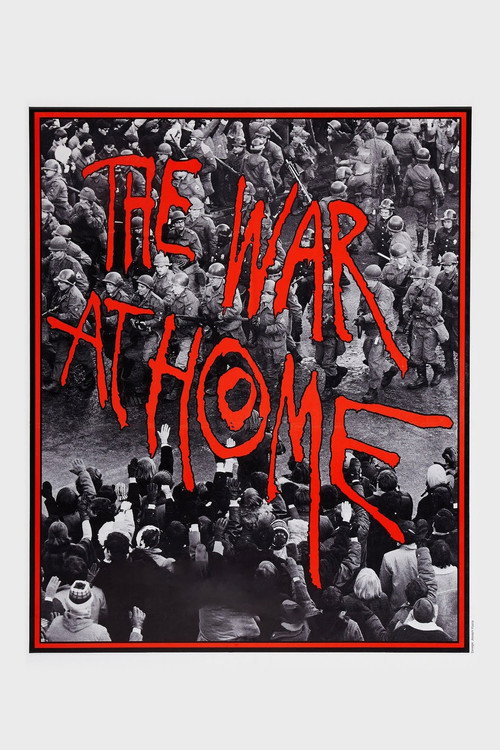
The War at Home1979
Duyên shows the Vietnamese cost of war as private grief. This shows the American cost as political rupture. Together they suggest that war destroys everyone it touches—not equally, but thoroughly. One shows silence, one shows screaming. Both are true.
Documentary about American families protesting the Vietnam War from within the heartland. Radically different from Duyên's narrative, but it's about the same war from the other side—how historical violence enters the home, how families fracture over questions of loyalty and survival. Essential companion piece.
But Documentary, not narrative. Black and white, rough, made by activists. Some will find it didactic or dated. Contains graphic war footage. Not a story; an argument about a war you may have strong feelings about.
People
Cast
 Lê VânDuyên
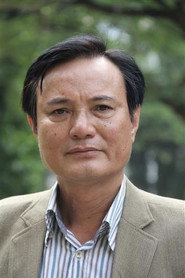 Hữu MườiKhang
- Lại Phú CươngDuyên's father-in-law
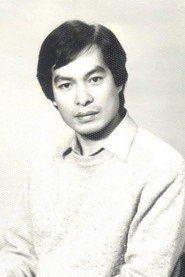 Đặng Lưu Việt BảoDuyên’s husband
 Trịnh PhongTuấn, Duyên's child
 Hoàng YếnMs. Hiến
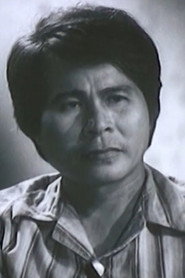 Hoàng LongThe son-in-law
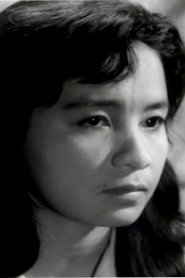 Thúy VinhThe daughter
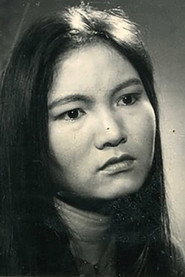 Thanh ThủyThe daughter-in-law
Directing
- Dang Nhat MinhDirector
Writing
- Dang Nhat MinhWriter