
Film
Invisible Life
A Brazilian period drama about two sisters whose lives diverge dramatically when family secrets and social convention tear them apart. Told across decades, it's a film about invisible suffering—the inner lives we're forced to hide, the paths not taken, the love that persists even across separation. Heartbreaking but never maudlin.
If you liked this
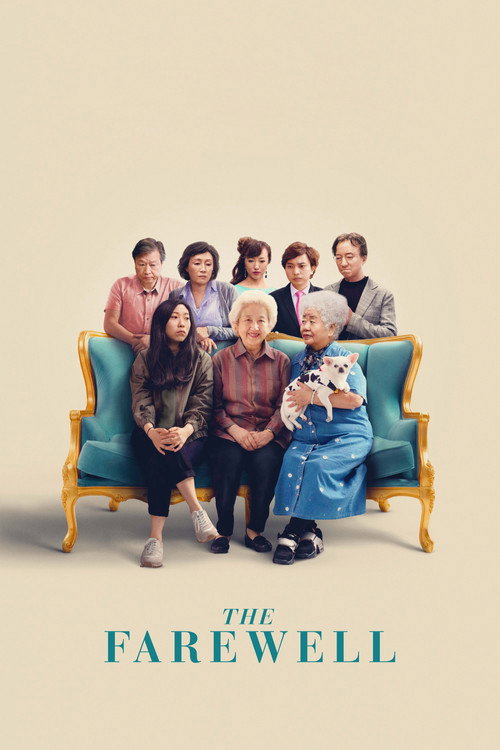
The Farewell2019
A similarly intimate portrait of how family obligation can hollow out a life, told with grace and wry humour. Awkwafina's performance reveals depths beneath the surface, much like Duarte's here.
But The emotional restraint might feel cold at first; the film doesn't announce its feeling. Some find the pacing deliberate to the point of sluggish.
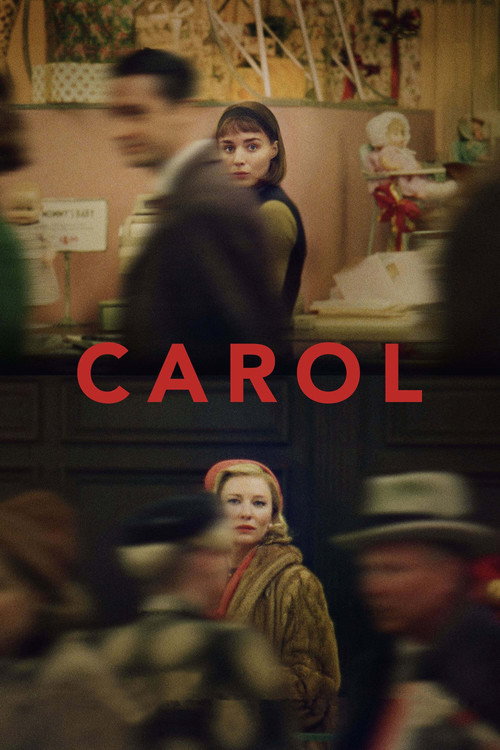
Carol2015
Todd Haynes explores forbidden love and social imprisonment through a 1950s mise-en-scène. Like Invisible Life, it asks what we sacrifice for respectability and family stability.
But The pacing is glacial, the emotional beats subtle. If you need plot momentum or catharsis, you'll find the restraint maddening.
Thelma & Louise1991
Two women whose lives have been constrained by circumstance and expectation find liberation—or a reckoning with it. The film's energy is completely different, but the core question about female agency connects.
But It's a 1990s action film with a specific ideology about freedom that doesn't land for everyone. The ending polarizes viewers.

Not sure tonight? Get a pick in a minute, starting from Invisible Life
The wildcard
Something you would not have found on your own.
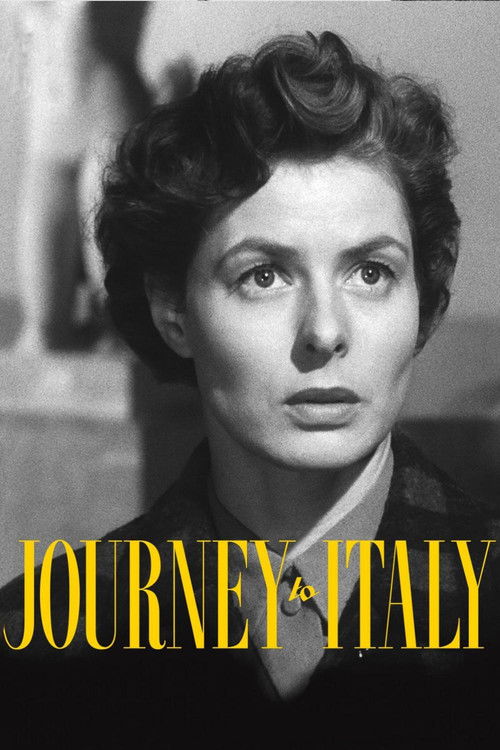
Journey to Italy1954
Both films understand that the deepest fractures happen in silence, and that proximity to someone can be the loneliest condition of all.
Rossellini's masterpiece follows a married couple's slow emotional deterioration as they travel. Made decades before Invisible Life, it pioneered cinema's ability to depict interior distance and unspoken anguish between people who love each other.
But It's glacially paced; nothing dramatic happens. The neorealist aesthetic can feel undressed compared to modern filmmaking. Patience is non-negotiable.
More like this (5)
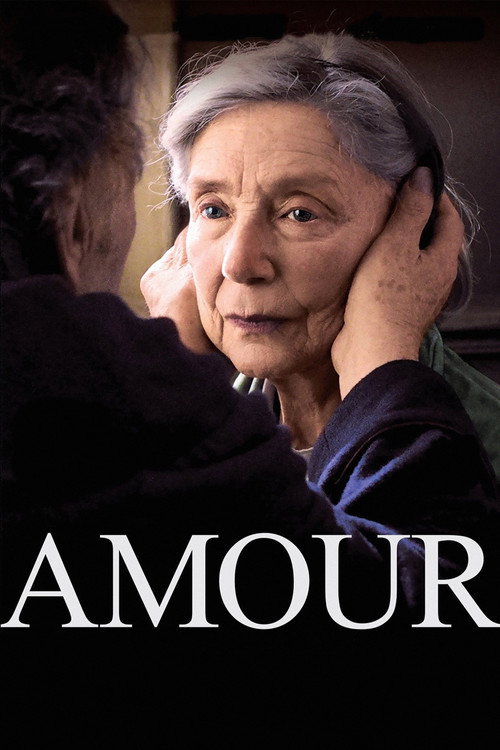
Amour2012
Haneke's portrait of a long marriage deteriorating is similarly unflinching about time's erasure. Both films refuse sentimentality in the face of loss.
But It's austere and sometimes clinical. If you're grieving, it might wound rather than comfort. Not a film for an evening when you need gentleness.
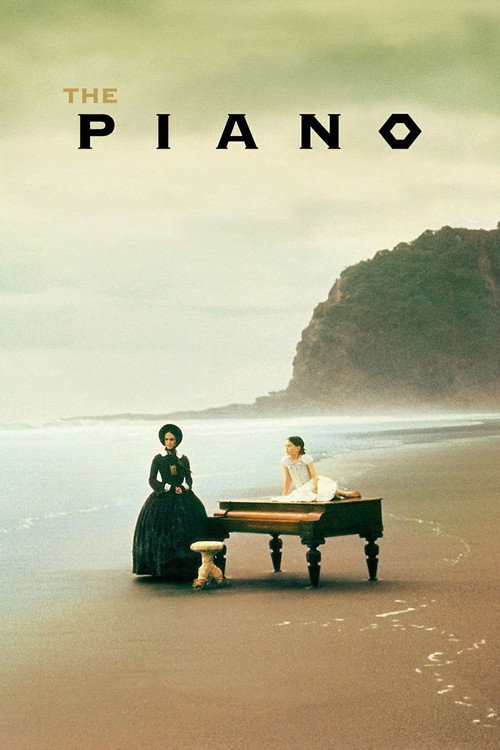
The Piano1993
A woman's artistic gift and forbidden passion collide with colonial society's demands. Like Invisible Life, it's about art as a language when speech is denied.
But The sexual content and violence are deliberate and central. Some find the tone uneven between sensuality and brutality.
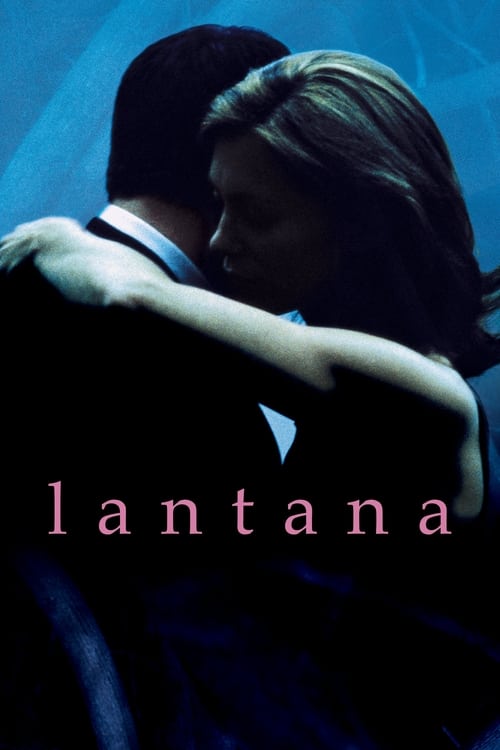
Lantana2001
An Australian drama about hidden lives within relationships and families. It shares Invisible Life's structure of revelation and its understanding of how secrets metastasize.
But It's an ensemble piece that can feel scattered. Some storylines resolve more satisfyingly than others, which creates an uneven emotional arc.
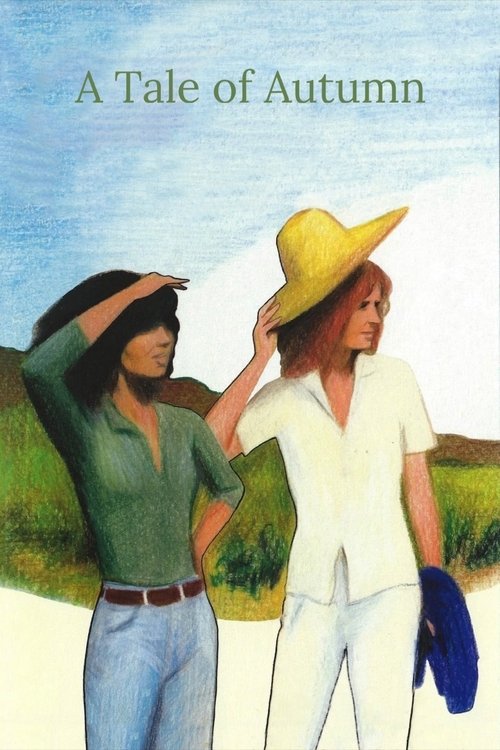
An Autumn Tale1998
Éric Rohmer's final film is quiet and philosophical about missed connections and the life you didn't live. It has Invisible Life's elegiac tone about roads not taken.
But It's a conversation-heavy film where nothing much happens externally. If you prefer plot, it will feel like watching people talk endlessly.
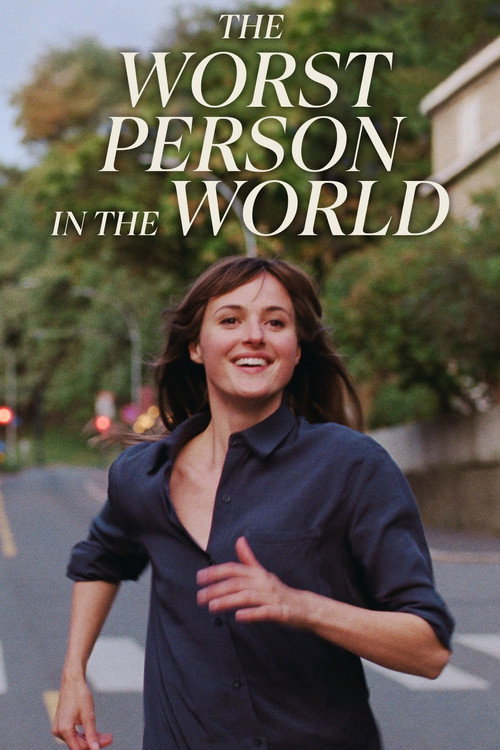
The Worst Person in the World2021
A Norwegian film about a woman's search for meaning and connection across years. It combines formal playfulness with genuine pathos about identity and belonging.
But It's long, digressive, and unevenly toned. The comedy sometimes jars against the sadness. Some find it self-indulgent.
People
Cast
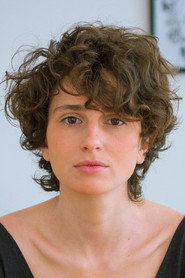 Carol DuarteEurídice Gusmão
 Julia StocklerGuida Gusmão
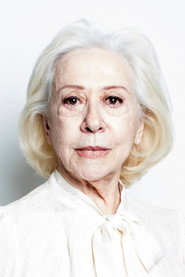 Fernanda MontenegroOlder Eurídice Gusmão
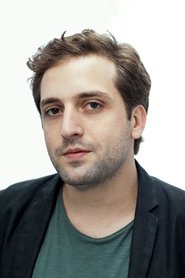 Gregório DuvivierAntenor
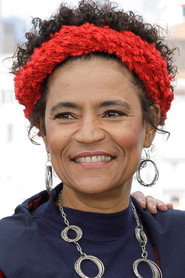 Bárbara SantosFilomena

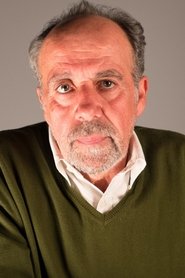 António FonsecaManoel
 Maria ManoellaZélia
 Cristina PereiraCecília
 Nikolas AntunesIorgus
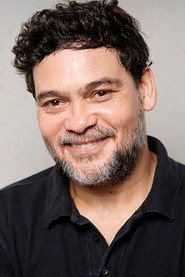 Cláudio GabrielTonico
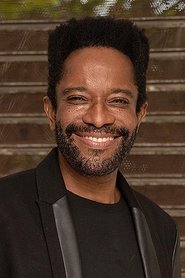 Flávio BauraquiDetective Macedo
Directing
- Nina KopkoAssistant Director
- Karim AïnouzDirector
Writing
- Martha BatalhaNovel
- Inés BortagarayScreenplay
- Karim AïnouzScreenplay
- Murilo HauserScreenplay
Production
- Michel MerktAssociate Producer
- Michael WeberCo-Producer
- Viola FügenCo-Producer
- Camilo CavalcantiExecutive Producer
- Cécile Tollu-PolonowskiExecutive Producer
- Mariana CoelhoExecutive Producer
- Vivi MendonçaExecutive Producer
- Rodrigo TeixeiraProducer