
Film
Beau Pere
A French drama of deliberately uncomfortable intimacy: a widower and his stepdaughter navigate the sudden absence of the woman who connected them, and what fills that void. Bertrand Blier's film watches desire emerge where it shouldn't, neither condemning nor romanticizing. It's unsettling, occasionally funny, made for viewers unafraid of moral ambiguity and European frankness about sex and family.
If you liked this
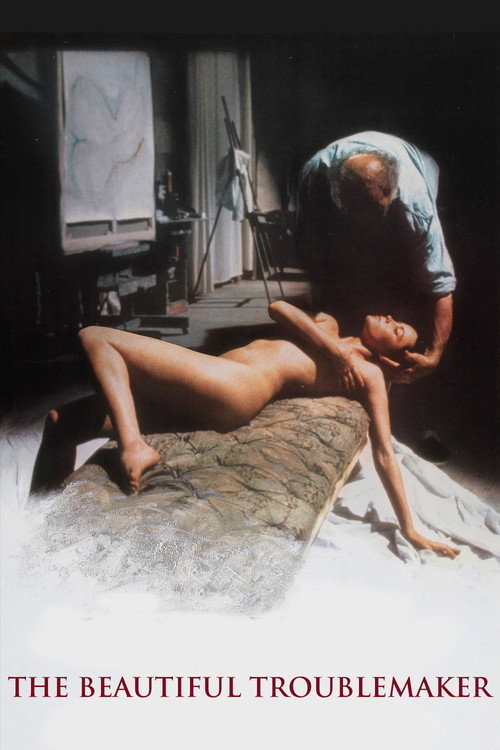
La Belle Noiseuse1991
Deneuve and Michel play a couple whose marriage fractures around obsession and creation. Like Beau Père, it's intimate chamber drama about desire and power, gorgeously shot, asking uncomfortable questions about who we become for love.
But Mostly set in one room. Long stretches have almost no dialogue. The pacing will feel slow if you want momentum or resolution.
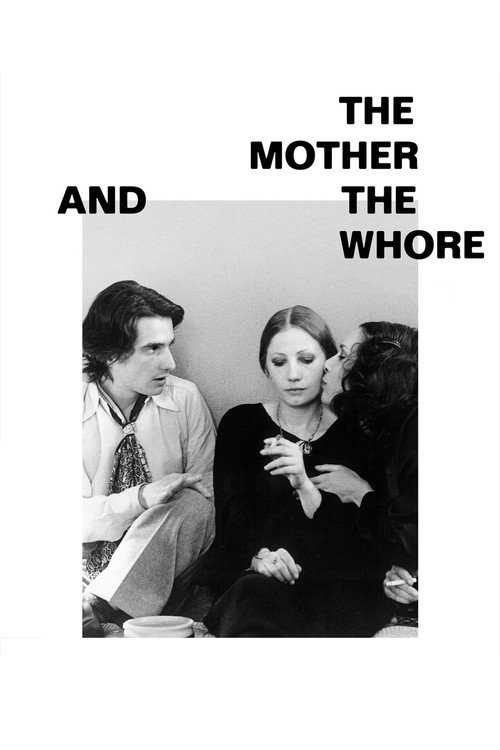
The Mother and the Whore1973
Eustache's three-hour Paris rhapsody: a man between two women, all articulate, all trapped in their own desire. Talky, erotic, about the failure of words to fix anything. The definitive French cinema meditation on seduction and regret.
But Glacially paced. Three hours of conversation about feelings, no plot. If you need forward momentum, this will feel like punishment.
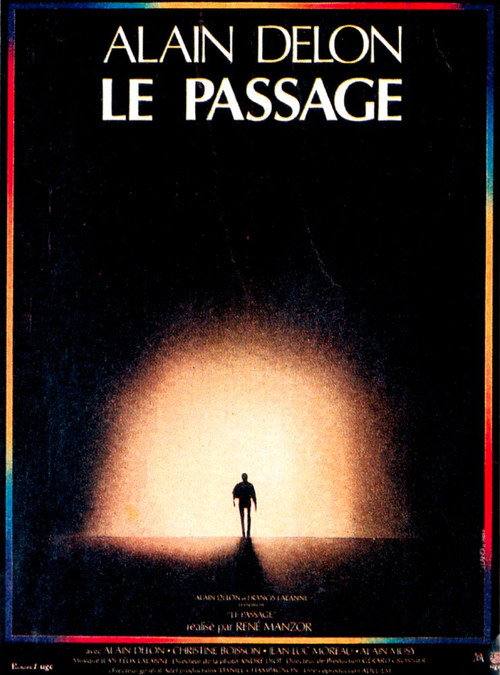
The Passage1986
Delon and Cotillard navigate desire and danger in an ambiguous setup. Erotic thriller about crossing lines you can't uncross. That same French willingness to show attraction as morally neutral and terrifying.
But Melodramatic in places. The twist doesn't land for everyone. Some scenes feel designed to provoke rather than illuminate.
Not sure tonight? Get a pick in a minute, starting from Beau Pere
The wildcard
Something you would not have found on your own.
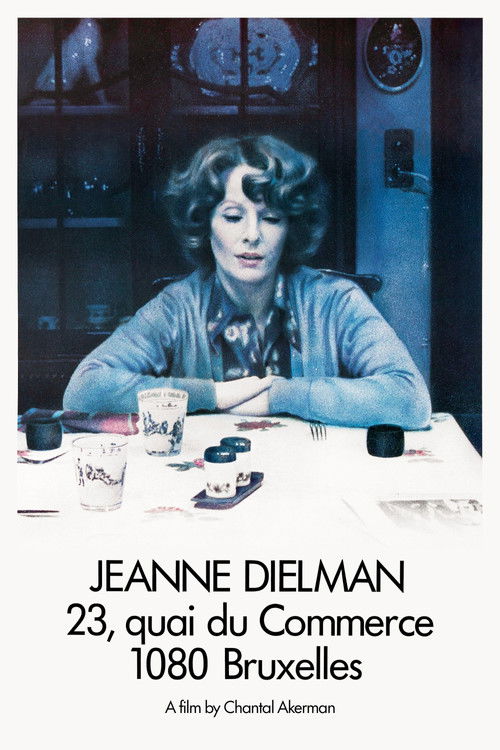
Jeanne Dielman, 23, quai du Commerce, 1080 Bruxelles1976
Both films reject the comfort of conventional narrative to watch uncomfortable intimacy unfold. But where Blier dramatizes seduction, Akerman refuses spectacle entirely—she makes you witness the everyday life that attracts no gaze, the labour that precedes desire.
Chantal Akerman's three-hour study of a woman's routine: cooking, cleaning, and one hidden act. It seems static until it isn't. Steely examination of what women do behind closed doors, what men expect, what breaks. The anti-narrative antidote to Beau Père's seduction plot—instead, the camera simply watches, and that watching becomes devastating.
But Almost plotless. Repetitive by design. If you need dialogue or dramatic incident, you will find this excruciatingly slow. It's an endurance test that will lose 90% of viewers in the first thirty minutes.
More like this (4)
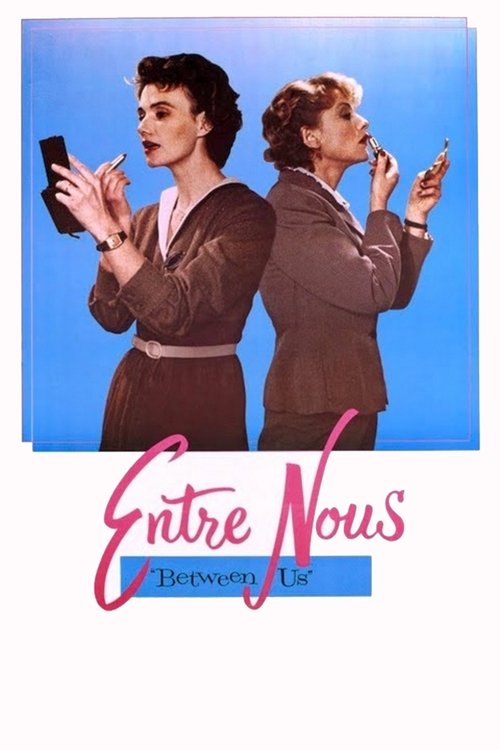
Entre Nous1983
Miou-Miou and Beart as women discovering love where they didn't expect it. Not about transgression but about recognition. Warm, funny, sexually honest. What happens when desire rewrites your life.
But The opposite register from Beau Père—it's ultimately about finding the right person, not being trapped with them. If you want darkness, this ain't it.
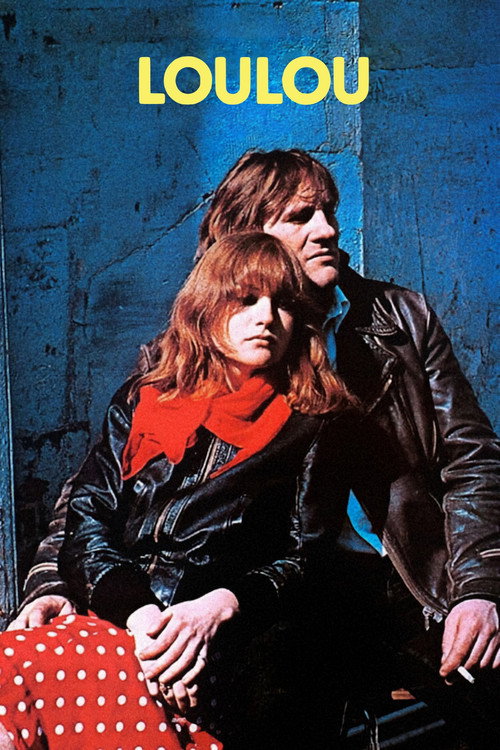
Loulou1980
Isabelle Huppert between safety and chaos, choosing danger. Desire as destabilization. Pialat watches attraction corrode a life without flinching. Raw, sexual, unflinching about what we want versus what we should want.
But Nihilistic. No one earns redemption. The ending is bleak. Beautiful but punishing.
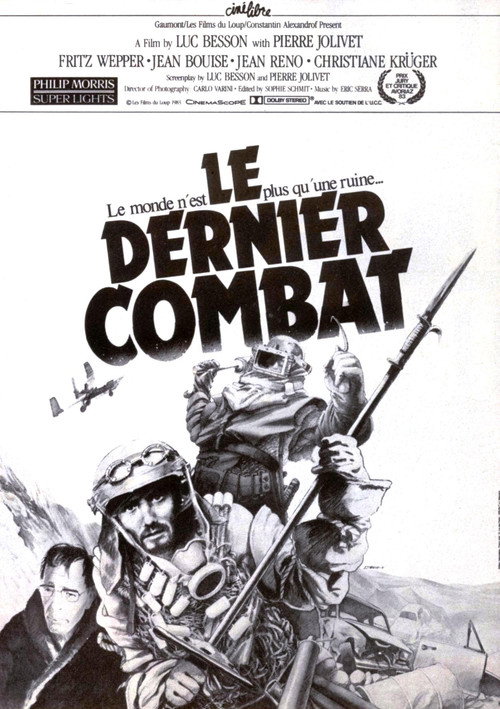
The Last Battle1983
Both films remove the safety of social convention—one through transgression, one through apocalypse—and ask what remains between two people. Both prioritize image and sensation over explanation.
Jeunet and Caro's debut: a silent, post-apocalyptic fever dream where a man and woman navigate a ruined world. Visually intoxicating, erotically charged beneath the rubble. It's about bodies and survival when language fails. Desire as communication when words are gone.
But No dialogue. Surreal, sometimes incoherent. Looks like a madman's doodle. If you want plot or dialogue or any anchor in reality, this will feel like punishment disguised as art.
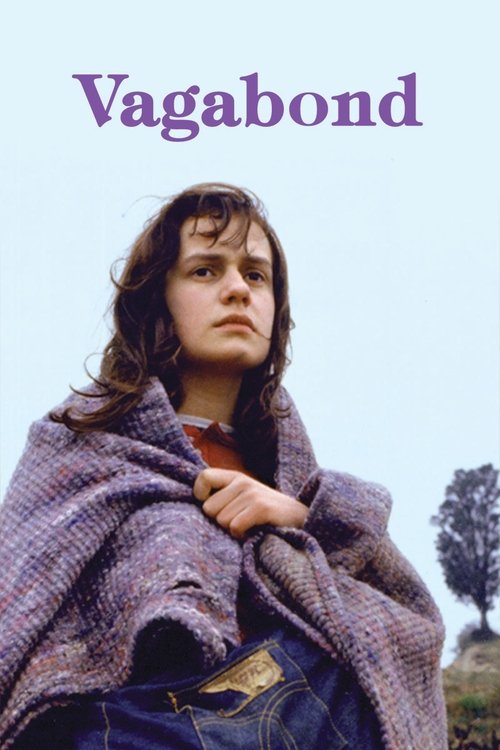
Vagabond1985
Both examine lives trapped between obligation and freedom, but Varda's woman chooses flight while Blier's characters choose stasis. Both refuse to sentimentalize: this is how people survive, or don't.
Agnès Varda's portrait of a drifting young woman. Not a redemption arc, just a life in motion, told in fragments, through the eyes of people she touches briefly. Sparse, attentive, devastating. About desire and indifference, connection and refusal. The inverse of Beau Père: a woman who will not stay.
But Elliptical. You piece together a tragedy from scattered encounters. Varda doesn't explain or judge, which some read as withholding. The tone is deliberately cool; there is no warmth here, only observation.
People
Cast
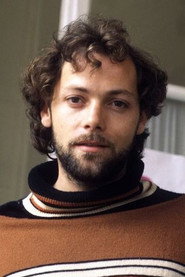 Patrick DewaereRémi
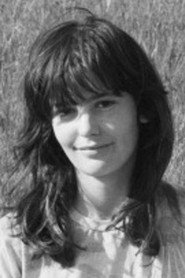 Ariel BesseMarion
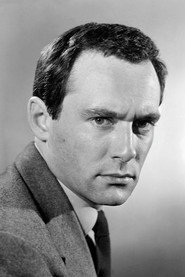 Maurice RonetCharly
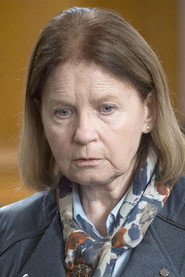 Geneviève MnichSimone
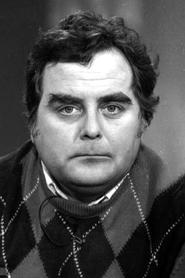 Maurice RischNicolas
 Nathalie BayeCharlotte
 Nicole GarciaMartine
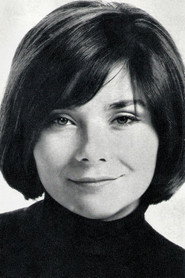 Macha Mérilla Maîtresse de maison
- Yves GascMonsieur Doulens
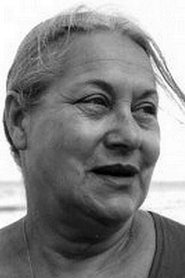 Rose ThiéryMadame Doullens
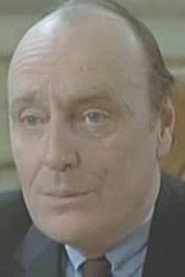 Pierre Le Rumeurle pédiâtre
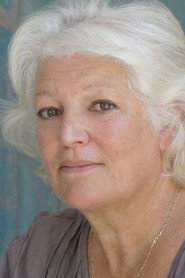 Catherine Alcoverle médecin S.O.S.
Directing
- Bertrand BlierDirector
Writing
- Bertrand BlierNovel
- Bertrand BlierScreenplay
Production
- Alain SardeProducer