
Film
The Last Battle
- Post-apocalyptic
- Very dark
A 1983 French sci-fi film where civilization has collapsed and most humans have lost the ability to speak. A lone wanderer navigates a hostile, wordless wasteland filled with brutality and decay. It's a visual storytelling masterpiece—bleak, occasionally absurd, genuinely unsettling. For viewers who love atmosphere over plot and can sit with discomfort.
If you liked this
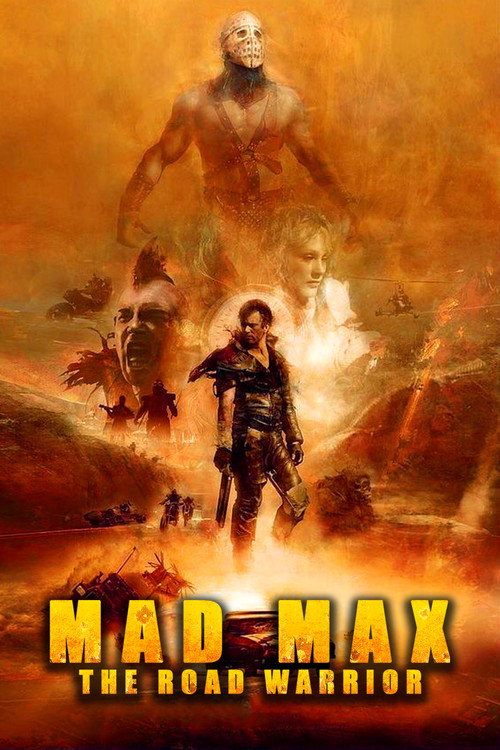
Mad Max 21981
Post-apocalyptic action with visual storytelling that prioritizes mood and imagery over dialogue. A wasteland ruled by tribal violence and scavenged technology. Lean, propulsive, mythic.
But Heavy on action sequences; if you want quieter, stranger sci-fi, this swings toward adventure rather than dread.
Stalker1979
Soviet sci-fi that builds atmosphere through long takes and silence. A guide leads a man through a mysterious zone toward a room that grants wishes. Hypnotic, philosophical, completely its own thing.
But Paced deliberately slow. Not much happens in plot terms. Demands patience and contemplation from the viewer.

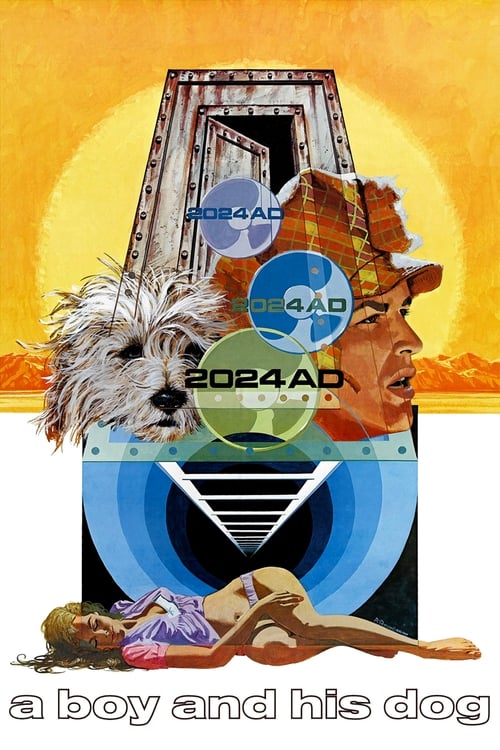
A Boy and His Dog1975
Post-apocalyptic survival story with moral complexity and unsettling choices. Darkly funny in places, genuinely disturbing in others. Harlan Ellison adaptation that refuses easy sentiment.
But The tone is odd and sometimes jarring. Sexual violence features prominently. Not a comfortable watch, by design.
Not sure tonight? Get a pick in a minute, starting from The Last Battle
The wildcard
Something you would not have found on your own.
Come and See1985
Both use minimal dialogue and show civilization not as abstract collapse but as witnessed, embodied destruction. Both refuse to soften their vision for comfort.
Elem Klimov's Belarusian war film is apocalyptic in a different register—not sci-fi but equally devastating. A boy witnesses the systematic destruction of his village and culture. Visual storytelling at its most brutal and necessary.
But This is about real historical atrocity, not speculative fiction. Graphic violence, child suffering, and genocide. One of cinema's most difficult and powerful films. Not for escape.

More like this (8)
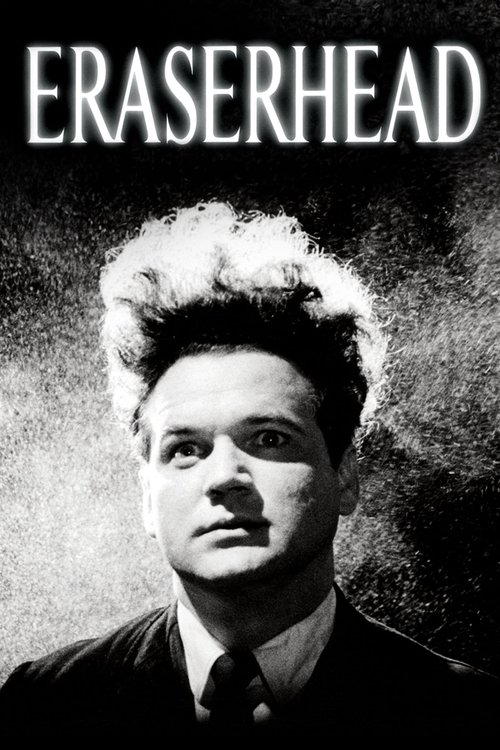
Eraserhead1977
Surreal black-and-white nightmare about isolation and decay. Wordless stretches; industrial sound design that becomes a character itself. David Lynch at his most uncompromising and visionary.
But Deliberately grotesque and nightmarish. No plot in the traditional sense. Some find it impenetrable rather than profound.
Possession1981
Andrzej Żuławski's baroque, operatic collapse of a relationship in a strange Berlin. Visceral, genuinely disturbing, scored by a composer who understood desperation. Unforgettable.
But The pacing is chaotic and exhausting by design. The film mirrors psychological breakdown rather than smoothing it. Not cathartic; often agonizing.

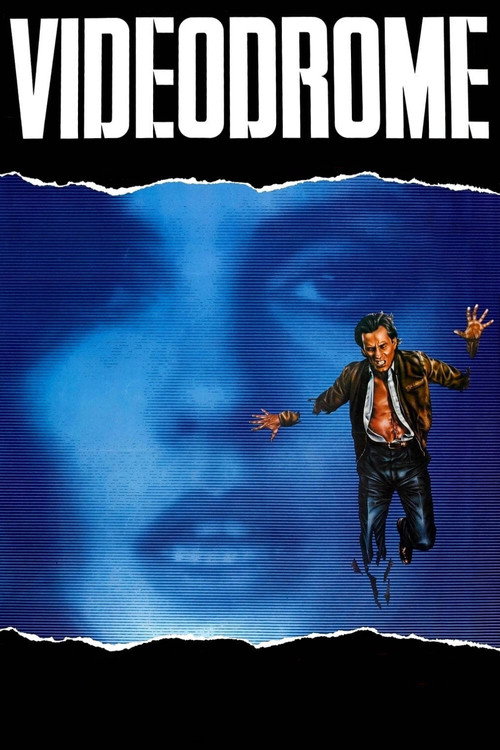
Videodrome1983
Cronenberg's hallucinatory meditation on technology, violence, and reality fracturing. Body horror as metaphor. James Woods descending into a nightmare he can't distinguish from waking life.
But Graphic practical effects of mutation and bodily violation. The plot becomes intentionally incoherent as the protagonist loses grip on reality.
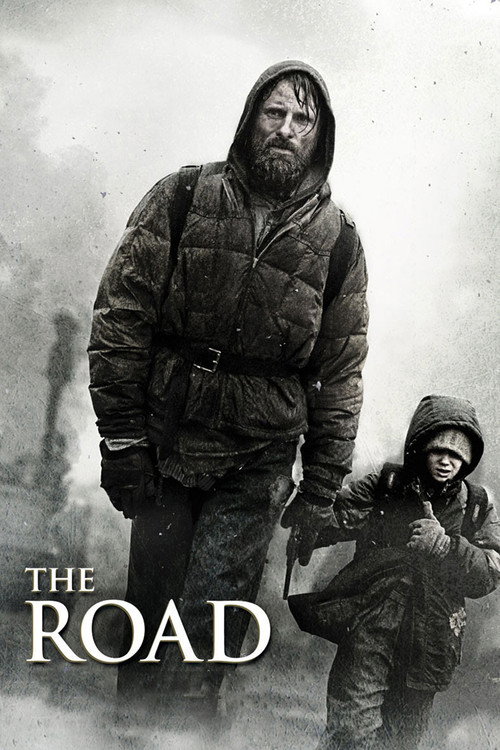
The Road2009
McCarthy's bleak post-apocalyptic novel adapted with restraint and grace. A father and son trudging through ash-covered wasteland. Quiet, humane, devastating. Viggo Mortensen at his most vulnerable.
But Relentlessly bleak with no catharsis or uplift. The tone is elegiac and grief-stricken. Some find the emotional weight exhausting rather than moving.
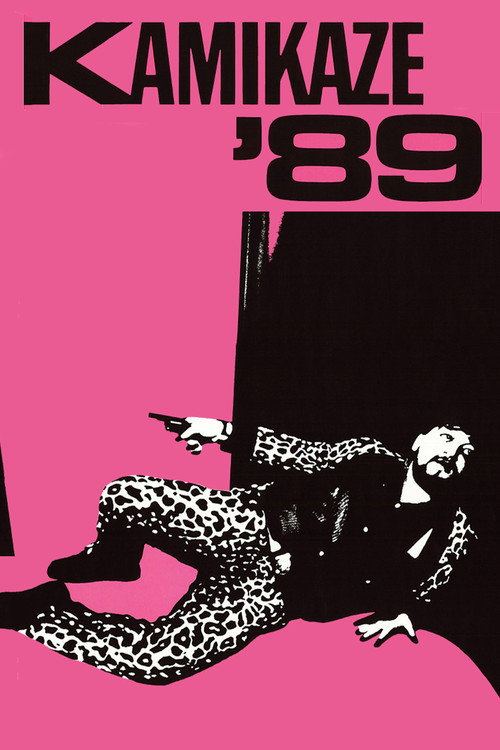
Kamikaze '891982
German sci-fi noir set in a surveillance state. A cop investigates a terrorist threat in a dystopia. Deliberately artificial set design, deadpan humor, prescient about control and paranoia.
But The plot is intentionally convoluted and hard to follow. Tone shifts between noir pastiche and surrealism. Some will find it too cryptic.
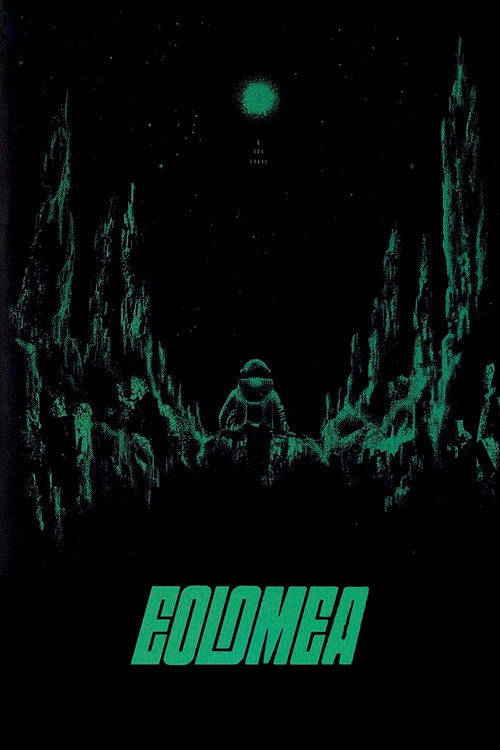
Eolomea1972
Hungarian sci-fi about humans on an alien planet learning to communicate with an incomprehensible intelligence. Strange, meditative, shot with patient curiosity. Pure worldbuilding without easy answers.
But Obscure and rarely discussed. Very slow. No conventional narrative arc or character development in Western terms.
A Ghost Story2017
Both explore isolation and wordlessness as a state of existence. Both use visual language to examine what remains when human connection fails. Both are formally strange in service of their ideas.
A ghost in a white sheet watches time pass in his haunted house. Experimental, formally inventive, about loss and the persistence of human markers in an indifferent cosmos. Quietly devastating.
But The pacing is glacial. Long sequences of the ghost simply watching. The tone is melancholic and contemplative, not active. Some will find it pretentious.

The Holy Mountain1973
Both reject dialogue-driven narrative for visual and symbolic storytelling. Both create hermetic worlds with their own logic. Both refuse to explain themselves to the audience.
Jodorowsky's surrealist masterpiece follows a spiritual seeker and a collection of symbolic figures climbing a mountain. Surreal, gorgeous, grotesque, bewildering. Pure cinema without conventional narrative logic.
But No plot. Heavy symbolism open to infinite interpretation. Deeply weird, sometimes gross, sometimes pretentious. You may feel you're watching someone else's fever dream.

People
Cast
 Pierre JolivetThe Man
 Jean BouiseThe Doctor
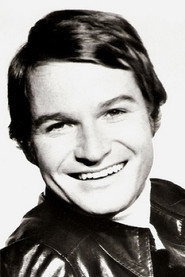 Fritz WepperCaptain
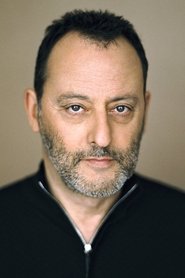 Jean RenoThe Brute
 Christiane KrügerCaptain's Concubine
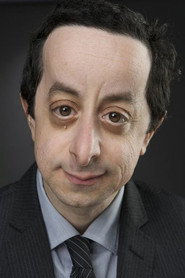 Maurice LamyDwarf
- Pierre CarriveCaptain's Man
- Jean-Michel CastaniéCaptain's Man
- Michel DosetCaptain's Man
- Bernard HavetCaptain's Man
- Marcel BerthomierCaptain's Man
- Petra MüllerWoman in the Cell
Directing
- Luc BessonDirector
- Patrick AlessandrinFirst Assistant Director
Writing
- Luc BessonWriter
- Pierre JolivetWriter
Production
- Konstantin AleksandrovExecutive Producer
- Luc BessonProducer
- Pierre JolivetProducer