
Film
Kamikaze '89
Fassbinder's only sci-fi film is a bleakly funny surveillance-state thriller dressed in neon and paranoia. A burnt-out cop investigates bombings in a totalitarian future and discovers the system he serves is the real conspiracy. Deliberately artificial, formally audacious, and utterly uninterested in reassuring you.
Should you watch it?
Watch it if you relish paranoid near-future thrillers where the dread lives in sterile offices and a media machine that never blinks, and you like films that feel like a closed room.
Skip it if you need brisk action or a warm hero to root for, because the mood stays chilly and the pacing is deliberate enough to test patience across its running time.
What it asks of you: Expect a patient, grey-toned watch of about an hour and three-quarters, where attention pays off in layered suspicion rather than fast reveals; it rewards stillness more than momentum.
Not sure? Find tonight's pick in a minute.
If you liked this
Blade Runner1982
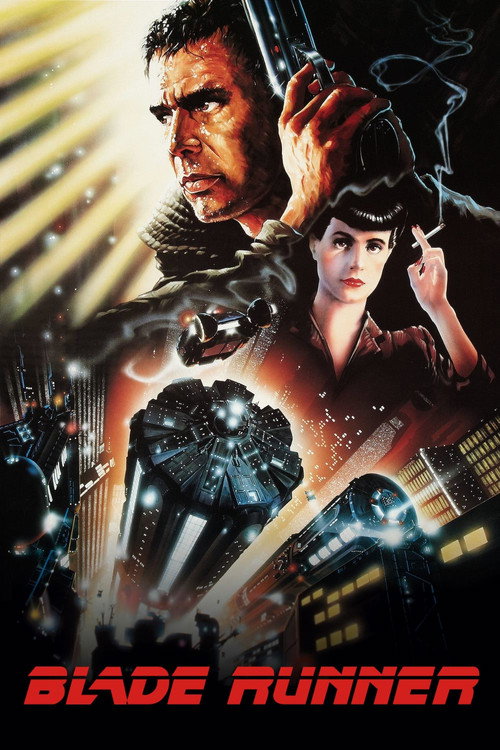
A visually stunning noir about identity and humanity in a dystopian future. Ridley Scott creates a fully lived world where every frame is gorgeous and purposeful. Essential sci-fi that asks what it means to be real.
But Deliberately paced and ambiguous—it refuses to give you easy answers or a comforting resolution. Some find it glacially slow.
Network1976
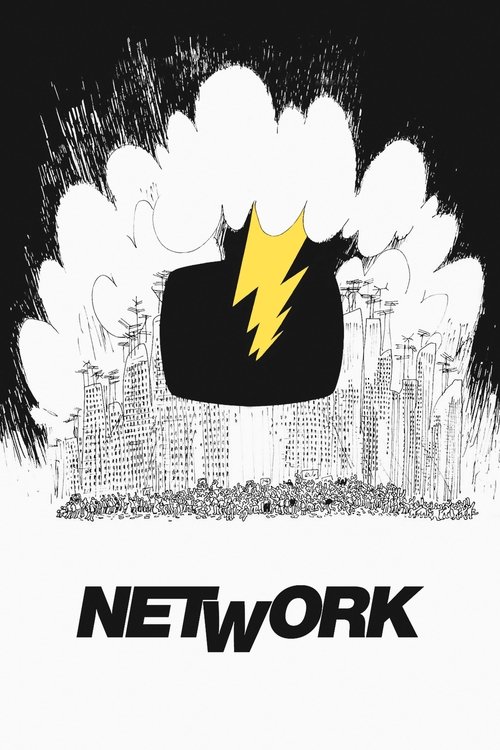
Sidney Lumet's savage satire about media control and truth. Network is brilliantly scripted, wickedly funny, and disturbingly prescient about how power manipulates information. Every scene crackles with ideas.
But It's a polemic dressed as entertainment. The anger is relentless and can feel exhausting if you're not in the mood for sustained outrage.
The Lives of Others2006
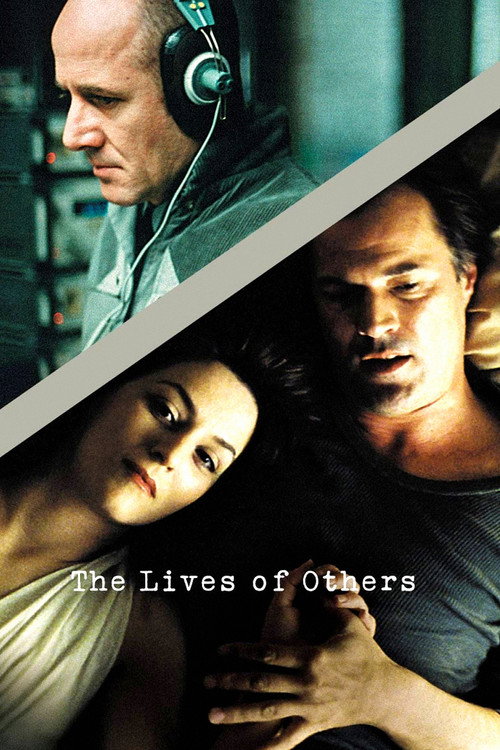
A Stasi spy discovers his humanity while surveilling a playwright in East Berlin. Precise, morally complex, and genuinely moving. The slow awakening of conscience is handled with remarkable subtlety and power.
But It's a solemn film about oppression and guilt. There's very little lightness, and the pacing asks patience. Some may find it heavy-handed in its metaphors.
Not sure tonight? Get a pick in a minute, starting from Kamikaze '89
The wildcard
Something you would not have found on your own.
The Third Man1949
Both are procedural thrillers about investigators discovering that the state itself is the real threat. Both use divided cities and surveillance as visual metaphor for moral corruption. Both trust the audience to understand that the system cannot be trusted.
Carol Reed's post-war Vienna noir about a writer investigating his friend's mysterious death in a divided city. Visually revolutionary (Dutch angles, zither score), morally complex, and genuinely gripping. The template for every spy thriller that followed.
But It's a 1949 film—slower pacing, different sensibilities. The ideological concerns are historical; it requires patience with its own era's rhythms.

More like this (8)
Videodrome1983
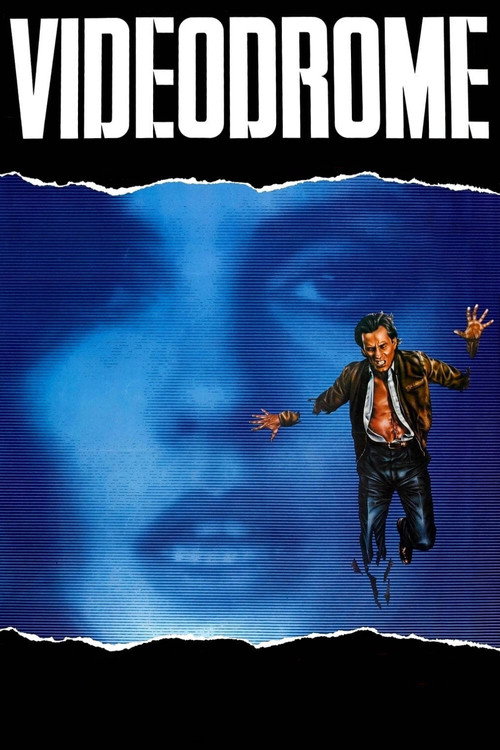
Cronenberg's hallucinogenic nightmare about media consumption and reality fracture. Defiantly weird, visually inventive, and deeply unsettling. A film that trusts you to feel lost and confused.
But It's deliberately incoherent and transgressive. Body horror, sexual imagery, and relentless unease may repel you. Some dialogue is risible by accident.
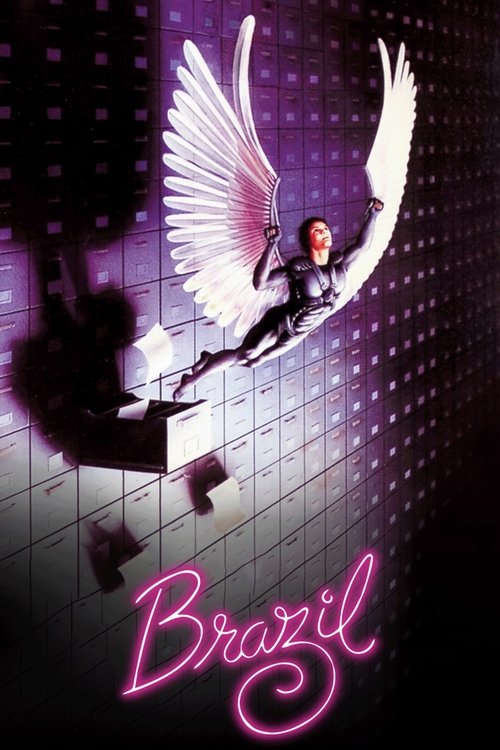
Brazil1985
Terry Gilliam's baroque dystopia about a low-level bureaucrat caught in a totalitarian maze. Visually extravagant, wildly inventive, and darkly hilarious. A film that builds its own logic and dares you to keep up.
But It's chaotic and deliberately hard to follow. The visual excess can overwhelm the story. Gilliam's tendency toward whimsy sometimes undercuts the dread.
Stalker1979
Tarkovsky's meditative sci-fi about a guide leading two men through a mysterious zone toward a room that grants wishes. Hypnotic, philosophical, visually stunning. A masterpiece about desire and meaning.
But It's genuinely slow—163 minutes of contemplative long takes. If you need plot momentum or conventional narrative, this will test your patience severely.

Synecdoche, New York2008
Kaufman's dizzyingly ambitious film about a theater director building a replica of New York inside a warehouse. Formally daring, emotionally raw, and endlessly inventive. A film about art, mortality, and self-delusion.
But It's deliberately confusing and frustratingly resistant to interpretation. The narrative spirals; some find it pretentious or indulgent rather than profound.

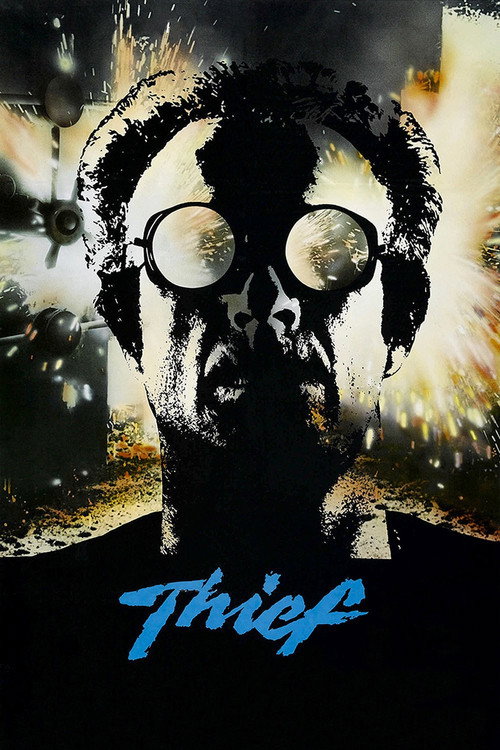
Thief1981
Michael Mann's sleek, cool thriller about a master thief navigating Chicago's criminal underworld. Gorgeous neon-soaked cinematography, a tense plot, and real emotional stakes. Mann at his most stylish and effective.
But The characters are emotionally guarded and distant. If you need warm human connection or dialogue-driven drama, the cool distance may feel alienating.
Possession1981
Andrzej Żuławski's deranged, visceral breakdown of a marriage set against Cold War Berlin. Intense performances, wildly inventive imagery, and genuine disturbing power. Uncompromising and unforgettable.
But It's chaotic, extremely violent, and frequently incomprehensible. The acting is deliberately unhinged. Many will find it exhausting or simply too much.

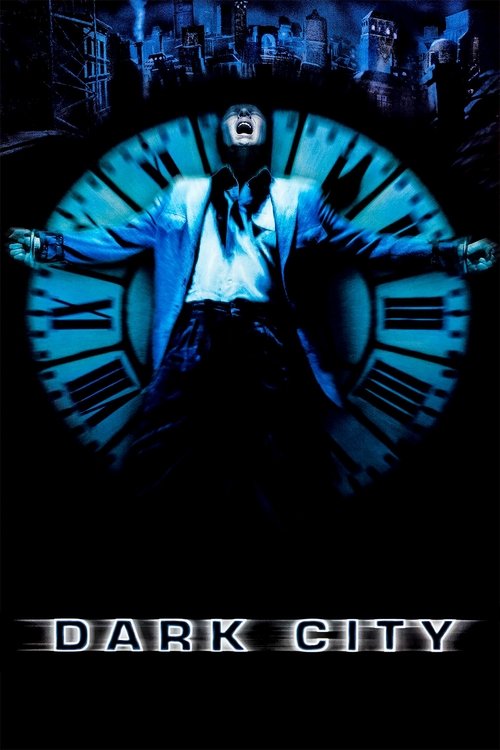
Dark City1998
Both are formally stylized sci-fi thrillers about a cop-figure discovering that the ordered world around him is a carefully constructed lie designed by hidden powers. Both use artificial production design as metaphor for social control.
Alex Proyas creates a perpetual noir metropolis where memories are false and reality is rewritten nightly. Visually audacious, genuinely eerie, and philosophically ambitious. A film about agency in a world designed to control you.
But The plot can feel needlessly convoluted. The exposition is clunky. Some prefer Proyas' visual ambition over his narrative clarity.
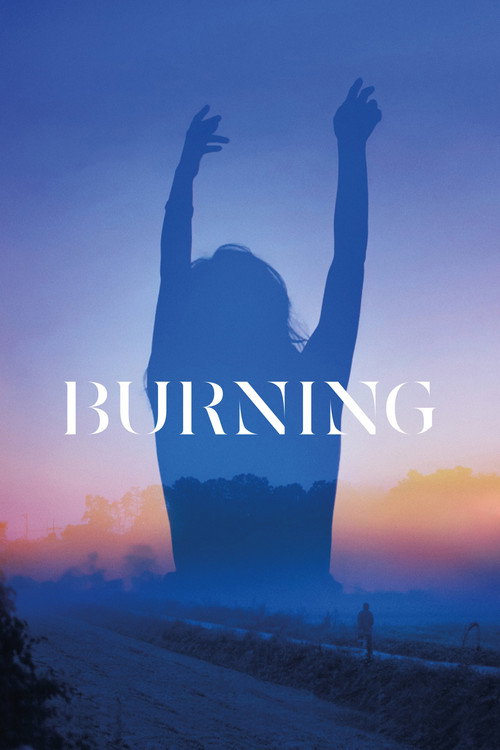
Burning2018
Both distrust authority and surfaces. Both use style and formal rigor to suggest that what you see is not what's real. Both leave you uncertain, paranoid, and unsure whom to believe—because that uncertainty is the point.
Lee Chang-dong's oblique, hypnotic adaptation of Murakami about a writer, a woman, and a rich man—and what might be murder. Masterfully ambiguous, formally precise, and quietly devastating. A slow-burn about class, desire, and hidden violence.
But It's 148 minutes of deliberately vague storytelling with no payoff. The plot barely moves. If you need clear answers or straightforward narrative, this will infuriate you.
People
Cast
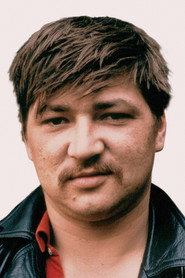 Rainer Werner FassbinderPolice Lieutenant Jansen
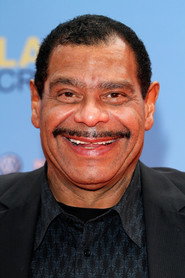 Günther KaufmannAnton
- Boy GobertCEO
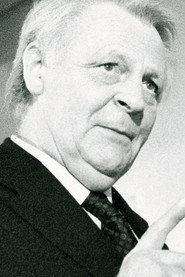 Arnold MarquisPolice President
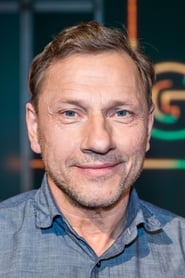 Richy MüllerNephew
 Brigitte MiraPersonnel Director
 Nicole HeestersBarbara
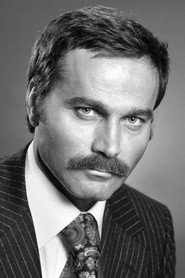 Franco NeroWeiss
- Jörg HolmVice President
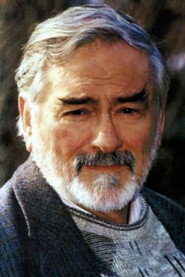 Hans WyprächtigerZerling
- Petra JokischElena Farr
- Andreas MannkopffWechselschichtregisseur
Directing
- Christine KabischAssistant Director
- Karin VieselAssistant Director
- Wolf GremmDirector
- Sybille LudwigScript Supervisor
Writing
- Per WahlööNovel
- Robert KatzScreenplay
- Wolf GremmScreenplay
Production
- Michael LentzCo-Producer
- Michael BöhmeExecutive Producer
- Regina ZieglerProducer
- Christian ZertzProduction Accountant
- Monika ZellmerProduction Accountant
- Marianna BishopProduction Assistant
- Denis ManntzProduction Driver
- Rüdiger LangeProduction Manager
- Monika KüchlerProduction Secretary
- Rainer-Götz OttoPublicist
- Wolfgang BajoratUnit Production Manager
Recommended by
Born in Flames, Inseminoid, The Bad Batch, The Last Battle, The New Barbarians, VICE News Tonight, 2019: After the Fall of New York