
Film
The Passage
Other titles called The Passage: the 2019 series (FOX).
- Dark fantasy
- Strange
A 1986 French-Italian fantasy-horror hybrid where a filmmaker bargains with Death itself after a car crash leaves his son comatose. Surreal and deliberately strange, it treats its high-concept premise with deadpan seriousness. For viewers drawn to 80s European genre cinema that refuses easy categorization—beautiful but genuinely unsettling.
If you liked this
Come and See1985
A punishing war film about childhood destroyed by violence. Like The Passage, it uses fantasy-adjacent filmmaking to show something unbearable. Both are formally ambitious and morally uncompromising.
But Relentlessly bleak and genuinely hard to watch. This is not escapism or catharsis—it's an ordeal.

The Seventh Seal1957
Bergman's Death literally plays chess with a man. The Passage riffs on this exact archetype but warps it through 80s genre cinema and asks different questions about art, sacrifice, and whether resistance matters.
But Slow, philosophical, and deeply Swedish. If you want plot momentum, this will test your patience.

Dekalog1989
Kieślowski's ten-part meditation on morality and choice. Like The Passage, it's interested in how we decide what we owe to others, and uses genre elements to ask spiritual questions without easy answers.
But Each episode is 55 minutes of very deliberate pacing. Demands active thought rather than passive viewing.
Not sure tonight? Get a pick in a minute, starting from The Passage
The wildcard
Something you would not have found on your own.
The Sacrifice1986
Both made in 1986; both trade in the same currency of paternal sacrifice, impossible bargains, and whether creative acts have moral weight.
Tarkovsky's final film, shot the same year as The Passage: a man promises God everything if war is averted, then must follow through. Both films are about a father's promise and what art can or cannot do in the face of doom. The Passage is pulp fable; this is metaphysical tragedy. Both are right.
But 163 minutes in Swedish, shot in long static takes, culminating in an act of destruction. It demands philosophical surrender. The pacing will destroy you or bore you.
More like this (8)
Possession1981
Andrzej Żuławski's fever dream about marriage collapse and body horror. Shares The Passage's commitment to making psychological states tactile and visible, and its refusal to be classifiable as one genre.
But Deliberately, exhaustingly intense. Visceral and weird in ways that alienate as much as they mesmerize.

The Night of the Hunter1955
Charles Laughton's only directorial effort is a nightmare fable about a man protecting children from evil. Visual language and moral clarity married to genuine dread—the same alchemy The Passage attempts.
But From 1955, so stylized it can read as artifice rather than emotion. Pacing is deliberate to the point of glacial.
Stalker1979
Tarkovsky's science-fiction pilgrimage film is obsessed with desire, sacrifice, and what we're willing to do for transcendence. The Passage shares its willingness to move slowly toward metaphysical questions.
But 163 minutes of meditative Russian cinema. Patience is not optional; it's the entire contract.

Uncle Boonmee Who Can Recall His Past Lives2010
Apichatpong Weerasethakul's film about memory, death, and ghosts is unhurried and genuinely eerie. Like The Passage, it treats the supernatural as a location for grief rather than spectacle.
But Thai cinema on its own terms—long takes, minimal plot, no Western narrative structure. Requires surrender.
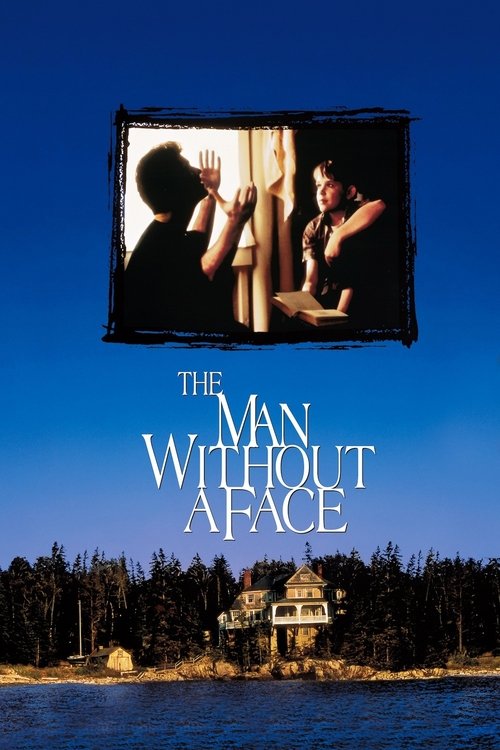
The Man Without a Face1993
Mel Gibson's directorial debut explores trauma, beauty, and the cost of protecting someone. Quieter than The Passage but similarly unafraid of sadness and its refusal of neat resolution.
But A 90s melodrama with a political edge. Some will find it mawkish; the restraint doesn't work for everyone.
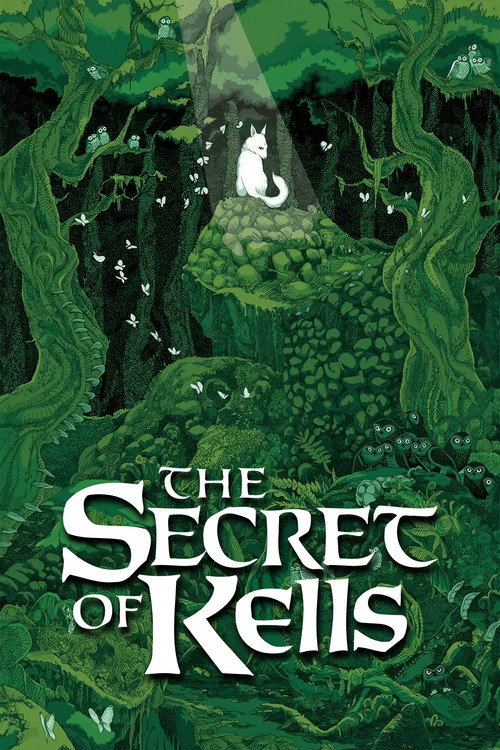
The Secret of Kells2009
Irish animated film about loss and artistic creation. Hand-drawn, gorgeously strange, and genuinely interested in how art might answer violence or grief without solving them.
But Animated and whimsical-looking, but its emotional core is dark. The whimsy can obscure that darkness for some viewers.
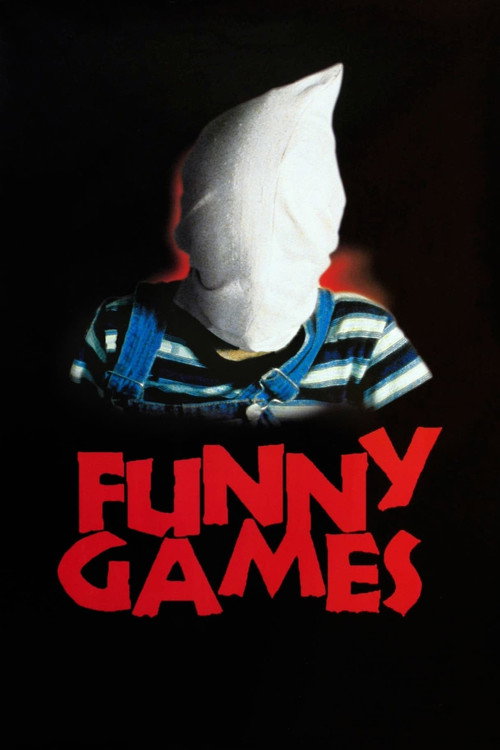
Funny Games1997
Both are 80s/90s European films that interrogate whether making art against violence is resistance or complicity, and both refuse the audience comfort.
Michael Haneke's metafilm weaponizes cinema against the viewer—asking whether watching violence makes you complicit, whether art about atrocity justifies itself. The Passage asks similar questions through fantasy instead of realism. One breaks the fourth wall; both refuse comfortable distance.
But Deliberately punishing. Haneke wants you uncomfortable, and he succeeds. The violence is real and the moral ambiguity is not resolved by the ending.
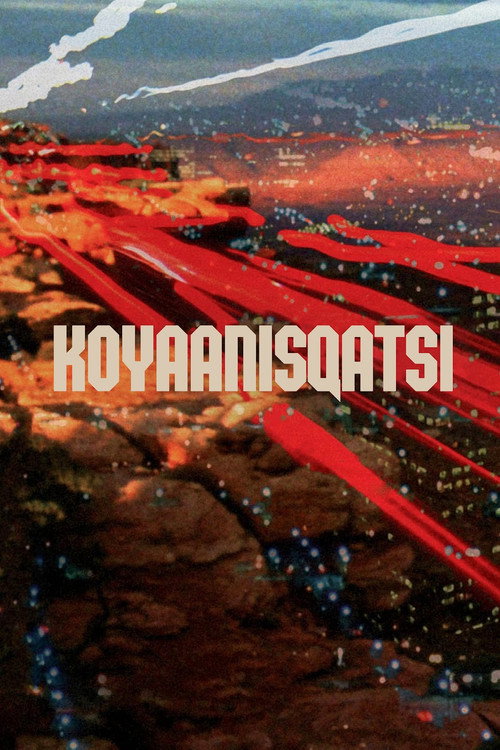
Koyaanisqatsi1983
Both are 80s films that use form itself as argument—they distrust conventional narrative to say what they need to say, so they abandon it.
Godfrey Reggio's visual poem with Philip Glass score—no dialogue, only image and sound meditation on technology, time, and collapse. The Passage is narrative, this is pure cinema, but both use formal strangeness to ask whether art can warn or only witness.
But 87 minutes of experimental non-narrative film. No plot, no characters, hypnotic repetition. If you need story, you will find this insufferable.
People
Cast
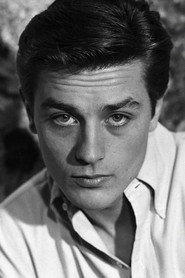 Alain DelonJean Diaz
 Christine BoissonCatherine Diaz
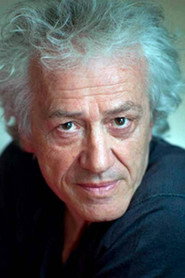 Jean-Luc MoreauPatrick
- Alain LalanneDavid Diaz
- Alberto LomeoLe chirurgien
- Salvatore NicosiaL'assistant-chirurgien
- Jean LevasseurL'anesthésiste
- Sylvie MonierUne infirmière
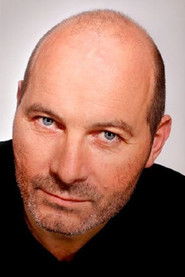 Christian BrendelBrancardier
 Arielle SémenoffLa maîtresse d'école
- Jacques PisiasLe policier Hôpital
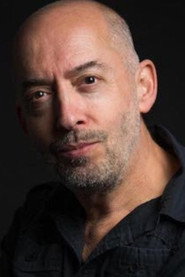 René ManzorLe jounaliste TV
Directing
- René ManzorDirector
Writing
- Alain DelonWriter
- René ManzorWriter
Production
- Alain DelonProducer
- Daniel ChampagnonProducer
- Francis LalanneProducer