
Film
La Belle Noiseuse
- Drama
- Slow-burning
Rivette's four-hour masterpiece is a hypnotic portrait of artistic obsession and the violent intimacy between creator and muse. Michel Piccoli gives one of cinema's greatest performances as an aging painter awakening from dormancy, rediscovering his gift through a young woman's body and presence. It's meditative, sensual, occasionally brutal—a film that moves like paint drying and grips like a fever dream.
Should you watch it?
Watch it if you find the slow, physical business of making a picture as absorbing as the picture itself, and you are happy to watch hands, charcoal and pauses unfold for minutes at a time.
Skip it if you need plot momentum or a story that moves forward, because very little happens here beyond the studio, the sitter and the arguments about what to paint.
What it asks of you: Nearly four hours at a deliberate pace, with long stretches of silent concentration and real patience for process; the rewards arrive slowly and on its own terms.
Not sure? Find tonight's pick in a minute.
If you liked this
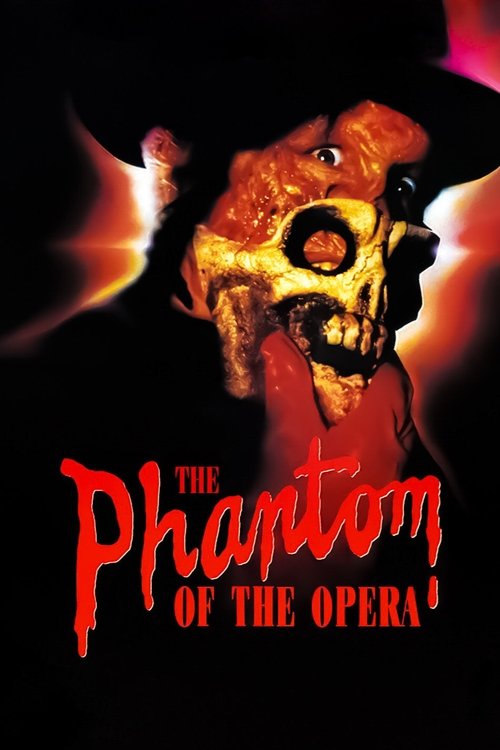
The Phantom of the Opera1989
Dario Argento's final masterpiece is similarly obsessed with artistic genius warped by desire, featuring identical themes of possession disguised as creation. Visually intoxicating and deeply unsettling in ways that linger.
But It's a horror film with plotting that doesn't entirely hold together, and it prioritizes atmosphere and dread over narrative clarity. Some find it glacially paced.
Rififi1955
Jules Dassin's heist noir shares Rivette's patient camera and faith in the viewer's intelligence. Long sequences of careful, detailed work becoming a form of poetry and self-expression.
But There's barely any music and the heist sequence has no dialogue for nearly 30 minutes. If you need constant narrative momentum, this will feel glacial.

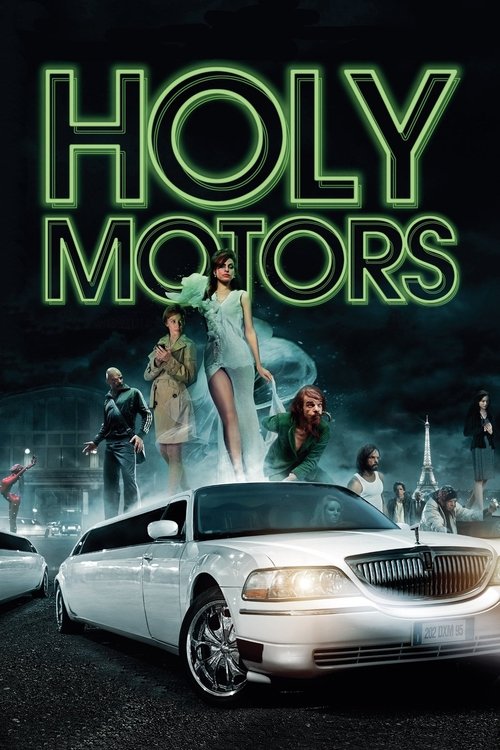
Holy Motors2012
Leos Carax's fever dream about performance and identity as an act of creation. Like Rivette, he trusts that watching someone *work* is enough. Hypnotic and strange in ways that reveal themselves only on reflection.
But It's deliberately fragmented and refuses to explain itself. The tone lurches between registers; some find this exhilarating and others find it incoherent.
Not sure tonight? Get a pick in a minute, starting from La Belle Noiseuse
The wildcard
Something you would not have found on your own.
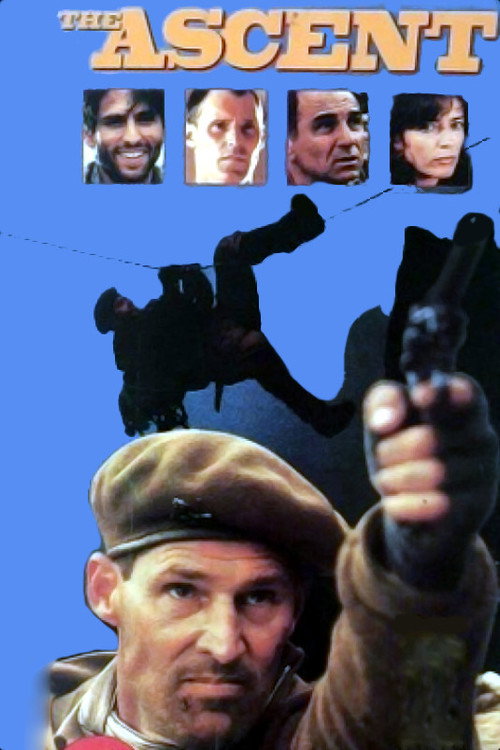
The Ascent1994
Both films sit with the ethics of using a human body as material for artistic vision, but where La Belle Noiseuse romanticizes the process, Imamura documents its cumulative cost.
Shohei Imamura's documentary follows three female nude models over a decade as they age and their bodies change. It's Rivette's exact obsession—the relationship between an artist's gaze and a body used as subject—but from the model's perspective, devastating and unflinching.
But It's explicitly about aging female nudity and the exploitation inherent in the gaze. Some find it exploitative itself; others find it uncomfortably intimate and clinical.
More like this (7)
Stalker1979
Tarkovsky's three-hour meditation on desire and the artist's search for truth through contemplation. Both films ask what drives a person to create or pursue, and both answer with images rather than words.
But It moves at a glacial pace with long takes of empty rooms and corridors. Patience isn't just required; it's tested repeatedly and deliberately.

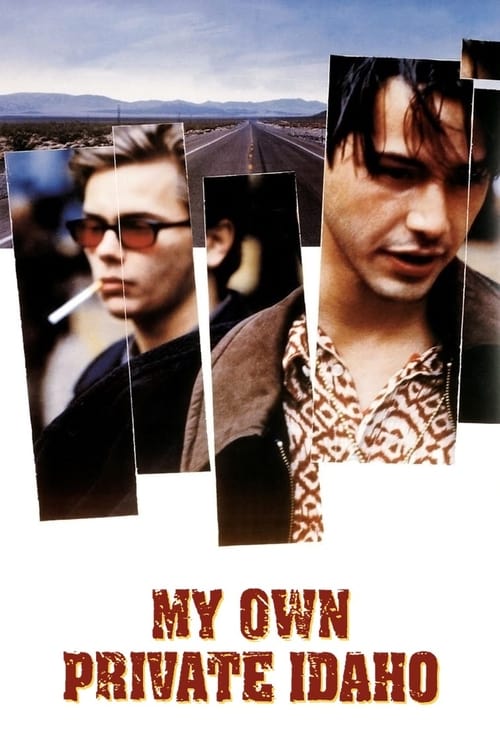
My Own Private Idaho1991
Gus Van Sant made this the same year: another film about a young person's body as a canvas for an older man's projection and desire. Raw, poetic, and morally complicated in the same way.
But It's explicitly about sex work and contains scenes of exploitation that are difficult to watch. The narrative structure mirrors the protagonist's dissociation.
Contempt1963
Godard's film about a filmmaker's obsession with the process of creation and the person caught in his creative machinery. Gorgeously composed reflections on art, work, and the cost of beauty.
But It's more interested in ideas than narrative momentum. Godard's style is challenging; if you haven't seen his work before, it can feel cold or even tedious.

The Best Years of Our Lives1946
Wyler's patient approach to character and time builds in much the same way as Rivette—through accumulation of detail and observation rather than dramatic beats. Three hours that feel earned.
But Its humanist optimism feels period-bound now. The technical mastery can sometimes overshadow the emotional stakes for modern viewers used to faster cutting.

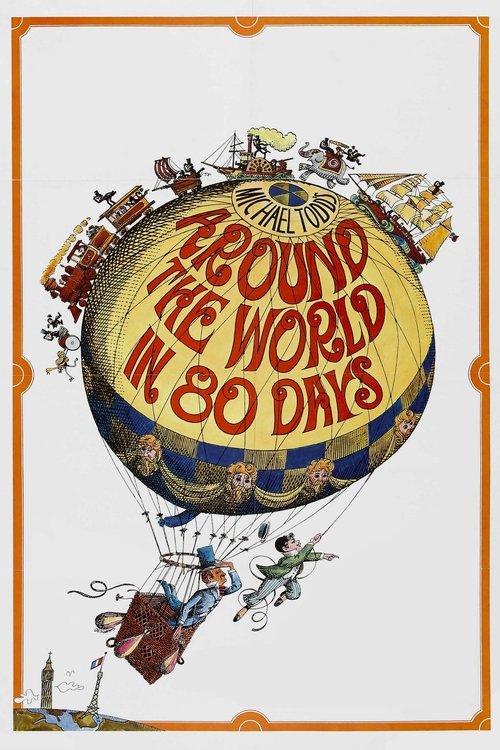
Around the World in 80 Days1956
Miklos Jancsó's seven-minute-take Hungarian cinema captures the obsessive quality of watching human interaction as pure choreography. Demands the same meditative attention as Rivette.
But It's essentially a series of long static shots of people moving in a landscape. There is almost no conventional drama or plot momentum whatsoever.
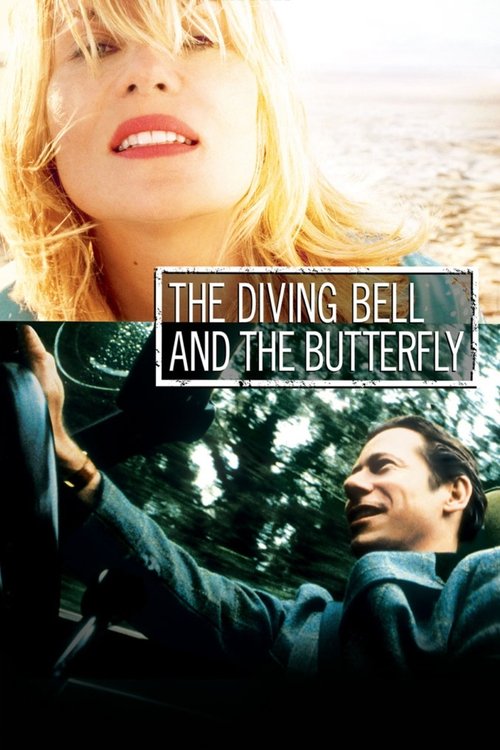
The Diving Bell and the Butterfly2007
Both films find profound beauty in constraint and limitation—in watching someone work within the boundaries imposed on them, whether by obsession or by fate.
Julian Schnabel's film about a stroke victim trapped in his body communicates entirely through visual perspective and accumulated detail. It's another form of creative limitation forcing radiance into stillness—the inverse of Frenhofer's explosion.
But It's emotionally devastating and offers no catharsis. The immobility of the protagonist mirrors the film's structural constraints in ways some find claustrophobic.
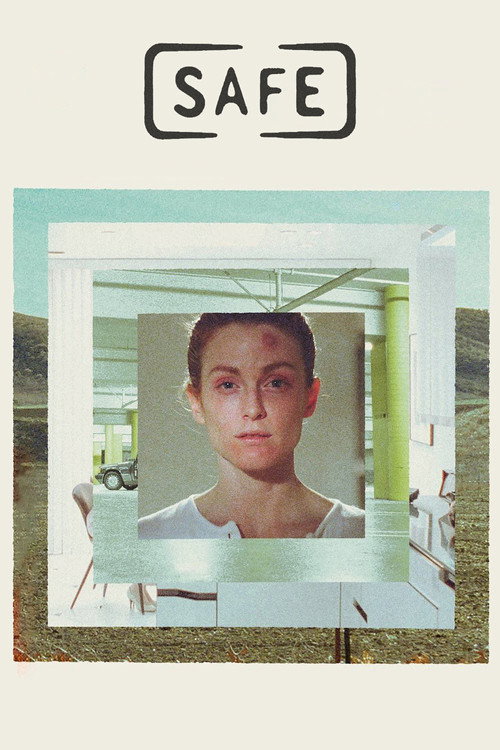
Safe1995
Both treat the body—whether as artistic subject or medical subject—as a space where power dynamics, desire, and the corruption of attention become visible and devastating.
Todd Haynes' film about a woman whose body becomes a site of obsessive medical scrutiny mirrors Rivette's gaze: the slow reduction of a person to a body, watched and studied until identity dissolves. It's body-focused cinema in a completely different register.
But It's a horror film about illness disguised as minimalism. The detachment is deliberate and can feel cruel. Some viewers find it nihilistic rather than revealing.
People
Cast
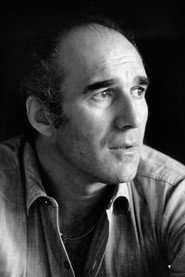 Michel PiccoliEdouard Frenhofer
 Emmanuelle BéartMarianne
 Jane BirkinLiz
 Marianne DenicourtJulienne
 David BurszteinNicolas
 Gilles ArbonaPorbus
- Marie BellucMagali
- Marie-Claude RogerFrançoise
- Leïla RemiliLa servante
- Daphne GoodfellowUne touriste
- Susan RobertsonUne touriste
- Bernard DufourLa main du peintre
Directing
- Jacques RivetteDirector
- Lorraine GroleauFirst Assistant Director
- Anne BilliotteSecond Assistant Director
Writing
- Christine LaurentDialogue
- Pascal BonitzerDialogue
- Honoré de BalzacNovel
- Christine LaurentScreenplay
- Jacques RivetteScreenplay
- Pascal BonitzerScreenplay
Production
- Jean TalvatAdministration
- Catherine MartinAssistant Unit Manager
- Clément SentilhesAssistant Unit Manager
- Olivier GuespinAssistant Unit Manager
- Maurice TinchantAssociate Producer
- Martine MarignacProducer
- Odile HuhardeuxProduction Secretary
- Sylvie MagnacProduction Secretary
- Janou ShammasUnit Manager
Recommended by
A Bigger Splash, Surviving Picasso, Beau Pere, The Woman Next Door