
Film
The Outsider
Other titles called The Outsider: the 1979 film, the 2015 film, the 2018 film, the 2020 series (HBO).
A hard-boiled 1967 TV movie about a private investigator chasing embezzled money who becomes entangled in murder. Darren McGavin is excellent: world-weary but sharp, moving through a plot that tightens relentlessly. This is genuinely gripping network television before the form had fully found itself—taut, adult, and unafraid to let stakes accumulate.
Should you watch it?
Watch it if you enjoy a talky detective story where the pleasure lies in following paperwork and money, led by a hard-boiled investigator who thinks faster than the people around him.
Skip it if you want modern crime grit and deep moral weight; this sixties TV pilot is brisk and old-fashioned, its plot running on the money trail more than on character.
What it asks of you: Expect two hours of unhurried legwork, a steady workmanlike rhythm, and patience for paperwork; the pace lingers on conversations and records more than on action.
Not sure? Find tonight's pick in a minute.
If you liked this
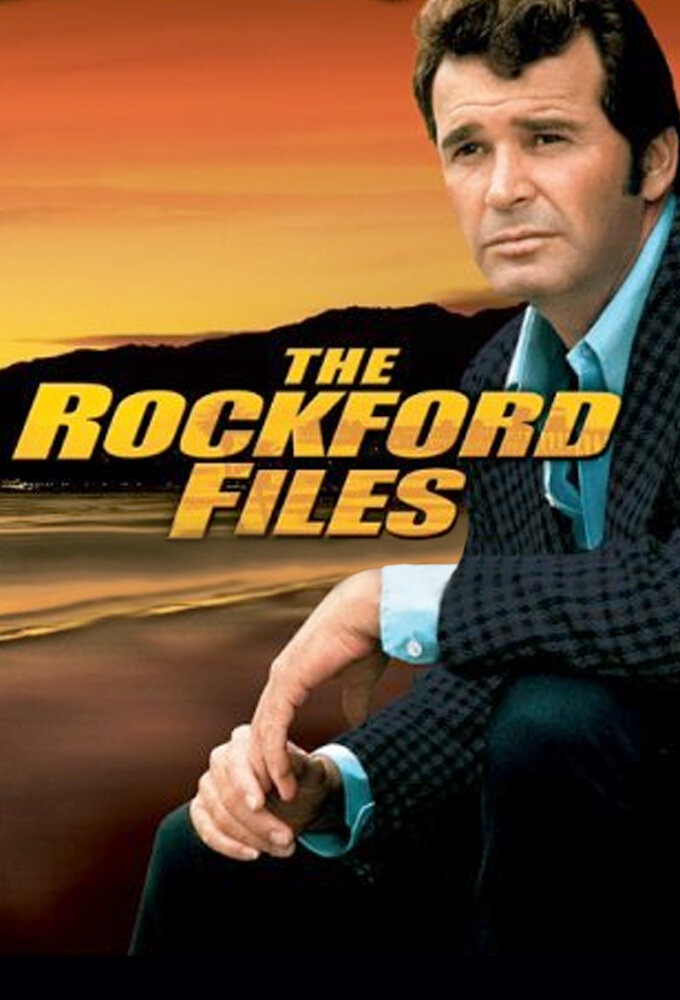
The Rockford Files1974
James Garner's Jim Rockford does what McGavin's Ross does—work cases, stumble into trouble, use charm and cunning to survive. It's the template this pilot helped write, perfected by a great cast and writing that balances action with character.
But Five seasons is a commitment, and the episodic format means uneven quality. Some solutions feel convenient when they shouldn't.
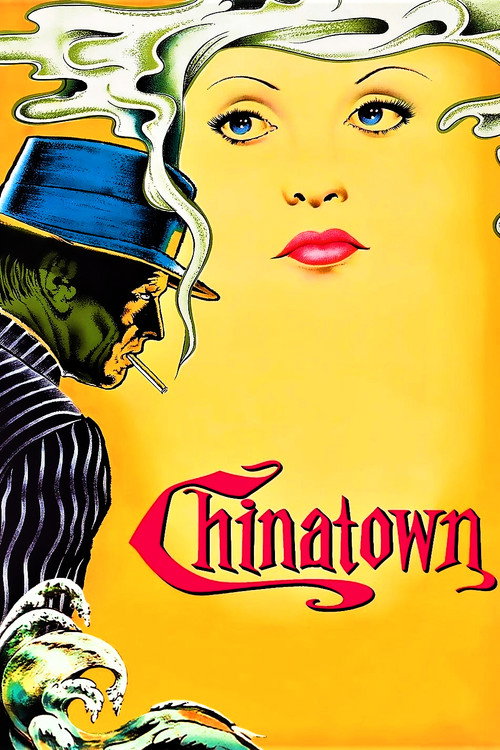
Chinatown1974
Jack Nicholson's private eye investigating a case that unfolds into something far darker and more corrupt. The same DNA as *The Outsider*—follow the money, trust no one, the world is dirtier than you thought.
But It's deliberately bleak and its cynicism can feel suffocating. The ending offers no comfort.
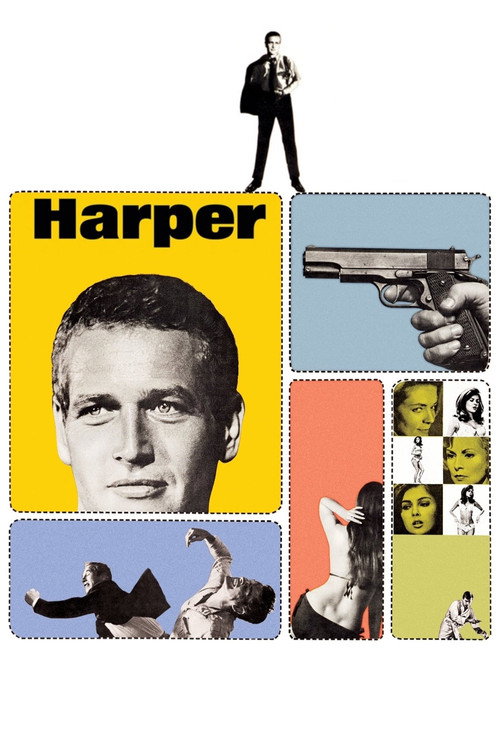
Harper1966
Paul Newman as a Los Angeles private detective a year before *The Outsider* aired, working a missing person case through layers of lies and misdirection. Fast, clever, atmospheric—this is the theatrical version of what McGavin was doing on TV.
But It moves fast enough that some plot threads vanish without resolution. Period slang occasionally dates it.
Not sure tonight? Get a pick in a minute, starting from The Outsider
The wildcard
Something you would not have found on your own.
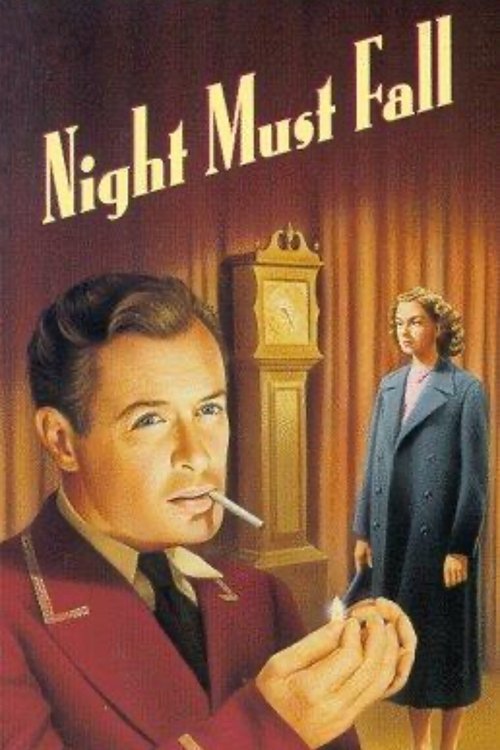
Night Must Fall1937
Both are about suspicion and character—but where *The Outsider* asks 'is an innocent man guilty?', *Night Must Fall* asks 'can a guilty man stay innocent in our eyes?' Same machine, opposite question.
Robert Montgomery as a charming young man concealing something monstrous—a psychological thriller about appearance versus reality decades before that became a genre. The inversion of *The Outsider*'s wrongly-suspected-man premise: the suspect you like might actually be guilty.
But It's a stage play adapted for film, so it can feel slow and talky. The psychological portrait sometimes overwhelms narrative momentum.
More like this (7)
The Killing1956
Kubrick's racetrack heist told in fragments and flashbacks, all money and desperation and betrayal. It has the same coiled tension as *The Outsider*—everyone wants something, and nobody stays clean.
But Black and white, intentionally fragmented narrative, and a moral landscape where the best anyone gets is survival. Not comfortable.

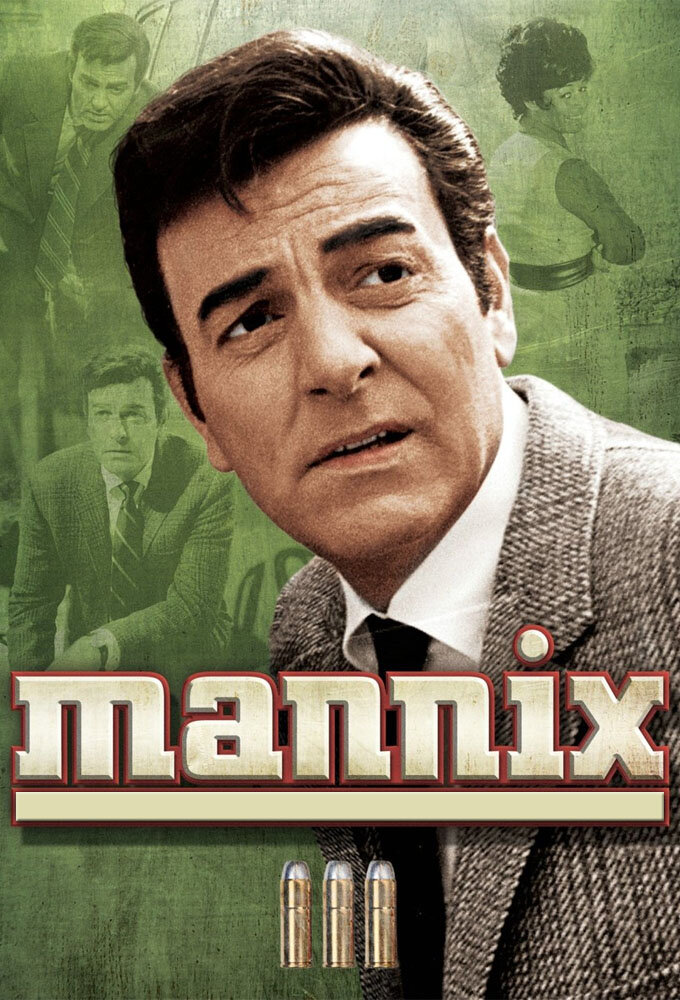
Mannix1967
Mike Connors' wisecracking private eye series that arrived the same year as *The Outsider*, riding the same wave of mature TV crime drama. Slick, fast, with that perfect balance of action and personality.
But It's very much of its moment—the groovy 60s production design dates it hard. Some cases resolve too neatly for a show this dark in premise.
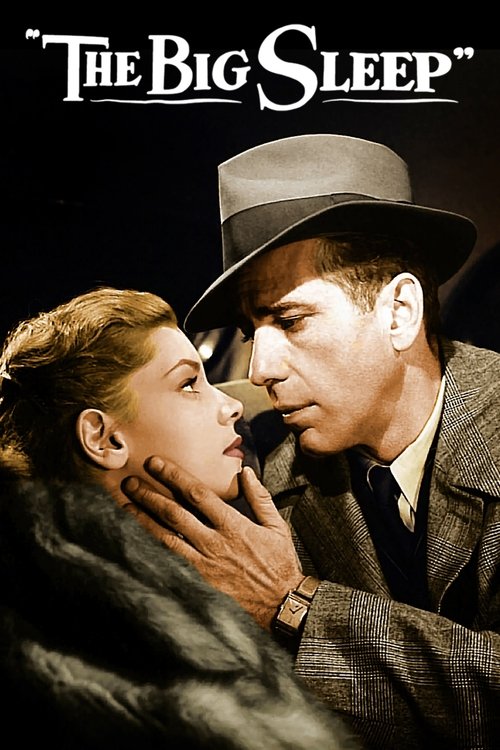
The Big Sleep1946
Bogart and Bacall in a Chandler adaptation that defined the private detective archetype. *The Outsider* walks in this film's footsteps—the smart guy moving through a world of corruption, charm as a survival tool.
But The plot is genuinely hard to follow (on purpose), and the sexual politics are squarely of 1946. Some viewers find that exhausting.
In a Lonely Place1950
Humphrey Bogart as a Hollywood screenwriter accused of murder, suspected by everyone including the woman he loves. It shares *The Outsider*'s paranoia—a wrongly suspected man watching the world close in.
But It's a slow burn and deeply sad. There's no reassurance that innocence protects you, which can feel crushing.

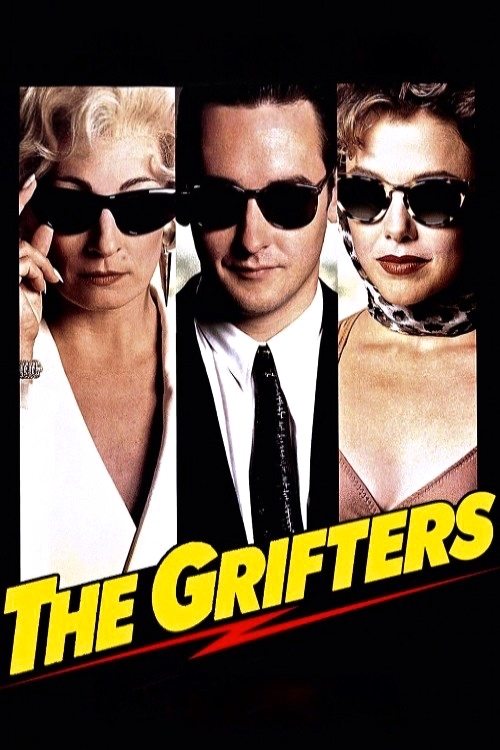
The Grifters1990
Con artists and private operators following money through Los Angeles, every character looking for an angle. It has the same DNA—follow the money, trust nobody, the con is the point.
But Everyone in it is predatory or naive with no middle ground. Watching it is morally exhausting.
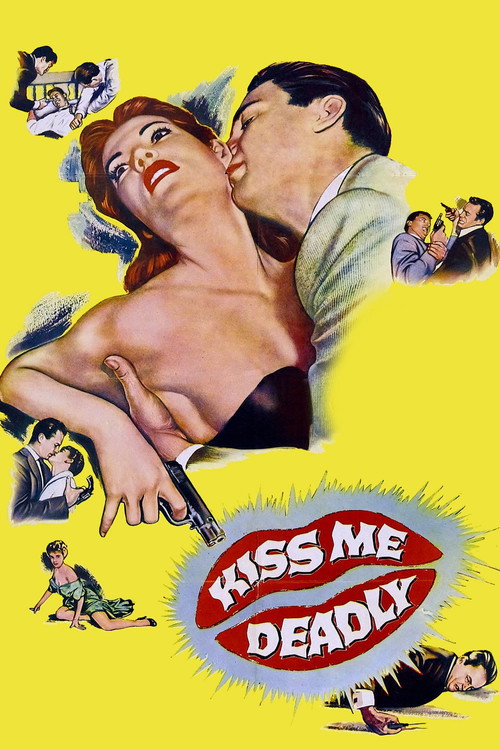
Kiss Me Deadly1955
Aldrich's adaptation of Mickey Spillane, Mike Hammer moving through Los Angeles corruption into something apocalyptic. It has the same hard-boiled machinery, though kicked up to a fever pitch beyond *The Outsider*.
But The misogyny is real and unapologetic. The plot becomes almost incomprehensibly surreal in its final act.
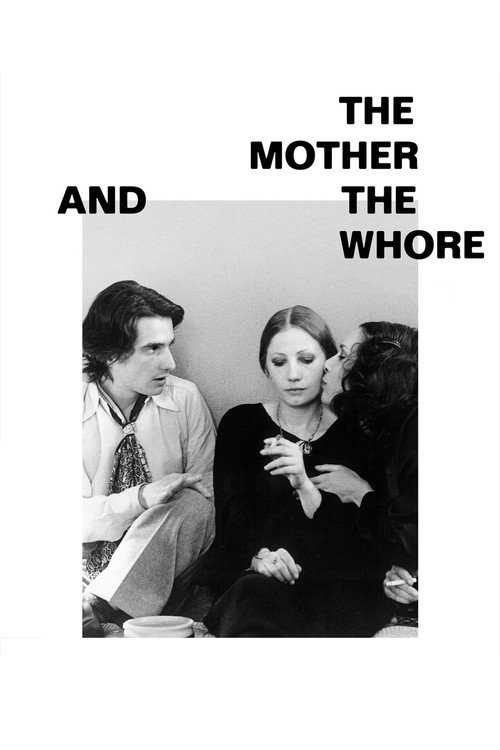
The Mother and the Whore1973
Both are about a man adrift in a world that won't stay stable. McGavin's investigator solves crimes; Eustache's protagonist can't solve anything. Same moral weather, different genres.
Eustache's three-hour French film is nominally a love triangle, but it's really about men in crisis following their desires through urban alienation. Dense, philosophical, sometimes tedious on purpose. It moves like *The Outsider* follows a case—spiraling inward, never quite resolving.
But It's three hours of people talking, with minimal plot momentum. The philosophy can feel self-indulgent. It requires patience most viewers won't want to give.
People
Cast
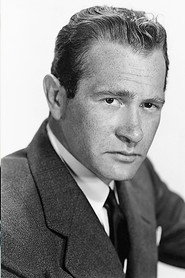 Darren McGavinDavid Ross
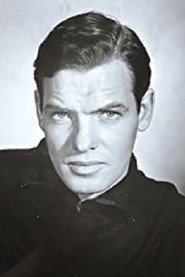 Sean GarrisonCollin Kenniston III
 Shirley KnightPeggy Leydon
 Nancy MaloneHonora Dundas
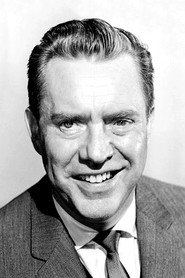 Edmond O'BrienMarvin Bishop
 Ann SothernMrs. Kozzek
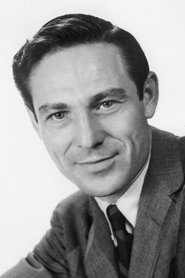 Joseph WisemanErnest Grimes
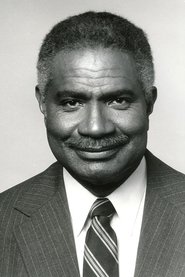 Ossie DavisLt. Wagner
 Audrey TotterMrs. Bishop
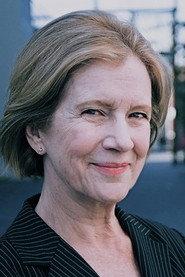 Anna HaganCarol Dorfman
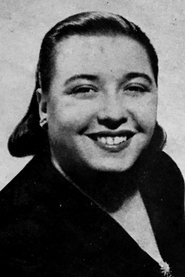 Madame SpivyDella
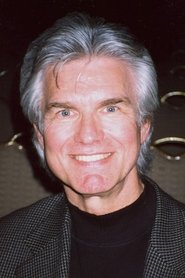 Kent McCordOfficer Dutton
Directing
- Grady HuntAssistant Director
- Michael RitchieDirector
Writing
- Roy HugginsWriter
Production
- Roy HugginsProducer