
Film
Searching for the Wrong-Eyed Jesus
Jim White's 1970 Chevy Impala becomes a time machine through the American South's margins—churches, prisons, honky-tonks, abandoned mines. This is a documentary that feels like a fever dream, shot in gorgeous black-and-white by a British art-rock band. It collects stories and songs from outsider musicians and Southern gothic writers. Hypnotic and strange.
Should you watch it?
Watch it if you like loose, character-driven road documentaries where scenery, odd conversations and stray songs add up to a portrait of a place, especially if Southern Gothic storytelling appeals to you.
Skip it if you want a tightly structured film with a clear through-line, since this one wanders, lingers over detours and leans on the mood of its journey rather than any plot.
What it asks of you: Eighty-odd minutes of patience: long unhurried stretches of driving, talk and silence, with the mood allowed to build slowly rather than arrive in set pieces.
Not sure? Find tonight's pick in a minute.
If you liked this
Grizzly Man2005
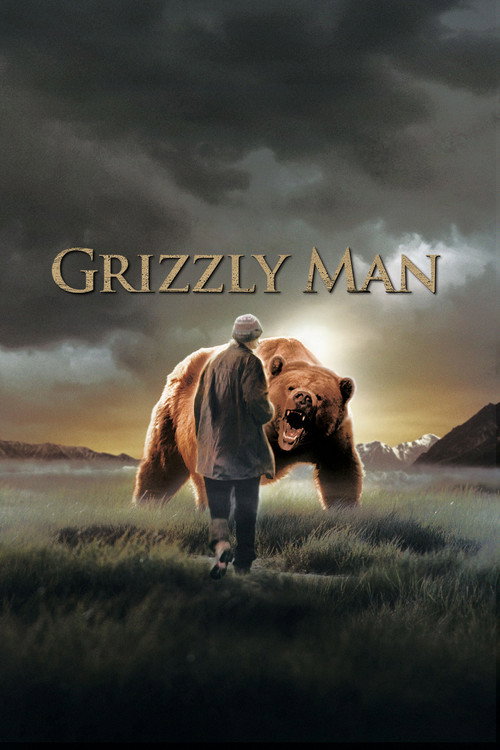
Werner Herzog examines obsession and wilderness through a man who died loving what he loved. Like Jesus, it's a portrait of someone who couldn't leave their calling alone, shaped by stunning landscape photography and existential dread.
But Herzog's voiceover can feel portentous. Some find his style of narration more interested in philosophy than the subject's humanity.
The Devil and Daniel Johnston2006
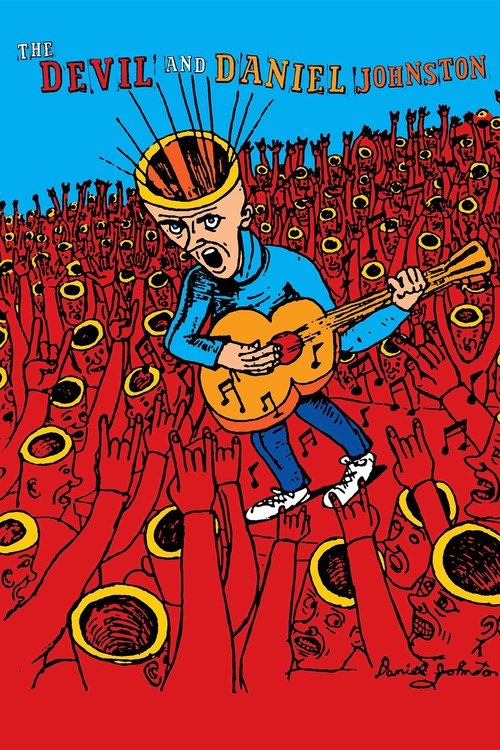
A documentary about a brilliant, broken singer-songwriter in the American South, filmed with intimate, gorgeous black-and-white cinematography. It has the same hunger to understand artistic outsiders and their self-destruction.
But The film doesn't look away from Johnston's mental illness and suffering. It's harrowing, not inspiring, and some viewers find it exploitative.
Hockney2014
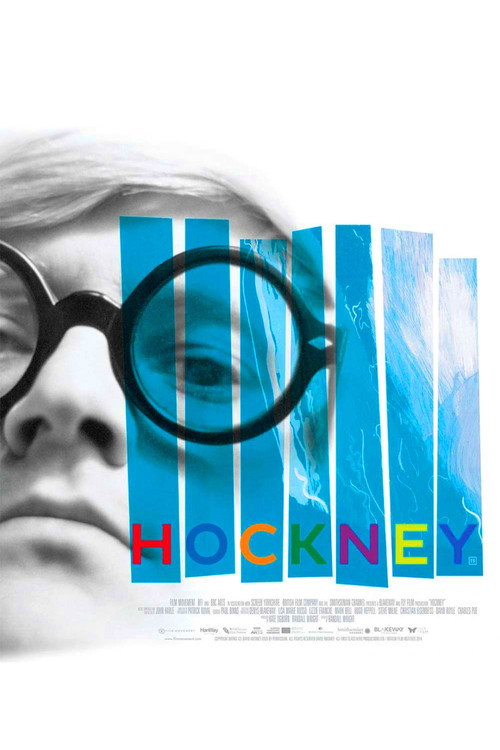
A portrait of an artist obsessed with seeing, shot in vivid color and dizzying perspectives. Like Jesus, it's less interview than immersion—you move through someone's mind by watching how they look.
But It's very long and assumes you're already interested in painting. Dense without being especially narrative.
Not sure tonight? Get a pick in a minute, starting from Searching for the Wrong-Eyed Jesus
The wildcard
Something you would not have found on your own.
Lightning Over Water1980
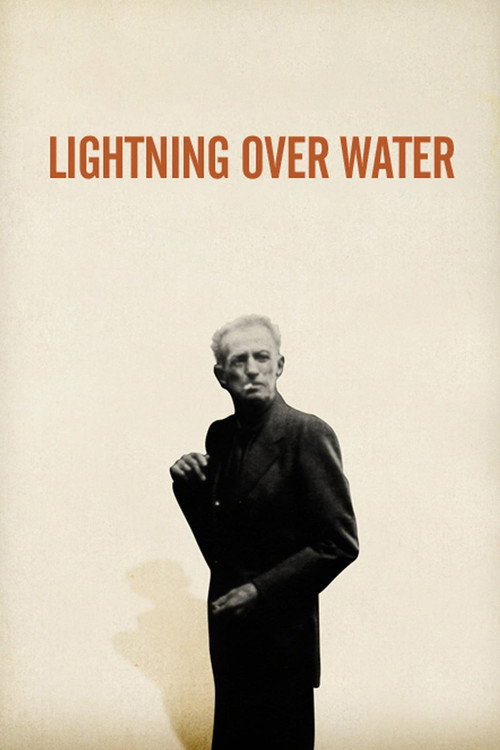
Both are road-based meditations on American landscape and mortality, shot in black-and-white, where style and form ARE the story.
Wim Wenders and Nicholas Ray made a film about making a film, about dying, about the American South—so meta and elegiac it barely exists. Like Jesus, it's shot in stark black-and-white and treats landscape like a character's interior. The connection is formal and spiritual: both men making art documents about the unmakeable.
But It's fragmentary on purpose, sometimes to the point of opacity. You have to sit with not-understanding. Some find it frustrating rather than profound.
More like this (6)
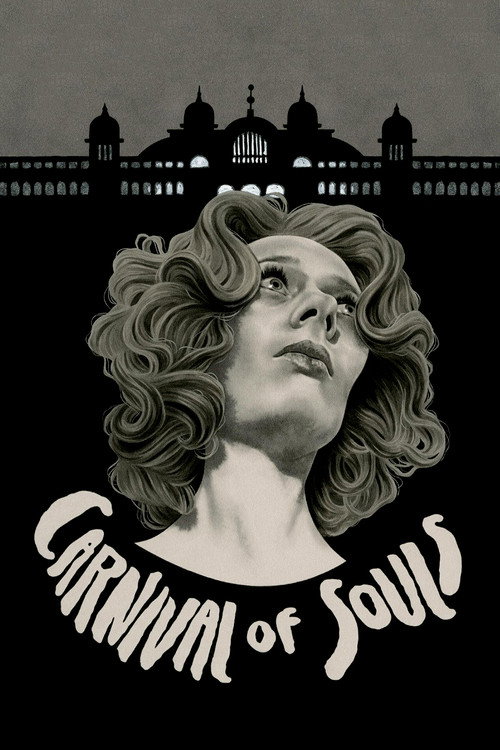
Carnival of Souls1962
A low-budget black-and-white American gothic about a woman haunted by something she can't name. Same bleached, eerie atmosphere and the South as a landscape of psychological terror, not just geography.
But It's creaky and slow by modern standards. The acting is deliberately stilted, which distances rather than engages some viewers.
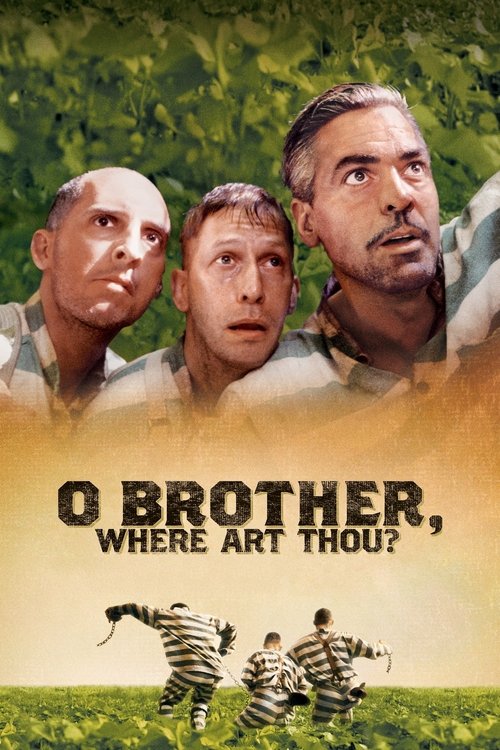
O Brother, Where Art Thou?2000
The Coen Brothers film the Depression-era South as a mythic, sepia-toned song cycle. It captures the same collage of American folk voices and Southern gothic weirdness that White pursues.
But The plot is flimsy and sometimes overshadowed by the music. Some find the Coen Brothers' detachment—their refusal to let you care—frustrating.
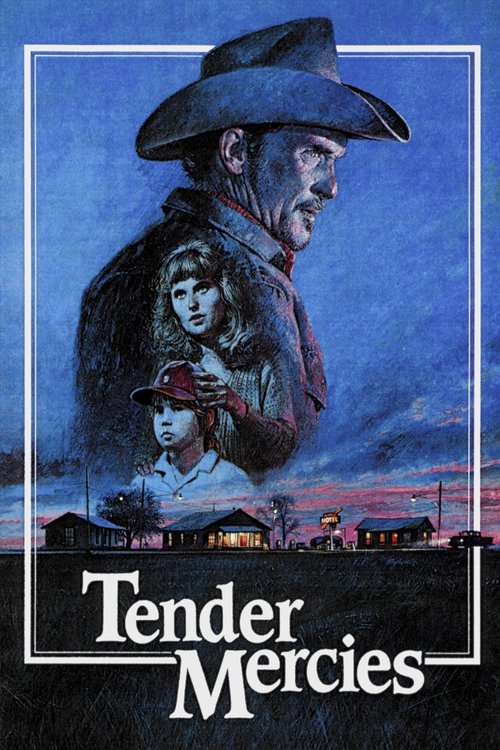
Tender Mercies1983
Robert Duvall as a washed-up country singer in rural Texas, quiet and graceful. It has the same interest in faith, failure, and the small Southern places where people remake their lives.
But Almost nothing happens. If you need plot momentum, this will feel glacial and thin.
Winter Light1963
Bergman's meditation on faith in a sparse Swedish parish—the same black-and-white bleakness and spiritual questioning that haunts Jesus. A masterpiece about doubt masquerading as a simple story.
But It's austere and philosophically dense. Bergman offers no comfort, which some find punishing rather than moving.

The Act of Killing2012
Both use documentary form to explore how people construct identity through performance, story, and landscape. Both find the sacred and the profane in the same gesture.
A documentary where the filmmaker asks mass murderers to stage their killings as entertainment. It sounds sensational but becomes a meditation on how people narrate themselves into monstrosity. Like Jesus, it documents the architecture of a self—how people perform and rationalize what they are.
But It's morally vertiginous and sometimes unwatchable. The casual violence and its reenactment may feel complicit to you, not revelatory.

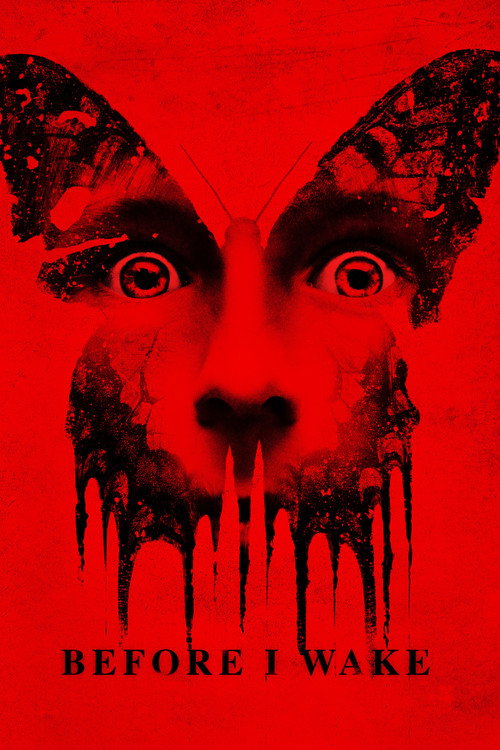
Before I Wake2016
Both are silent or near-silent invocations of American rural space as myth. Both understand landscape as character and let image do the talking.
A wordless, haunting series of photographs and films collected over decades in rural Appalachia—no narration, no plot, just accumulated vision of a place and its people. Like Jesus, it's a visual fever dream of American poverty and faith, but as pure imagery. It has the documentary impulse without the anchor of voices.
But No dialogue, no story, sometimes hard to locate or watch. It requires patience with abstraction and may feel like a museum piece, not entertainment.
People
Cast
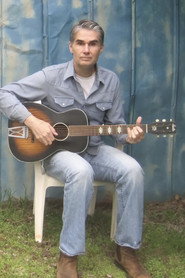 Jim WhiteHimself
- Johnny DowdHimself
- Brett SparksHimself
- Rennie SparksHerself
- David Eugene EdwardsHimself
- Harry CrewsHimself
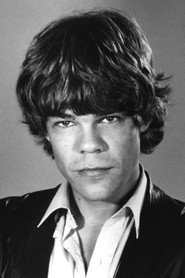 David JohansenHimself
- Gary HowingtonHimself
- Lee SextonHimself
- Melissa SwingleHerself (Trailer Bride)
Directing
- Andrew DouglasDirector
Writing
- Steve HaismanWriter
Production
- Anthony WallExecutive Producer
- Steve ColinExecutive Producer
- Andrew DouglasProducer
- Martin RosenbaumProducer