
Film
Hockney
Jack Hazan's portrait of David Hockney captures the artist at a pivotal moment—intimate, gossipy, alive with aesthetic argument. It's less biography than immersion in a particular sensibility: how Hockney sees, thinks, loves, and works. A film for anyone curious about how artists actually live, or what it means to dedicate yourself entirely to looking.
Should you watch it?
Watch it if you like artists talking about their own process in their own words, with hours of studio footage, old friends dropping by, and a patient eye on how a painter actually works day to day.
Skip it if you want a tight, fast-moving biography with outside critics, dates and talking-head context, since this one stays close to Hockney himself and his circle and rarely steps back to explain.
What it asks of you: Settle in for just under two hours at a loose, conversational pace, with long unhurried stretches of painting and chatting rather than a driving narrative.
Not sure? Find tonight's pick in a minute.
If you liked this
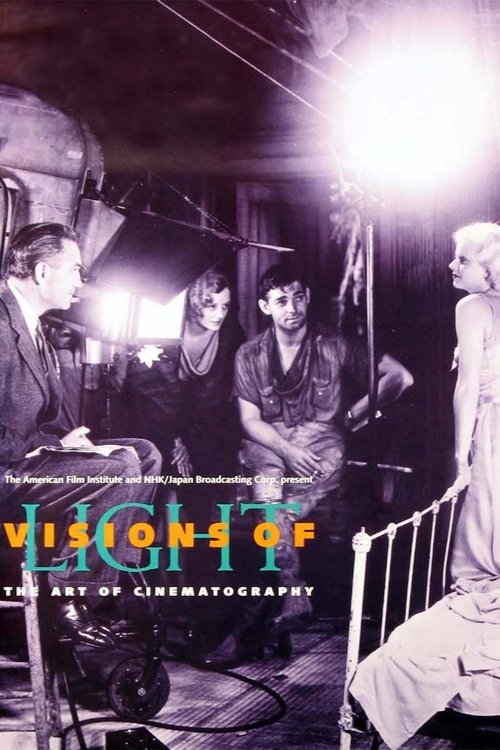
Visions of Light1992
A documentary about cinematography as an art form, built entirely from film clips. It's rapturous about visual language in the way Hockney's film is—both ask how we see, and why it matters.
But Purely cerebral; there's no narrative drive, just sustained looking. Some will find it glacial where others find it meditative.
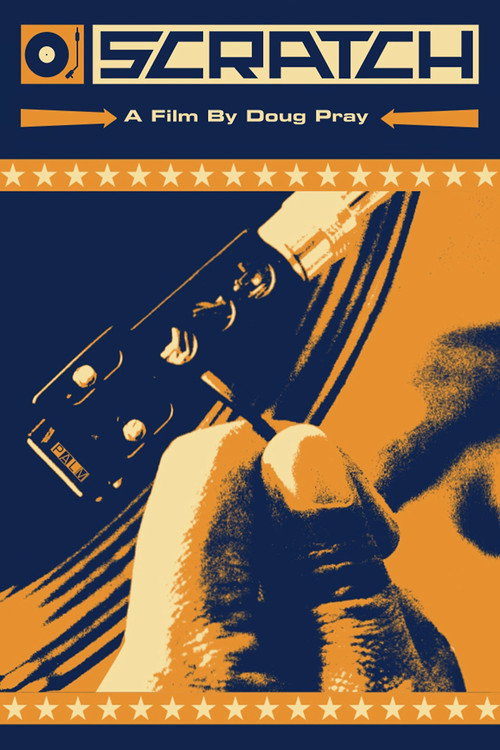
Scratch2001
Spike Lee's documentary about hip-hop DJs obsessed with their craft in the same way Hockney is obsessed with painting. Both films celebrate artists who've made their medium personal and uncompromising.
But Heavily music-focused and US-centric. If you're not drawn to hip-hop culture, the specificity may exclude you.
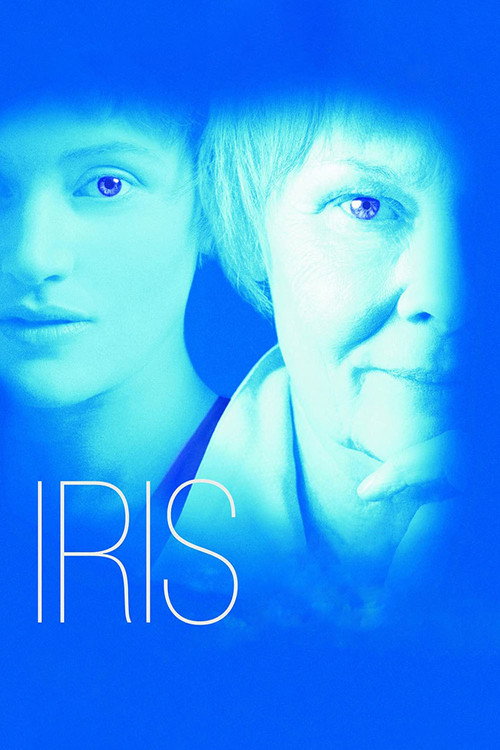
Iris2001
A portrait of Iris Murdoch at the end of her life, tender and unflinching about artistic minds, aging, love, and what remains. Like Hockney, it's intimate without being invasive, moving without sentimentality.
But The subject matter is dementia and decline. It's beautiful but not easy, and some will find it too painful to sit with.
Not sure tonight? Get a pick in a minute, starting from Hockney
The wildcard
Something you would not have found on your own.
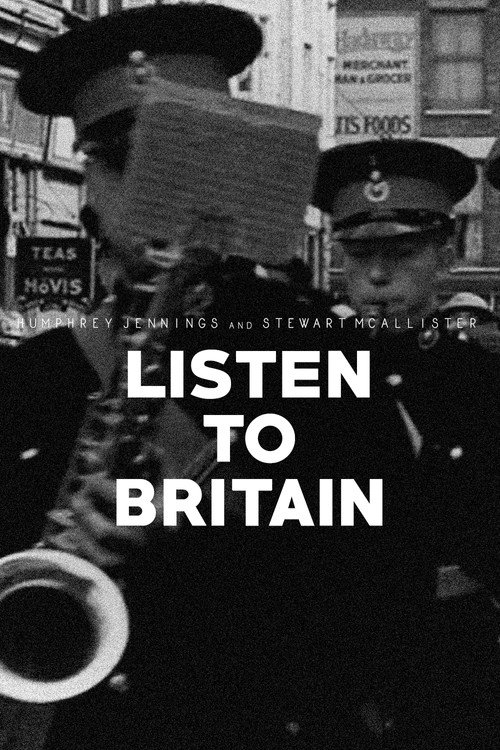
Listen to Britain1942
Radically different eras and subjects, but both films treat looking itself as the primary subject. Both argue that vision can be a complete act, sufficient unto itself.
Humphrey Jennings' experimental documentary about wartime Britain uses only sound and image, no narration—it's about *seeing* a nation the way Hockney sees a landscape. A masterpiece of sustained visual attention.
But Nine minutes of impressionistic montage with no plot or explanation. Viewers expecting conventional documentary will be bewildered.
More like this (6)
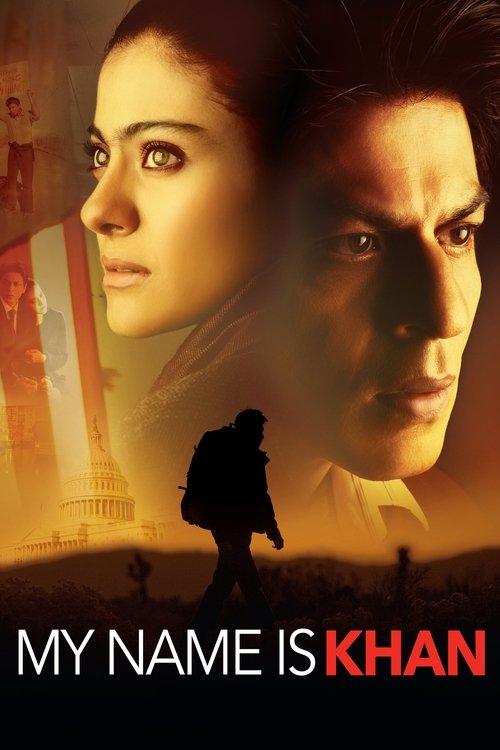
My Name Is Khan2010
A close study of artist Ed Ruscha's practice across decades, conducted as a series of conversations. It shares Hockney's fascination with how an artist's mind actually works, moment to moment.
But Deliberately modest in scope and pacing. Those expecting dramatic revelation will feel shortchanged by its quietness.
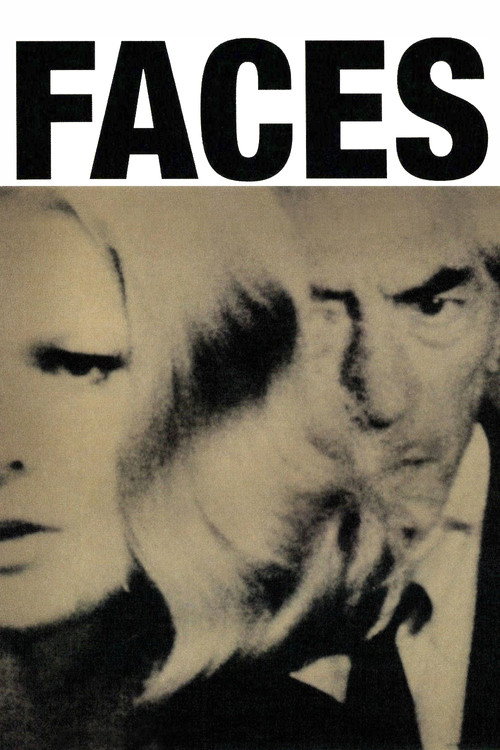
Faces1968
John Cassavetes' ensemble piece about people talking, hurting, and revealing themselves. It has the same penetrating curiosity about human personality that animates Hockney—no artifice, just attention.
But Grainy 16mm, long takes, performances that feel raw and unpolished. It reads as dated to many viewers, and patience is essential.
The Act of Seeing
A documentary about photographer William Eggleston and the way he transformed American photography through obsessive looking. Two artists united by the conviction that vision itself is an act of love.
But Very focused on photographic history and theory. Little plot, heavy on aesthetic philosophy; can feel hermetic if that world doesn't interest you.
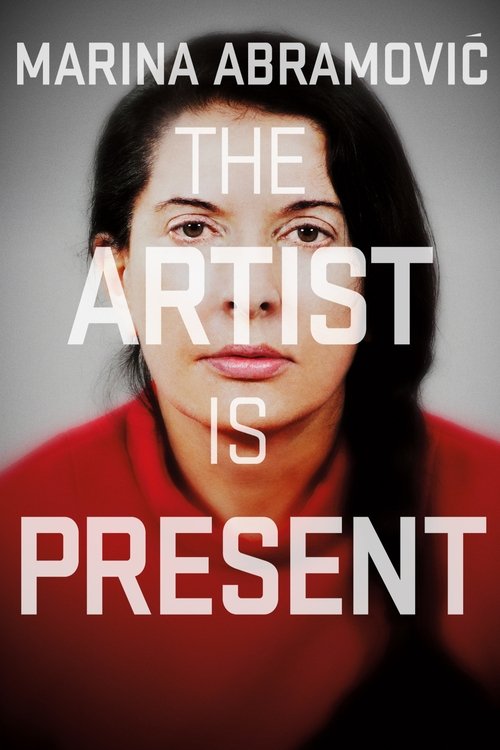
Marina Abramović: The Artist Is Present2012
A portrait of performance artist Marina Abramović rehearsing a retrospective. Like Hockney, it respects artistic practice as a discipline, showing the unglamorous work behind the public gesture.
But Performance art remains polarizing. Some will see her work as pretentious or self-indulgent rather than urgent.
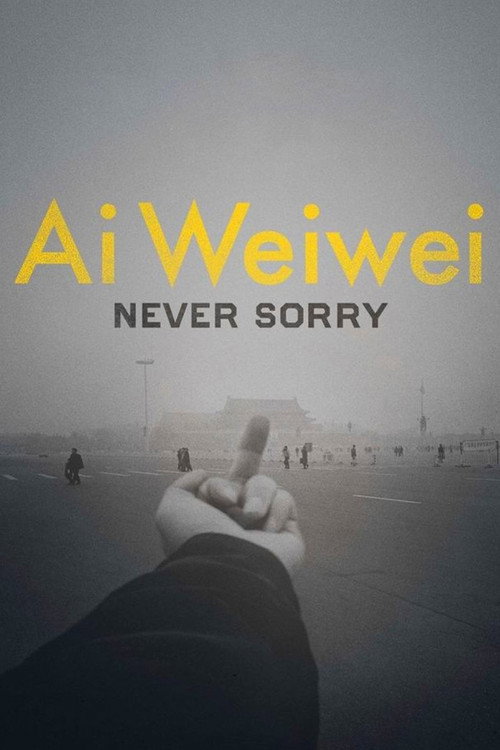
Ai Weiwei: Never Sorry2012
Documentary about a Chinese artist for whom making work is inseparable from political dissent. Shows art as necessity, not luxury—a different register from Hockney's sensuality, but with equal devotion.
But Heavy with political context and Chinese history. The urgency is real, but the film can feel didactic if you're not invested in the politics.
Synecdoche, New York2008
Both are meditations on the artist's compulsion to represent the world faithfully, and the impossibility of that task. Both see obsession as the artist's true subject.
Charlie Kaufman's film about a theater director building a replica of reality inside his warehouse. Like Hockney's constant return to the act of representation, it's obsessed with whether art can ever capture life, and whether the attempt is noble or futile.
But Deliberately labyrinthine and despairing. It accumulates dread rather than resolution, and many will find it pretentious or exhausting.

People
Cast
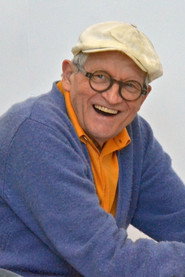 David HockneyHimself
- Arthur LambertHimself
- Colin SelfHimself
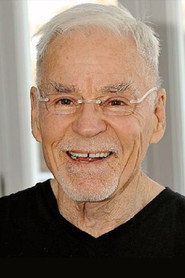 Don BachardyHimself
- Celia BirtwellHerself
- Betty FreemanHerself
- George LawsonHimself
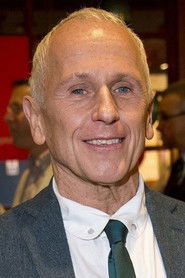 Wayne SleepHimself
- John KasminHimself
Directing
- Randall WrightDirector
Writing
- Randall WrightWriter
Production
- Kate OgbornProducer
- Randall WrightProducer