
Film
Ai Weiwei: Never Sorry
A portrait of dissident artist Ai Weiwei during his most dangerous years, from 2008 to 2011, as he uses art and social media to challenge Chinese authoritarianism. The film captures a man gambling everything—safety, freedom, family—against a system willing to crush him. It's a visceral account of conscience colliding with state power, told by someone who refused to look away.
Should you watch it?
Watch it if you want a restless, closely observed portrait of an artist who treats his own life as material, and you don't mind the camera being in the room when things get tense.
Skip it if you want a tidy narrative, since it jumps between studio work, phone footage and news clips and assumes you already know the political backdrop.
What it asks of you: Long, unhurried stretches of ordinary days sit beside sudden jolts of tension, and the mood can turn from playful to grim without much warning.
Not sure? Find tonight's pick in a minute.
If you liked this
The Act of Killing2012
A documentary that watches perpetrators of atrocity confront themselves through cinema. Like Ai Weiwei, it uses art as a tool to interrogate power and complicity, forcing unbearable truths into the open.
But It's genuinely harrowing. The film's length and the weight of what it documents can feel suffocating, and there are moments that don't offer catharsis.

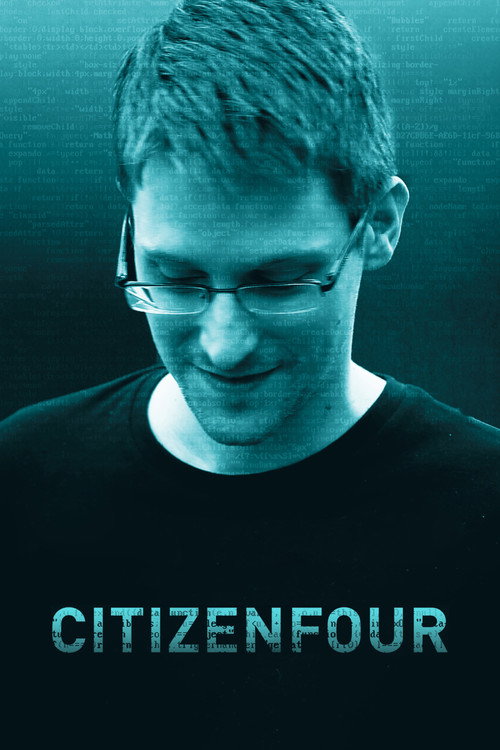
Citizenfour2014
Documents Edward Snowden's decision to blow the whistle, capturing a man choosing exile and danger over silence. Like Ai Weiwei's story, it's about one person's decision to absorb the cost of speaking truth.
But It's tense but austere. Much of it takes place in hotel rooms, and the geopolitical stakes can feel abstract compared to the personal drama.
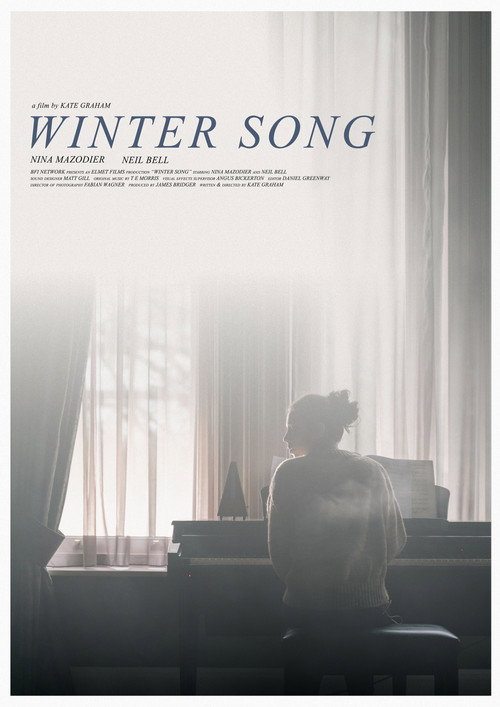
Winter Song2023
Follows Ai Weiwei's life in exile after his release, showing how an artist continues creating when his homeland has become hostile. A companion piece that deepens the first documentary's questions about resilience.
But It's quieter and more reflective than Never Sorry. Some viewers want the confrontation and momentum of the earlier film, not the long aftermath.
Not sure tonight? Get a pick in a minute, starting from Ai Weiwei: Never Sorry
The wildcard
Something you would not have found on your own.
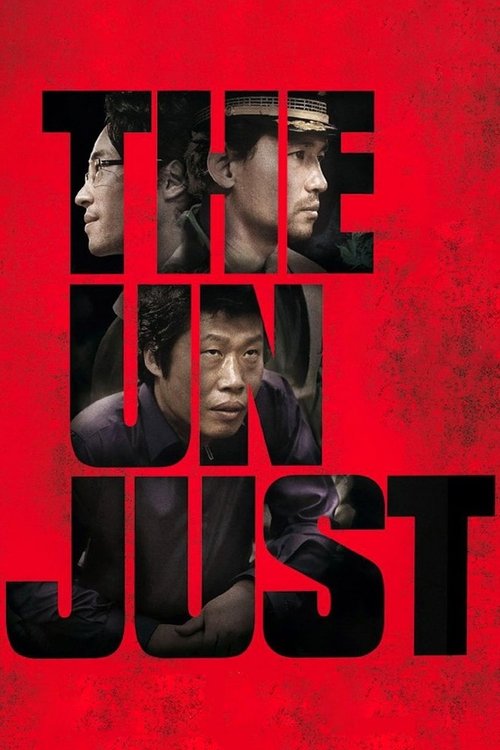
The Unjust2010
Both examine how state power operates against the individual without mercy or logic. Ai Weiwei's real ordeal and this film's imagined one arrive at the same claustrophobia.
A Korean thriller about an innocent man trapped in a police interrogation, where the state's machinery grinds relentlessly forward. It dramatizes the same powerlessness and corruption that animates Never Sorry, but through fictional suspense rather than documentary truth.
But It's bleak and methodical. The pleasure is in watching a system work, not in resolution, and some viewers will find that unbearably bleak.
More like this (7)
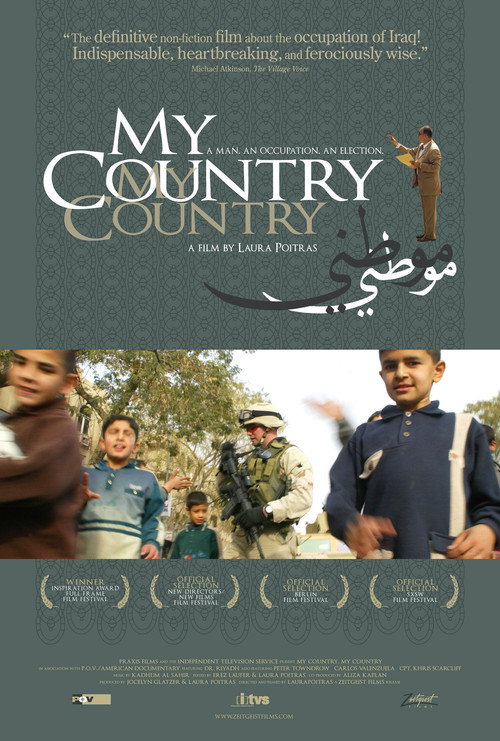
My Country, My Country2006
Laura Poitras's film tracks an Iraqi doctor navigating occupation and resistance. Like Never Sorry, it's an intimate portrait of someone caught between conscience and survival in an authoritarian context.
But It's set in Iraq during the post-2003 chaos, which some find too geopolitically distant or the stakes too abstract without prior knowledge.
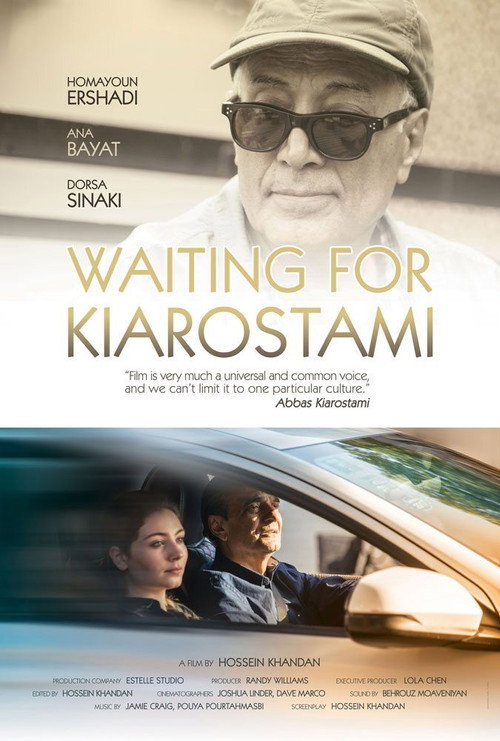
Waiting for Kiarostami2017
Documentary portrait of an Iranian filmmaker who, like Ai Weiwei, created art as resistance and paid a personal price for it. A study of artistic courage in an oppressive state.
But The film assumes knowledge of Kiarostami's work. Without it, you're watching a portrait of someone whose art you haven't seen.
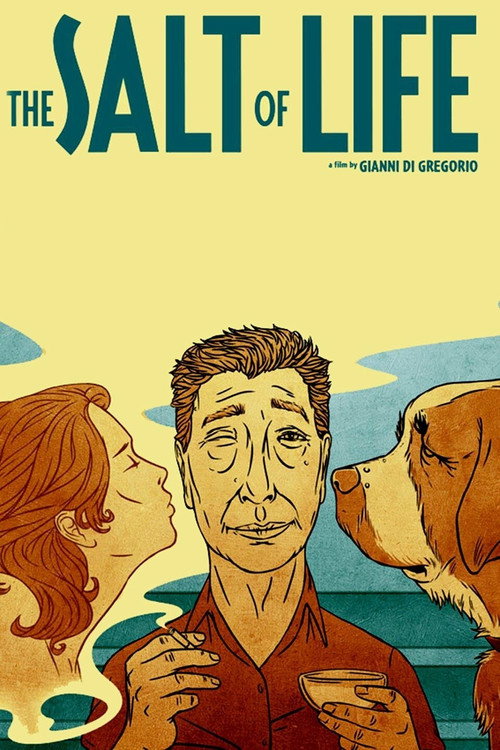
The Salt of Life2011
Paolo Sorrentino's film about an aging man reconsidering his choices shares Never Sorry's interest in how a life under pressure reveals character. Not political, but psychologically penetrating in a similar register.
But It's a narrative fiction, not a documentary, and its concerns are personal rather than political. The shift in medium might feel jarring.
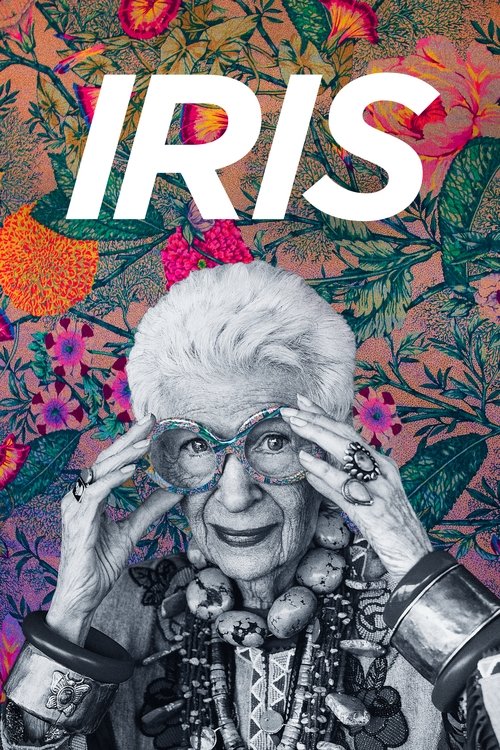
Iris2014
Albert Maysles's final documentary portrays Iris Apfel, an artist and individual of unbending conviction. Like Ai Weiwei, she's someone who refused to compromise her vision or voice.
But Iris is a celebration of aesthetic vitality, not a story of persecution. It lacks the urgency and political stakes that drive Never Sorry.
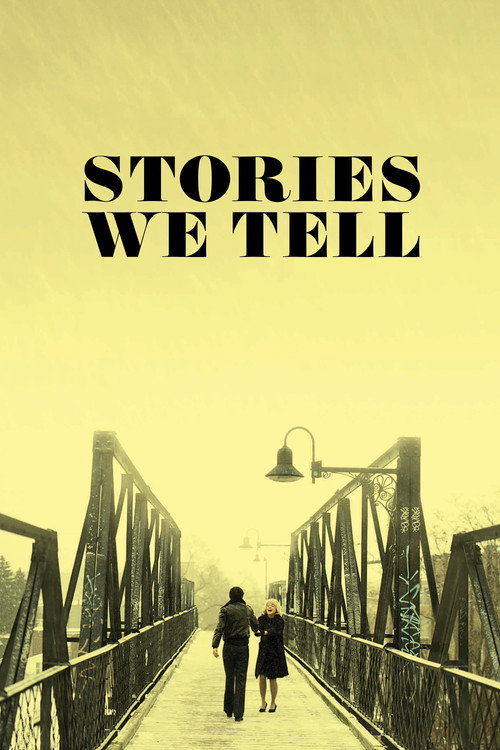
Stories We Tell2012
Michael Showalter examines how personal truth gets filtered through narrative. Like Never Sorry, it's interested in how stories are constructed and who controls them—but through intimate family mystery rather than state oppression.
But It's fundamentally about filmmaking and storytelling technique. Viewers looking for political urgency will find it oblique and self-conscious.
Come and See1985
Both works refuse to look away from state violence. They're investigations of what systems do to conscience, shot from inside the machinery of power rather than from safety.
A Soviet film about a boy drawn into the machinery of war, where ideology meets atrocity. Like Never Sorry, it documents how a system corrupts and consumes those who question it, rendered in unforgettable visual language.
But It's a 1985 Belarus film about World War II—visually remote, narratively difficult, and morally unrelenting. It does not comfort or conclude.

In the Mood for Love2000
Both are about what happens in China when someone is watched, when action carries enormous cost, when beauty and danger become inseparable. Never Sorry is documentary fury; this is narrative poetry about the same claustrophobia.
Wong Kar-wai's film about desire and restraint is saturated with Shanghai under colonial pressure. It's not political in Never Sorry's way, but it captures a particular Chinese modernity—the space between visibility and concealment, speech and silence.
But It's a sensory film, not a narrative one. If you're looking for story, information, or argument, this is oblique and slow, interested in mood over meaning.

People
Cast
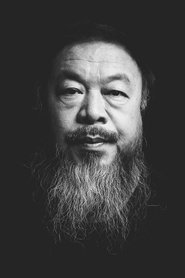 Ai WeiweiSelf - Artist
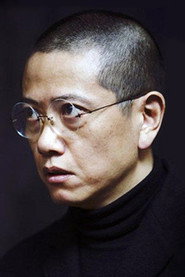 Chen DanqingSelf - Artist
- Li ZhanyangSelf - Sculptor
 Hung HuangSelf - Magazine Publisher
- Ethan CohenSelf - Art Gallerist
- Phil TinariSelf - UCCA Museum Director
- Feng BoyiSelf - Art Curator
- Evan OsnosSelf - Journalist
- Liu YanpingSelf - Sichuan Earthquake Volunteer
- Huang KankanSelf - Sichuan Earthquake Volunteer
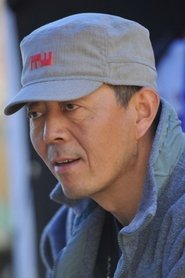 Gu ChangweiSelf - Filmmaker
- Karen SmithSelf - Writer
Directing
- Alison KlaymanDirector
Writing
- Colin JonesCreative Producer
Production
- Katie GrubeAssociate Producer
- Matt MaAssociate Producer
- Andy CohenExecutive Producer
- Julie GoldmanExecutive Producer
- Karl KatzExecutive Producer
- Adam SchlesingerProducer
- Alison KlaymanProducer
Recommended by
Banksy Most Wanted, Pussy Riot: A Punk Prayer, Hooligan Sparrow, The Art of Protest, Hockney