
Film
Trances
A 1982 documentary portrait of Nass El Ghiwane, the Moroccan band that electrified audiences with rebellious lyrics and acoustic arrangements rooted in Berber, Malhun, and Gnawa traditions. Filmed across live shows and intimate moments, it captures a group who used song as political theatre during a turbulent era. Essential for anyone curious about non-Western popular music or how folk traditions become radical.
Should you watch it?
Watch it if you love music films that let the performance carry everything, where the rhythm of hand drums and the bite of street poetry do the storytelling rather than any narration or plot.
Skip it if you need a documentary to explain its subject, since it trusts concerts and quiet conversations over context, and long stretches of playing can feel repetitive if you came for talking heads.
What it asks of you: Ninety minutes of mostly uninterrupted music, with the camera staying close and patient, so you will need to settle into repetition and let the grooves build rather than wait for a story to arrive.
Not sure? Find tonight's pick in a minute.
If you liked this
Woodstock1970
The definitive concert documentary capturing a cultural moment through performance and testimony. Like Trances, it finds the political urgency and communal power in live music, and the camera work has an immediacy that still thrills.
But Three and a half hours long, heavily focused on American and European artists, and the sound quality varies wildly—some performances crackle while others feel distant.

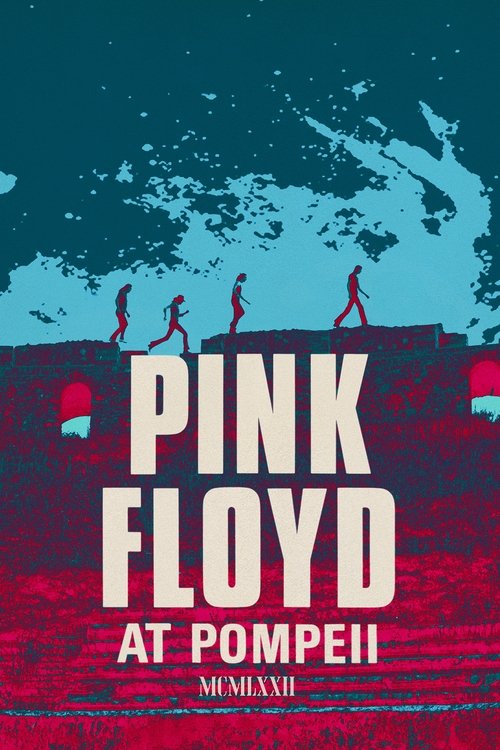
Pink Floyd: Live at Pompeii1972
A band performing in an extraordinary space with full commitment to the moment. The minimalism and focus on sound and presence over spectacle will resonate strongly.
But It's almost entirely performance with almost no interview or context. You're watching four English musicians, not a cultural movement. Only 55 minutes.
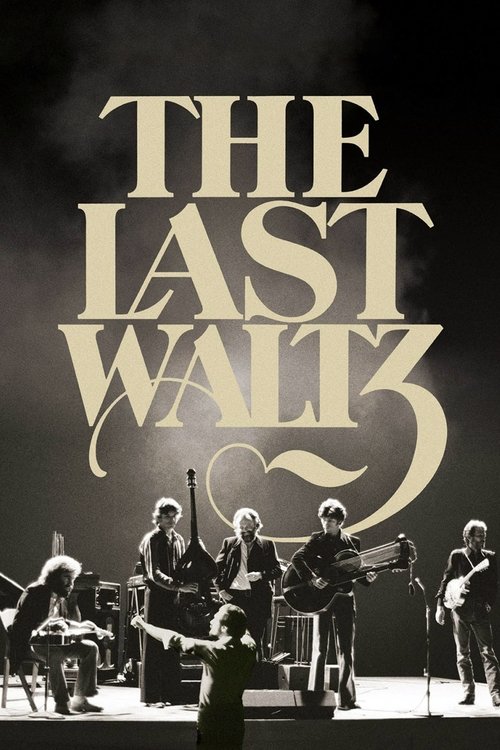
The Last Waltz1978
The Band's final concert directed by Scorsese, blending performances with brief, revelatory interviews. It captures both the music and the mythology of artists who wanted to make something real.
But Heavy focus on a specific moment of American rock closure; feels very of its time and place. Some find it more a museum piece than a living document.
Not sure tonight? Get a pick in a minute, starting from Trances
The wildcard
Something you would not have found on your own.
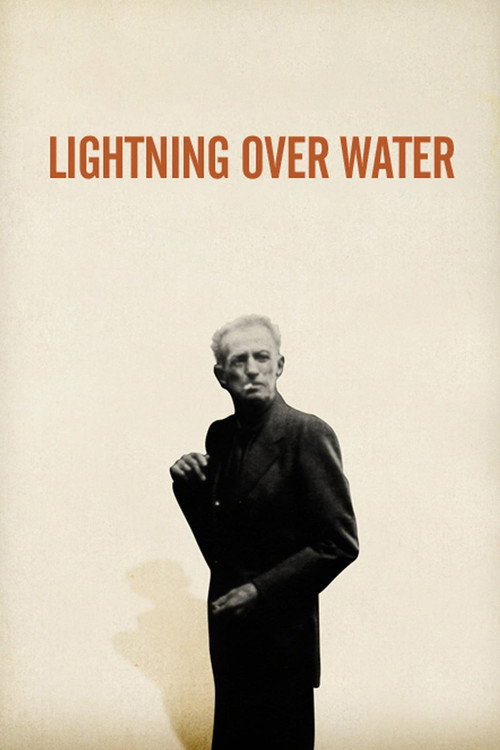
Lightning Over Water1980
Both are documentaries made in the early 1980s about artists at a specific point in time, filmed with intimacy and a sense that something historically vital is occurring. Both trust the camera to witness rather than explain.
Wim Wenders and Nicholas Ray filming each other as Ray dies of cancer, resulting in a meditation on creativity, legacy, and presence in the face of loss. Like Trances, it's about capturing something alive and irreplaceable before it vanishes.
But Not a concert film or music documentary. Very experimental, sometimes frustratingly unclear. Only tangentially about art itself—mostly about death and aging.
More like this (5)
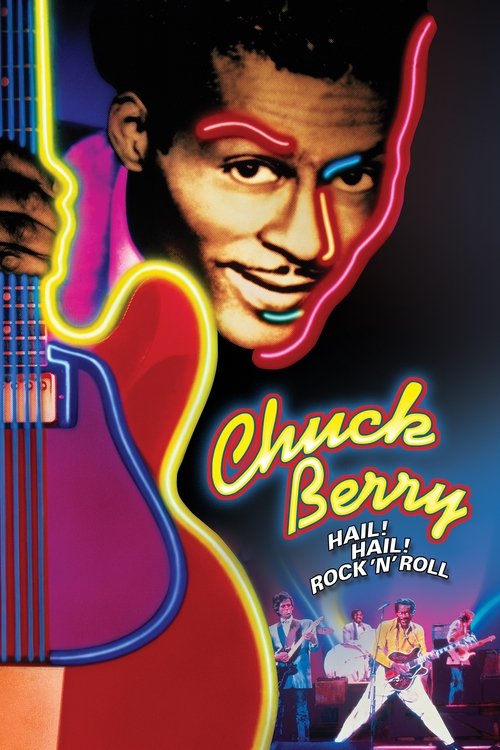
Chuck Berry: Hail! Hail! Rock 'n' Roll1987
A concert film celebrating Chuck Berry with performances from musicians across eras and genres. Like Trances, it honors a tradition-keeper and the lineage they represent.
But Becomes a bit scattered across too many performers and storylines. Berry himself is ageing and sometimes difficult to watch, which can feel uncomfortable rather than moving.
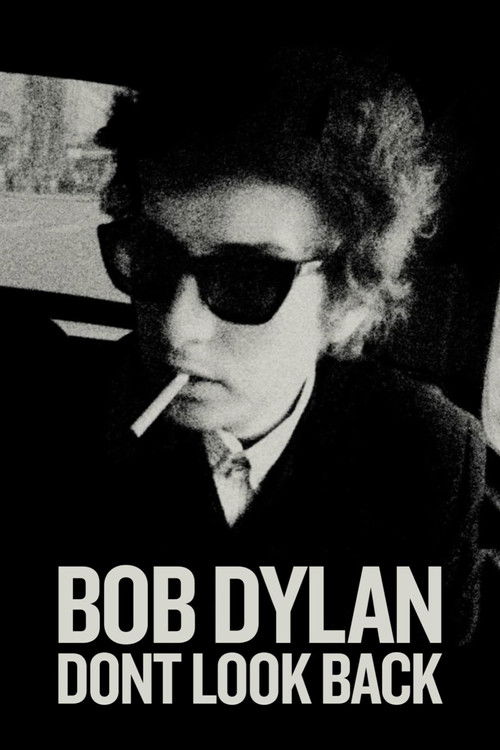
Bob Dylan – Don't Look Back1967
D.A. Pennebaker's famous Bob Dylan documentary from his 1965 UK tour. Raw, intimate, and catches a revolutionary artist at a pivotal moment with a hand-held immediacy.
But Dylan is deliberately evasive and sometimes hostile in interviews. Black-and-white and grainy even by 1967 standards. American folk-rock tradition, not Moroccan.
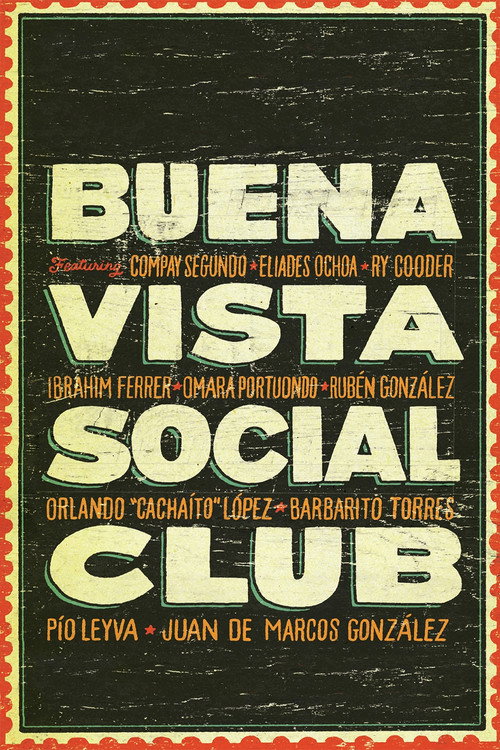
Buena Vista Social Club1999
Wim Wenders' portrait of elderly Cuban musicians rediscovering their art and their international audience. Celebrates tradition, dignity, and the power of music to transcend politics and time.
But Moves slowly and sentiently; some viewers find it more nostalgic than urgent. The film romanticizes Cuba in ways that have been questioned since release.
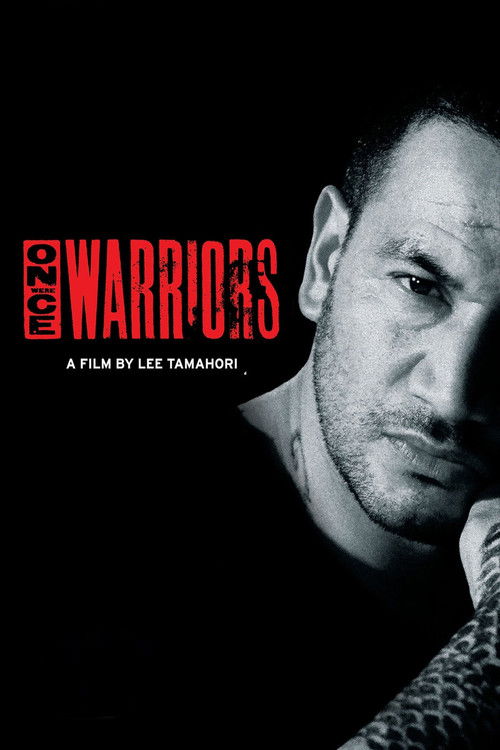
Once Were Warriors1994
Not a documentary, but a narrative film rooted in Maori culture and community that uses music as an expression of resilience and identity within hardship. Offers a different formal approach to similar themes.
But It's a drama, not a music film or documentary. Deals with domestic violence and trauma directly; the tone is heavy, not celebratory. Might feel like a left turn from what you're seeking.
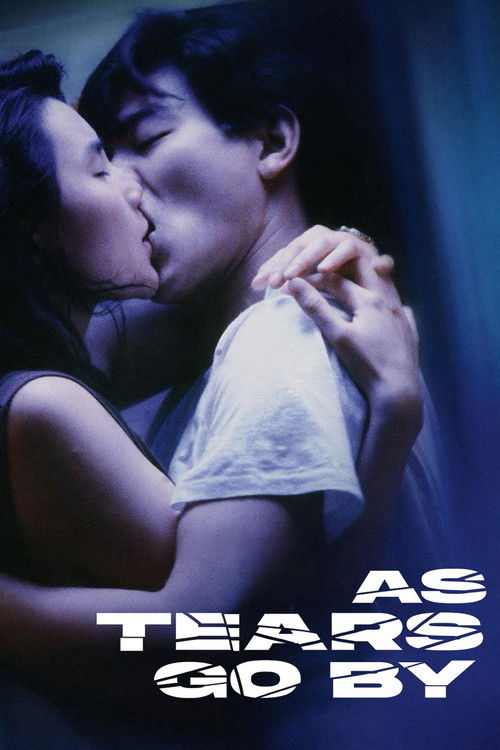
As Tears Go By1988
Both show how music and visual culture interweave to express the inner life of a community. Both reject Western commercial entertainment formulas in favor of something more rooted and true.
Wong Kar-wai's first feature, a Hong Kong film that transforms familiar genre material through visual poetry, emotional precision, and a soundtrack that becomes inseparable from meaning. Pure cinema married to music as cultural expression.
But Narrative fiction, not documentary. The plot is thin and melodramatic. Some find the visual style overwhelming rather than enlightening. No traditional music—it's scored with contemporary songs.
People
Cast
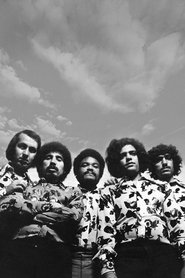 Nass El GhiwaneThemselves
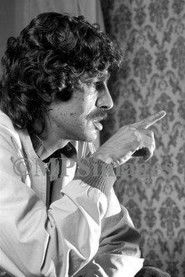 Larbi BatmaSelf - Percussion
- Omar SayedSelf - Percussion
- Abderrahman PacoSelf - Bass
- Allal YaalaSelf - Banjo
Directing
- Ahmed El MaânouniDirector
Writing
- Ahmed El MaânouniWriter
Production
- Izza GéniniProducer
- Souheil Ben-BarkaProducer
- Omar JawalProduction Manager
Recommended by
Summer of Soul (...Or, When the Revolution Could Not Be Televised)