
Film
As Tears Go By
Wong Kar-wai's debut is a fever dream of neon-soaked Hong Kong crime—all style, mood, and romantic ache. Wah, a mid-level gangster, is caught between his violent world and his love for his cousin Ngor, while his unstable best friend Fly spirals. It's less plot than atmosphere: rain, guitars, cigarette smoke, and the sting of wanting something you can't have. A visual landmark.
If you liked this
In the Mood for Love2000
Wong Kar-wai's masterpiece of thwarted romance and gorgeous restraint. Two neighbours discover their spouses are having an affair, and fall quietly in love without ever quite touching. Heartbreaking and exquisite.
But Deliberately slow and oblique. If you need plot momentum or explicit emotional statements, you'll find it frustrating rather than moving.

Chungking Express1994
Wong Kar-wai at his most playful: two lovesick cops and two women they meet by chance in Hong Kong. Bursting with energy, tenderness, and visual invention. You'll want to rewatch it immediately.
But It's a mood piece that doesn't want to settle into coherence. Some find it charming; others find it precious and shapeless.

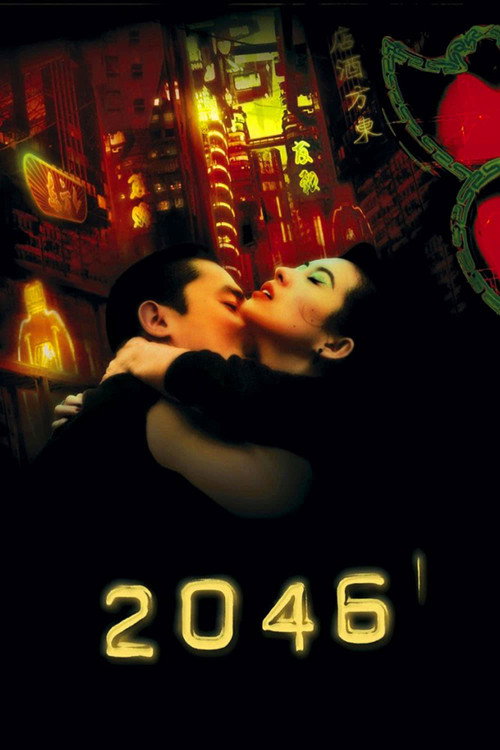
20462004
A spiritual sequel to In the Mood for Love, fragmented and experimental. A writer becomes obsessed with a woman; the film collapses past, present, and science fiction into gorgeous, haunting ambiguity. His most ambitious formal work.
But Dense and difficult. Long stretches without clear narrative; you're surrendering to mood and image rather than following a story.
Not sure tonight? Get a pick in a minute, starting from As Tears Go By
The wildcard
Something you would not have found on your own.
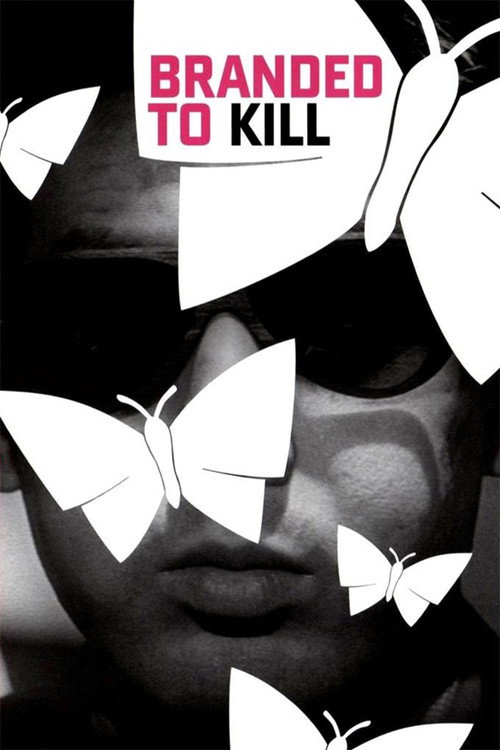
Branded to Kill1967
Both films center on a criminal protagonist torn between love and obligation; both use visual style—color, camera movement, editing—to express emotional turmoil rather than plot.
Seijun Suzuki's hallucinatory yakuza film: a hired killer obsesses over a woman and everything spirals into surrealism. The connection to As Tears Go By is direct—a man caught between criminal duty and romantic obsession, filmed as a dream. But where Wong Kar-wai uses style to seduce, Suzuki uses it to disorient. Decades earlier and radically different in method.
But Experimental and strange by 1967 standards, strange still. The narrative fractures. If you want clarity or conventional storytelling, you're in the wrong film.
More like this (7)
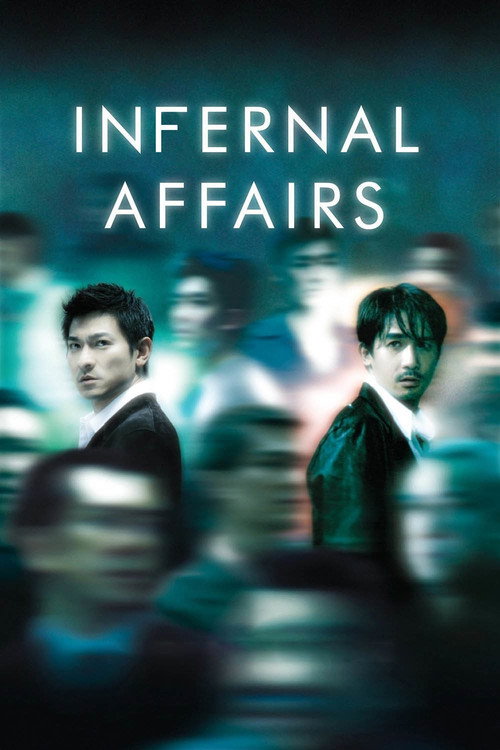
Infernal Affairs2002
The gold standard for Hong Kong crime thrillers. An undercover cop and a mole in the police force are hunting each other. Tense, smart, and superbly acted—it influenced every cop thriller that followed.
But The structure is clever rather than surprising once you see it. And the moral complexity is honestly a bit shallow compared to its reputation.
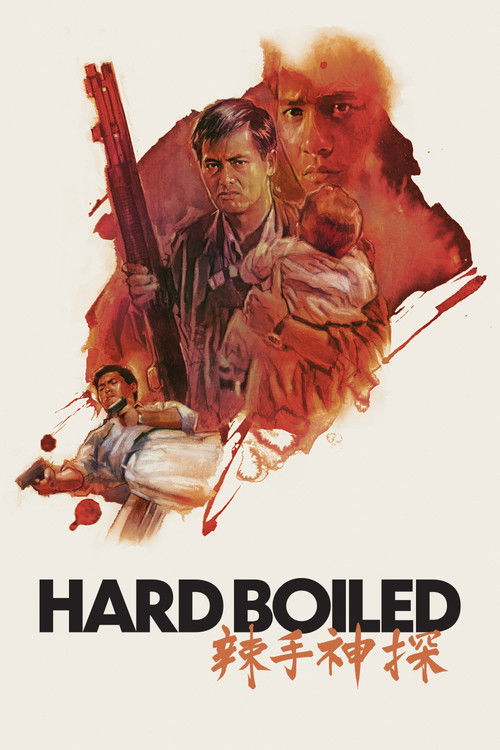
Hard Boiled1992
John Woo's masterpiece: an undercover cop infiltrates a Triad gang while trying to protect an informant. Operatic violence, genuine emotion, and set pieces that defined action cinema. Pure adrenaline with a heart.
But Very of its era—some action beats feel dated now, and there's occasional melodrama that doesn't quite land. The subtitle timing can also be dodgy.
A Prophet2009
A young man enters prison and rises through sheer intelligence and ruthlessness. French but shares the same DNA as As Tears Go By: crime as a cage that destroys you even as it consumes your attention.
But Long, deliberately paced, and emotionally bleak. No comfort or catharsis. Watching Malik's ascent is fascinating but grim.

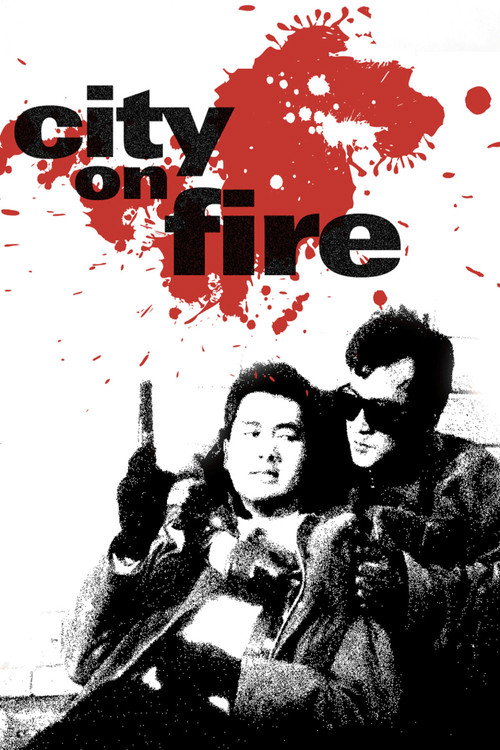
City on Fire1987
Ringo Lam's noir: an undercover cop goes too deep into a Triad gang and loses his bearings. Savage, stylish, and genuinely disorienting. It influenced Tarantino directly and still moves with kinetic energy.
But The pacing is uneven and some plot threads vanish. The tone wobbles between grit and melodrama. It feels like a rough draft of something greater.
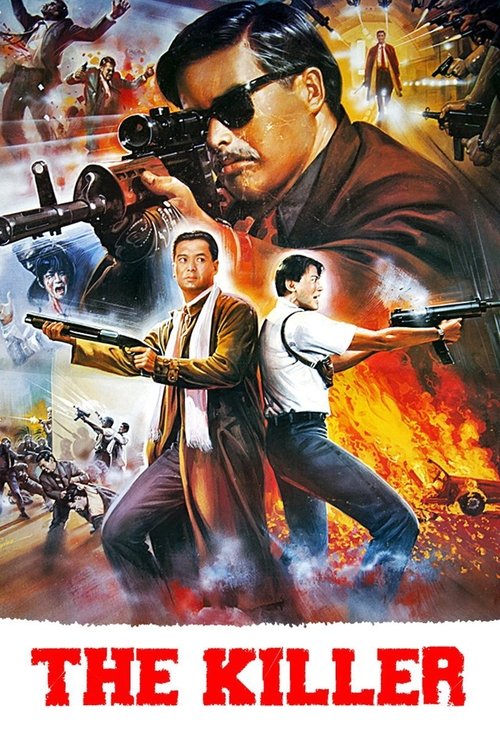
The Killer1989
A hitman blinds a woman by accident and becomes protective of her. John Woo again, but slower and sadder than Hard Boiled—a meditation on duty, conscience, and the cost of violence. Achingly beautiful.
But Deliberately mannered. The pacing is glacial by action standards, and the melodrama will feel overwrought if you're not in the right headspace.
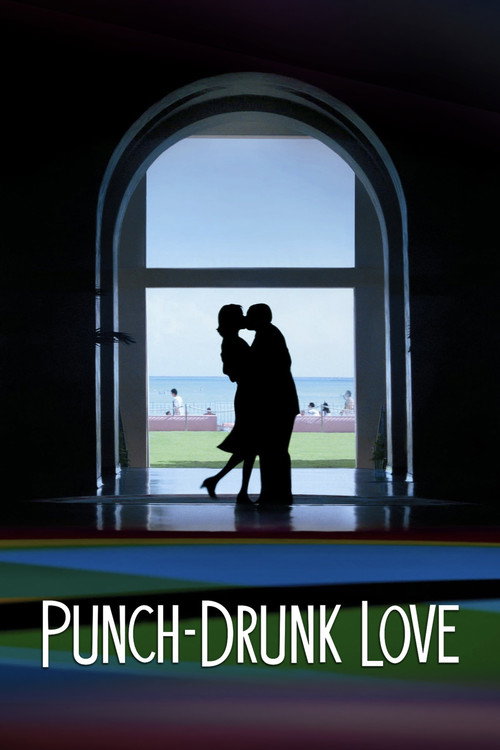
Punch-Drunk Love2002
Both pair romantic yearning with a protagonist spiraling through circumstances beyond his control, using dazzling stylization to make inner chaos visible. Both are about men caught between worlds they didn't choose.
Paul Thomas Anderson's portrait of a lonely, volatile man (Adam Sandler) who finds love and also gets tangled with a phone-sex scam. It's achingly beautiful and deeply strange. Like As Tears Go By, it uses visual excess and jazzy sound design to show a man spinning, caught between different forces—but here the violence is internal and the tone is tender rather than noir.
But Adam Sandler in a dramatic role will throw some people off. The film is deliberately eccentric and the plotting is murky. Some find it self-indulgent.
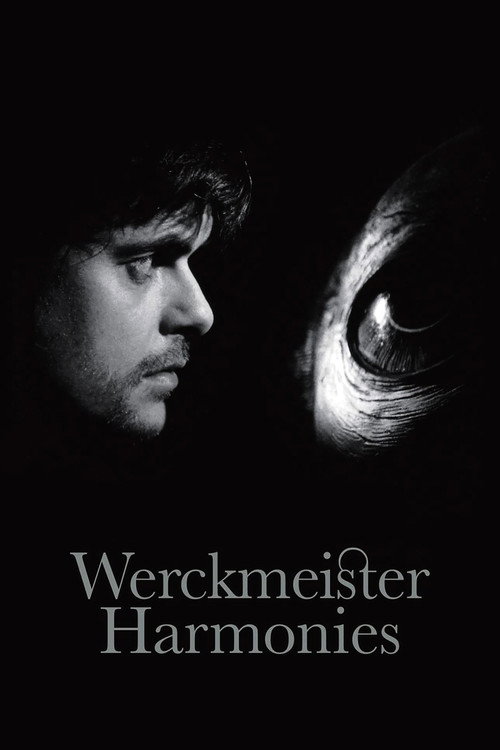
Werckmeister Harmonies2001
Both are elegies for worlds in collapse, told through the eyes of men who cannot save what they love. Both use camera movement, composition, and editing as the primary emotional language rather than dialogue or plot.
Béla Tarr's Hungarian masterpiece: a mysterious ship with a whale arrives in a provincial town and everything destabilizes. Shot in black and white, glacially paced, hypnotic. The connection to As Tears Go By is tonal and structural—both are about a world coming apart; both use visual beauty and long takes to make you feel the weight of inevitability. Completely different surface, same emotional core.
But Two hours of black-and-white, no-dialogue long takes. If you need conventional pacing or narrative momentum, this will feel like torture. Tarr is an acquired taste.
People
Cast
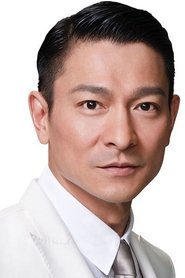 Andy LauWah
 Maggie CheungNgor
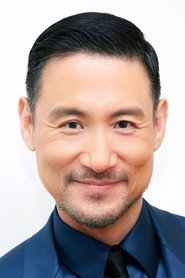
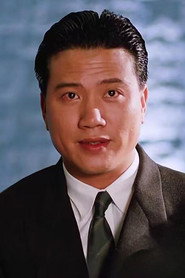
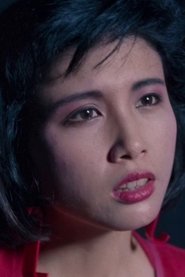 Wong AauMabel
 Ronald WongSai
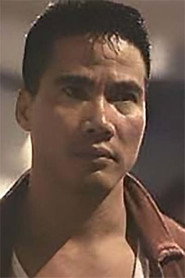 Chan Chi-FaiBilliard Parlor Thug
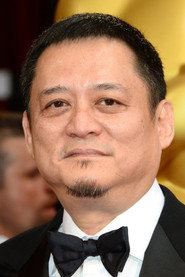 William Chang Suk-PingNgor's Doctor
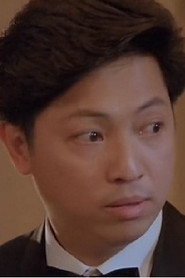 Benz Kong To-HoiFat Carl
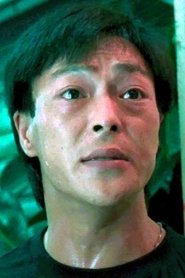 Wong Kim-FungTony's Thug
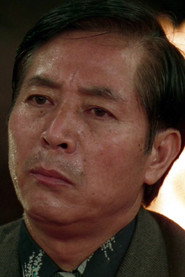 Pong Keung-FaiSai's Father-in-Law
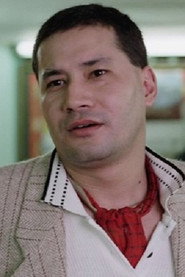 Kan Tat-WahBig Mouth Kay
Directing
- Benz Kong To-HoiAction Director
- Stephen Tung WaiAction Director
- Chung Pooi-LaanAssistant Director
- Johnnie KongAssistant Director
- Lin TuanContinuity
- Wong Kar-waiDirector
Writing
- Jeffrey LauWriter
- Wong Kar-waiWriter
Production
- Stanley Siu WingPost Production Coordinator
- Alan Tang Kwong-WingProducer
- Lai On-YiProduction Coordinator
- Jackson Chan Tak-WaProduction Manager
- Sam Yi-WaProduction Manager
- Wong Lai-FongProduction Manager