
Film
The Green Wall
A 1970 Peruvian drama about young lovers who abandon the city for the jungle's promise and peril. It's a slow-burn romantic melodrama shot on location, all humid atmosphere and mounting dread. For viewers drawn to romantic fatalism and cinema that trusts its landscape to tell the story.
Should you watch it?
Watch it if you love slow, sensory films where the landscape carries the emotion, and you're happy with a romance that plays out as a struggle against nature, not a love story in a pretty setting.
Skip it if you want a tidy plot and quick payoffs; this moves at the pace of its humid surroundings, and the drama can feel thin when the story stalls.
What it asks of you: Patience first. Long, unhurried stretches dwell on the rain, the mud and the physical toil, so attention counts for more than keeping track of plot.
Not sure? Find tonight's pick in a minute.
If you liked this
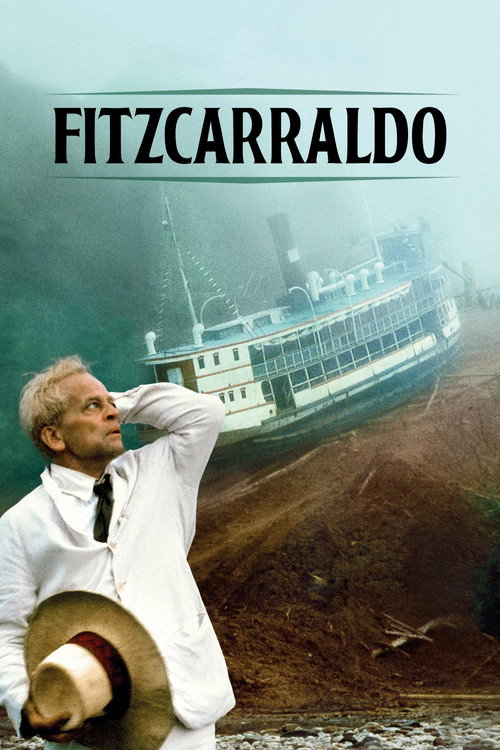
Fitzcarraldo1982
Werner Herzog's obsessive rubber baron drags a ship over a mountain in the Amazon. It shares The Green Wall's vision of the jungle as beautiful, indifferent, and utterly unforgiving—and it's a genuine fever dream.
But Nearly four hours long, glacially paced, and Herzog's eccentricity can read as self-indulgent rather than visionary.
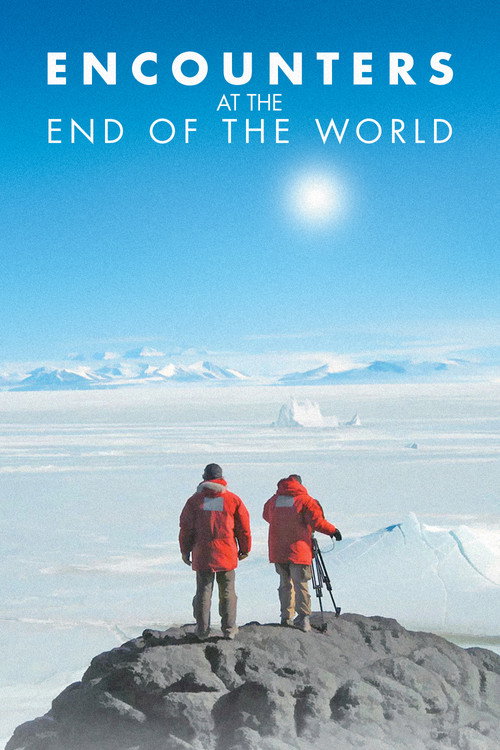
Encounters at the End of the World2007
A French couple retreats to a remote Brazilian village seeking a fresh start, only to find the jungle offers isolation without redemption. The same romantic delusion, the same slow realization of what they've actually chosen.
But It's in French, obscurely distributed, and the pacing makes it feel even longer than its runtime.
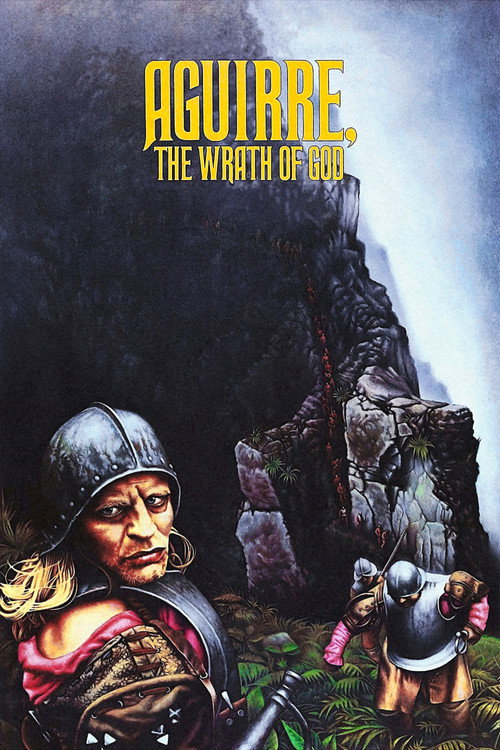
Aguirre, the Wrath of God1972
Herzog again, but this time conquistadors pursue a myth into the Peruvian jungle. Like The Green Wall, it's about ambition meeting an environment that simply does not care about human dreams.
But Black-and-white, shot documentary-style, and the narrative dissolves into repetition by design. Not for anyone needing conventional drama.
Not sure tonight? Get a pick in a minute, starting from The Green Wall
The wildcard
Something you would not have found on your own.
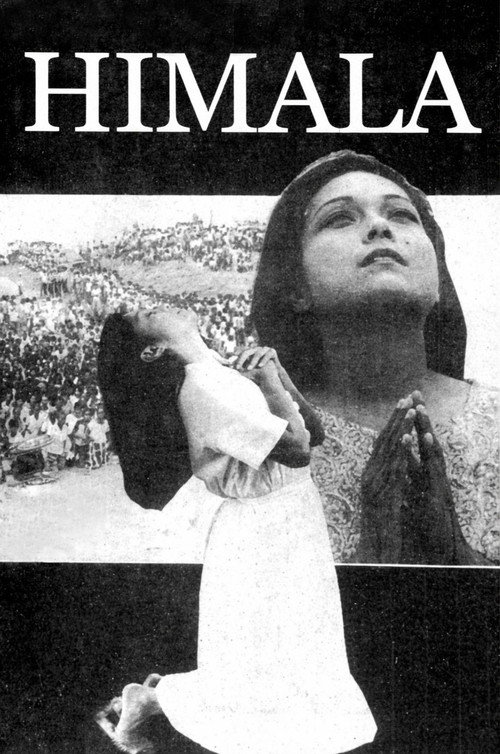
Himala1982
Both use a beautiful, indifferent landscape to expose the romantic fantasy their characters cling to; both end in ruin dressed as transcendence.
Ishmael Bernal's Philippine masterpiece about a woman claiming a miracle appears in a shantytown. Like The Green Wall it tracks how hope and delusion collapse into each other—but this time the landscape is poverty, not jungle, and the story indicts belief itself.
But In Tagalog with subtitles, it's a three-hour emotional devastation that despairs of salvation. Many find it nearly unwatchable.
More like this (8)
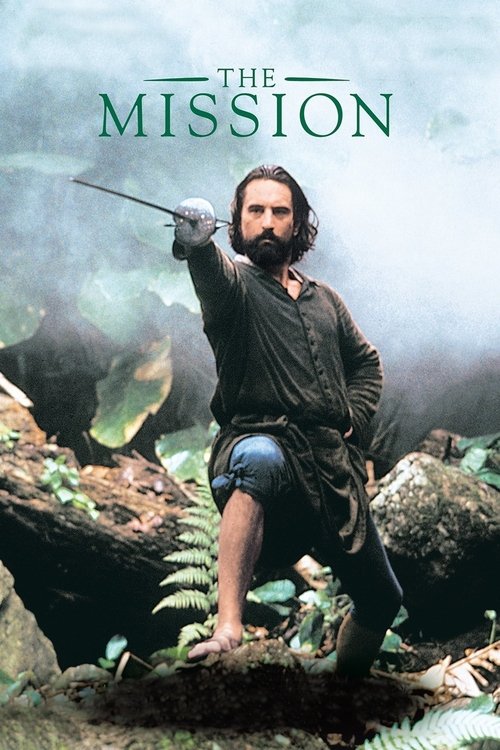
The Mission1986
Two men navigate jungle, faith, and impossible choices in colonial South America. Visually stunning and emotionally complex in ways that feel closest to what The Green Wall is reaching for—romance trapped between civilization and wilderness.
But Nearly three hours, and the second half shifts tone dramatically in ways some find frustrating or preachy.
Embrace of the Serpent2015
Black-and-white Colombian film following a shaman and a westerner upriver into the Amazon. Dreamlike, meditative, and genuinely mythic—it captures the jungle's strangeness without ever explaining it.
But Narrative is deliberately oblique; if you need plot clarity and psychological realism, this will feel like watching through a fever.

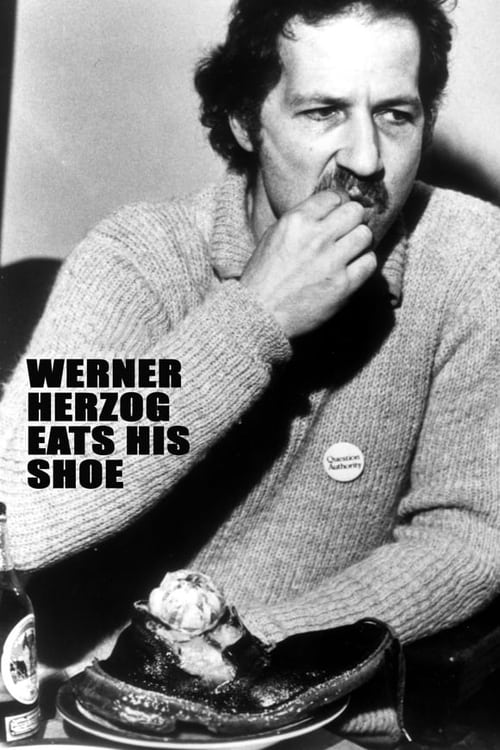
Werner Herzog Eats His Shoe1980
A short documentary about Herzog's obsession. Not directly related, but it perfectly crystallizes the kind of romantic delusion about the natural world that drives The Green Wall's couple into the green.
But Extremely short and requires knowing Herzog's context; feels like a footnote if you don't care about him.
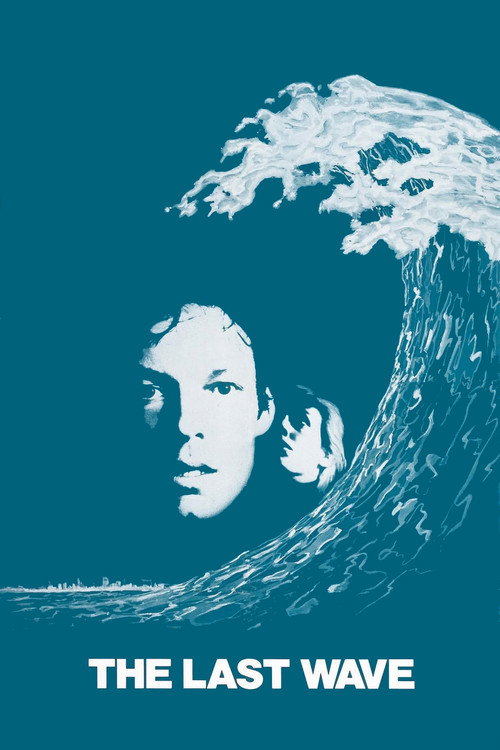
The Last Wave1977
Picnic at Hanging Rock director Peter Weir explores a lawyer drawn into an Aboriginal mystery. It shares The Green Wall's sense of civilization cracking against something older and more powerful—though Weir finds dread in the familiar.
But The supernatural elements can feel dated, and the ending divides viewers sharply on whether it's profound or pretentious.
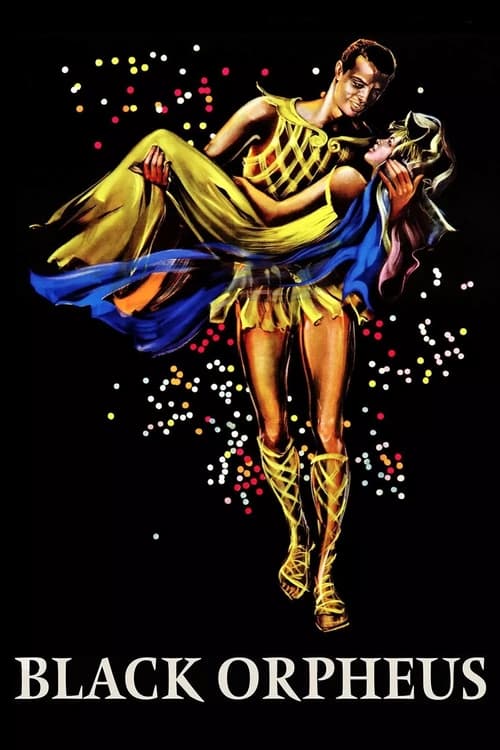
Black Orpheus1959
A modernized Orpheus myth set in Rio's favelas during Carnival. Gorgeously shot, genuinely tragic, and like The Green Wall it understands landscape as character and fate as inevitable.
But The exoticizing gaze is unmissable to modern viewers; it's undeniably a film made by outsiders about Brazil, for outsiders.
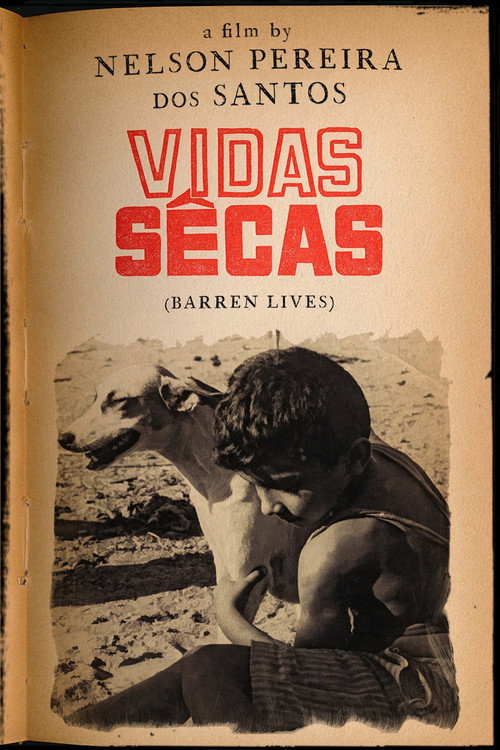
Barren Lives1963
Brazilian classic about a family surviving drought in the backlands. Austere and humane in equal measure; land as antagonist rather than backdrop. The anti-romance: struggle without sentiment.
But Shot in crystalline black-and-white with minimal dialogue. It demands patience and will feel even starker than it is if you're expecting narrative momentum.
Heaven Official's Blessing2020
Same central betrayal: retreat from civilization as salvation only reveals what you've actually fled from. Where The Green Wall mourns, this one stalks.
German miniseries about a couple trying to escape their lives by moving into a rural farmhouse, only to find community, history, and darkness waiting. The urban refuge fantasy mirrors The Green Wall perfectly—but it's a thriller that understands the horror in isolation and romanticization.
But Requires German-language fluency or serious subtitle commitment, and the tone shift into horror-melodrama may feel tonally confused.

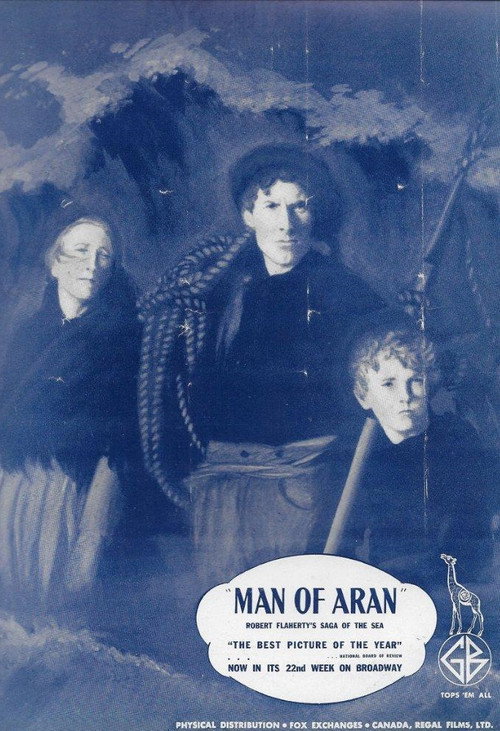
Man of Aran1934
Both films use stunning cinematography to seduce viewers into the romance of living hard in wild places—but Flaherty believes it while The Green Wall suspects it's a lie we tell ourselves.
Robert Flaherty's documentary-drama hybrid about fishing families on a windswept Irish island. Shot like narrative cinema but authentically lived-in; it shares The Green Wall's fascination with humans against hostile landscape, but it reveres rather than critiques the fantasy.
But Nearly an hour of largely plotless daily survival. Shot 1934 silent style, it feels archaeological. The romanticization of poverty is now discomfiting.
People
Cast
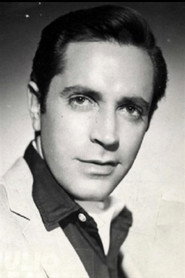 Julio AlemánMario
- Sandra RivaDelba
- Raúl MartinRómulo
- Lorena DuvalMadre de Delba
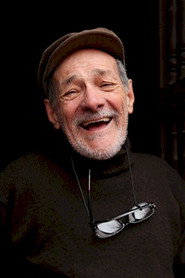 Enrique VictoriaPadre de Delba
- Jorge MontoroJefe de tierras de montaña
- Juan Bautista FontDirector de colonización
- Escolástico DávilaEscolástico
- Hernán RomeroJugador en el bar
- Esteban RengifoFidel
Directing
- Armando Robles GodoyDirector
Writing
- Omar AramayoNovel
- Juan CuadrosWriter
Production
- Manuel YoriProducer