
Film
A Poet in New York
- Biopic
- Very dark
A Poet in New York traces Dylan Thomas's final, unravelling visit to America in 1953, when the Welsh poet arrived in Manhattan riding a wave of celebrity and literary acclaim. Tom Hollander embodies Thomas at his most charismatic and self-destructive, caught between artistic triumph and personal collapse. It's a compact, melancholic character study that asks what genius costs—both the man living it and the people watching him burn.
If you liked this
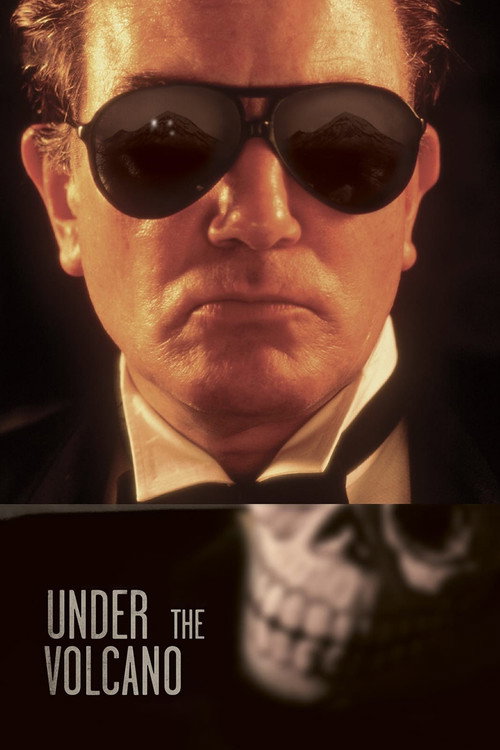
Under the Volcano1984
Malcolm Lowry's novel becomes Huston's masterpiece: a single day in Mexico with an alcoholic consul unravelling in real time. Like Thomas, it's about a brilliant mind drowning in booze, ambition, and the gap between who you want to be and who you are.
But It's claustrophobic and deliberately repetitive, circling the same dark thoughts. The pacing won't rush you anywhere; it wants you to sit with the deterioration.
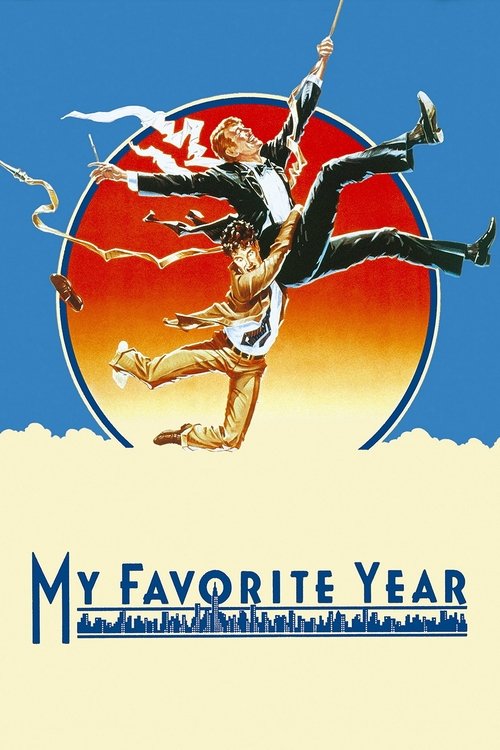
My Favorite Year1982
Peter O'Toole as a charming, washed-up actor mentoring a young writer in 1950s television. It captures that same luminous recklessness—the gift, the chaos, the impossible allure of someone who makes genius look like it costs nothing.
But It's lighter in tone than Thomas's story and skews nostalgic. If you want something grittier, this might feel too affectionate about its subject's excess.
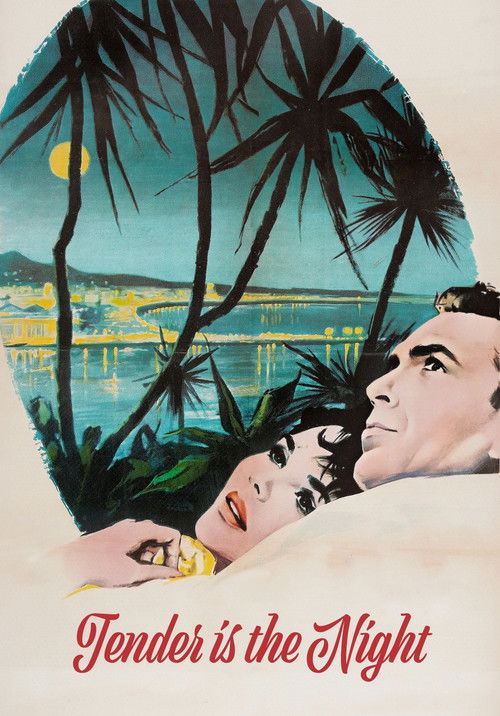
Tender Is the Night1962
Dick Diver is Fitzgerald's self-portrait of talent squandered in Europe's golden age. The marriage crumbles, the drinking accelerates, and we watch a man with every advantage slowly hollow out. The parallel to Thomas is precise and haunting.
But It's a lavish 1960s production about people behaving badly in beautiful settings. That glossiness can distance you from the real hurt underneath.
Not sure tonight? Get a pick in a minute, starting from A Poet in New York
The wildcard
Something you would not have found on your own.
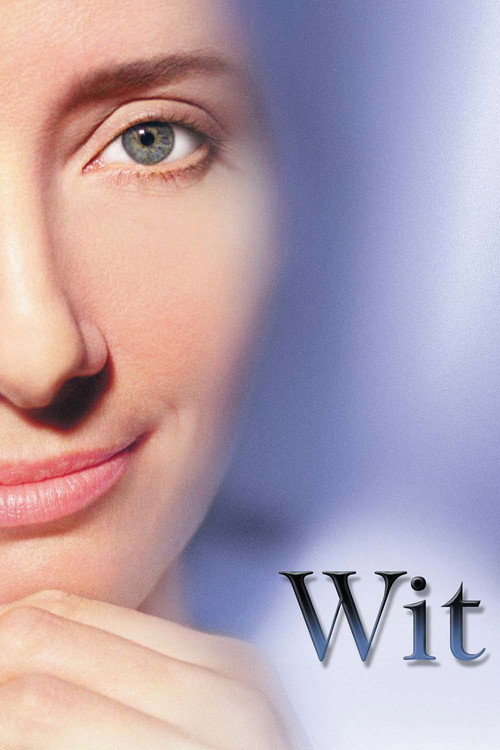
Wit2001
Both centre on a charismatic, difficult artist watching their power drain away in a confined space (hospital, Manhattan), unable to stop the process.
Emma Thompson as a scholar of metaphysical poetry dying of cancer in a hospital. It's also a meditation on brilliant, difficult people; on the distance between intellect and human connection; on what happens when the body betrays the mind. The connection isn't biographical—it's structural: both are about artists confronting their own unmaking.
But It's very theatrical and very American about emotion. The metaphysical poetry can feel overstuffed, and some viewers find it manipulatively sentimental.
More like this (7)
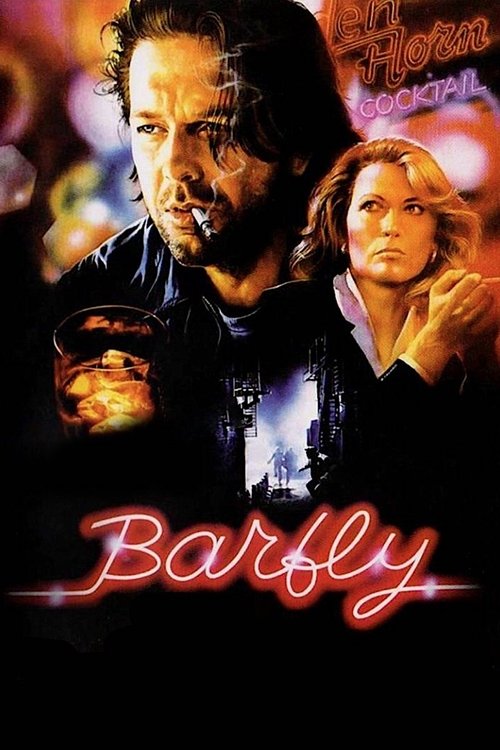
Barfly1987
Bukowski wrote it, Schroeder directed it, and it's about a poet and a woman getting drunk in Los Angeles. Raw, funny, unglamorous, and absolutely uninterested in redeeming its characters. This is what the drinking-writer story looks like without sentimentality.
But It's nihilistic and repetitive by design. There's no narrative arc, just a downward spiral presented with deadpan humour. If you need the story to go somewhere, this will frustrate you.
The Remains of the Day1993
Stevens is a man who has sacrificed everything—authenticity, love, voice—to serve. Thomas is the opposite, but both are about the terrible cost of being trapped in a role you've outgrown. Different prisons, same suffocation.
But It's measured and restrained, almost Jeeves-and-Wooster in its repression. The emotional explosiveness you might crave is deliberately withheld.

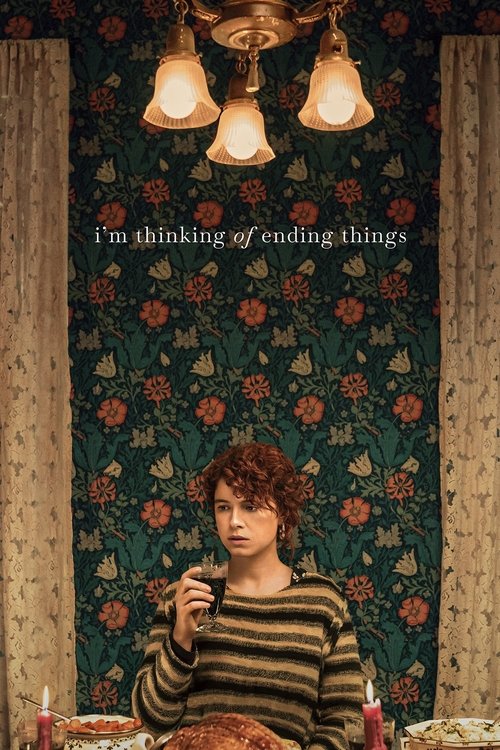
I'm Thinking of Ending Things2020
Kaufman's film about art, marriage, and the stories we tell about ourselves. Like Thomas, it's about the gap between the person you perform and the person inside, and it's genuinely unsettling about what that gap costs.
But It's deliberately confusing and unreliable. Some viewers find it pretentious or exhausting rather than profound. You have to meet it halfway.
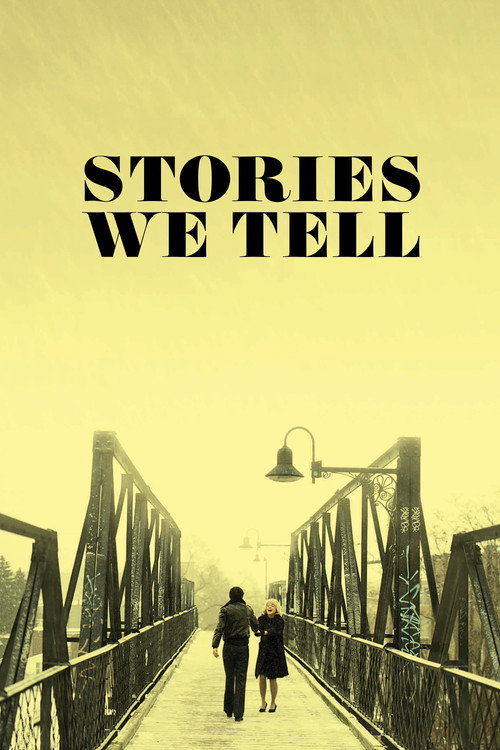
Stories We Tell2012
Michael Haneke's quietly devastating look at a family, memory, and narrative. The film asks how we mythologise people we love, especially the charismatic and self-destructive. It shares Thomas's interest in the stories we construct around talent.
But It's a slow, observational film about domestic life. If you're looking for dramatic confrontation or poetry, this is anti-cinematic by design.
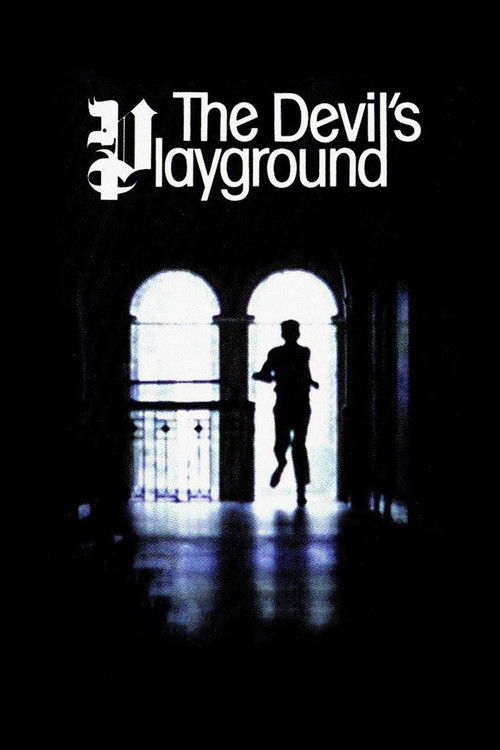
The Devil's Playground1977
Dreyer's austere meditation on religious vocation and temptation. A priest wrestles with his calling and his desires in a confined space. It's about the cost of choosing one life over another, with an intensity that matches Thomas's internal war.
But It's Danish, modernist, and emotionally controlled. The language is philosophical rather than immediate, and patience is required.
Synecdoche, New York2008
Both are about the moment when talent and neurosis become indistinguishable, when the persona consumes the person, and nothing—not love, not acclaim, not art itself—can stop the collapse.
Kaufman's fever dream about a theatre director creating an increasingly deranged replica of life inside a warehouse. Caden Cotard is Thomas's mirror: brilliant, self-destructive, unable to distinguish between art and existence. The film moves like an anxiety attack masquerading as a magnum opus.
But It's ornate, referential, and self-consciously confused. Critics are split on whether it's genius or a parody of artistic pretension. Some find it exhausting; others find it essential.

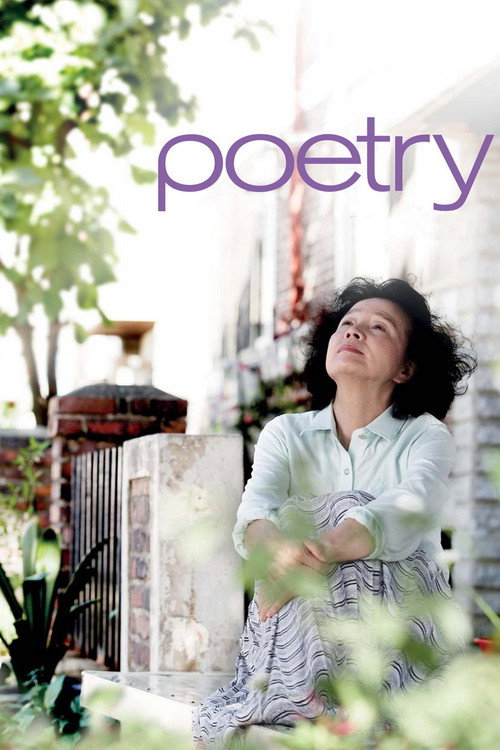
Poetry2010
Both examine art not as redemption but as a system of self-preservation that leaves casualties. Thomas and the grandmother in Poetry both use it differently, but both use it to avoid reckoning with what they've done.
South Korean filmmaker Lee Chang-dong made this about a retired woman who discovers poetry late in life. It's the opposite of Thomas—not famous, not young, not self-destroying—but it asks the same question: What does art ask of us? What are we willing to sacrifice for it? What does it cost the people around us? It's quiet, oblique, and morally unsettling.
But It's slow and deeply unhappy. The ending deliberately refuses catharsis or redemption. It's not about art as transcendence; it's about art as justification for terrible things.
People
Cast
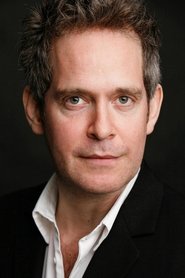 Tom HollanderDylan Thomas
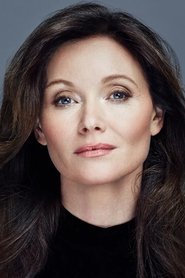 Essie DavisCaitlin Thomas
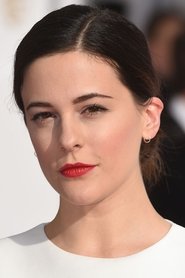 Phoebe FoxLiz Reitell
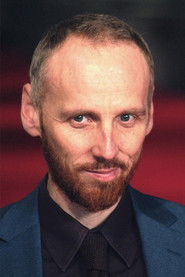 Ewen BremnerJohn Malcolm Brinnin
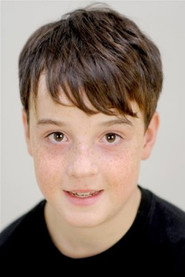 Celt Llewelyn-JonesYoung Dylan
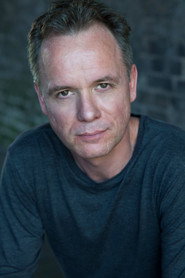 Jamie BallardJerry Hart
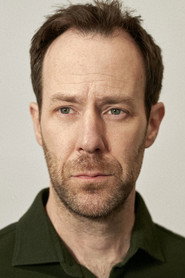 Demetri GoritsasDr Milton Feltenstein
 Samantha CoughlanSylvie
 Naomi EversonRollie McKenna
- Jason MayLongshoreman
 Robert BlytheDylan's Dad
 Sharon MorganDylan's Mam
Directing
- Aisling WalshDirector
Writing
- Andrew DaviesWriter
Production
- Shaheen BaigCasting
- Griff Rhys JonesExecutive Producer
- Ruth CalebProducer