
Film
Wit
Mike Nichols' adaptation of Margaret Edson's Pulitzer-winning play puts Emma Thompson's formidable English professor through experimental chemotherapy for ovarian cancer, addressing the camera with the same rigor she once brought to John Donne. It's spare, unsentimental, sharply funny in flashes and devastating by the end — for viewers who want illness drama that respects intelligence over spectacle.
If you liked this
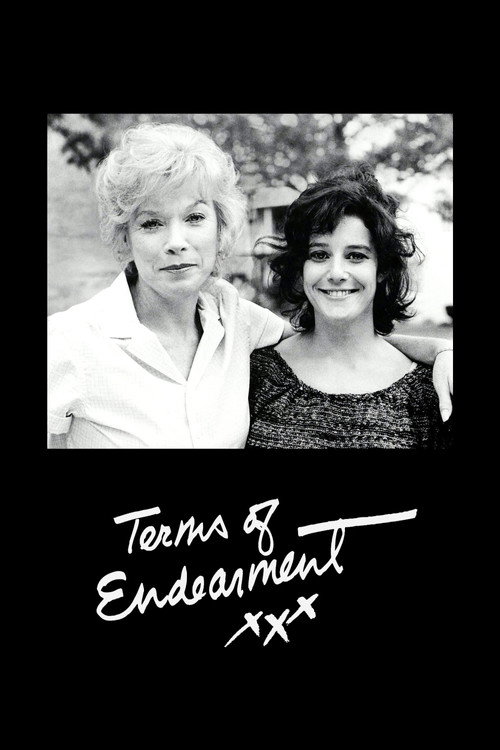
Terms of Endearment1983
The original tearjerker terminal-illness drama, alternating mother-daughter comedy with unflinching hospital-bed grief; still the yardstick against which every 'cancer movie' gets measured, and it earns every one of its Oscars.
But It's melodrama in a way Wit refuses to be — broader, warmer, less interested in irony than in wringing you out.
Still Alice2014
Julianne Moore's linguistics professor loses her mind to early-onset Alzheimer's in a mirror image of Vivian Bearing's ordeal — another brilliant woman watching the thing she built her identity on dissolve in real time.
But It's gentler and more conventionally shot than Wit; the tragedy is quieter, more tearjerker than provocation.

50/502011no page yet
A twenty-something's cancer diagnosis played for genuine laughs alongside genuine terror, proving Wit's instinct — that gallows humor and real dread aren't opposites — works in a completely different key.
But It's a studio comedy at heart, with a much softer landing than Wit allows itself.
The wildcard
Something you would not have found on your own.
Ikiru1952
Same engine as Wit — an intellectual, remote person handed a terminal diagnosis and forced to reckon with how they've spent their life — but made fifty years earlier, in Japan, with warmth where Wit has irony.
A minor bureaucrat gets a stomach cancer diagnosis and spends his remaining months trying to matter, in Kurosawa's tender, exacting study of a wasted life confronting its end — one of cinema's great answers to 'what now?'
But Black-and-white, subtitled, and nearly three hours, with a structural gambit — the film keeps going after its hero doesn't — that some viewers find frustrating.

More like this (7)
The Big C2010no page yet
Laura Linney spends four seasons refusing to be a 'cancer patient' on anyone's terms but her own, sardonic and stubborn in a way Vivian Bearing would recognize instantly.
But A drama-comedy stretched over years dilutes the intensity; it's a slow simmer, not the single gut-punch Wit delivers.
You Don't Know Jack2010no page yet
Al Pacino as Jack Kevorkian turns the right-to-die debate into a fierce character study, asking who gets to decide how a dying person's story ends — the same question Wit poses from the other side of the bed.
But It's more legal drama than intimate portrait; the focus is Kevorkian's crusade, not any one patient's inner life.
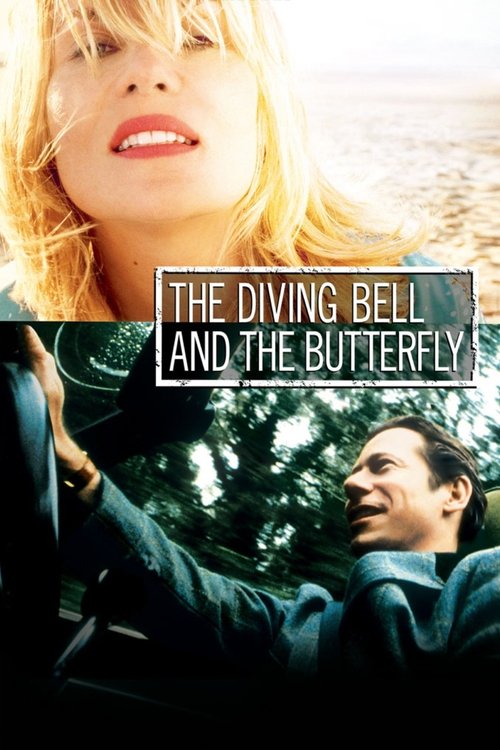
The Diving Bell and the Butterfly2007
A magazine editor, paralyzed by stroke, narrates his own imprisonment inside a body that no longer obeys him — formally daring, and just as interested as Wit in what's left of a person when language is all they have.
But Its visual experimentation and subtitled French dialogue ask more patience than Wit's straightforward stagecraft.
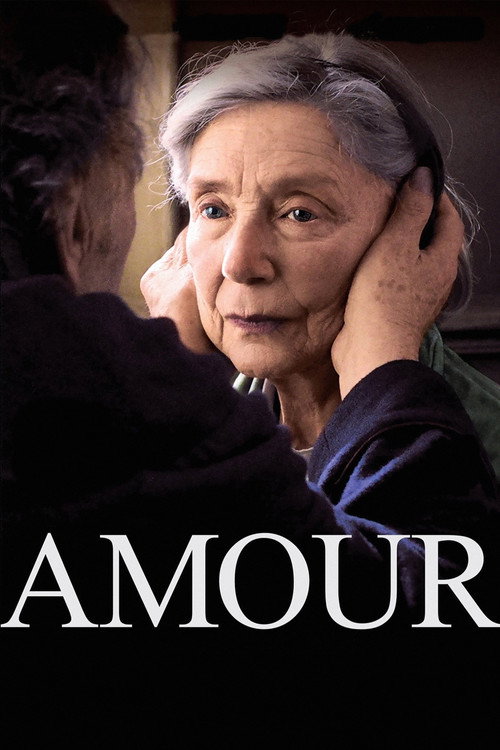
Amour2012
Michael Haneke's unsparing account of an elderly couple facing decline together has none of Wit's wordplay, but the same refusal to look away from what dying actually does to a body and a mind.
But It's colder and slower, with almost none of Wit's dark humor to relieve the tension.
A Short Stay in Switzerland2009no page yet
Julie Walters plays a doctor with a terminal illness who chooses to die on her own terms in Zurich — British, restrained, and just as concerned with dignity and autonomy as Wit is.
But Little-known and modest in scale; it won't have Nichols' directorial polish or Thompson's star wattage.
Dying for Sex2025no page yet
A woman with terminal cancer decides to spend her remaining time chasing pleasure instead of propriety — brasher and funnier than Wit, but asking the same underlying question about what's owed to a dying person.
But Its frankness about sex and comic energy sit at the opposite end of Wit's austere register; tonally, it's a different animal.
One Flew Over the Cuckoo's Nest1975
Both are studies of a brilliant, difficult person stripped of autonomy by a clinical institution that speaks its own dehumanizing language — Wit's oncologists and Cuckoo's Nest's Nurse Ratched are cousins.
A fiercely intelligent troublemaker gets ground down by a hospital system that treats him as a case file rather than a person — the same institutional chill Wit trains on oncology wards, relocated to a psychiatric one.
But It's a much broader, angrier film, with moments of outright comedy and rebellion that Wit's quieter register never reaches for.

People
Cast
 Emma ThompsonVivian Bearing
 Audra McDonaldSusie Monahan
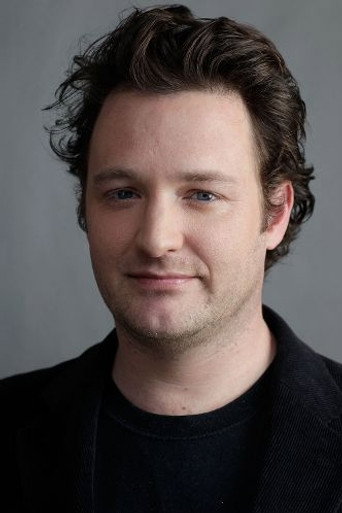 Jonathan M. WoodwardDr Jason Posner
 Christopher LloydDr. Harvey Kelekian
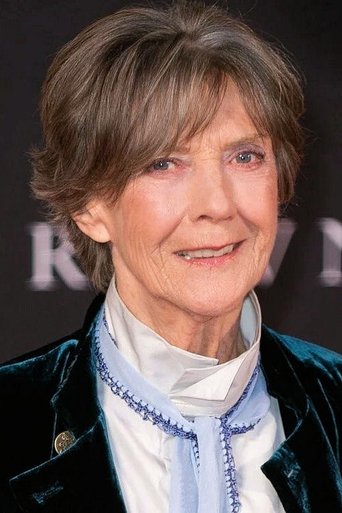 Eileen AtkinsEvelyn 'E.M' Ashford
 Benedict WongFellow 2
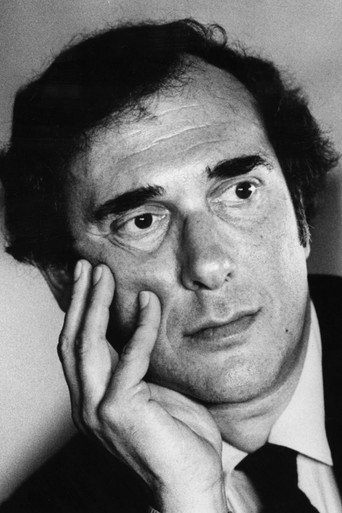 Harold PinterMr. Bearing
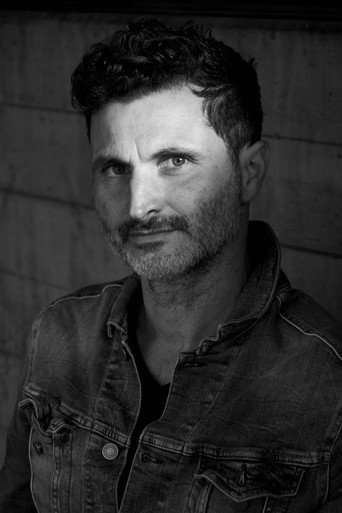 Raffaello DegruttolaTechnician 1
 Miquel BrownTechnician 2
 Hari DhillonFellow 1
 Lachele CarlFellow 4
 David MenkinStudent 1
Directing
- Mark LaytonAssistant Director
- Michael HaleyAssistant Director
- Mike NicholsDirector
- Beverly WinstonScript Supervisor
Writing
- Emma ThompsonTeleplay
- Mike NicholsTeleplay
- Margaret EdsonTheatre Play
- Emma ThompsonWriter
- Margaret EdsonWriter
- Mike NicholsWriter
Production
- Paul A. LevinAssociate Producer
- Ellen LewisCasting
- Juliet TaylorCasting
- Leo DavisCasting
- Julie LynnCo-Producer
- Michael HaleyCo-Producer
- Cary BrokawExecutive Producer
- Mike NicholsExecutive Producer
- Simon BosanquetProducer
- Rachel NealeUnit Production Manager
Recommended by
Getting On, The Theory of Everything, The Diving Bell and the Butterfly, Angels in America, Nurse, Notes on Blindness, New Amsterdam, The Waiting Room, Life Itself, Patch Adams