
Film
My Own Country
A 1998 TV film about Dr. Abraham Verghese, an Indian physician who arrives in rural Tennessee in 1985 and becomes an unexpected healer for AIDS patients during the epidemic's darkest, most stigmatized years. Quietly powerful, rooted in real compassion rather than sentimentality. For anyone moved by stories of dignity in crisis and medicine as an act of mercy.
If you liked this
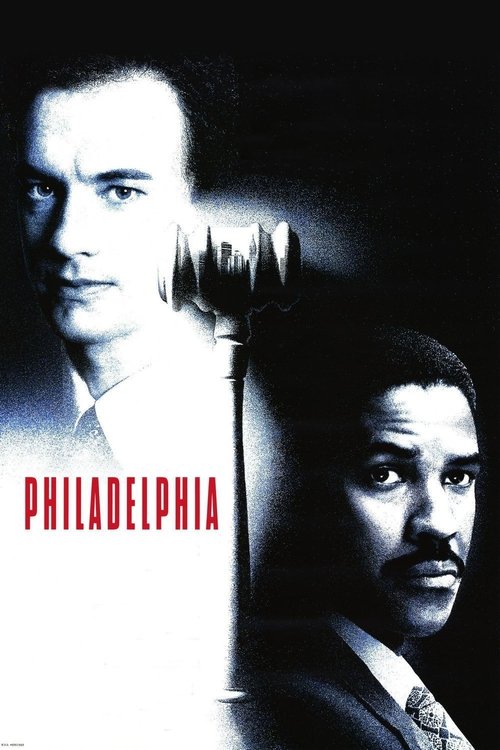
Philadelphia1993
The definitive AIDS-era legal drama with Tom Hanks at his most human. Watching it alongside Verghese's quieter approach reveals two sides of the same reckoning—courtroom fury and bedside grace.
But It's been canonized to the point where it can feel like homework. Some of the emotional beats arrive with a heavy hand.
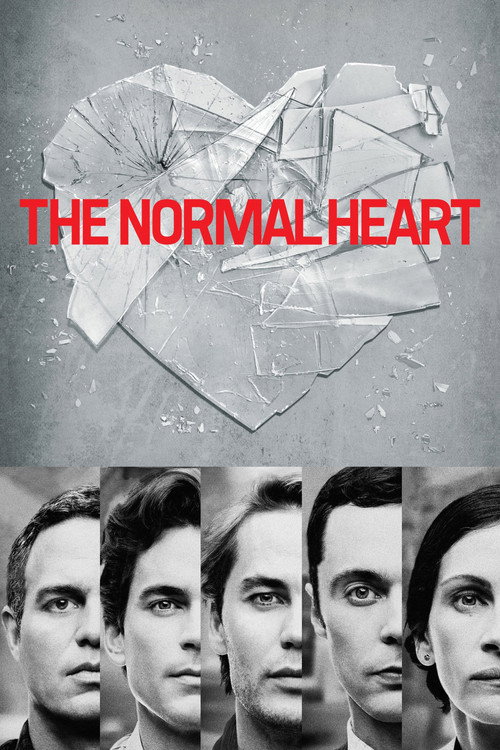
The Normal Heart2014
Larry Kramer's searing play adapted for HBO, where Mark Ruffalo and Matt Brock channel rage and love into a portrait of activism and loss during the New York epidemic. Raw where Verghese is tender.
But The shouting and fury, however justified, can exhaust. Some viewers find it too much of a sermon.
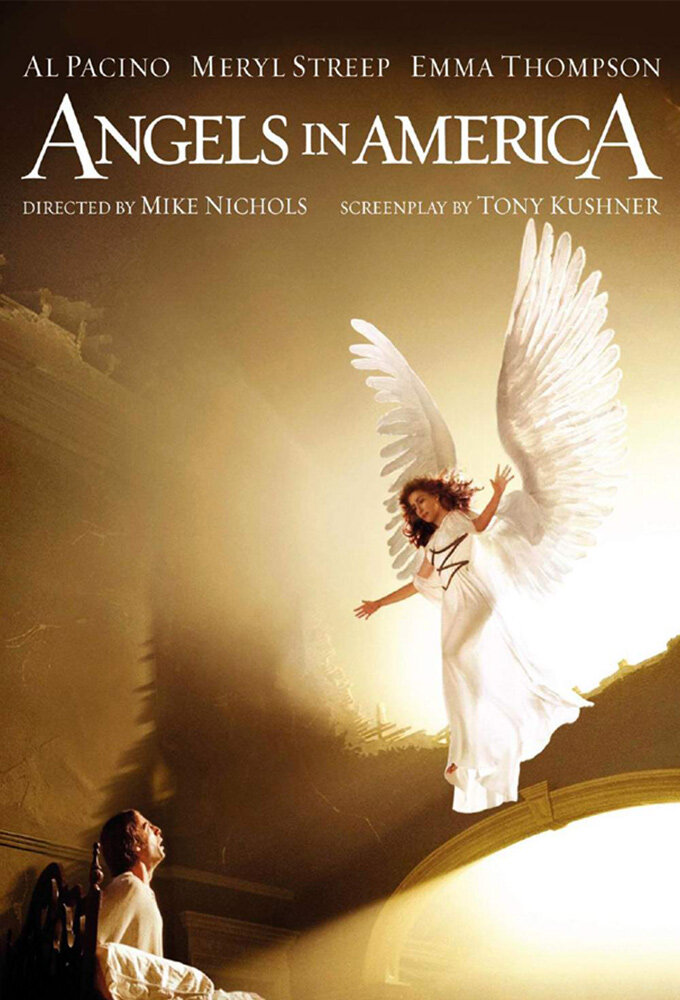
Angels in America2003
Kushner's masterwork on stage became Spielberg's HBO event. It holds more emotional territory than any single work about AIDS—cosmic, personal, hilarious, unbearable. Naveen Andrews is in this too.
But Runs over six hours across two nights. Its theatrical ambition and magical realism won't click for everyone.
Not sure tonight? Get a pick in a minute, starting from My Own Country
The wildcard
Something you would not have found on your own.
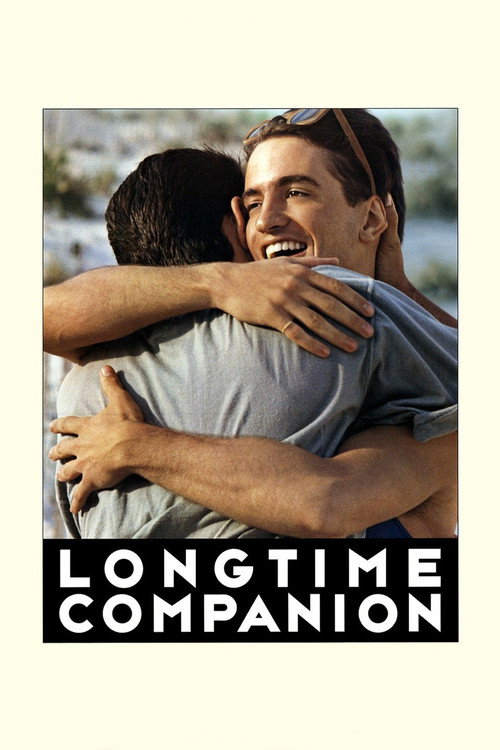
Longtime Companion1989
Both are about bearing witness to an epidemic—one from the physician's position of responsibility, one from the friends' position of helplessness. Both insist on seeing the whole person, not the diagnosis.
The first feature film to center AIDS, following a circle of friends from 1981 to the present. Shot in real time as the crisis unfolds, it captures the slow-motion horror and stubborn love that Verghese witnesses from the other side of the stethoscope.
But Extremely difficult to find legally. The tone is elegiac and slow, with no catharsis in sight.
More like this (8)
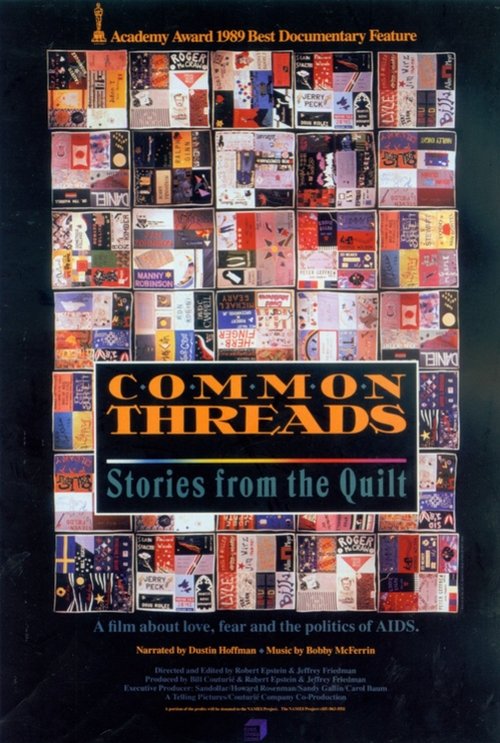
Common Threads: Stories from the Quilt1989
Academy Award–winning documentary that lets the AIDS quilt panels speak. Direct, devastating testimony from lovers, parents, friends. A counterpoint to the medical and personal stories in Verghese.
But It is relentless grief. There is no arc toward comfort, only witness.
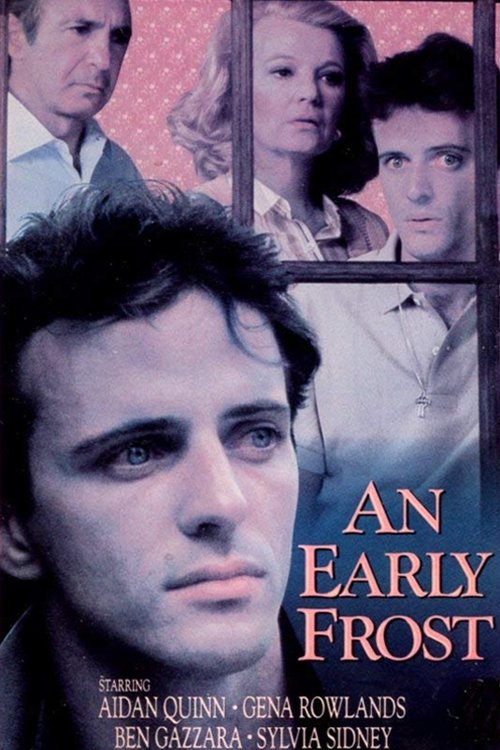
An Early Frost1985
The first major American TV movie to center AIDS. It aired the same year Verghese arrived in Tennessee. Gallagher and Bancroft navigate family denial and love in a way that feels like archaeology now.
But Dated in its production values and some attitudes. The pacing is TV-slow by modern standards.
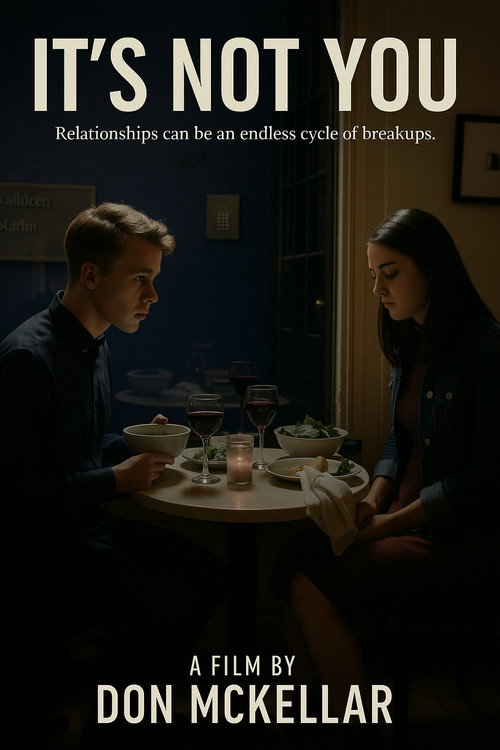
It's Not You2015
A documentary about five gay men's lives across forty years, tracking friendship, illness, recovery, loss. Quieter than most AIDS films but structurally and tonally close to Verghese's patient attention.
But Under-known and under-distributed. Finding it takes effort, and its subtle rhythm requires patience.
A Place at the Table2012
Documentary about food insecurity in America. Not about AIDS, but shares Verghese's focus on structural cruelty and individual dignity, medicine reframed as basic human care.
But The issue feels distant if hunger isn't part of your life. The solutions discussed are bleak.

Wit2001
Emma Thompson as a professor with ovarian cancer. Medical precision meets existential reckoning. A mirror to Verghese's interest in what illness looks like from the patient's side.
But Cerebral and austere. It's a one-woman argument dressed as drama. Some find it cold.

The Farewell2019
A family gathers to say goodbye to a dying grandmother without telling her. About cultural difference, love, secrecy, and what care looks like across language and expectation. The outsider doctor feeling.
But Tonal shifts between comedy and grief might feel unearned. Some viewers want it to pick one lane.

Ikiru1952
Both find their central power in the idea that illness—someone else's or your own—can strip away pretense and reveal what actually matters. Both are about grace arriving through suffering.
Kurosawa's masterpiece about a bureaucrat with terminal cancer who discovers meaning in his final months by helping others. A film about mortality as a clarification of purpose. Verghese finds his calling the same way.
But It's a 1952 Japanese film in black and white with a slow, meditative pace. The distance in time and culture is real.

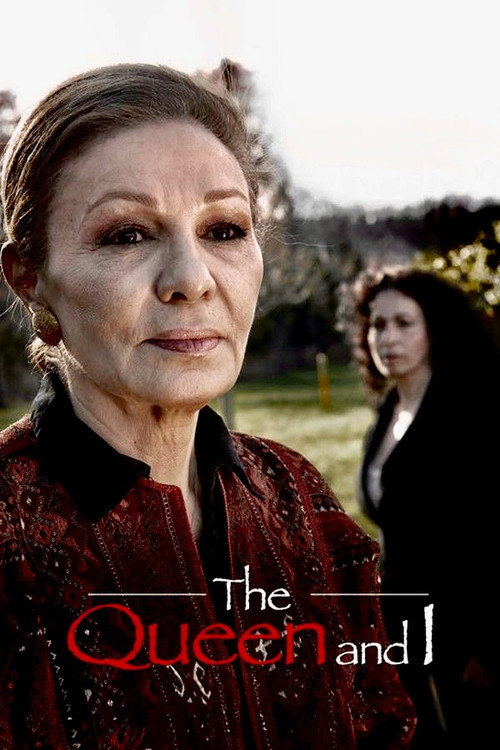
The Queen and I2008
Like Verghese, it locates the AIDS epidemic in a specific place and specific relationships, refusing the abstract. It asks how you love and serve when everything is breaking.
A South African TV film about Farewell Mandela's wife and her estrangement, set against the country's reckoning with AIDS. Based on Connie May Lewycomb's novel. It treats politics and plague as personal reckoning rather than headline.
But Hard to access outside South Africa. The politics require some historical context. It's meditative where American audiences often want momentum.
People
Cast
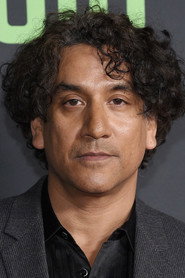 Naveen AndrewsDr. Abraham Verghese
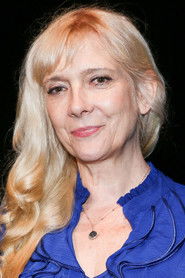 Glenne HeadlyVickie Talley
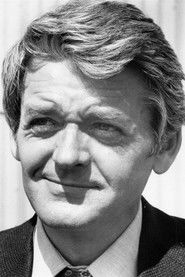 Hal HolbrookLloyd Flanders
 Swoosie KurtzHope Flanders
 Marisa TomeiMattie Vines
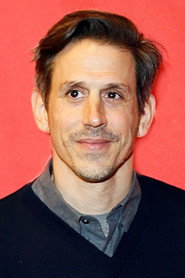 Adam TomeiGordon Vines
 Ellora PatnaikRajani Verghese
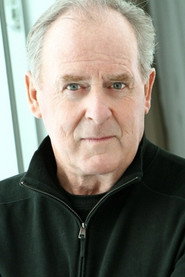 Peter MacNeillAllen
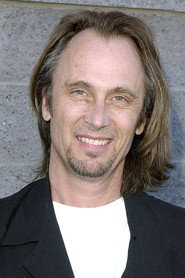 Michael HarrisTrevor
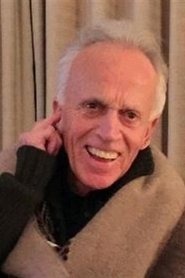 Sean HewittChester Mews
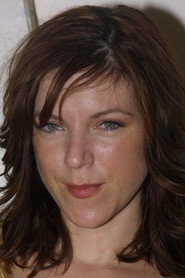 Sabrina GrdevichSexy Sadie
- William WebsterLangdon Arwood
Directing
- Mira NairDirector
Writing
- Abraham VergheseNovel
- Jim LeonardScreenplay
- Sooni TaraporevalaScreenplay
Production
- Beth KleinCasting
- Susan ForrestCasting
- Barbara TitleExecutive Producer
- Steven HewittExecutive Producer
- Mira NairProducer